Gift Letter Form With Bank In Santa Clara
Description




Get your form ready online
Our built-in tools help you complete, sign, share, and store your documents in one place.
Make edits, fill in missing information, and update formatting in US Legal Forms—just like you would in MS Word.
Download a copy, print it, send it by email, or mail it via USPS—whatever works best for your next step.
Sign and collect signatures with our SignNow integration. Send to multiple recipients, set reminders, and more. Go Premium to unlock E-Sign.
If this form requires notarization, complete it online through a secure video call—no need to meet a notary in person or wait for an appointment.
We protect your documents and personal data by following strict security and privacy standards.

Make edits, fill in missing information, and update formatting in US Legal Forms—just like you would in MS Word.

Download a copy, print it, send it by email, or mail it via USPS—whatever works best for your next step.

Sign and collect signatures with our SignNow integration. Send to multiple recipients, set reminders, and more. Go Premium to unlock E-Sign.

If this form requires notarization, complete it online through a secure video call—no need to meet a notary in person or wait for an appointment.

We protect your documents and personal data by following strict security and privacy standards.
Looking for another form?



Form popularity
FAQ
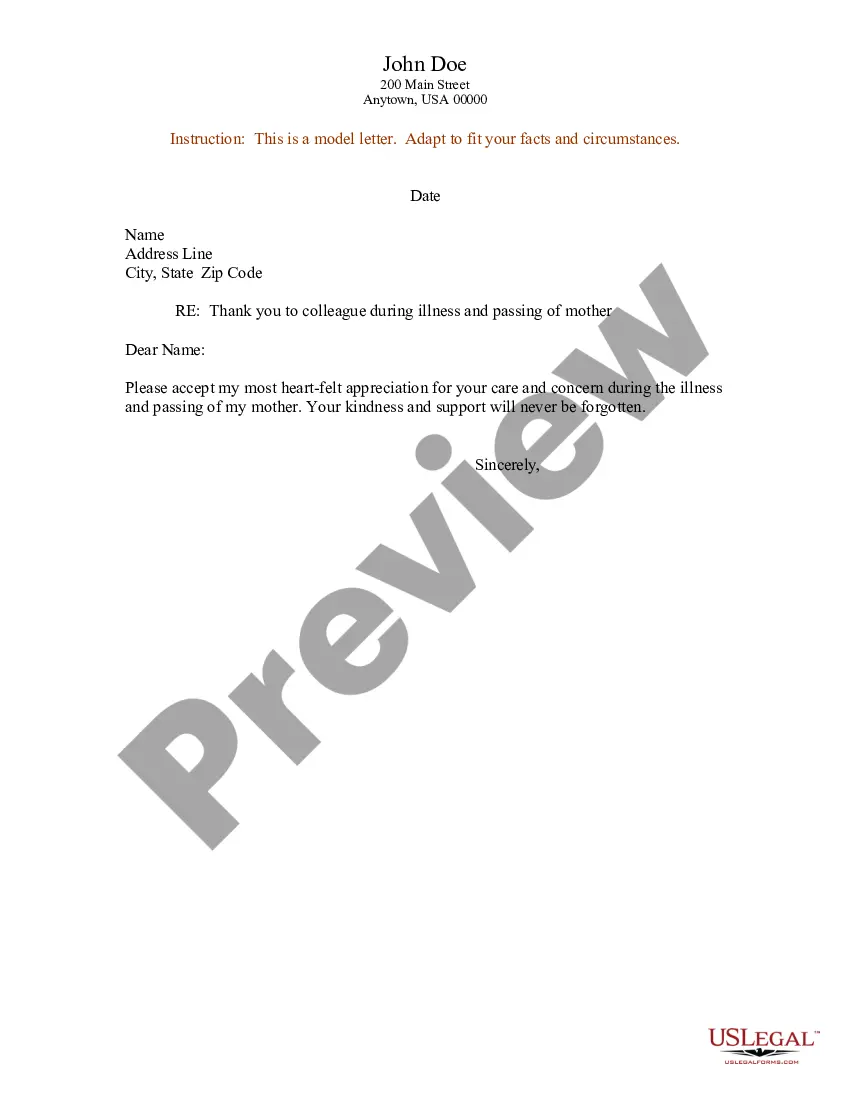
No, notarization is not required for a mortgage gift letter. The letter should include key details about the donor, the buyer, and the gift amount, including: Donor's name, address, and relationship to the buyer. Buyer's name.
Your lender may provide you with a gift letter template. If that's the case, you can simply pass it along to the gift giver and have them fill it out. If the lender doesn't provide you with a gift letter template, be sure to verify the gift letter requirements.
Typically, for conventional loans and VA loans, lenders require an explanation for any gift you receive that's over half the value of your total household monthly income. For instance, if you earn $5,000 a month in income, lenders require a letter for any gifts you receive that are more than $2,500.
The donor's relationship to you. The exact dollar amount of the gift. The date the gift was given. A complete and comprehensive statement from the donor, explicitly stating that no repayment is required or expected.

