Printable Donation Receipt Without In San Jose
Description



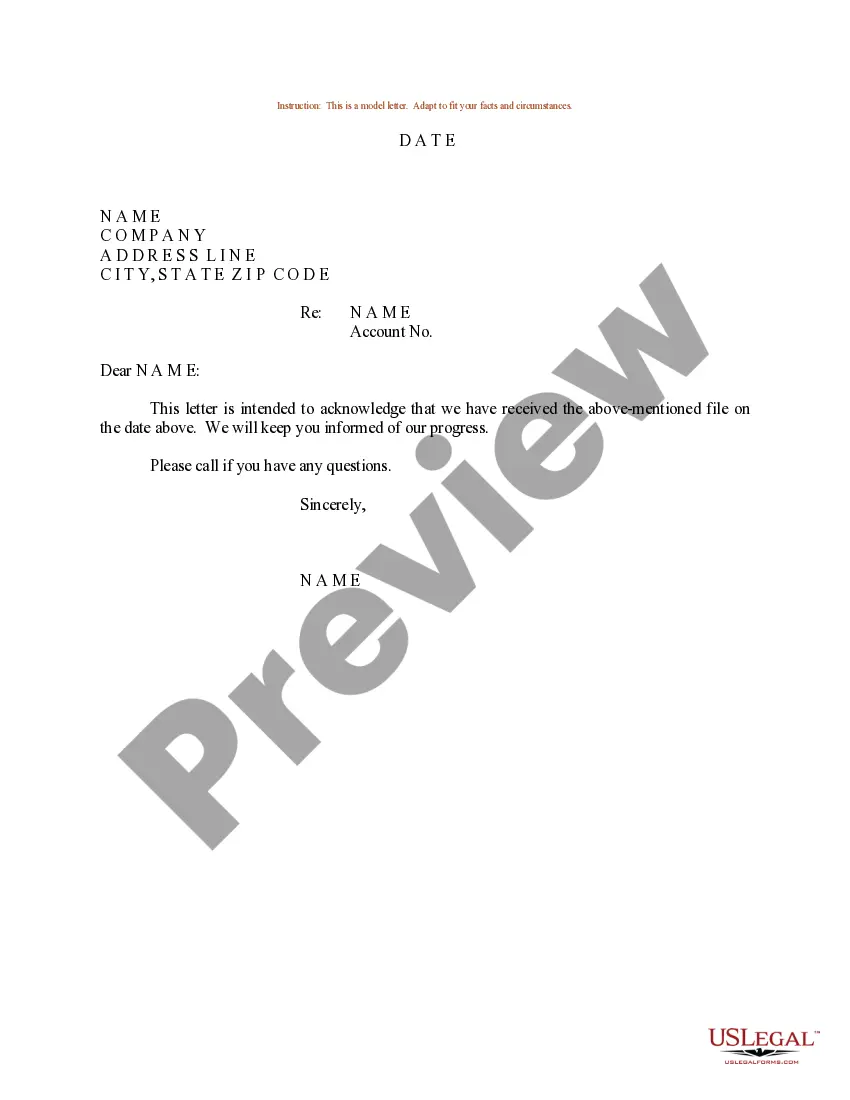
Get your form ready online
Our built-in tools help you complete, sign, share, and store your documents in one place.
Make edits, fill in missing information, and update formatting in US Legal Forms—just like you would in MS Word.
Download a copy, print it, send it by email, or mail it via USPS—whatever works best for your next step.
Sign and collect signatures with our SignNow integration. Send to multiple recipients, set reminders, and more. Go Premium to unlock E-Sign.
If this form requires notarization, complete it online through a secure video call—no need to meet a notary in person or wait for an appointment.
We protect your documents and personal data by following strict security and privacy standards.

Make edits, fill in missing information, and update formatting in US Legal Forms—just like you would in MS Word.

Download a copy, print it, send it by email, or mail it via USPS—whatever works best for your next step.

Sign and collect signatures with our SignNow integration. Send to multiple recipients, set reminders, and more. Go Premium to unlock E-Sign.

If this form requires notarization, complete it online through a secure video call—no need to meet a notary in person or wait for an appointment.

We protect your documents and personal data by following strict security and privacy standards.
Looking for another form?

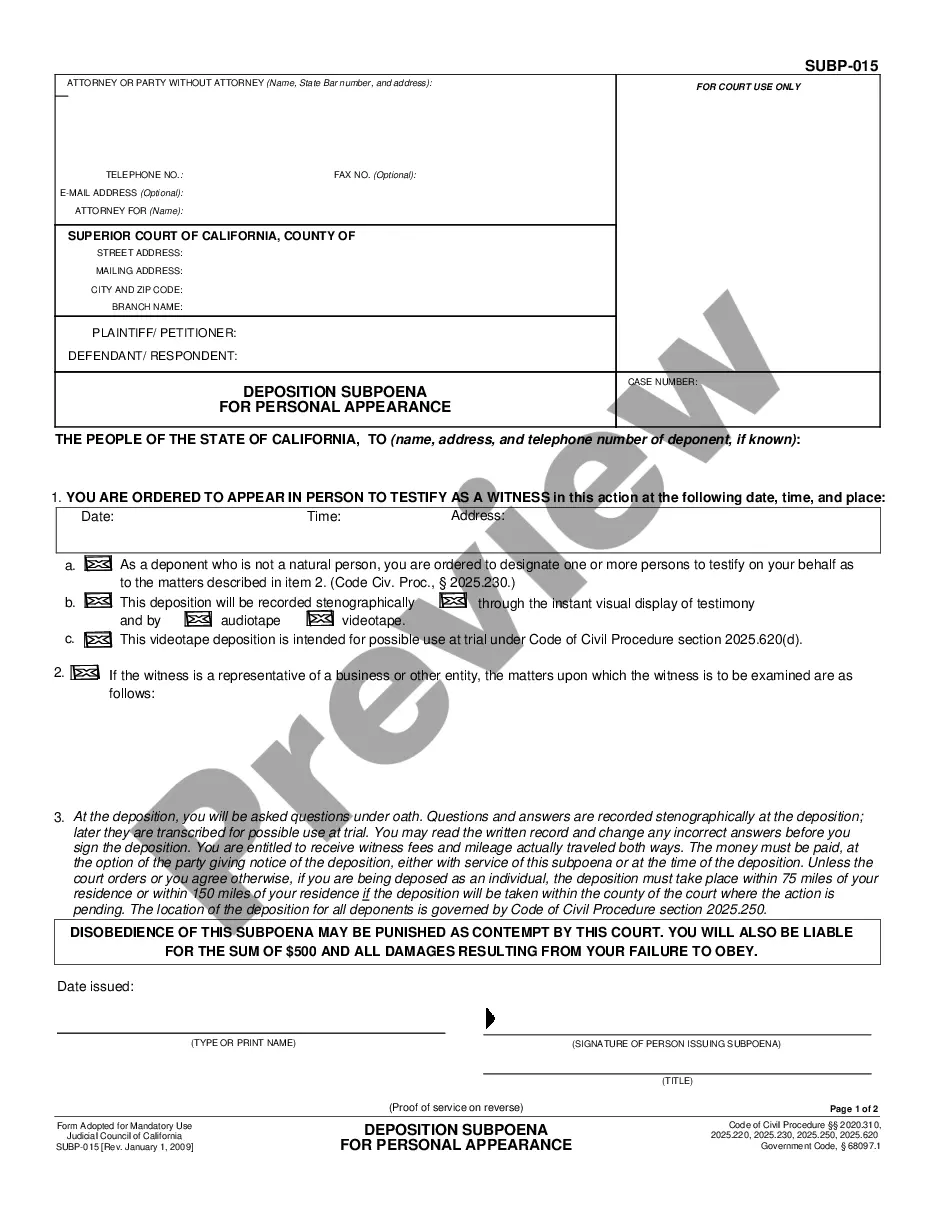




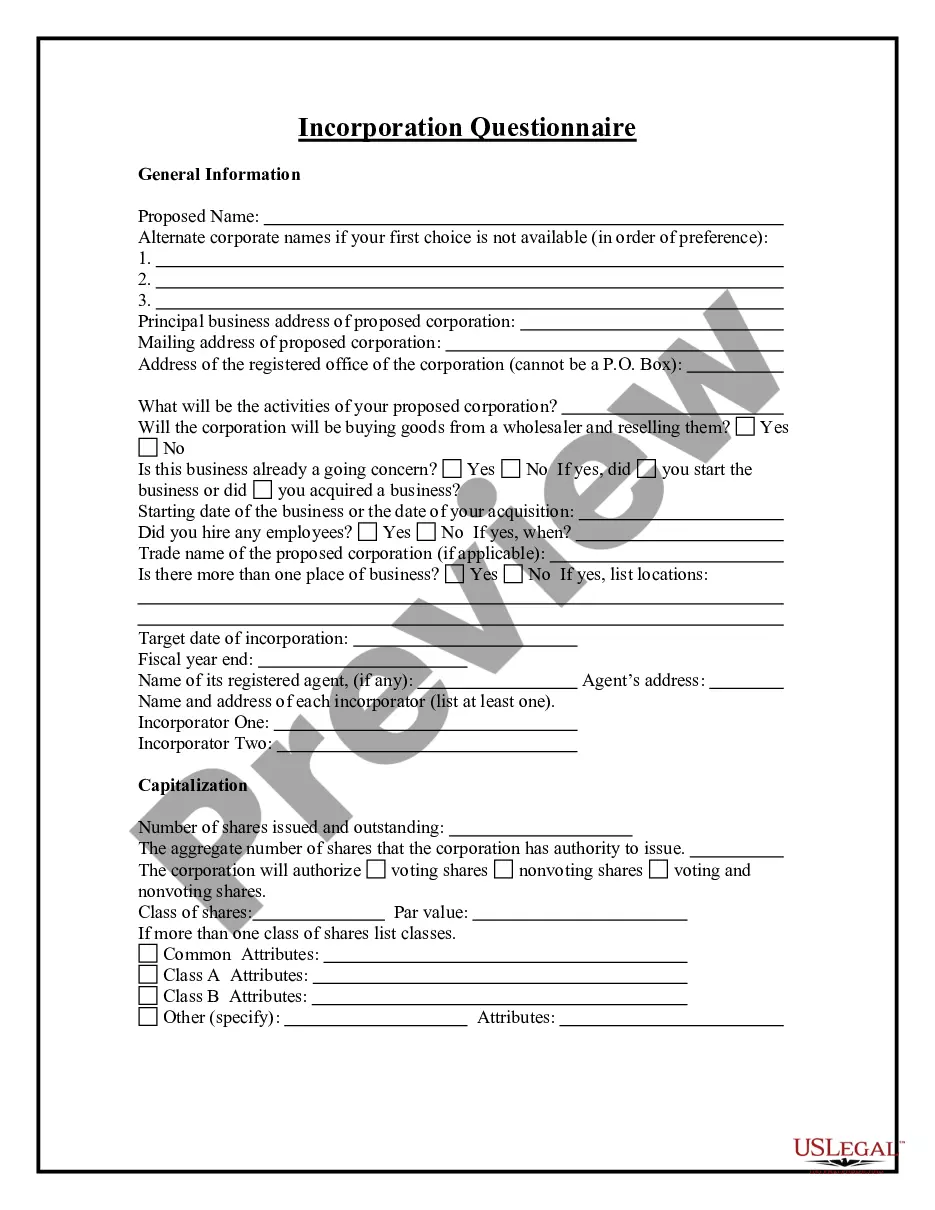

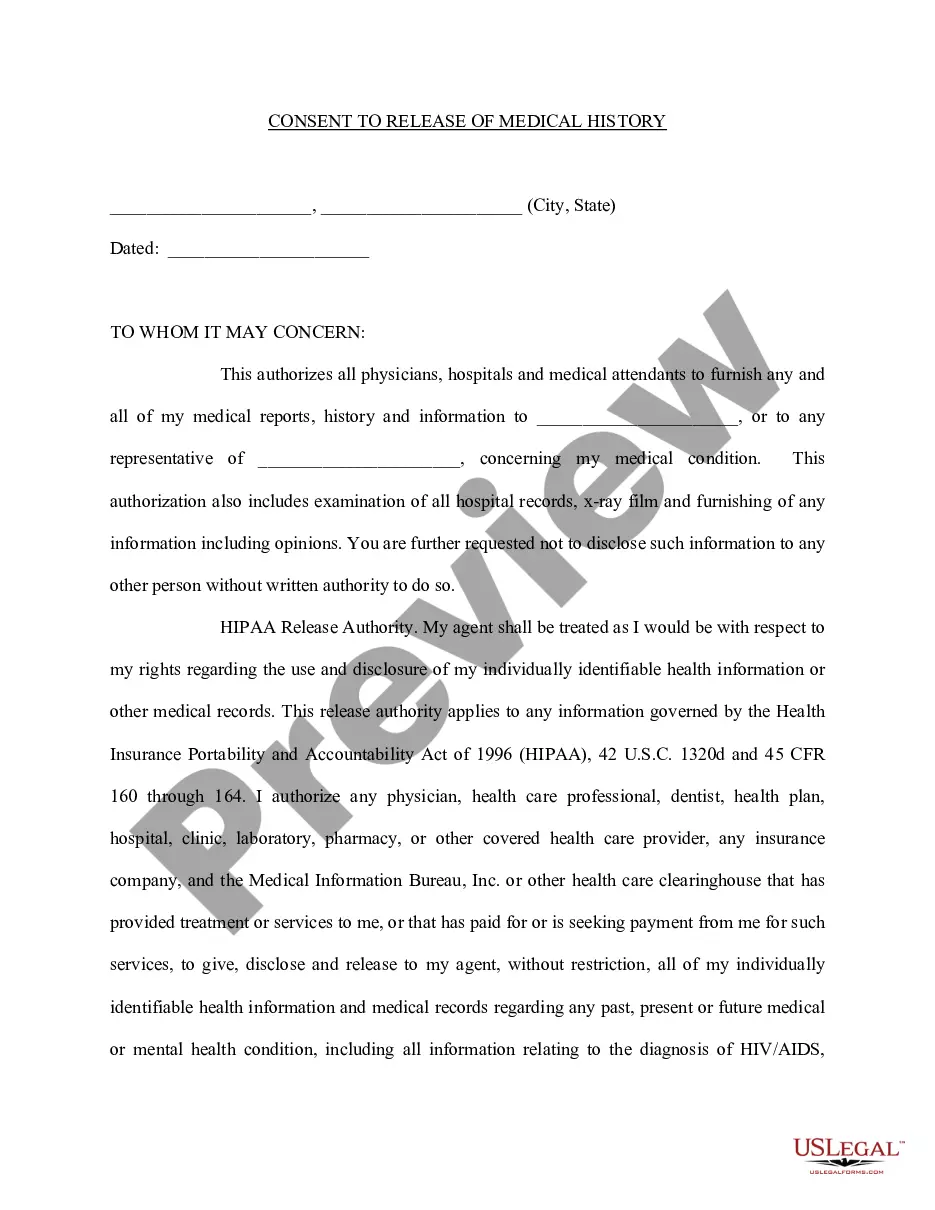

Form popularity
FAQ
For general expenses, you'll need an alternative record showing the transaction date, amount, and purpose. Some expenses, such as the home office deduction, eligible retirement plan contributions, and health insurance premiums, do not require receipts but instead rely on other documentation.
Even if your deduction for work expenses is more than $300, you can still claim a deduction for laundry expenses up to $150 without written evidence. However, the $300 limit for work expenses still applies, this exception doesn't increase the $300 limit for work expenses to $450.
You can qualify for taking the charitable donation deduction without a receipt; however, you should provide a bank record (like a bank statement, credit card statement, or canceled check) or a payroll deduction record to claim the tax deduction.
Technically, if you do not have these records, the IRS can disallow your deduction. Practically, IRS auditors may allow some reconstruction of these expenses if it seems reasonable.
A tax receipt can be issued only in the name of the individual or organization that actually gave the gift. If the donation is made by a cheque written on a joint bank account, the tax receipt should be issued in both names on the cheque, and the receipt may be used by either party to claim a tax credit.
Ing to the IRS, donation tax receipts should include the following information: The name of the organization. A statement confirming that the organization is a registered 501(c)(3) organization, along with its federal tax identification number. The date the donation was made.
Yes, all Canadians can claim the charitable donations tax credit, as long as they have an official donation receipt. It's important to note that charities don't have to issue tax receipts for donations under $20.

