Donation Receipt For Services Rendered In San Antonio
Description



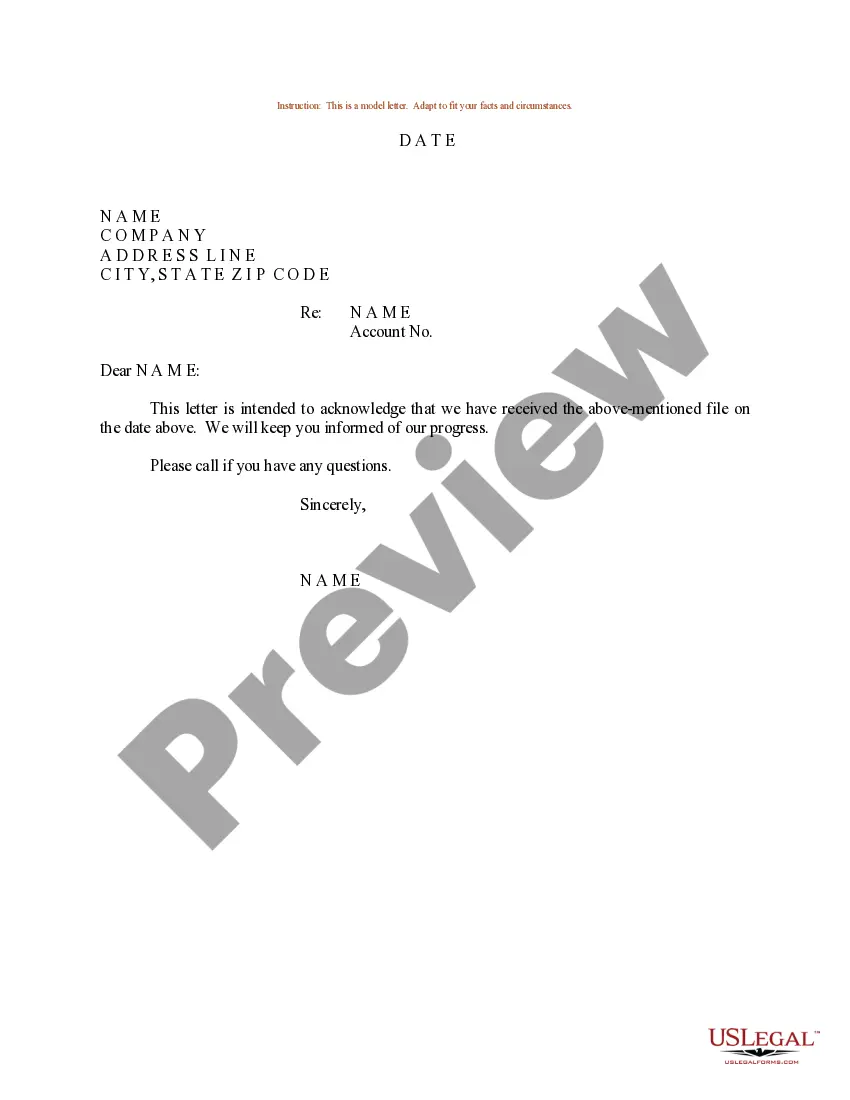
Get your form ready online
Our built-in tools help you complete, sign, share, and store your documents in one place.
Make edits, fill in missing information, and update formatting in US Legal Forms—just like you would in MS Word.
Download a copy, print it, send it by email, or mail it via USPS—whatever works best for your next step.
Sign and collect signatures with our SignNow integration. Send to multiple recipients, set reminders, and more. Go Premium to unlock E-Sign.
If this form requires notarization, complete it online through a secure video call—no need to meet a notary in person or wait for an appointment.
We protect your documents and personal data by following strict security and privacy standards.

Make edits, fill in missing information, and update formatting in US Legal Forms—just like you would in MS Word.

Download a copy, print it, send it by email, or mail it via USPS—whatever works best for your next step.

Sign and collect signatures with our SignNow integration. Send to multiple recipients, set reminders, and more. Go Premium to unlock E-Sign.

If this form requires notarization, complete it online through a secure video call—no need to meet a notary in person or wait for an appointment.

We protect your documents and personal data by following strict security and privacy standards.
Looking for another form?








Form popularity
FAQ
Let's say you received $10,000 worth of legal services, here's how you could record that donation: Record the $10,000 donation to a revenue account (example: “In-Kind Gift Revenue: Service”) Then, record the expense side of the transaction in its appropriate functional expense account (example: “Professional Services”)
You cannot claim the value of donated services as a tax deduction (generally because the “donor” never included the income from those services as taxable income).
When you receive contributed services, record the transaction in your accounting system as a net zero transaction; the in-kind contribution is recorded as revenue with a corresponding expense for the services provided.
When you receive contributed services, record the transaction in your accounting system as a net zero transaction; the in-kind contribution is recorded as revenue with a corresponding expense for the services provided.
Ing to the IRS, any kind of donation above $250 should require a donation receipt. The same applies to stock gifts/donations.
To record a donation of products or services in QuickBooks, create an invoice, set up a Charitable Contributions account, add a product/service item, issue a credit memo, and verify its application to the invoice.
The accepted way to record in-kind donations is to set up a separate revenue account but the expense side of the transaction should be recorded in its functional expense account. For example, revenue would be recorded as Gifts In-Kind – Services, and the expense would be recorded as Professional Services.
The accepted way to record in-kind donations is to set up a separate revenue account but the expense side of the transaction should be recorded in its functional expense account. For example, revenue would be recorded as Gifts In-Kind – Services, and the expense would be recorded as Professional Services.
When you receive contributed services, record the transaction in your accounting system as a net zero transaction; the in-kind contribution is recorded as revenue with a corresponding expense for the services provided.
You can qualify for taking the charitable donation deduction without a receipt; however, you should provide a bank record (like a bank statement, credit card statement, or canceled check) or a payroll deduction record to claim the tax deduction.
