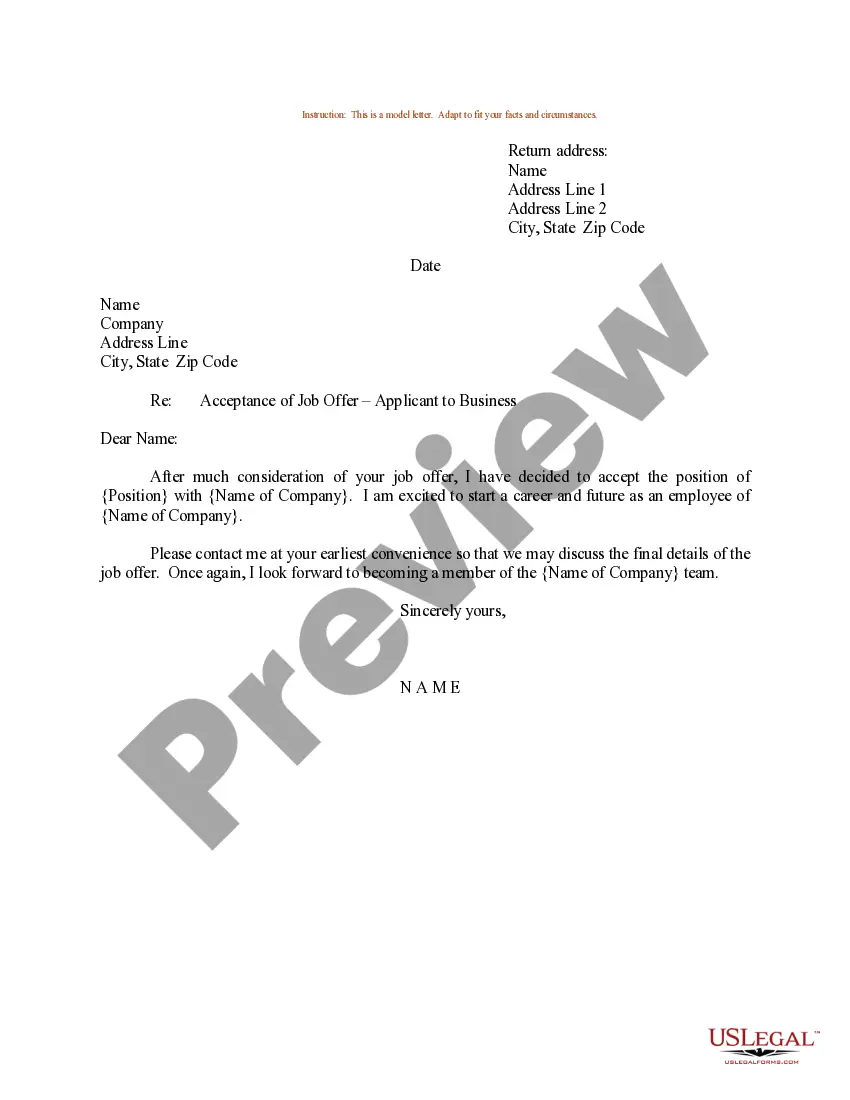
Letter Donation Form With 2 Points In Queens
Description




Get your form ready online
Our built-in tools help you complete, sign, share, and store your documents in one place.
Make edits, fill in missing information, and update formatting in US Legal Forms—just like you would in MS Word.
Download a copy, print it, send it by email, or mail it via USPS—whatever works best for your next step.
Sign and collect signatures with our SignNow integration. Send to multiple recipients, set reminders, and more. Go Premium to unlock E-Sign.
If this form requires notarization, complete it online through a secure video call—no need to meet a notary in person or wait for an appointment.
We protect your documents and personal data by following strict security and privacy standards.

Make edits, fill in missing information, and update formatting in US Legal Forms—just like you would in MS Word.

Download a copy, print it, send it by email, or mail it via USPS—whatever works best for your next step.

Sign and collect signatures with our SignNow integration. Send to multiple recipients, set reminders, and more. Go Premium to unlock E-Sign.

If this form requires notarization, complete it online through a secure video call—no need to meet a notary in person or wait for an appointment.

We protect your documents and personal data by following strict security and privacy standards.
Looking for another form?







Form popularity
FAQ
How to Write a Fundraising Letter Address the donor by their preferred name. Including the recipient's name demonstrates that you value their support as an individual, rather than a nameless source of revenue. Incorporate storytelling. Add compelling visuals. Emphasize the impact of donations. Include a call to action.
Dear Donor Name, Today, I'm writing to ask you to support cause. By donating just amount, you can specific impact. To donate, specific action. Thank you for joining cause's efforts during this adjective time—It's supporters like you that help us change the world every day.
How do you write a fundraising letter? Key steps Start with a personalized greeting. Explain your mission. Describe your current initiative. Outline your project's needs and what you hope to accomplish. Add meaningful photographs or infographics. Show the tangible impact associated with specific donation amounts.
How to Write a Fundraising Letter Address the donor by their preferred name. Including the recipient's name demonstrates that you value their support as an individual, rather than a nameless source of revenue. Incorporate storytelling. Add compelling visuals. Emphasize the impact of donations. Include a call to action.
written letter should include: A salutation. Your mission. Details about the treatment, illness, or condition. Your request. A call to action. Your contact info.
Craft a concise, direct donation message by clearly stating your cause, the impact of donations, and specific calls-to-action with emotional language. For example: "Your $25 gift provides a week of meals for a family in need. Text FEED to 55555 to More Meals today!"
Donor Salutation: Address your donor by their preferred name. Decide whether you prefer a formal salutation such as “Dear Mr. and Mrs. Richard Smith,” or a more informal one like “Hi Rick.”
How do you write a fundraising letter? Key steps Start with a personalized greeting. Explain your mission. Describe your current initiative. Outline your project's needs and what you hope to accomplish. Add meaningful photographs or infographics. Show the tangible impact associated with specific donation amounts.
Always end your letter with a thank you and a call-to-action. Thanking someone in advance for their generosity, as well as for their consideration for your cause, is good form. It shows the potential donor that their time has been appreciated and that your team understands that they are very busy.
Whenever possible, personalize solicitation letters. It makes matching letter to envelopes a painstaking—but worthwhile—extra effort. If a generic salutation cannot be avoided, opt for “Dear Friend” or another appropriate generic format—never refer to a constituent as “Dear Non Donor” or “Past Donor.”