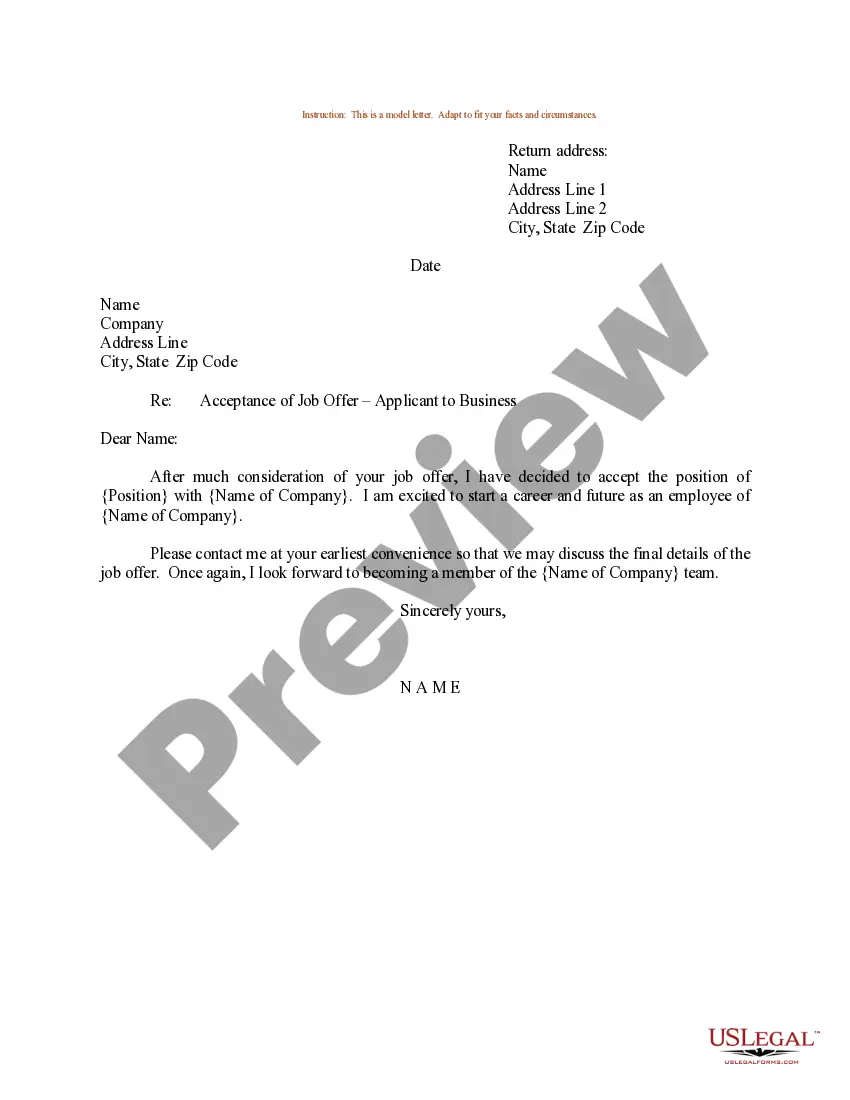
Tax Letter For Donations For School In Nassau
Description



Get your form ready online
Our built-in tools help you complete, sign, share, and store your documents in one place.
Make edits, fill in missing information, and update formatting in US Legal Forms—just like you would in MS Word.
Download a copy, print it, send it by email, or mail it via USPS—whatever works best for your next step.
Sign and collect signatures with our SignNow integration. Send to multiple recipients, set reminders, and more. Go Premium to unlock E-Sign.
If this form requires notarization, complete it online through a secure video call—no need to meet a notary in person or wait for an appointment.
We protect your documents and personal data by following strict security and privacy standards.

Make edits, fill in missing information, and update formatting in US Legal Forms—just like you would in MS Word.

Download a copy, print it, send it by email, or mail it via USPS—whatever works best for your next step.

Sign and collect signatures with our SignNow integration. Send to multiple recipients, set reminders, and more. Go Premium to unlock E-Sign.

If this form requires notarization, complete it online through a secure video call—no need to meet a notary in person or wait for an appointment.

We protect your documents and personal data by following strict security and privacy standards.
Looking for another form?


Form popularity
FAQ
How to Write a Fundraising Letter Address the donor by their preferred name. Including the recipient's name demonstrates that you value their support as an individual, rather than a nameless source of revenue. Incorporate storytelling. Add compelling visuals. Emphasize the impact of donations. Include a call to action.
Dear BUSINESS OWNER NAME, SCHOOL NAME is reaching out for your help! We are in the process of organizing our upcoming fundraiser and we need your support. Your donations would be greatly appreciated and will go a long way in helping our school achieve our goal of EXPLAIN GOAL.
Taxpayers have to claim deductions for school donations as well as other charitable contributions on Schedule A of Form 1040. Thus, the deduction is only available if you choose to itemize your deductions.
Offer a mention in the school website, on social with a tag, and to send a press release to the local news. I would also contact the bus company and find out if they would match a monetary donation with an in-kind donation.
Start with a clear statement of purpose. Share personal stories or anecdotes that illustrate the impact the donations will have. Quantify the need and how the donations will be used. Convey gratitude and appreciation for any amount the reader is able to contribute.
Introduce yourself to the person you are talking to If you know the individual you are calling, ensure that you identify yourself before starting your donation request to help your donor remember who you are. Eliminate any confusion on your donors' end and ensure that your conversation is as efficient as possible.
Proof can be provided in the form of an official receipt or invoice from the receiving qualified charitable organization, but it can also be provided via credit card statements or other financial records detailing the donation.
Generally, yes. The Internal Revenue Code provides a broad exemption for “educational organizations,” under which most public schools have organized. Organizing as a public charity under this section allows schools to collect tax-deductible contributions from donors.
However, you should be able to provide a bank record (bank statement, credit card statement, canceled check or a payroll deduction record) to claim the tax deduction. Written records, like check registers or personal notations, from the donor aren't enough proof. The records should show the: Organization's name.
A donation acknowledgment letter is a type of donor letter that you send to donors to document their charitable gifts and donations. Sometimes your donation receipt functions as a donor acknowledgement. However, that's not always the case.