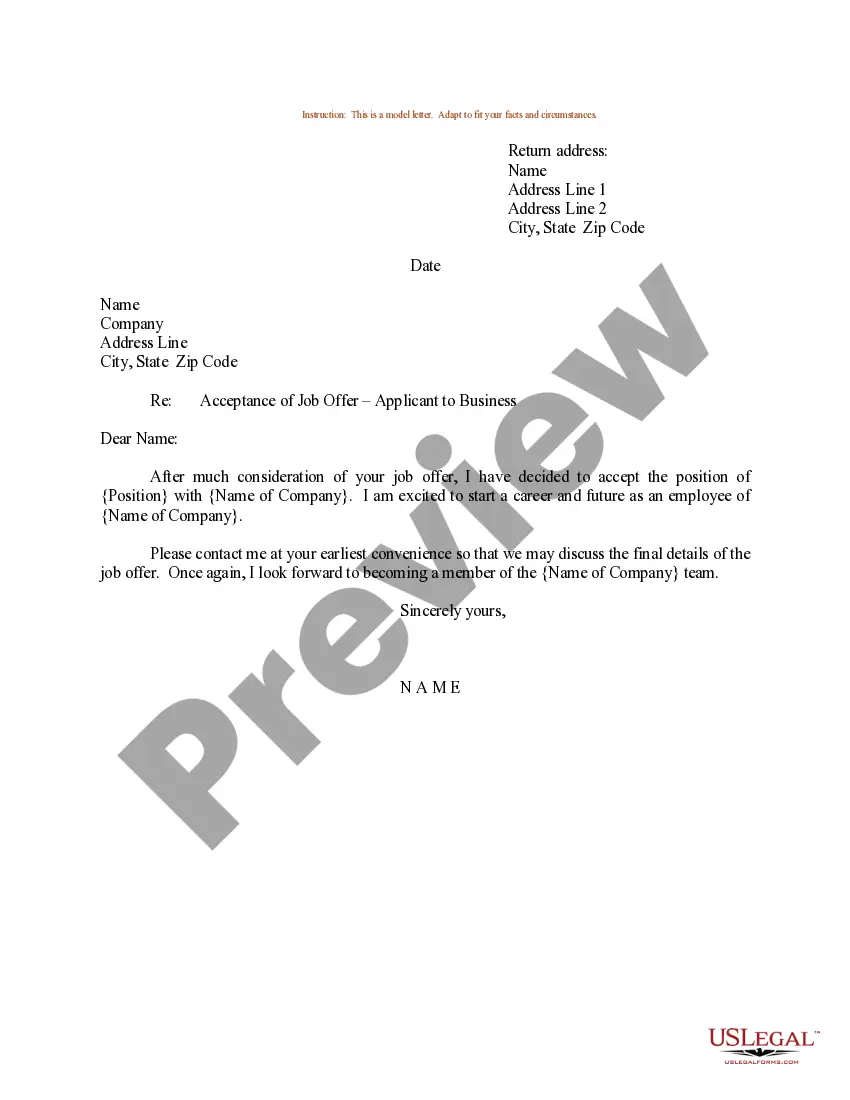
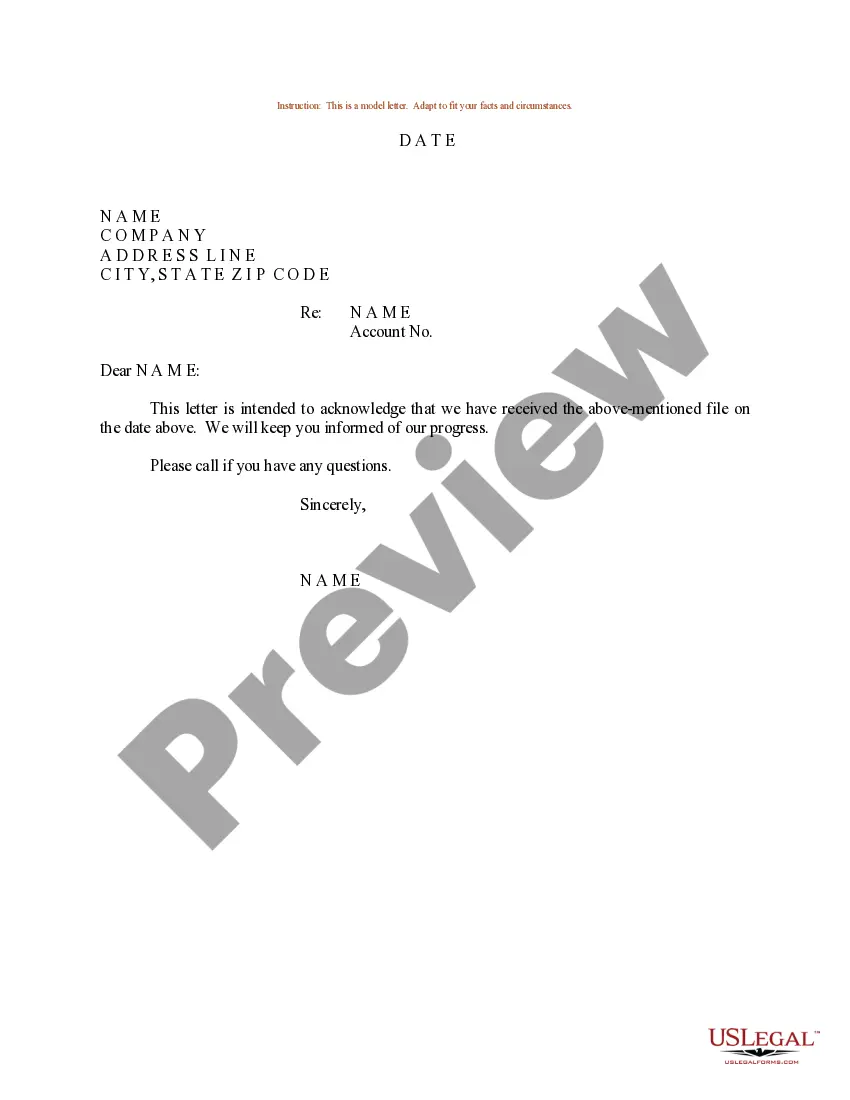
Tax Letter For Donations For School In Massachusetts
Description



Get your form ready online
Our built-in tools help you complete, sign, share, and store your documents in one place.
Make edits, fill in missing information, and update formatting in US Legal Forms—just like you would in MS Word.
Download a copy, print it, send it by email, or mail it via USPS—whatever works best for your next step.
Sign and collect signatures with our SignNow integration. Send to multiple recipients, set reminders, and more. Go Premium to unlock E-Sign.
If this form requires notarization, complete it online through a secure video call—no need to meet a notary in person or wait for an appointment.
We protect your documents and personal data by following strict security and privacy standards.

Make edits, fill in missing information, and update formatting in US Legal Forms—just like you would in MS Word.

Download a copy, print it, send it by email, or mail it via USPS—whatever works best for your next step.

Sign and collect signatures with our SignNow integration. Send to multiple recipients, set reminders, and more. Go Premium to unlock E-Sign.

If this form requires notarization, complete it online through a secure video call—no need to meet a notary in person or wait for an appointment.

We protect your documents and personal data by following strict security and privacy standards.
Looking for another form?
Form popularity
FAQ
There are several details that the IRS requires you to include: The name of your donor. The full legal name of your organization. A declaration of your organization's tax-exempt status. Your organization's employer identification number. The date the gift was received. A description of the gift and the amount received.
Donating is worth the dollar amount times your marginal tax rate (current bracket for the next dollar) IF, and only IF, you itemize deductions. Most Americans don't, because the standard deduction is far higher.
Taxpayers have to claim deductions for school donations as well as other charitable contributions on Schedule A of Form 1040. Thus, the deduction is only available if you choose to itemize your deductions.
What is the State Charitable Tax Deduction? The State Charitable Deduction is a charitable contributions deduction that applies to all donations made from January 1, 2023—on. It includes all Massachusetts taxpayers, regardless of whether they itemize federally.
Proof can be provided in the form of an official receipt or invoice from the receiving qualified charitable organization, but it can also be provided via credit card statements or other financial records detailing the donation.
Any of the following is acceptable evidence of nonprofit status: (a) a reference to the applicant organization's listing in the Internal Revenue Service's (IRS) most recent list of tax-exempt organizations described in section 501(c)(3) of the IRS Code; (b) a copy of a currently valid IRS tax exemption certificate; (c) ...
You can obtain the letter by having an officer or trustee contact IRS Customer Account Services by phone, mail, or fax. If you submit the request in writing, be sure to include the organization's name, Employer Identification Number (EIN), and authorized signature of the officer or trustee.
How can I get a copy of my organization's exemption letter? You can download copies of determination letters (issued January 1, 2014 and later) using our on-line search tool Tax Exempt Organization Search (TEOS).
However, you should be able to provide a bank record (bank statement, credit card statement, canceled check or a payroll deduction record) to claim the tax deduction. Written records, like check registers or personal notations, from the donor aren't enough proof. The records should show the: Organization's name.
If you ever need to replace your 501(c)(3) letter, IRS Form 4506-A instructions provides a way to get a copy of your original determination letter. (This form is primarily used by members of the public to inspect copies of exempt organizations' applications for exempt status.)