Tax Letter For Donations Without 501c3 In Clark
Description



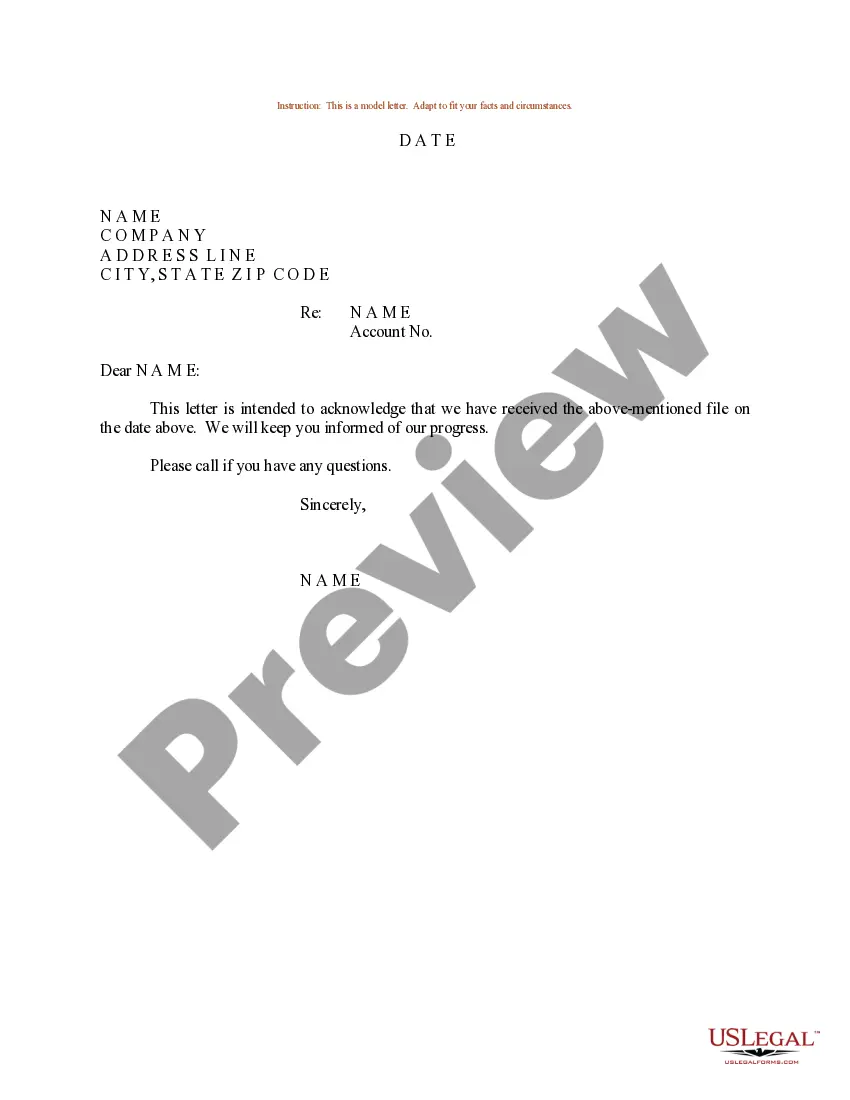
Get your form ready online
Our built-in tools help you complete, sign, share, and store your documents in one place.
Make edits, fill in missing information, and update formatting in US Legal Forms—just like you would in MS Word.
Download a copy, print it, send it by email, or mail it via USPS—whatever works best for your next step.
Sign and collect signatures with our SignNow integration. Send to multiple recipients, set reminders, and more. Go Premium to unlock E-Sign.
If this form requires notarization, complete it online through a secure video call—no need to meet a notary in person or wait for an appointment.
We protect your documents and personal data by following strict security and privacy standards.

Make edits, fill in missing information, and update formatting in US Legal Forms—just like you would in MS Word.

Download a copy, print it, send it by email, or mail it via USPS—whatever works best for your next step.

Sign and collect signatures with our SignNow integration. Send to multiple recipients, set reminders, and more. Go Premium to unlock E-Sign.

If this form requires notarization, complete it online through a secure video call—no need to meet a notary in person or wait for an appointment.

We protect your documents and personal data by following strict security and privacy standards.
Looking for another form?



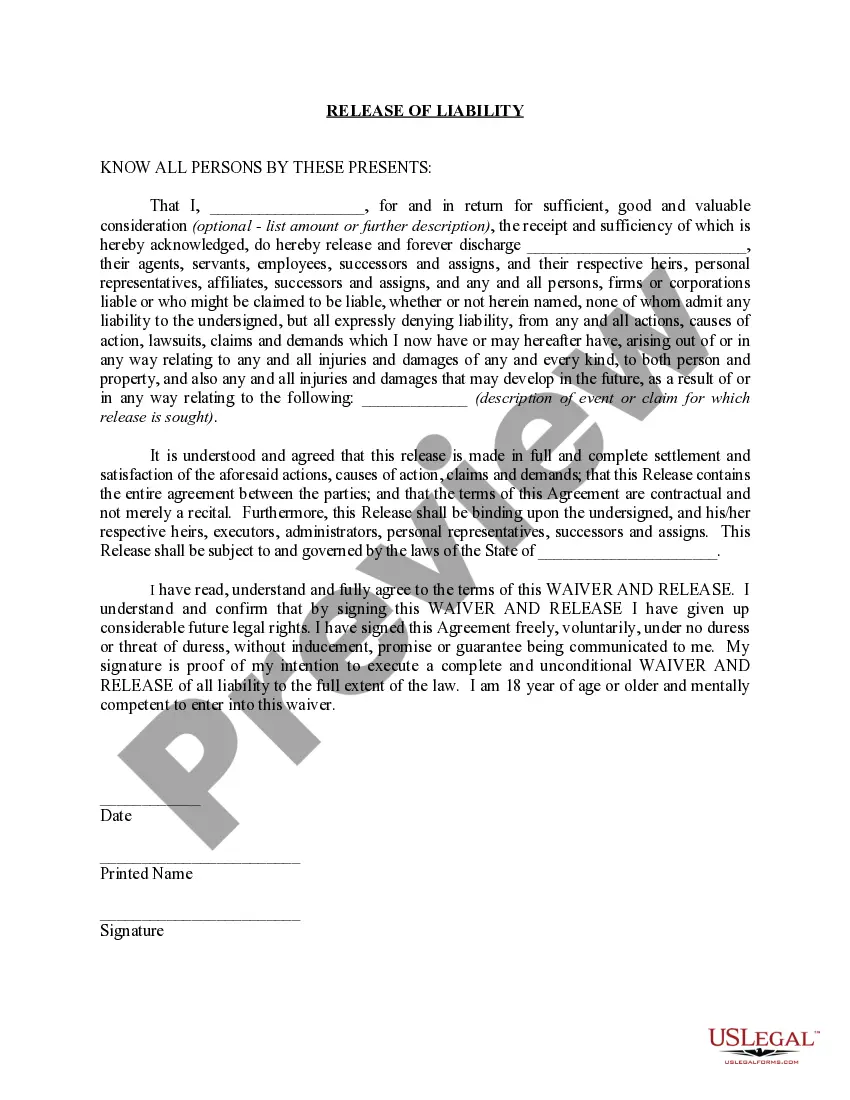


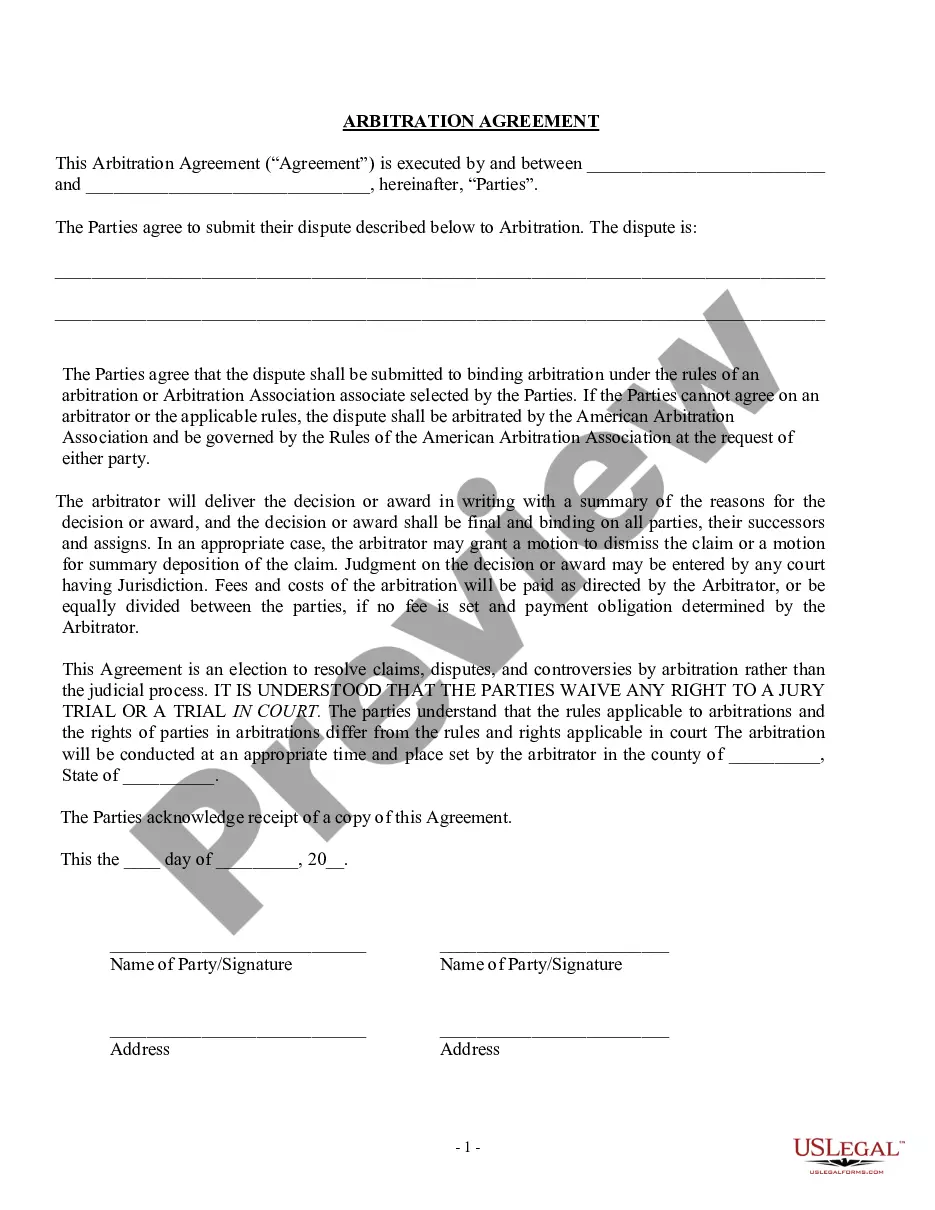


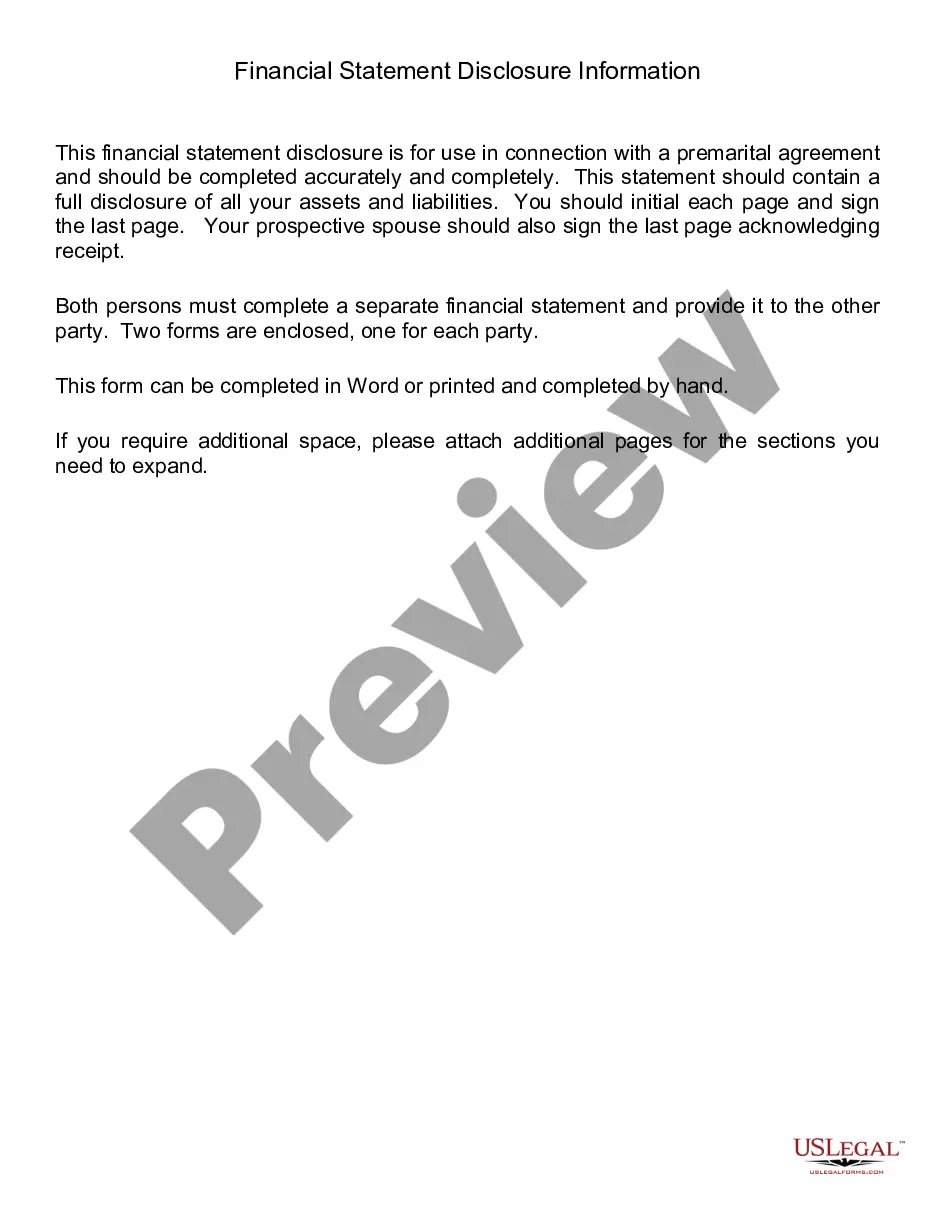
Form popularity
FAQ
Yes, you can receive a donation without be a nonprofit. In the United States and many other nations, there are tax benefits to the donor when donating toward a certified nonprofit. Regardless of your nonprofit status, someone can give you a donati...
Yes, you can receive a donation without be a nonprofit. In the United States and many other nations, there are tax benefits to the donor when donating toward a certified nonprofit. Regardless of your nonprofit status, someone can give you a donati...
Each letter should include the following information: The donor's name. The full legal name of your organization. A declaration of your organization's tax-exempt status. Your organization's employer identification number. The date the gift was received. A description of the gift and the amount received.
In order to remain a public charity (and not a private foundation), a 501(c)(3) must obtain at least 1/3 of its donated revenue from a fairly broad base of public support. Public support can be from individuals, companies, and/or other public charities.
Exemption requirements - 501(c)(3) organizations To be tax-exempt under section 501(c)(3) of the Internal Revenue Code, an organization must be organized and operated exclusively for exempt purposes set forth in section 501(c)(3), and none of its earnings may inure to any private shareholder or individual.
If you ever need to replace your 501(c)(3) letter, IRS Form 4506-A instructions provides a way to get a copy of your original determination letter. (This form is primarily used by members of the public to inspect copies of exempt organizations' applications for exempt status.)
Actually, no! These terms are often used interchangeably, but they all mean different things. Nonprofit means the entity, usually a corporation, is organized for a nonprofit purpose. 501(c)(3) means a nonprofit organization that has been recognized by the IRS as being tax-exempt by virtue of its charitable programs.
Yes, you can receive a donation without be a nonprofit. In the United States and many other nations, there are tax benefits to the donor when donating toward a certified nonprofit. Regardless of your nonprofit status, someone can give you a donati...
Actually, no! These terms are often used interchangeably, but they all mean different things. Nonprofit means the entity, usually a corporation, is organized for a nonprofit purpose. 501(c)(3) means a nonprofit organization that has been recognized by the IRS as being tax-exempt by virtue of its charitable programs.

