Tax Letter For Donations Without Receipt In Chicago
Description



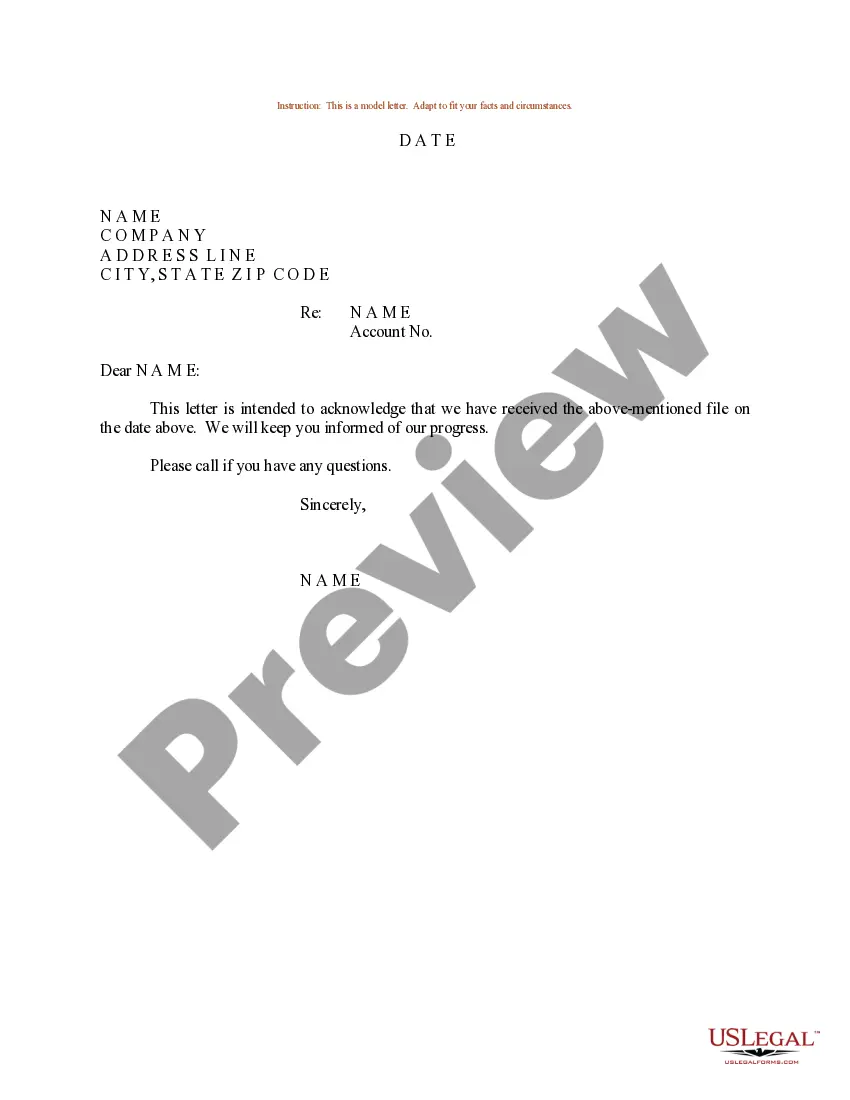
Get your form ready online
Our built-in tools help you complete, sign, share, and store your documents in one place.
Make edits, fill in missing information, and update formatting in US Legal Forms—just like you would in MS Word.
Download a copy, print it, send it by email, or mail it via USPS—whatever works best for your next step.
Sign and collect signatures with our SignNow integration. Send to multiple recipients, set reminders, and more. Go Premium to unlock E-Sign.
If this form requires notarization, complete it online through a secure video call—no need to meet a notary in person or wait for an appointment.
We protect your documents and personal data by following strict security and privacy standards.

Make edits, fill in missing information, and update formatting in US Legal Forms—just like you would in MS Word.

Download a copy, print it, send it by email, or mail it via USPS—whatever works best for your next step.

Sign and collect signatures with our SignNow integration. Send to multiple recipients, set reminders, and more. Go Premium to unlock E-Sign.

If this form requires notarization, complete it online through a secure video call—no need to meet a notary in person or wait for an appointment.

We protect your documents and personal data by following strict security and privacy standards.
Looking for another form?


Form popularity
FAQ
A charitable donation receipt is a letter, email, or receipt form notifying a donor that their gift has been received. Charitable donation receipts contain information regarding the gift (donor name, organization name, gift amount, gift type, etc.).
If you want to take a charitable contribution deduction on your income-tax return, you need to substantiate your gifts. You must have the charity's written acknowledgment for any charitable deduction of $250 or more. A canceled check is not enough to support your deduction.
If you're audited and don't have receipts, you may have to prove expenses with alternative records (bank statements, invoices). If unable to verify, deductions may be denied, leading to additional taxes, penalties, or interest.
The fair market value of anything you receive in exchange for your gift must be subtracted from the amount of your deduction. Only donations made to qualified charities are eligible. Deductible contributions are limited to a percentage of the taxpayer's adjusted gross income.
Yes, you can claim deductions if you don't have receipts. For general expenses, you'll need an alternative record showing the transaction date, amount, and purpose.
A letter stating the name of the household contributor, the amount they contribute every month, and where the contribution is deposited.
One of the most common tasks for organizations is preparing a statement for each donor that shows all of their giving for a particular date range. This is typically called a giving statement or contribution statement.
A charitable contribution is a donation or gift to, or for the use of, a qualified organization. It is voluntary and is made without getting, or expecting to get, anything of equal value.
Contribution Request means a request by the Investment Agent to the Participants substantially in the form of the request attached hereto as Schedule 2; Sample 1.

