Donation Receipt In Cash Limit In California
Description



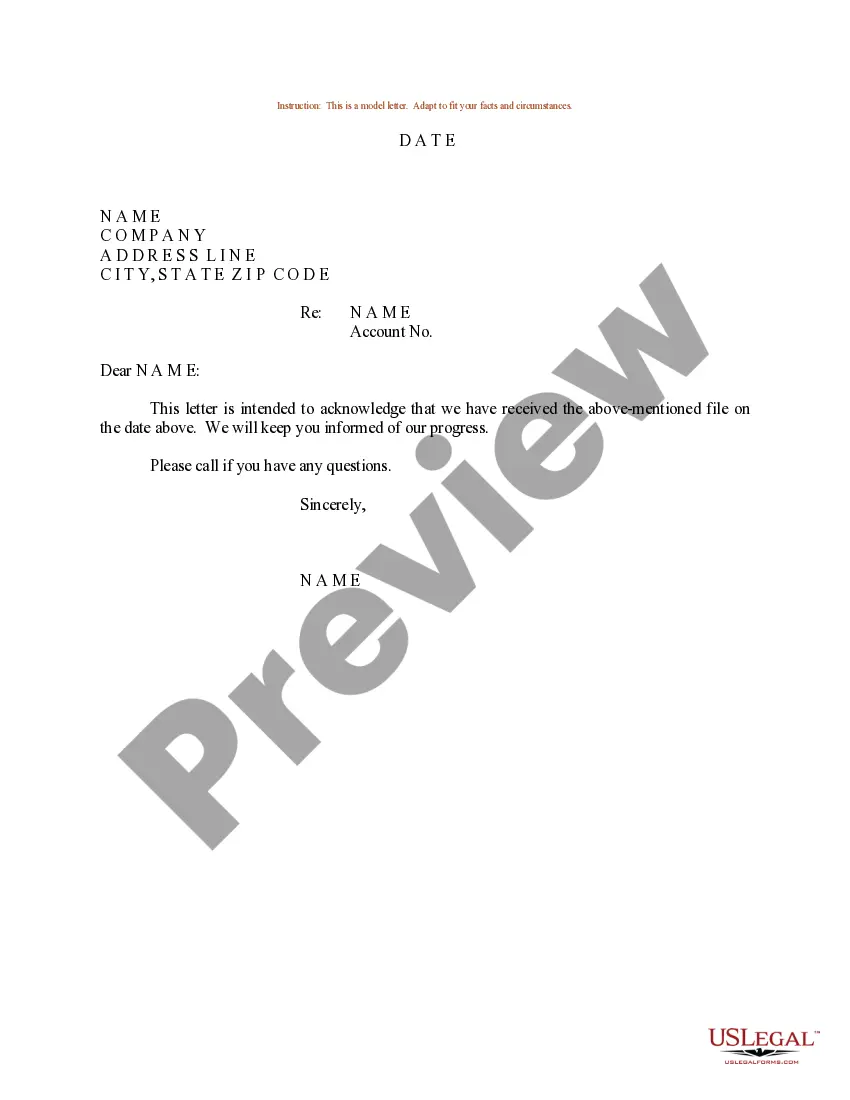
Get your form ready online
Our built-in tools help you complete, sign, share, and store your documents in one place.
Make edits, fill in missing information, and update formatting in US Legal Forms—just like you would in MS Word.
Download a copy, print it, send it by email, or mail it via USPS—whatever works best for your next step.
Sign and collect signatures with our SignNow integration. Send to multiple recipients, set reminders, and more. Go Premium to unlock E-Sign.
If this form requires notarization, complete it online through a secure video call—no need to meet a notary in person or wait for an appointment.
We protect your documents and personal data by following strict security and privacy standards.

Make edits, fill in missing information, and update formatting in US Legal Forms—just like you would in MS Word.

Download a copy, print it, send it by email, or mail it via USPS—whatever works best for your next step.

Sign and collect signatures with our SignNow integration. Send to multiple recipients, set reminders, and more. Go Premium to unlock E-Sign.

If this form requires notarization, complete it online through a secure video call—no need to meet a notary in person or wait for an appointment.

We protect your documents and personal data by following strict security and privacy standards.
Looking for another form?






Form popularity
FAQ
Current federal and state law allows an individual to claim an itemized deduction for contributions to a qualified charitable organization. A contribution is not deductible unless it is made to, or for the use of, a qualified organization. The donee organization must be qualified at the time of the contribution.
Ing to the IRS, donation tax receipts should include the following information: The name of the organization. A statement confirming that the organization is a registered 501(c)(3) organization, along with its federal tax identification number. The date the donation was made.
California law basically adopts the federal standards for tax deductions on gifts to charity. (See California Revenue and Tax Code § 17201.) One important difference is that California has a 50% limitation on charitable contributions based on federal AGI, as compared to a 60% limit under federal law.
Right now, California has state legislation that allows some growers to claim a 15 percent state tax credit on the qualified wholesale value of donated fruits, vegetables, proteins, starches, and other food items (see list of eligible items on right).
Your deduction for charitable contributions generally can't be more than 60% of your AGI, but in some cases 20%, 30%, or 50% limits may apply.
This rule states that if the total of your work-related expenses is $300 or less (not including car, travel, and overtime meal expenses, which can be claimed separately), you can claim the total amount as a tax deduction without receipts.

