Donation Receipt For Non Profit In Broward
Description



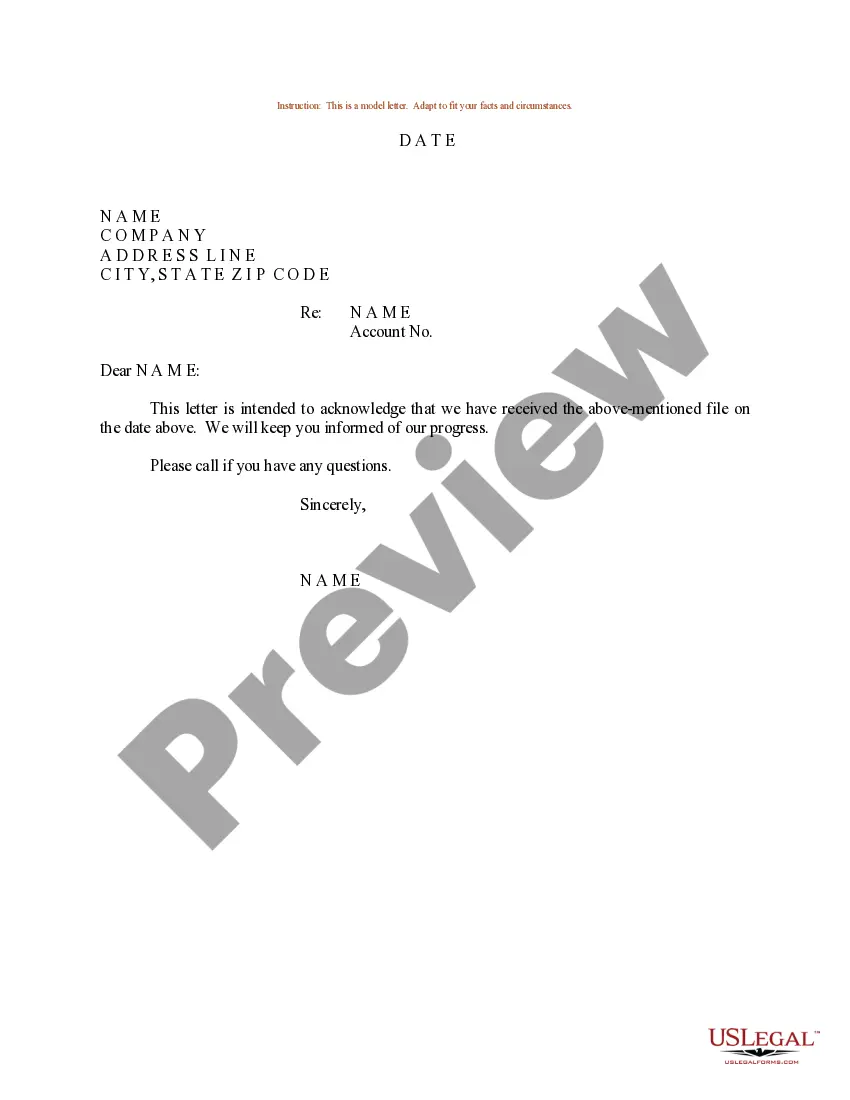
Get your form ready online
Our built-in tools help you complete, sign, share, and store your documents in one place.
Make edits, fill in missing information, and update formatting in US Legal Forms—just like you would in MS Word.
Download a copy, print it, send it by email, or mail it via USPS—whatever works best for your next step.
Sign and collect signatures with our SignNow integration. Send to multiple recipients, set reminders, and more. Go Premium to unlock E-Sign.
If this form requires notarization, complete it online through a secure video call—no need to meet a notary in person or wait for an appointment.
We protect your documents and personal data by following strict security and privacy standards.

Make edits, fill in missing information, and update formatting in US Legal Forms—just like you would in MS Word.

Download a copy, print it, send it by email, or mail it via USPS—whatever works best for your next step.

Sign and collect signatures with our SignNow integration. Send to multiple recipients, set reminders, and more. Go Premium to unlock E-Sign.

If this form requires notarization, complete it online through a secure video call—no need to meet a notary in person or wait for an appointment.

We protect your documents and personal data by following strict security and privacy standards.
Looking for another form?






Form popularity
FAQ
Can I get a list of donors to an organization? The list of donors filed with Form 990 is specifically excluded from the information available for public inspection, except for donors to private foundations and political organizations.
All nonprofits with gross receipts above $50,000 are required to file an IRS Form 990 (or 990-EZ). The Form 990 is publicly available and may be found on the organization's page or on nonprofit databases such as GuideStar. (Note that the database may not be comprehensive.)
If a donation exceeds $250, the donor must obtain written acknowledgment of the donation before claiming a charitable contribution on their federal income tax return. Plus, a donation receipt is a chance to show donors that your organization is responsible, transparent, and grateful for all support.
Private foundations, including private corporate foundations, must publicly disclose all of their grants in their annual tax filings. You can use Foundation Directory to research foundations and see which nonprofits they give grants to.
You can qualify for taking the charitable donation deduction without a receipt; however, you should provide a bank record (like a bank statement, credit card statement, or canceled check) or a payroll deduction record to claim the tax deduction.
Advocates of donor privacy believe the question was settled in 2021 with the Supreme Court's 6-3 ruling in the case of Americans for Prosperity Foundation v. California Attorney General Rob Bonta. That ruling determined that California could not force nonprofits to submit lists of their major donors to the state.
The Nonprofit Data Search allows you to sift through Form 990 filing data for tens of thousands of nonprofit records to find and download details about their grant recipients, board members, vendors and other detailed financial information.
You can qualify for taking the charitable donation deduction without a receipt; however, you should provide a bank record (like a bank statement, credit card statement, or canceled check) or a payroll deduction record to claim the tax deduction.
How to Get Donations Set up a donation page. Enable recurring donations. Send segmented email campaigns. Leverage text-to-give campaigns. Ask for donations at community events. 6. Mail out fundraising materials. Promote your cause on Facebook. Showcase the impact of donations.
Example 2: Individual Acknowledgment Letter Hi donor name, We're super grateful for your contribution of $250 to nonprofit's name on date received. As a thank you, we sent you a T-shirt with an estimated fair market value of $25 in exchange for your contribution.
