Directors Appointment And Removal In Middlesex
Description

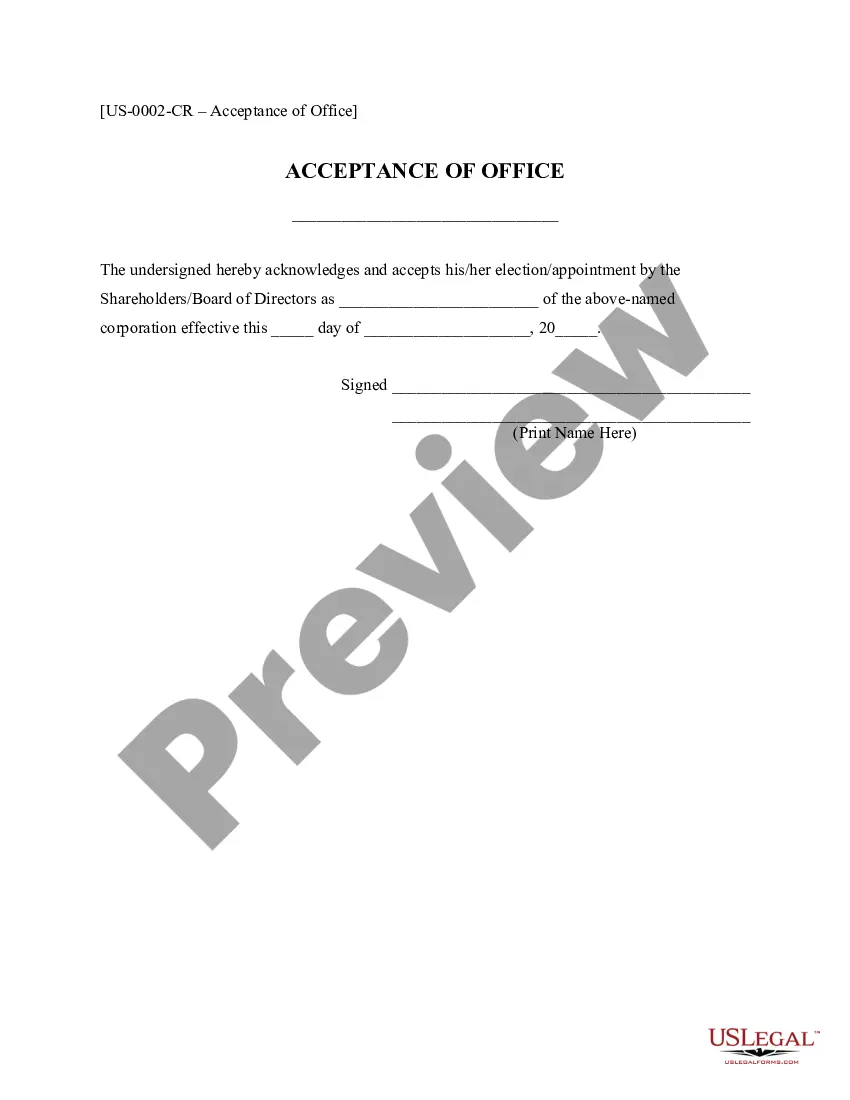

Get your form ready online
Our built-in tools help you complete, sign, share, and store your documents in one place.
Make edits, fill in missing information, and update formatting in US Legal Forms—just like you would in MS Word.
Download a copy, print it, send it by email, or mail it via USPS—whatever works best for your next step.
Sign and collect signatures with our SignNow integration. Send to multiple recipients, set reminders, and more. Go Premium to unlock E-Sign.
If this form requires notarization, complete it online through a secure video call—no need to meet a notary in person or wait for an appointment.
We protect your documents and personal data by following strict security and privacy standards.

Make edits, fill in missing information, and update formatting in US Legal Forms—just like you would in MS Word.

Download a copy, print it, send it by email, or mail it via USPS—whatever works best for your next step.

Sign and collect signatures with our SignNow integration. Send to multiple recipients, set reminders, and more. Go Premium to unlock E-Sign.

If this form requires notarization, complete it online through a secure video call—no need to meet a notary in person or wait for an appointment.

We protect your documents and personal data by following strict security and privacy standards.
Looking for another form?
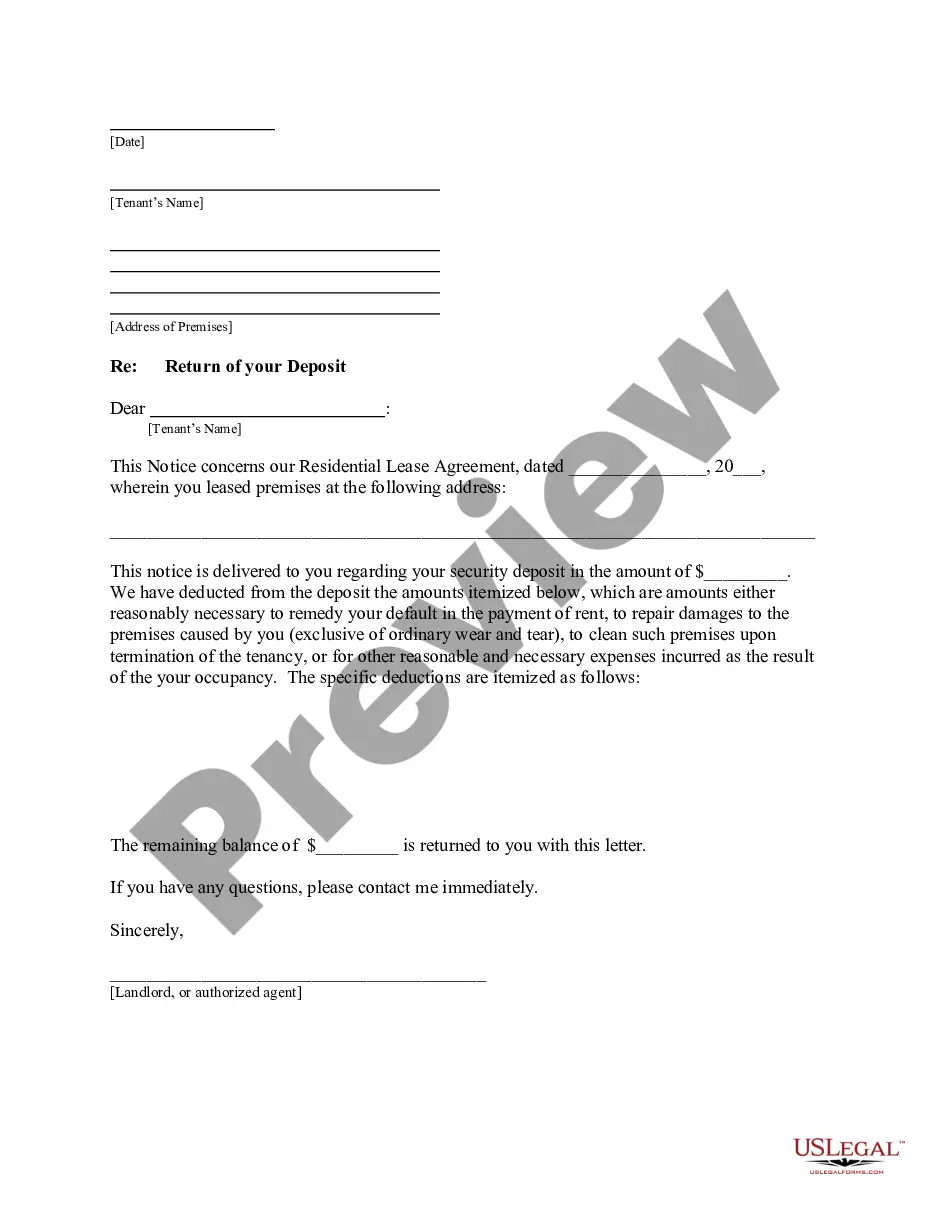




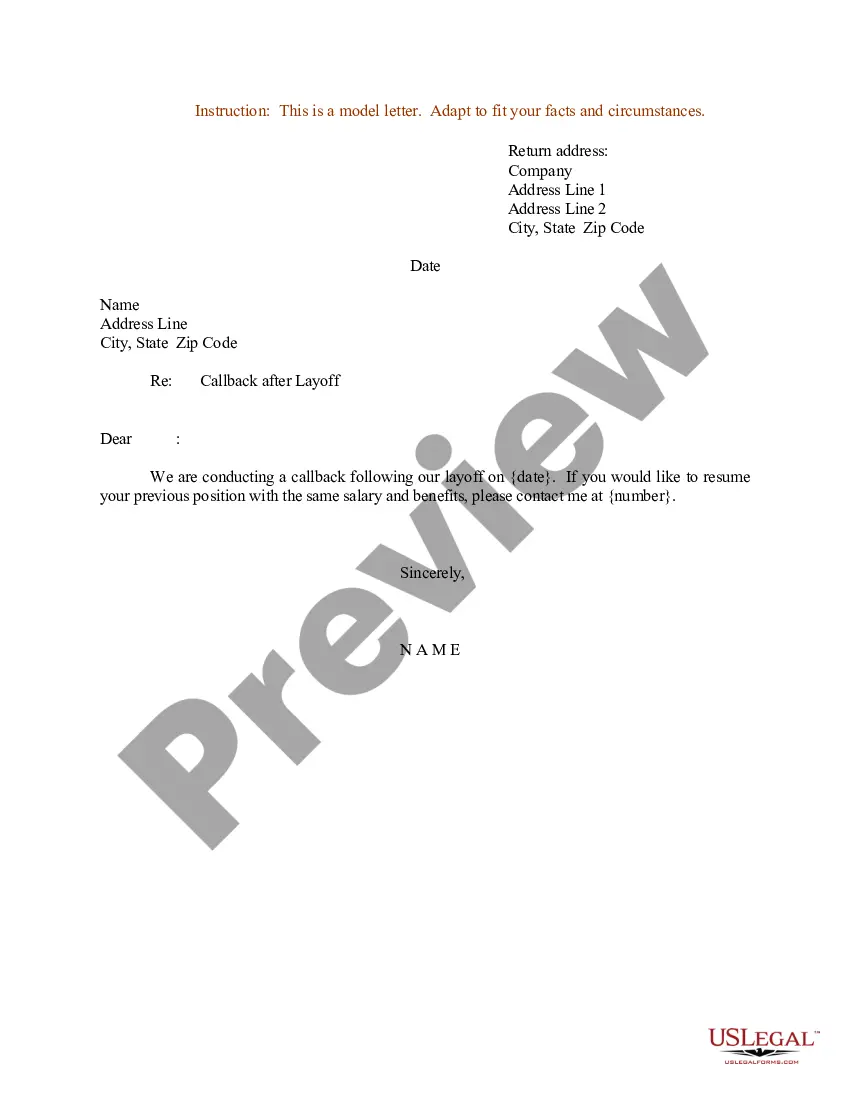

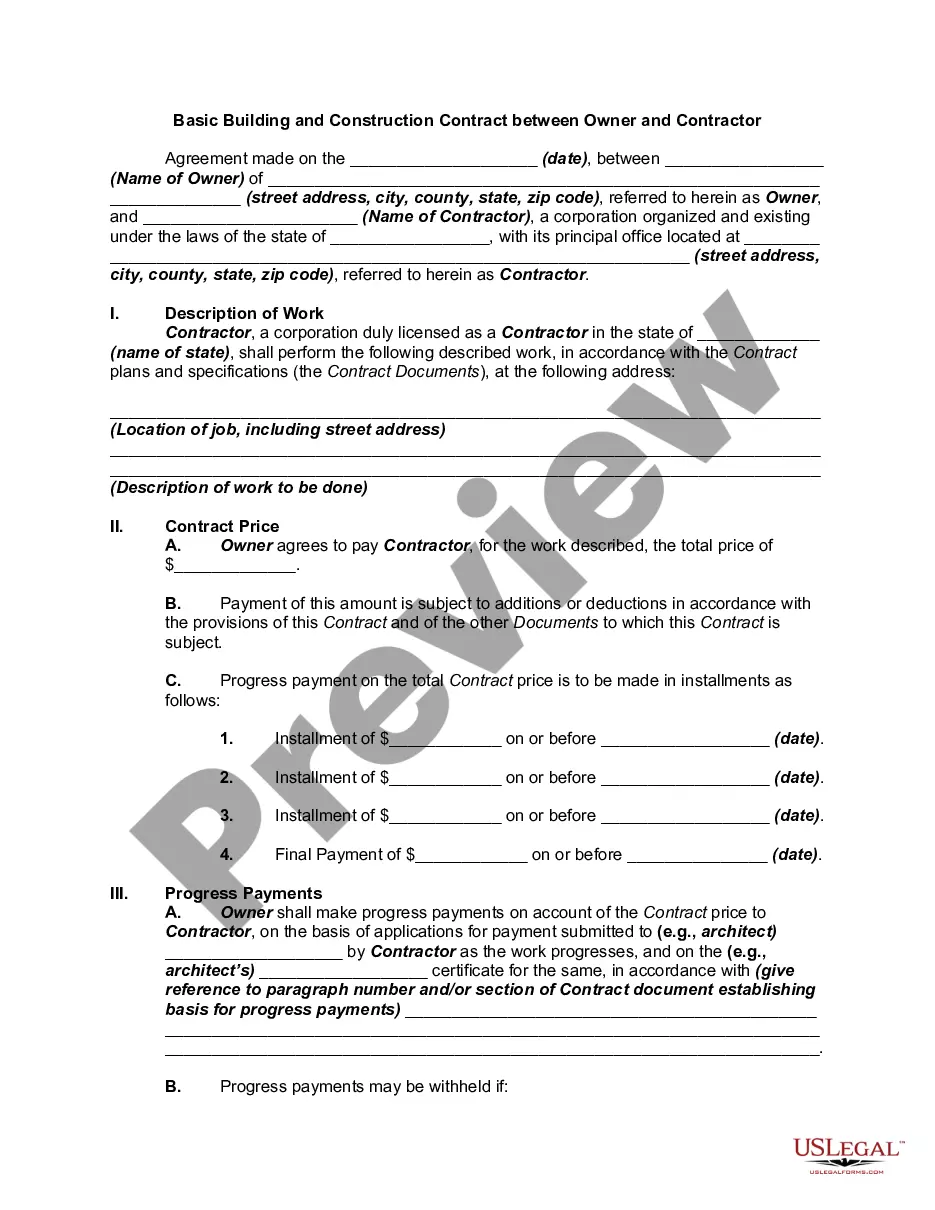

Form popularity
FAQ
A resolution for removing a director must be passed in the general meeting of shareholders after giving the director an opportunity of being heard. After passing the resolution, form DIR-12 must be filed with the ROC. After filing the form, the director's name would be struck off from the MCA website.
The statutory provision allowing any director to be removed from office by ordinary resolution of the shareholders is in Section 168 of the Companies Act 2006 (CA06). Importantly, the resolution must be proposed at a formal shareholders' meeting and cannot be passed as a written resolution.
Generally, a director may be removed by the shareholders if there is a "just and reasonable cause". In some cases, this may be due to misconduct, gross negligence or dereliction of the director's duties.
A director can be removed without their consent under certain conditions, usually, governed by a company's bylaws, shareholders' agreements, and local jurisdiction. Here are common methods for director removal: Shareholder Vote - In many jurisdictions, directors can be removed by a majority vote of the shareholders.
The statutory procedure allows any director to be removed by ordinary resolution of the shareholders in general meetings (i.e., the holders of more than 50% of the voting shares must agree). This right of removal by the shareholders cannot be excluded by the Articles or by any agreement.
How To Overthrow A Board Of Directors? Gather support from other shareholders. If you're going to make a successful bid to overthrow the board, you'll need the support of other shareholders. Draft a letter of complaint. Call a shareholders' meeting. Form a new board.
Under section 71 of the Act a director may be removed from office by ordinary resolution (a resolution adopted with support of more than 50% of the voting rights exercised on the resolution) of the shareholders in a general meeting, by the board of director's resolution, and by the Companies Tribunal in certain ...
Directors have obligations under company law. These include acting in the best interests of the company, its employees, and its creditors, especially when the company is facing financial difficulties. Ignoring these responsibilities and simply walking away without addressing the debts can lead to legal consequences.
If the director resigns; if the director becomes bankrupt or makes any compromise or arrangement with his or her creditors generally; if the director suffers from mental disorder; if the director is prohibited by law from being a director (which includes disqualification);
The statutory procedure allows any director to be removed by ordinary resolution of the shareholders in general meetings (i.e., the holders of more than 50% of the voting shares must agree). This right of removal by the shareholders cannot be excluded by the Articles or by any agreement.

