Deed Without Warranty Vs Quitclaim Deed In Pennsylvania
Description

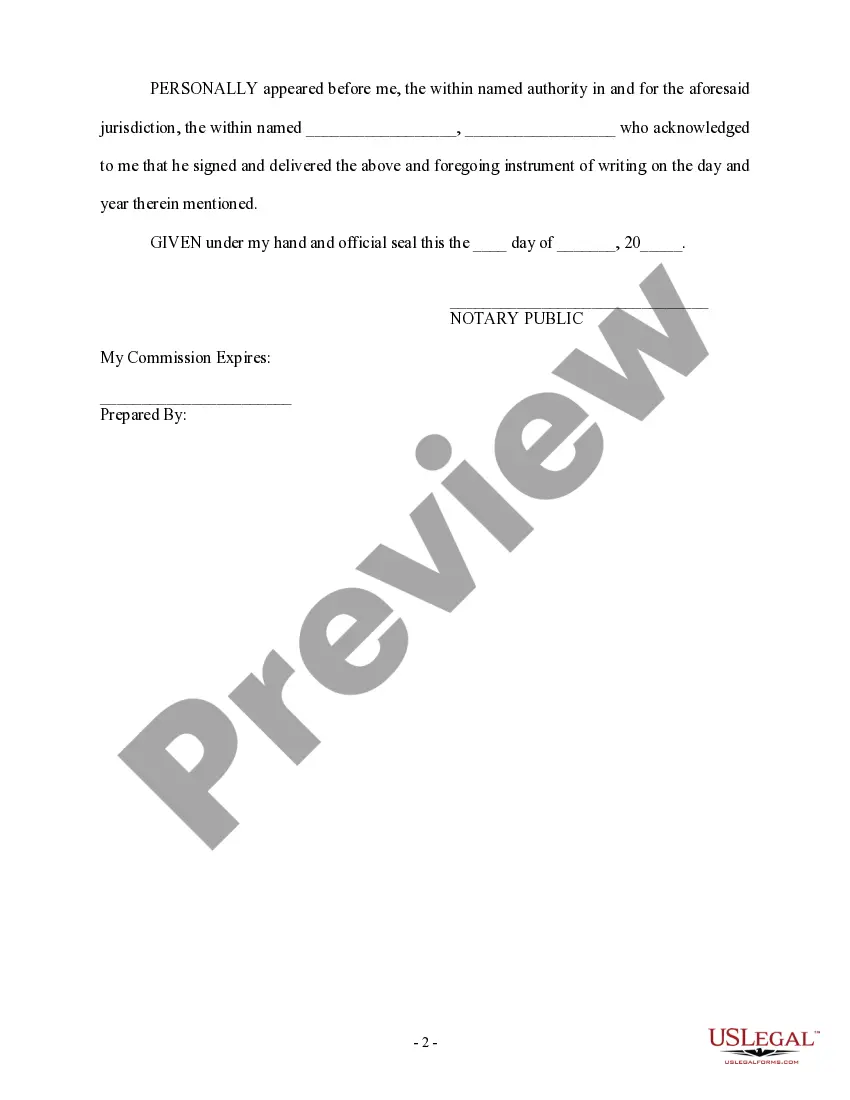
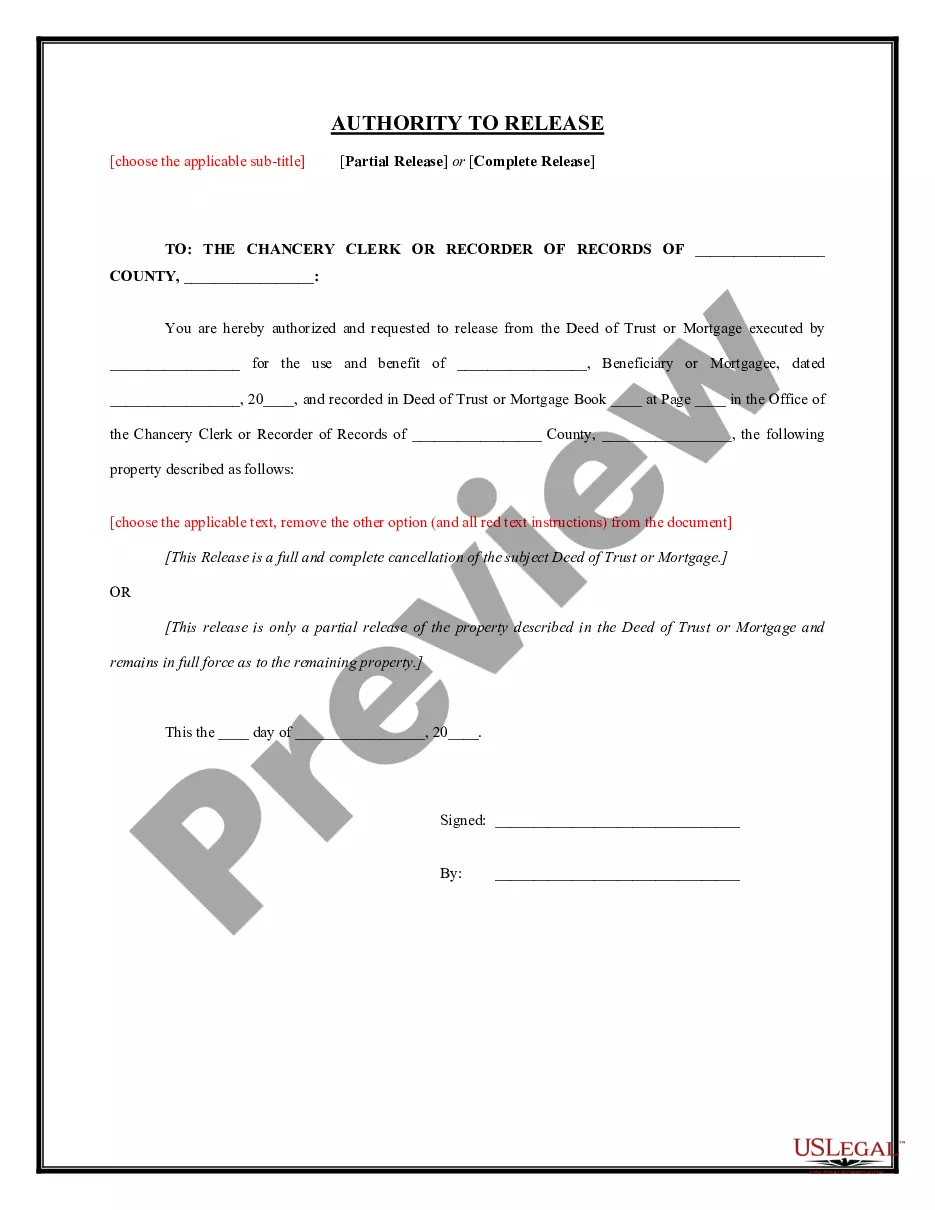
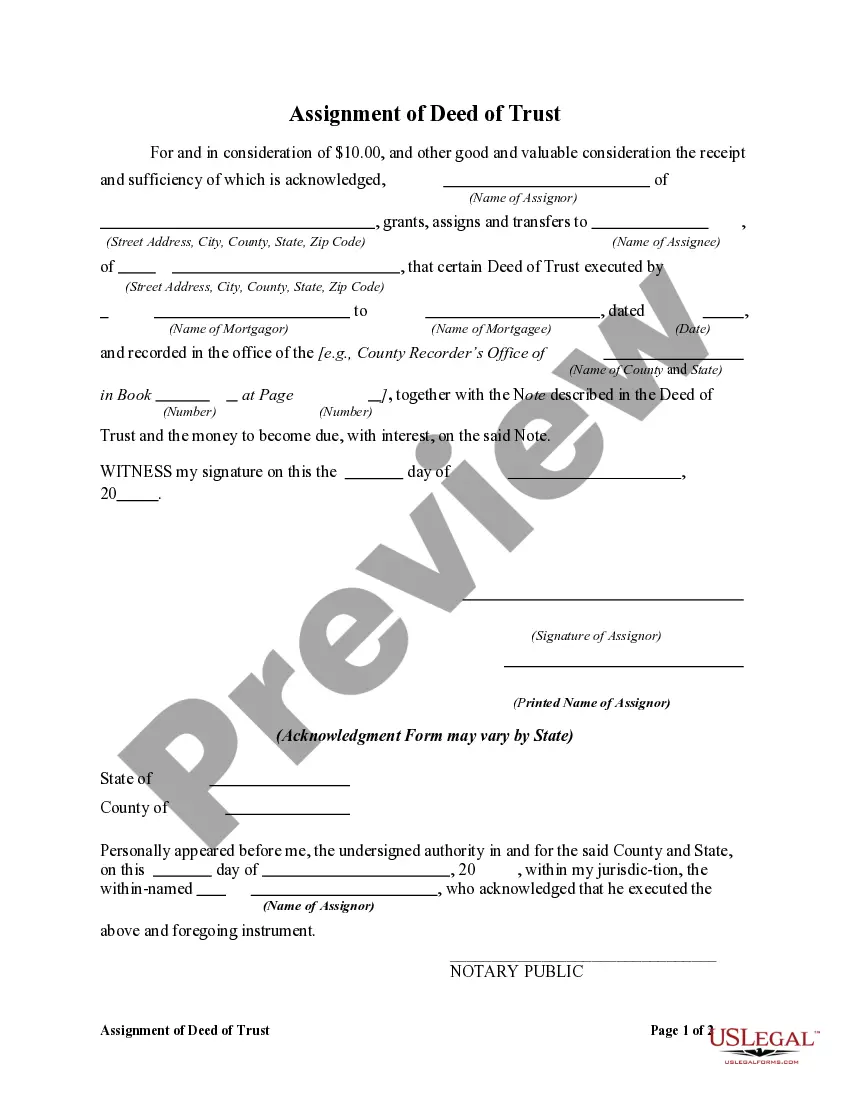
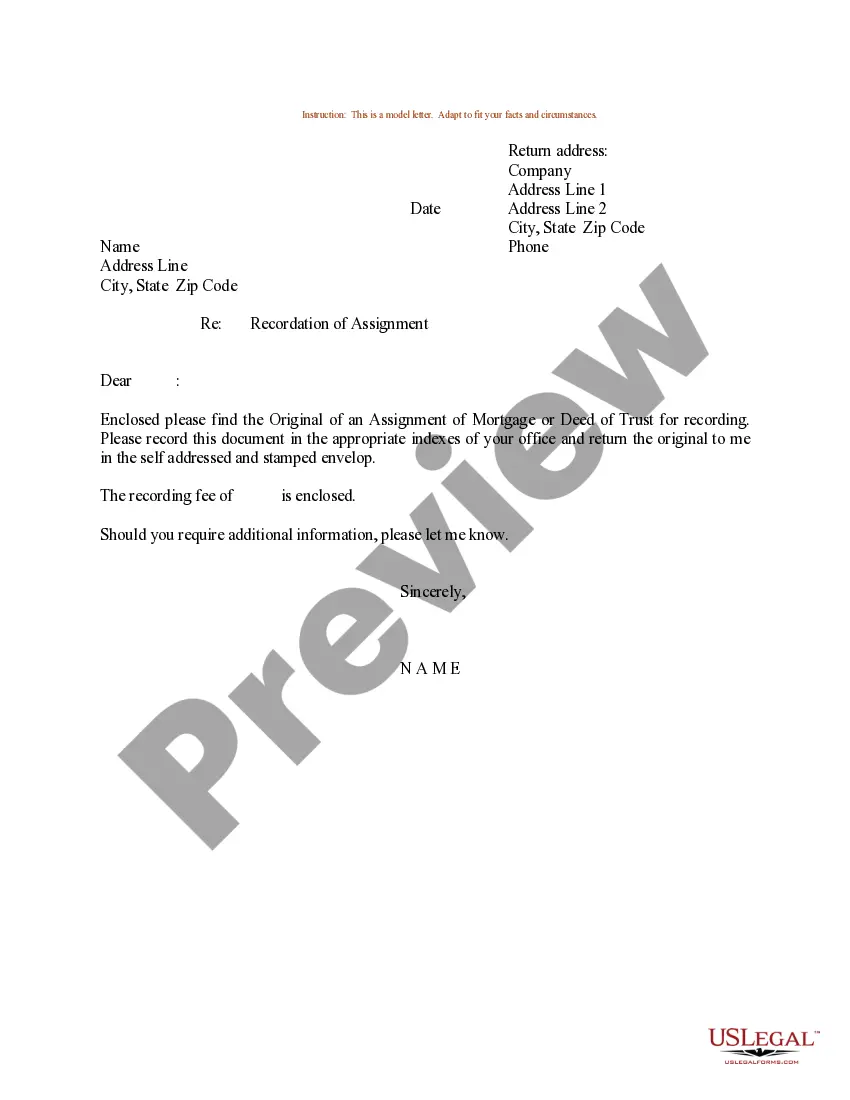

Get your form ready online
Our built-in tools help you complete, sign, share, and store your documents in one place.
Make edits, fill in missing information, and update formatting in US Legal Forms—just like you would in MS Word.
Download a copy, print it, send it by email, or mail it via USPS—whatever works best for your next step.
Sign and collect signatures with our SignNow integration. Send to multiple recipients, set reminders, and more. Go Premium to unlock E-Sign.
If this form requires notarization, complete it online through a secure video call—no need to meet a notary in person or wait for an appointment.
We protect your documents and personal data by following strict security and privacy standards.

Make edits, fill in missing information, and update formatting in US Legal Forms—just like you would in MS Word.

Download a copy, print it, send it by email, or mail it via USPS—whatever works best for your next step.

Sign and collect signatures with our SignNow integration. Send to multiple recipients, set reminders, and more. Go Premium to unlock E-Sign.

If this form requires notarization, complete it online through a secure video call—no need to meet a notary in person or wait for an appointment.

We protect your documents and personal data by following strict security and privacy standards.
Looking for another form?







Form popularity
FAQ
Since a quitclaim deed doesn't guarantee clear ownership, you might unknowingly transfer property with liens or other claims against it. This can lead to estate planning problems, especially if the grantor doesn't fully own the property or other family members dispute the transfer.
Common uses – Typically, quitclaim deeds are used for lower-risk transfers between related parties. In contrast, warranty deeds are used for real estate sales and high-value transactions involving unrelated grantees. Grantee risks – With a quitclaim deed, all risks remain with the grantee.
Quitclaim Deeds in PA can streamline the legal process, eliminating the need for a more extended, complicated title search. But remember, if you're dealing with unfamiliar parties or the property's ownership history is unclear, the quitclaim deed's lack of protections can be a significant drawback.
Long story short: If you are the buyer, then the warranty deed is more favorable to you because it provides a more solid legal protection. If you're the seller, the quitclaim deed is more favorable to you.
As with any kind of deed transfer, a quitclaim deed is a legal instrument used to transfer real property from a grantor to a grantee. Quitclaim deeds include no title of covenant and are therefore less comprehensive, providing the least amount of protection of all deed transfers.
The deed must meet the format and content requirements in Pennsylvania law. It should specify the grantor, grantee, and property details. The property description must be legally sufficient - a real estate lawyer in Philadelphia can research the prior deeds and draft an accurate description.
No such deed which shall remain unrecorded as aforesaid, for the said term of two years, shall be permitted to be given in evidence in any of the courts of this Commonwealth, unless proven or acknowledged ing to the act to which this is a supplement, or unless proven in the manner in which other instruments of ...
Pre-Registration of Deeds was rescinded as of December 9, 2008; however, some boroughs and townships still require registration of deeds after recording. It is the submitter's responsibility to take the deed to the municipality to be registered after it is returned to them from the Recorder of Deeds Office.
It's the type of deed that offers the most buyer protection. When committing to a general warranty deed, the seller is promising there are no liens against the property, and if there were, the seller would compensate the buyer for those claims.
This is because a quitclaim deed offers the lowest level of protection. When writing a quitclaim deed, the grantor isn't offering any protection or warranty to the grantee.
