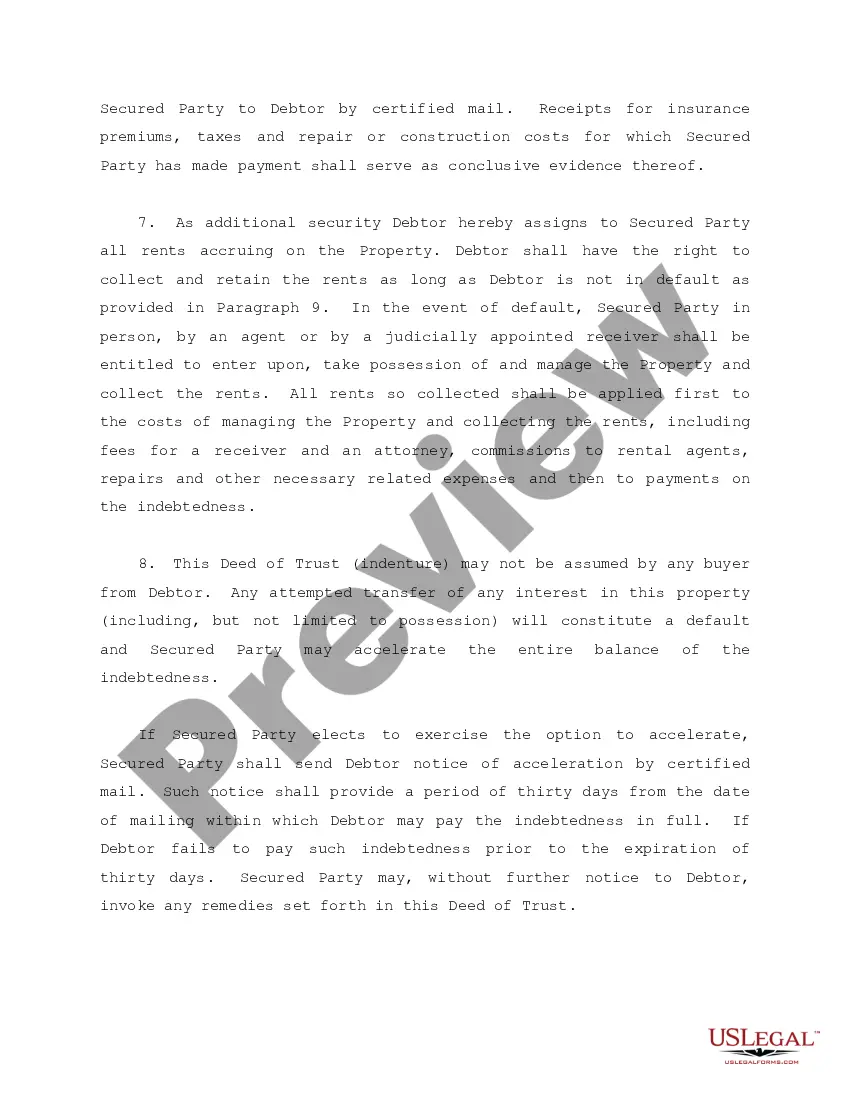
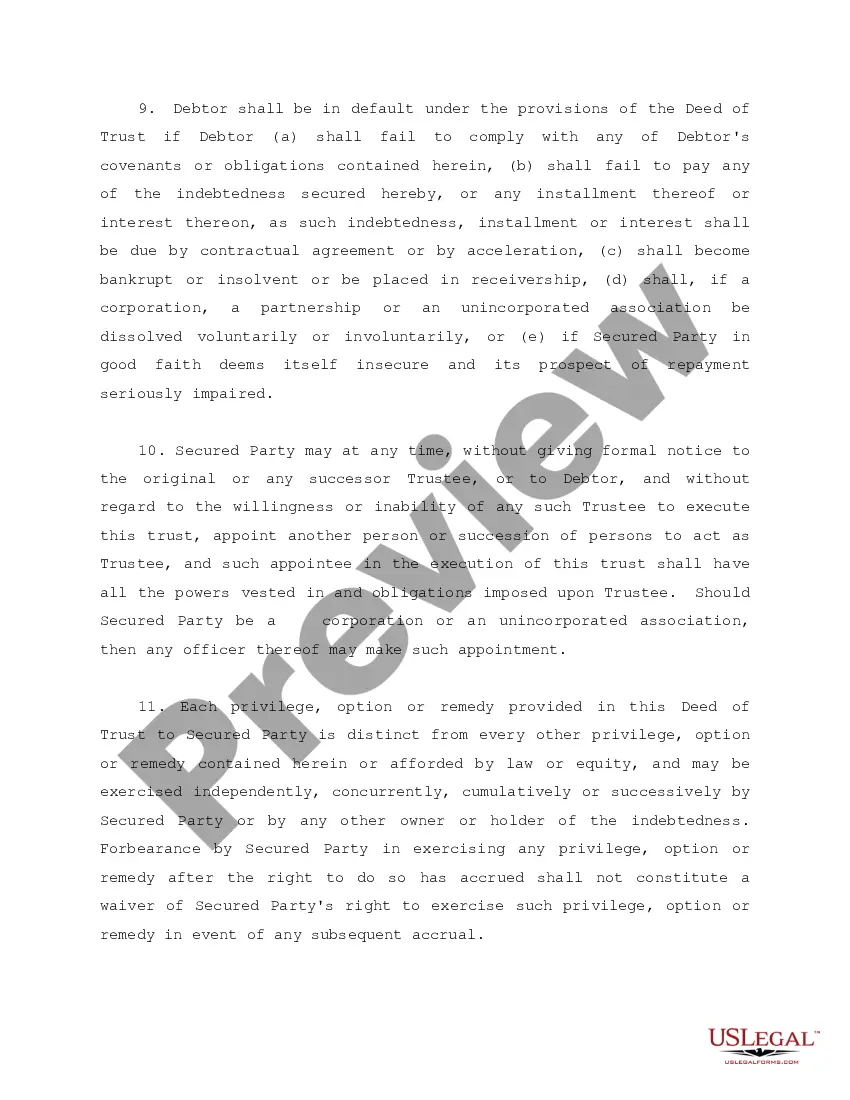
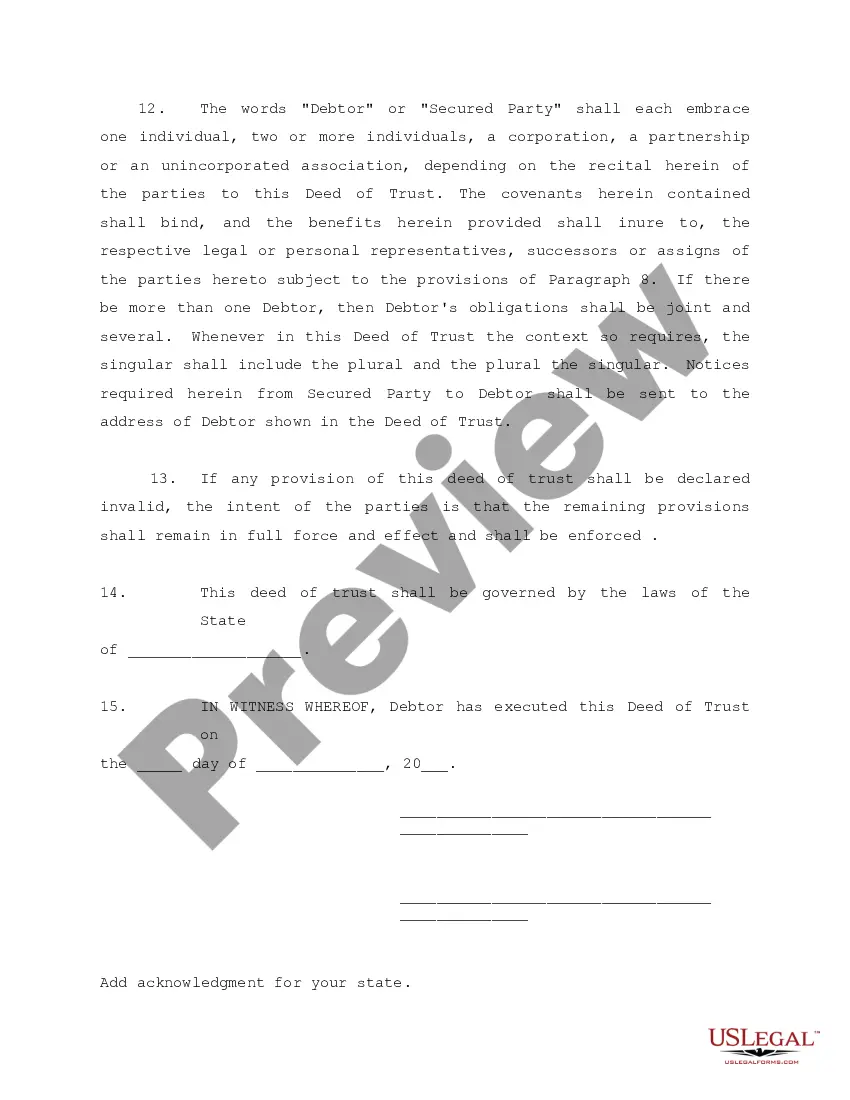
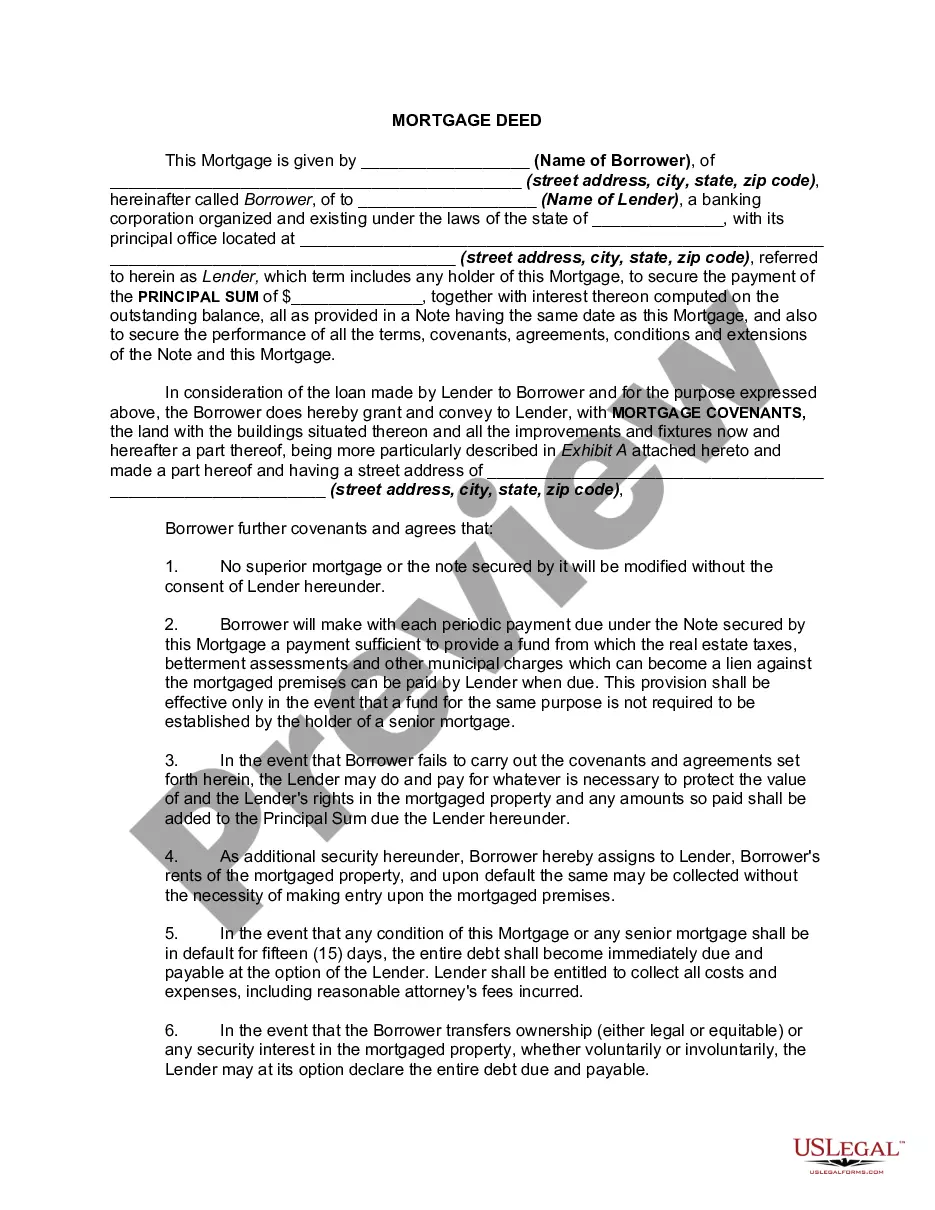
Secured Debt Any For Auto Loan In Virginia
Description

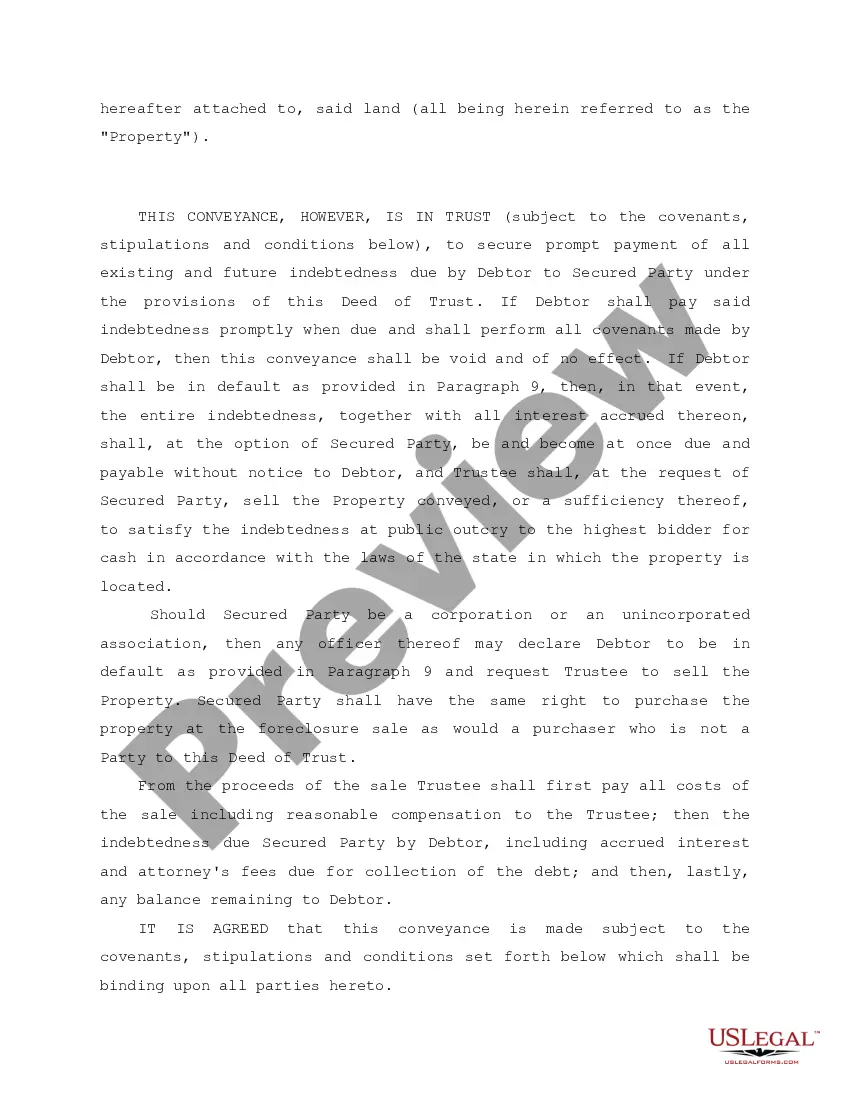
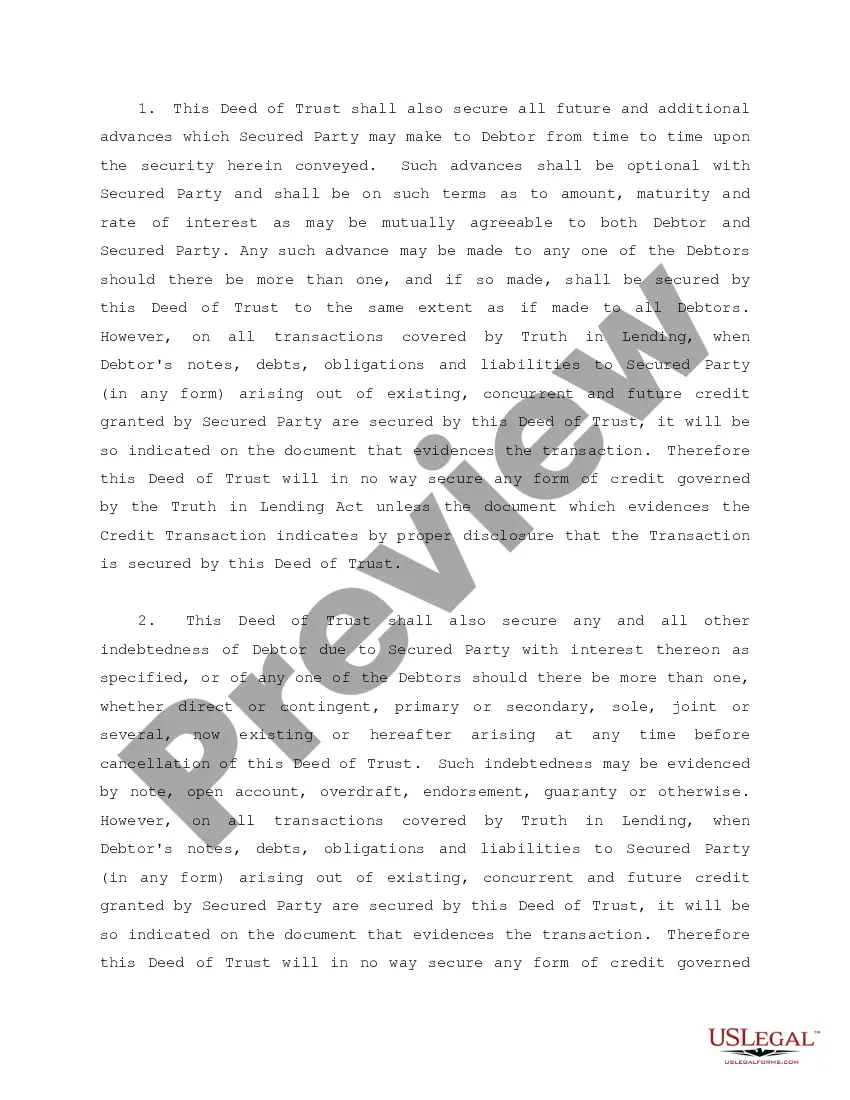
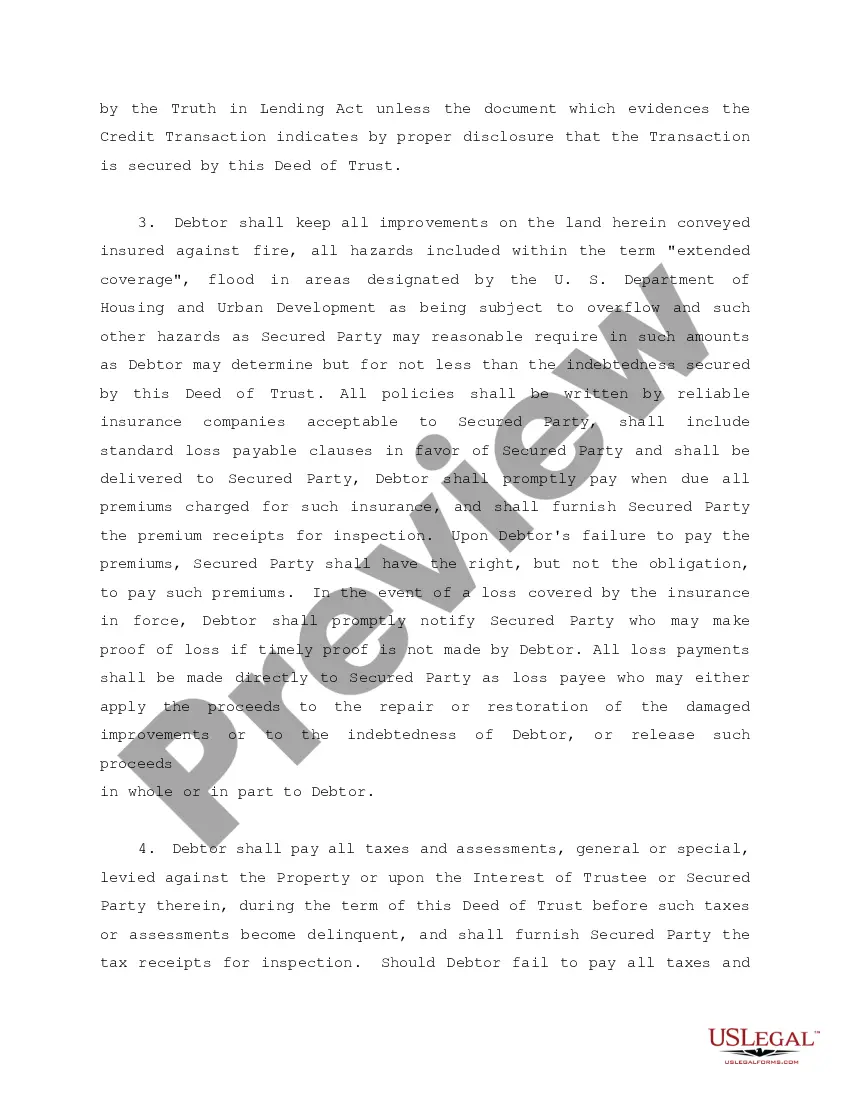
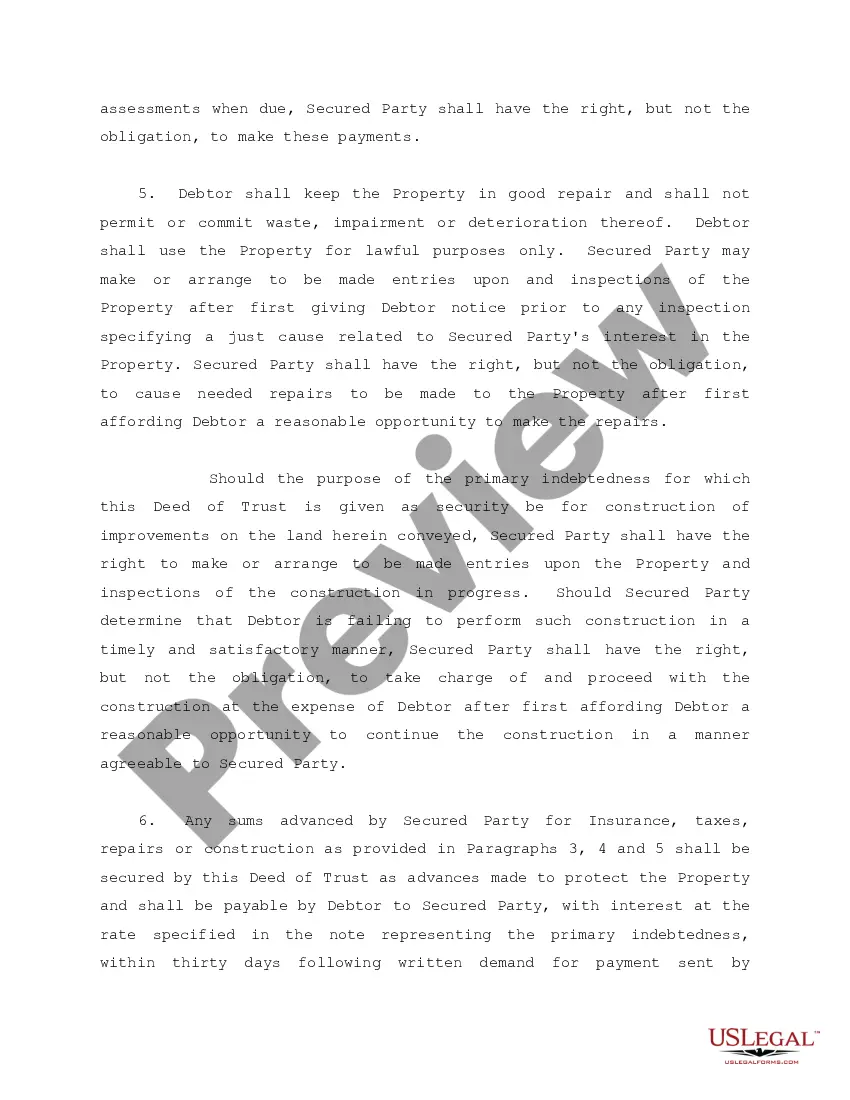

Get your form ready online
Our built-in tools help you complete, sign, share, and store your documents in one place.
Make edits, fill in missing information, and update formatting in US Legal Forms—just like you would in MS Word.
Download a copy, print it, send it by email, or mail it via USPS—whatever works best for your next step.
Sign and collect signatures with our SignNow integration. Send to multiple recipients, set reminders, and more. Go Premium to unlock E-Sign.
If this form requires notarization, complete it online through a secure video call—no need to meet a notary in person or wait for an appointment.
We protect your documents and personal data by following strict security and privacy standards.

Make edits, fill in missing information, and update formatting in US Legal Forms—just like you would in MS Word.

Download a copy, print it, send it by email, or mail it via USPS—whatever works best for your next step.

Sign and collect signatures with our SignNow integration. Send to multiple recipients, set reminders, and more. Go Premium to unlock E-Sign.

If this form requires notarization, complete it online through a secure video call—no need to meet a notary in person or wait for an appointment.

We protect your documents and personal data by following strict security and privacy standards.
Looking for another form?









Form popularity
FAQ
Secured debt is a creditor 's claim that is secured by a lien on the debtor 's property . This lien can be established either by the debtor's agreement or involuntarily through a court judgment or tax obligation . Some examples include mortgages , equity lines of credit , and vehicle and equipment loans .
However, the rate for consumer loans is capped at 12 percent unless they are “supervised loans,” which includes credit card debt, made by a “supervised lender.” These loans are capped at 36 percent.
Virginia mortgage and refinance rates today (APR) ProductInterest RateAPR 30-year fixed-rate 6.777% 6.850% 20-year fixed-rate 6.599% 6.690% 15-year fixed-rate 5.852% 5.961% 10-year fixed-rate 5.813% 5.977%4 more rows
Are car title loans legal in Virginia? The business of car title lending is legal in Virginia.
If you file Chapter 7 and are current on payments, you can keep the car if your equity is protected under state law. If your equity isn't protected and/or you're behind on payments, you can lose the car.
By filing for Chapter 7 or Chapter 13 bankruptcy, an automatic stay is put in place. Once this has been issued to creditors, they are required to cease all collection action against you. That means they cannot repossess your vehicle until further notice.
It's not considered a debt under the bankruptcy code when you file bankruptcy. If you have a car lease and file Chapter 7,you can continue with the lease, even with equity in the lease, if your payments are current.
Chapter 7 Bankruptcy In Virginia, there are exemptions that protect certain assets from liquidation, including a vehicle. However, the value of the exemption may vary, and if your car exceeds the exemption amount, it may be sold to repay your creditors.
Not Paying the Bill on Time Every Month Making on-time payments each month is key to credit improvement – which is the main purpose of using a secured credit card. Late payments, on the other hand, will have a negative impact on your credit score. Plus, you may owe costly late fees.
