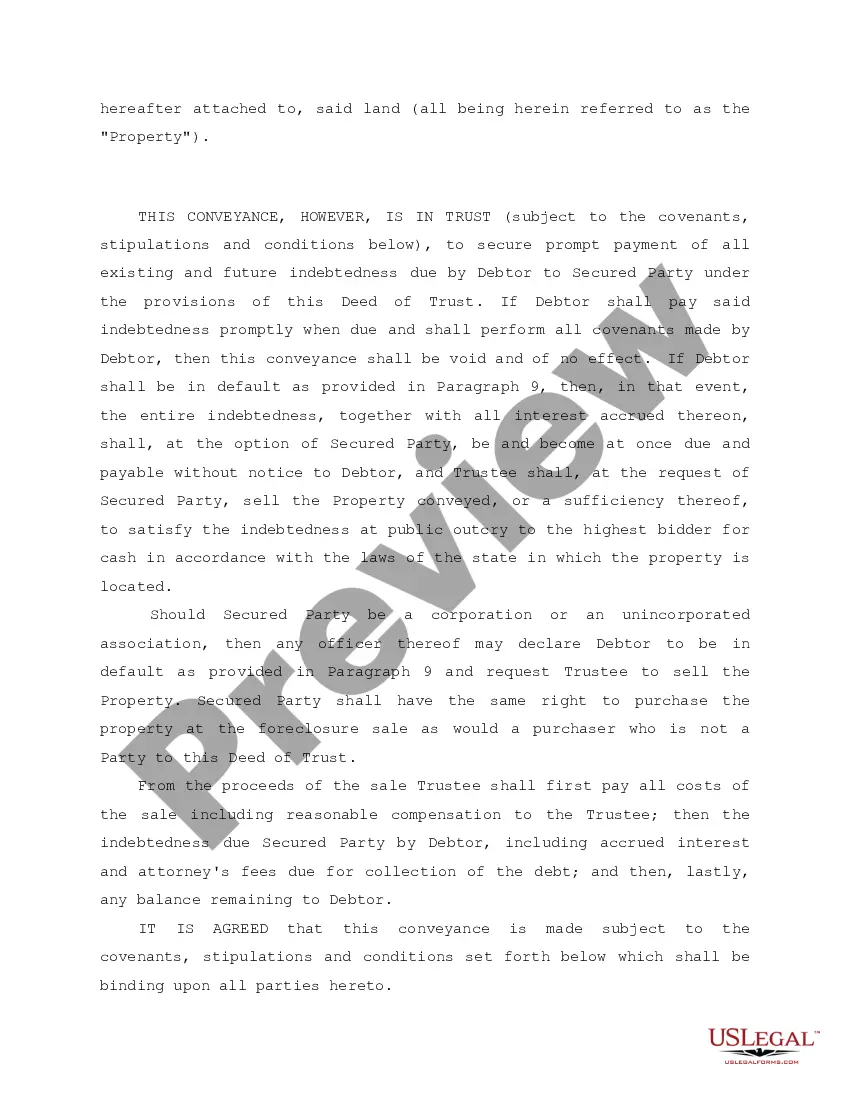
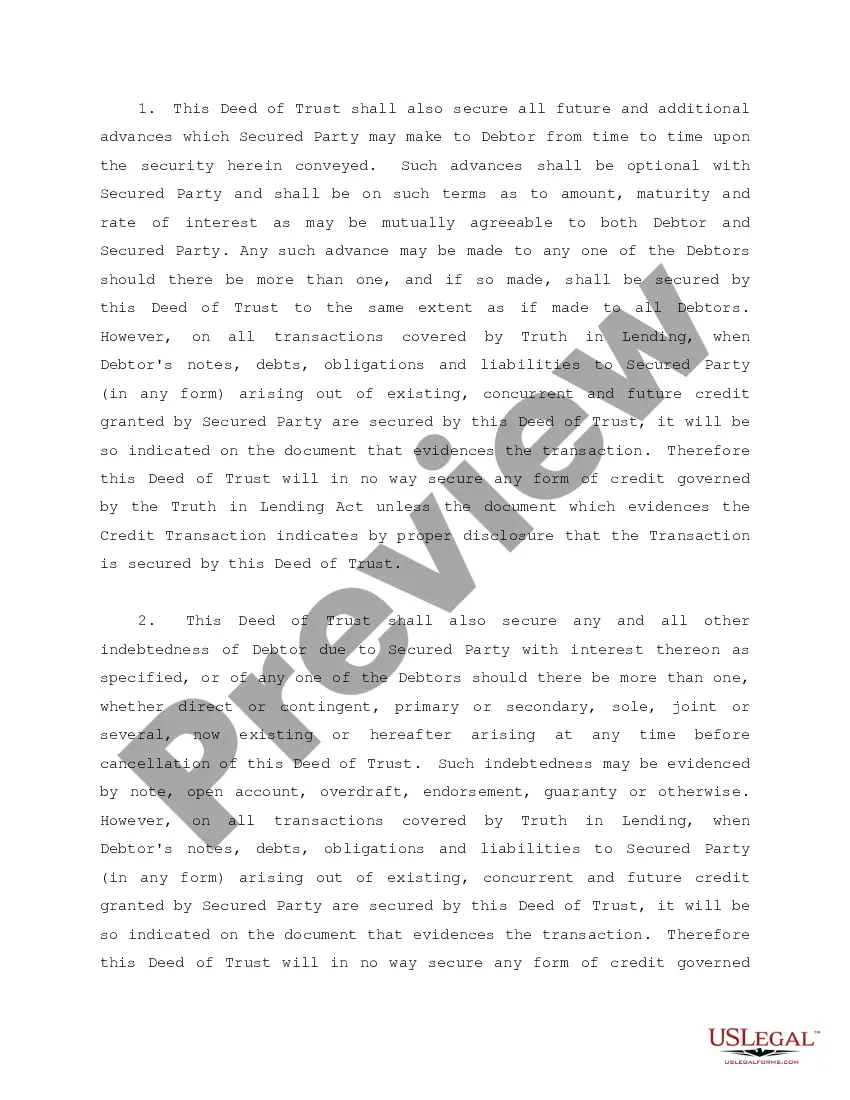
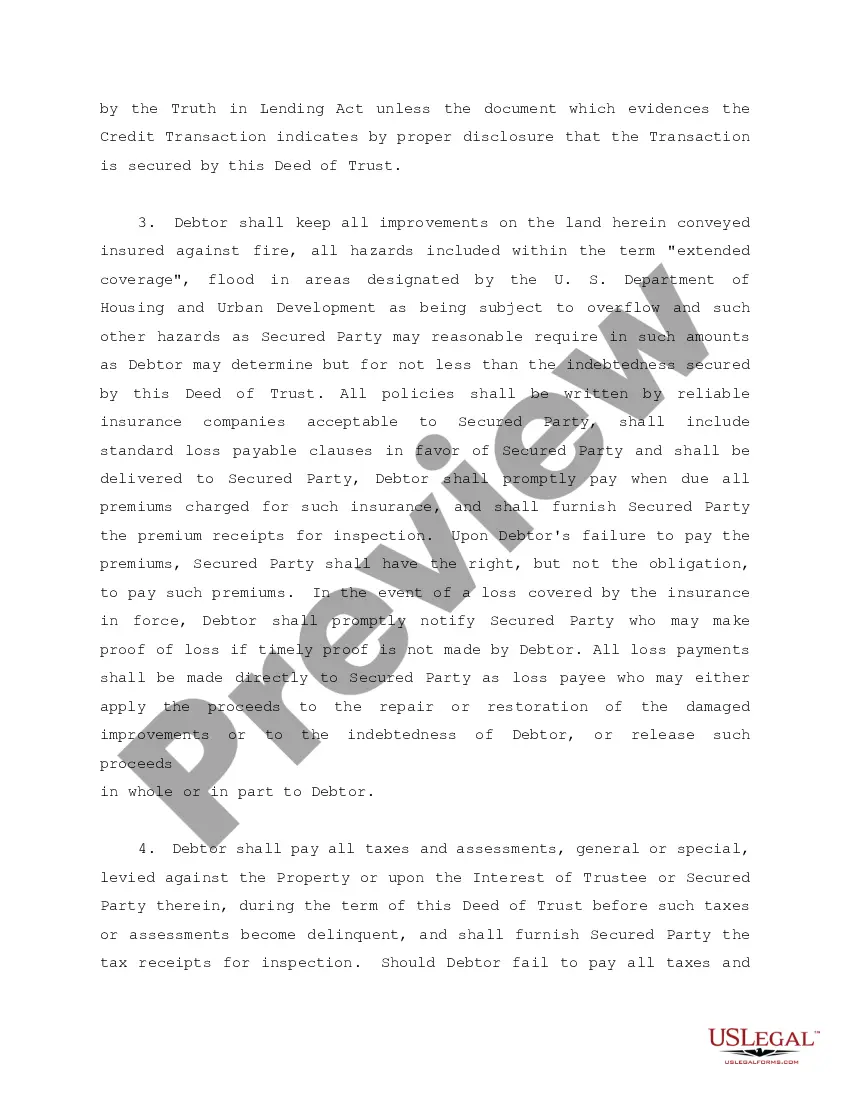
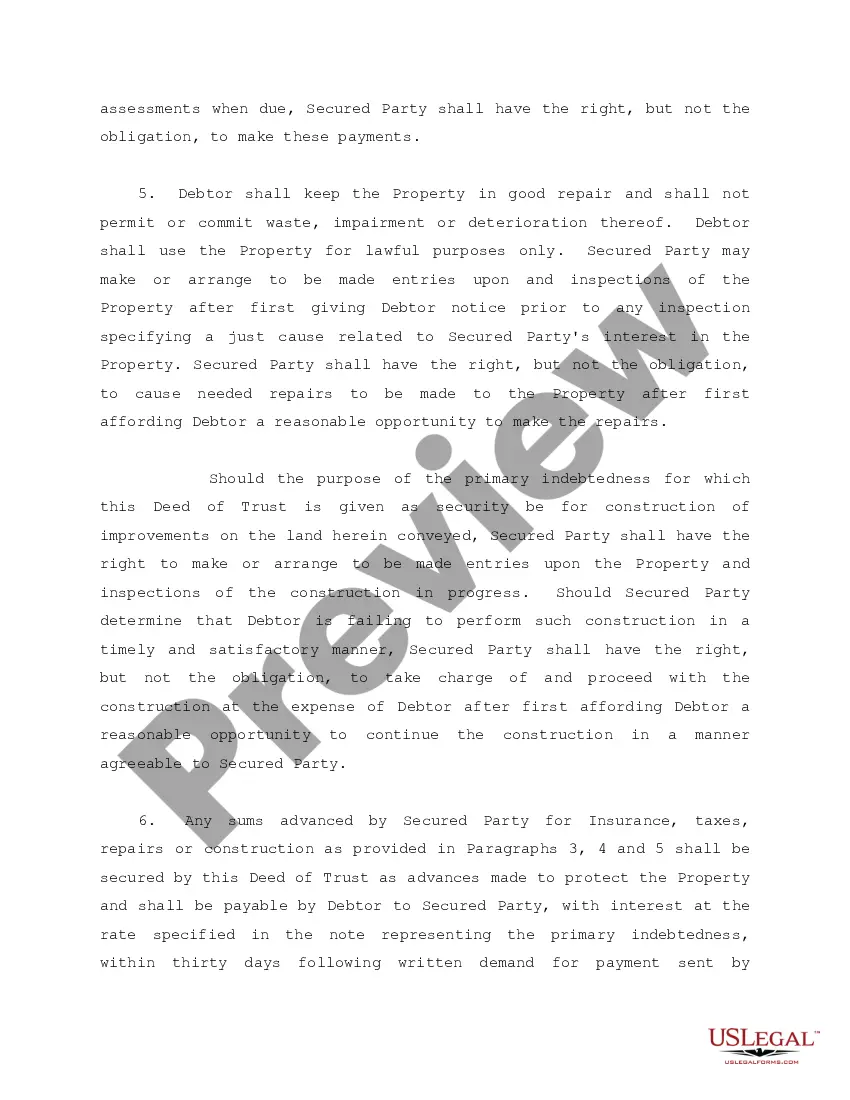
Secured Debt Shall For A 6th Grader In Ohio
Description



Get your form ready online
Our built-in tools help you complete, sign, share, and store your documents in one place.
Make edits, fill in missing information, and update formatting in US Legal Forms—just like you would in MS Word.
Download a copy, print it, send it by email, or mail it via USPS—whatever works best for your next step.
Sign and collect signatures with our SignNow integration. Send to multiple recipients, set reminders, and more. Go Premium to unlock E-Sign.
If this form requires notarization, complete it online through a secure video call—no need to meet a notary in person or wait for an appointment.
We protect your documents and personal data by following strict security and privacy standards.

Make edits, fill in missing information, and update formatting in US Legal Forms—just like you would in MS Word.

Download a copy, print it, send it by email, or mail it via USPS—whatever works best for your next step.

Sign and collect signatures with our SignNow integration. Send to multiple recipients, set reminders, and more. Go Premium to unlock E-Sign.

If this form requires notarization, complete it online through a secure video call—no need to meet a notary in person or wait for an appointment.

We protect your documents and personal data by following strict security and privacy standards.
Looking for another form?









Form popularity
FAQ
Its expiration means that there are again two separate limits for chapter 13 cases. Now, to file a chapter 13 bankruptcy case, a debtor must have no more than $465,275 in unsecured debt, and no more than $1,395,875 in secured debt (again, counting only noncontingent, liquidated debt in each instance).
Types of debt that cannot be discharged in bankruptcy include alimony, child support, and certain unpaid taxes.
Both secured and unsecured debt can be discharged in Chapter 13 bankruptcies, but non-dischargeable unsecured debts cannot be discharged in California.
Secured debt is backed by collateral, such as a house in the case of a mortgage, reducing the lender's risk. Unsecured debt, like most credit card debt, does not have collateral and often carries higher interest rates.
Examples of unsecured debt include credit cards, medical bills, utility bills, and other instances in which credit was given without any collateral requirement.
In most states, the statute of limitations for collecting on credit card debt is between three and 10 years, but a few states allow for longer periods, extending up to 15 years.
Information you need for an online Proof of Debt form Check the debt is provable. check the debt amounts being claimed are correct (including any interest up to the date of bankruptcy) calculate interest to the date of bankruptcy. attach evidence of your claim, such as:
Particulars of how and when the debt was incurred. Particulars of any security held, the date it was given and the value the creditor puts upon it. Details of any reservation (i.e. retention) of title in respect of goods to which the debt refers.
How To Fill In A Proof Of Debt Form Box 1 – This is your business name. Box 2 – This is your business address. Box 3 – This is the total amount you are owed. Box 4 – List any supporting documents you have. Box 5 – List any un-capitalised interest on the claim.
