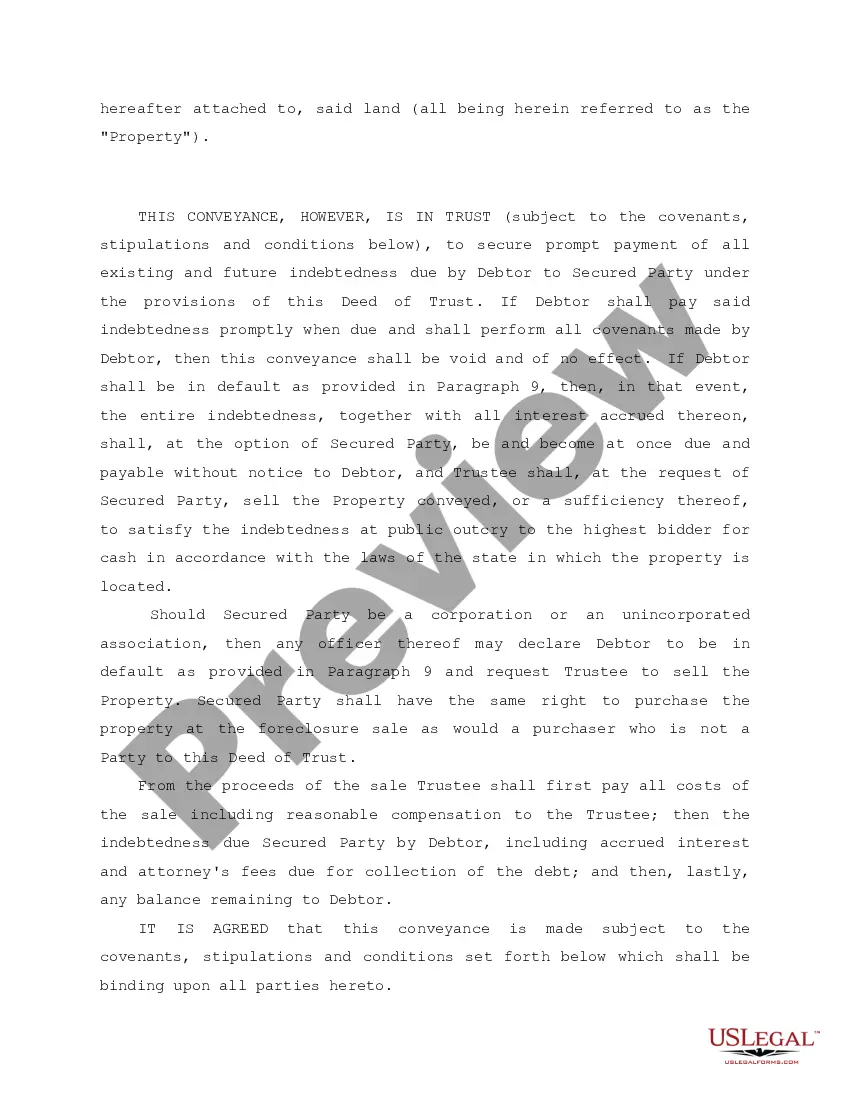
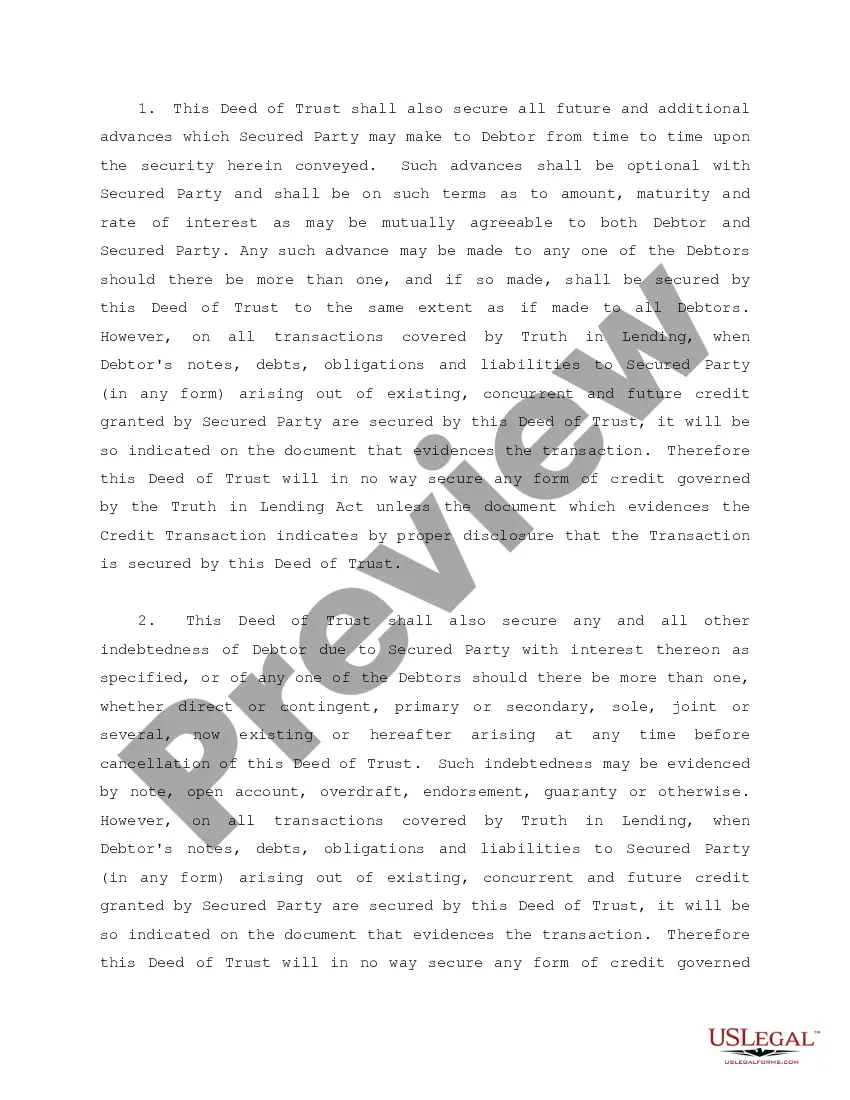
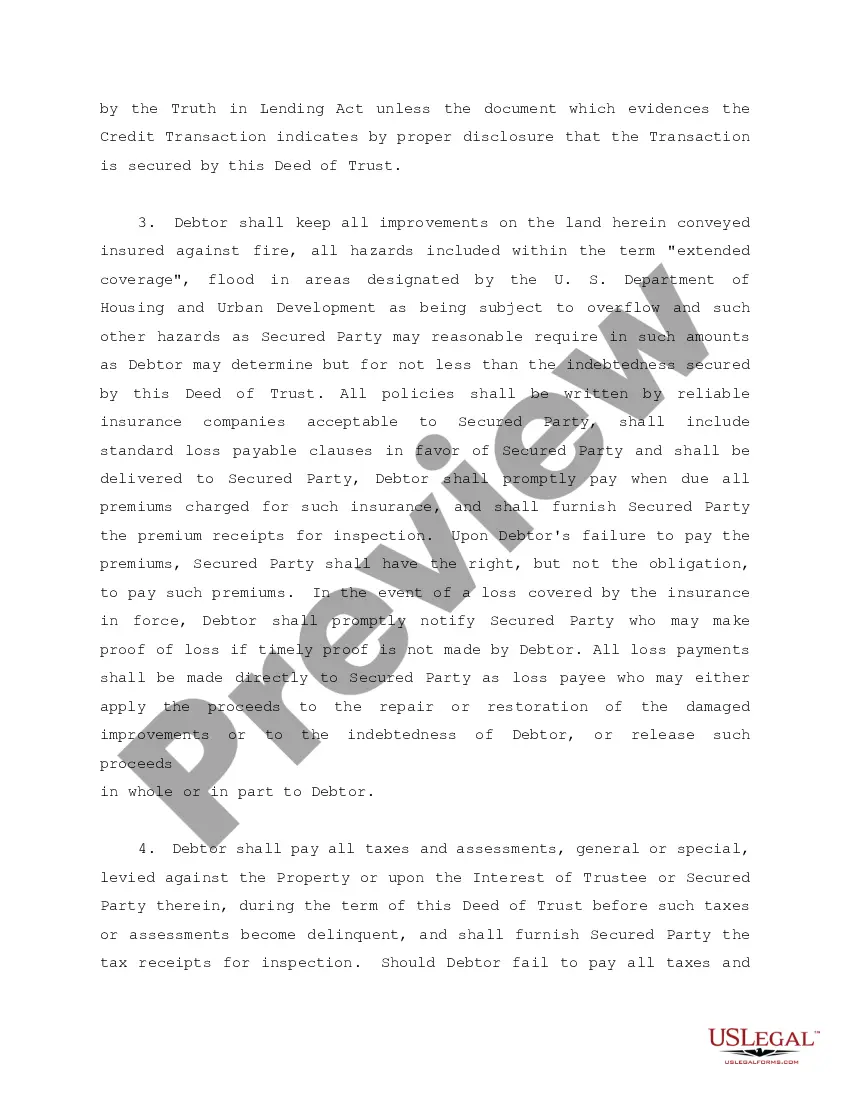
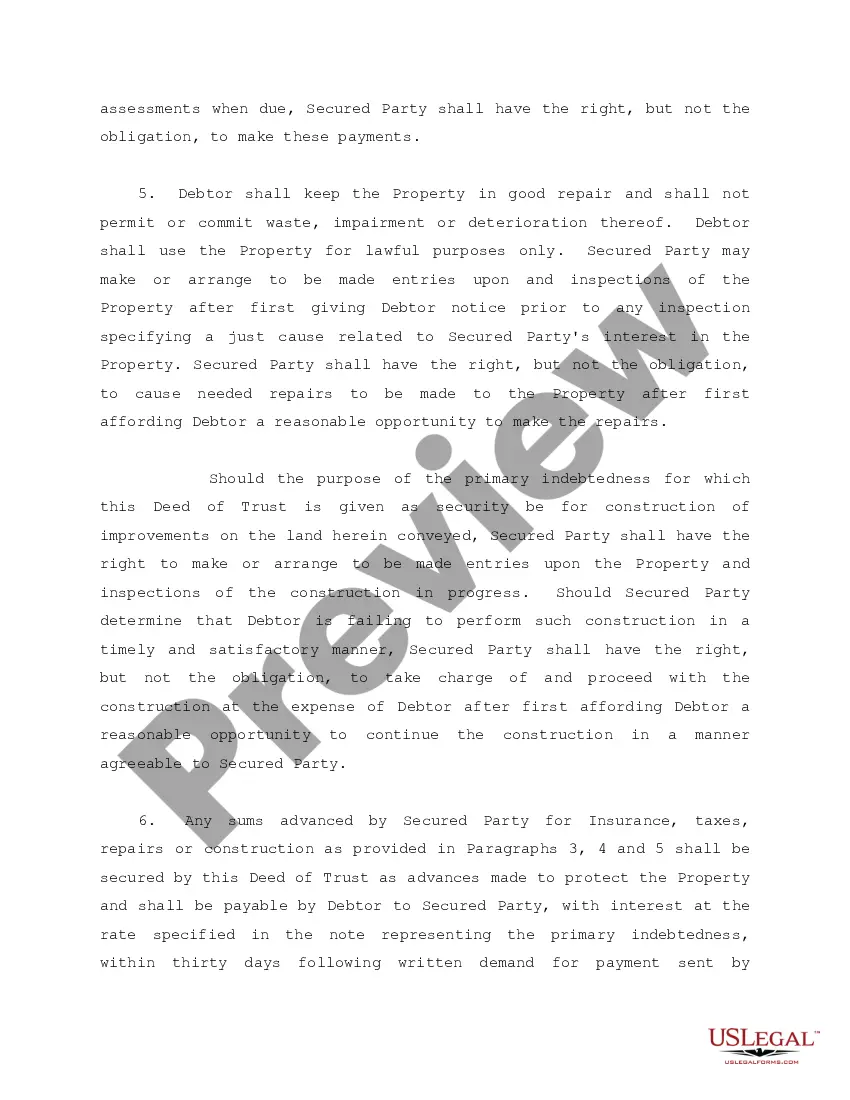
Secured Debt Any For Auto Loan In Ohio
Description


Get your form ready online
Our built-in tools help you complete, sign, share, and store your documents in one place.
Make edits, fill in missing information, and update formatting in US Legal Forms—just like you would in MS Word.
Download a copy, print it, send it by email, or mail it via USPS—whatever works best for your next step.
Sign and collect signatures with our SignNow integration. Send to multiple recipients, set reminders, and more. Go Premium to unlock E-Sign.
If this form requires notarization, complete it online through a secure video call—no need to meet a notary in person or wait for an appointment.
We protect your documents and personal data by following strict security and privacy standards.

Make edits, fill in missing information, and update formatting in US Legal Forms—just like you would in MS Word.

Download a copy, print it, send it by email, or mail it via USPS—whatever works best for your next step.

Sign and collect signatures with our SignNow integration. Send to multiple recipients, set reminders, and more. Go Premium to unlock E-Sign.

If this form requires notarization, complete it online through a secure video call—no need to meet a notary in person or wait for an appointment.

We protect your documents and personal data by following strict security and privacy standards.
Looking for another form?
Form popularity
FAQ
Credit card debt is by far the most common type of unsecured debt. If you fail to make credit card payments, the card issuer cannot repossess the items you purchased.
Why is a Mortgage Secured Debt? A mortgage is what's called a secured debt because it is backed up by collateral. In this case, the collateral is your home.
You can claim a motor vehicle, homestead, or wildcard exemption to keep your car and home equity. On the other hand, if these exemptions are not enough to protect your equity, your property will be sold during bankruptcy.
In Ohio, the homestead exemption for filing bankruptcy allows you to protect a certain amount of equity in your primary residence. As of 2021, the exemption amount is $145,425. This means that if you file for bankruptcy in Ohio, you can keep up to $145,425 of equity in your home, and it will be safe from creditors.
You can only use the Ohio motor vehicle exemption for one car with equity at or below $3,675, to keep your vehicle. However, if you're filing Chapter 7 bankruptcy in Akron or Cleveland, Ohio with a spouse, they can use the Ohio motor vehicle exemption (valued at $3,675) on one other car if it's in their name.
Old (Time-Barred) Debts In California, there is generally a four-year limit for filing a lawsuit to collect a debt based on a written agreement.
Most states or jurisdictions have statutes of limitations between three and six years for debts, but some may be longer. This may also vary depending, for instance, on the: Type of debt.