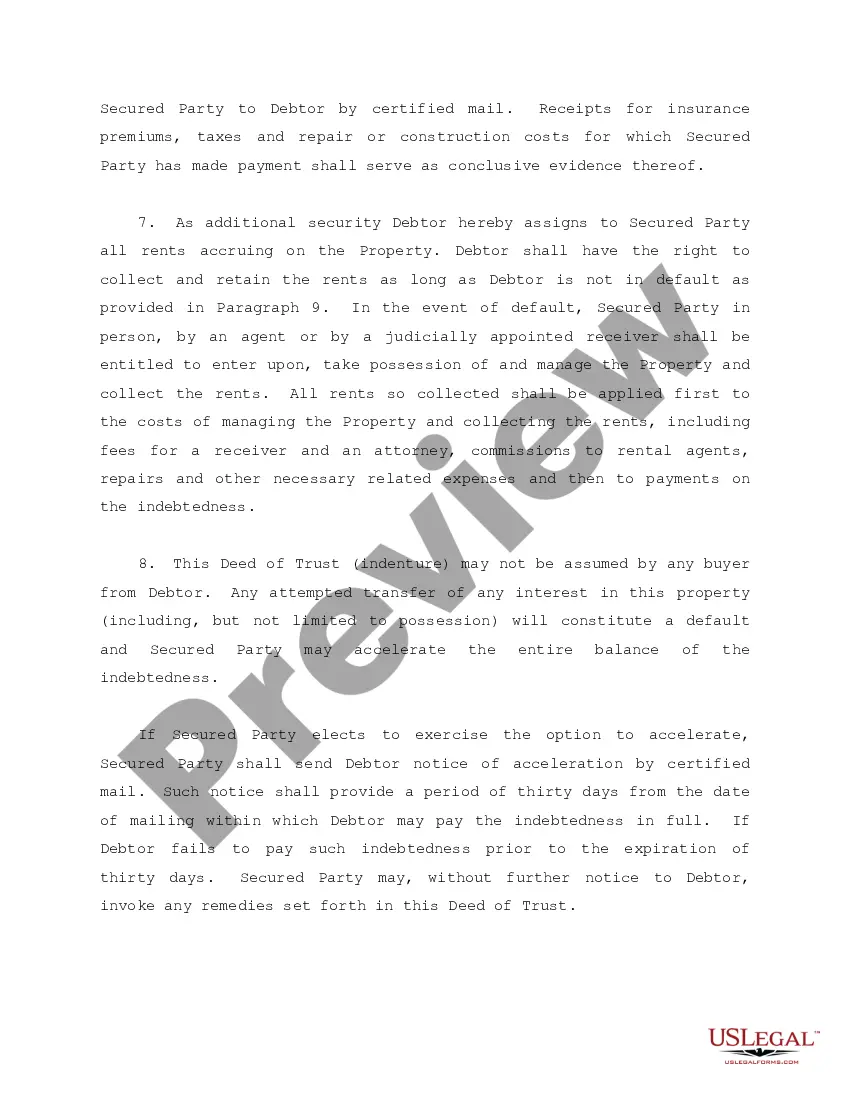
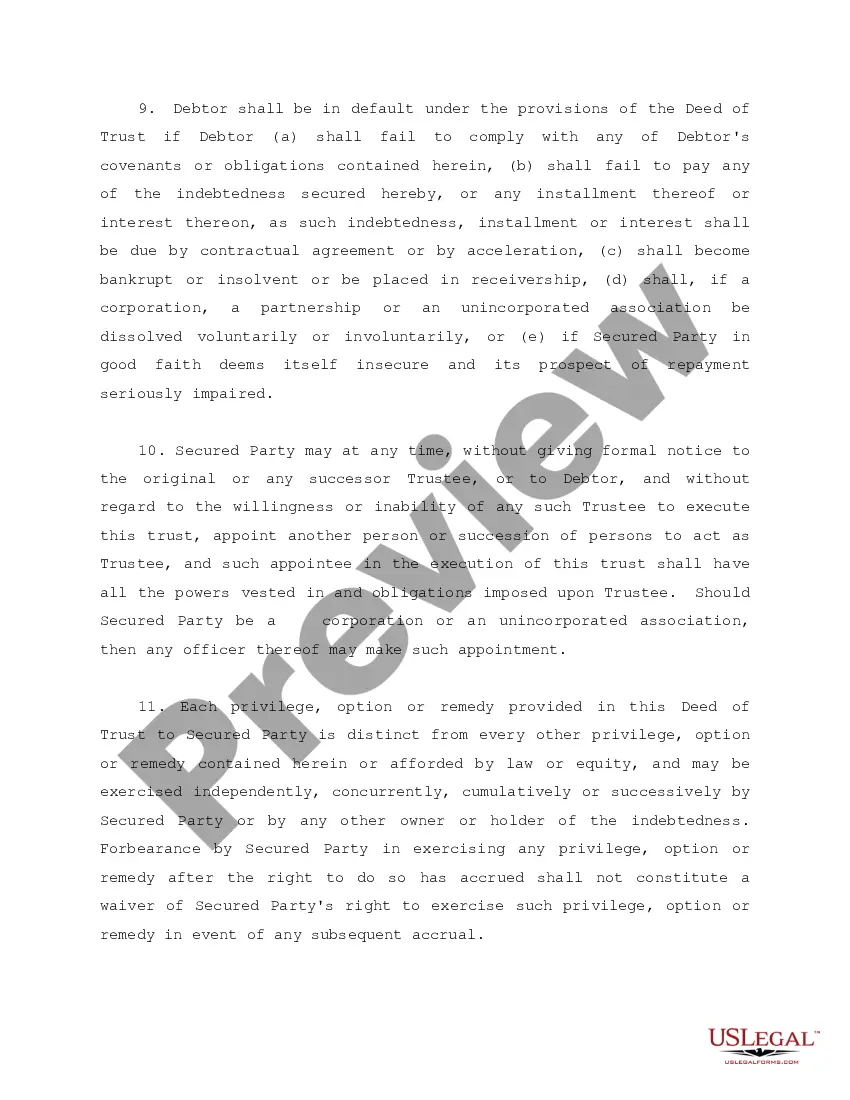
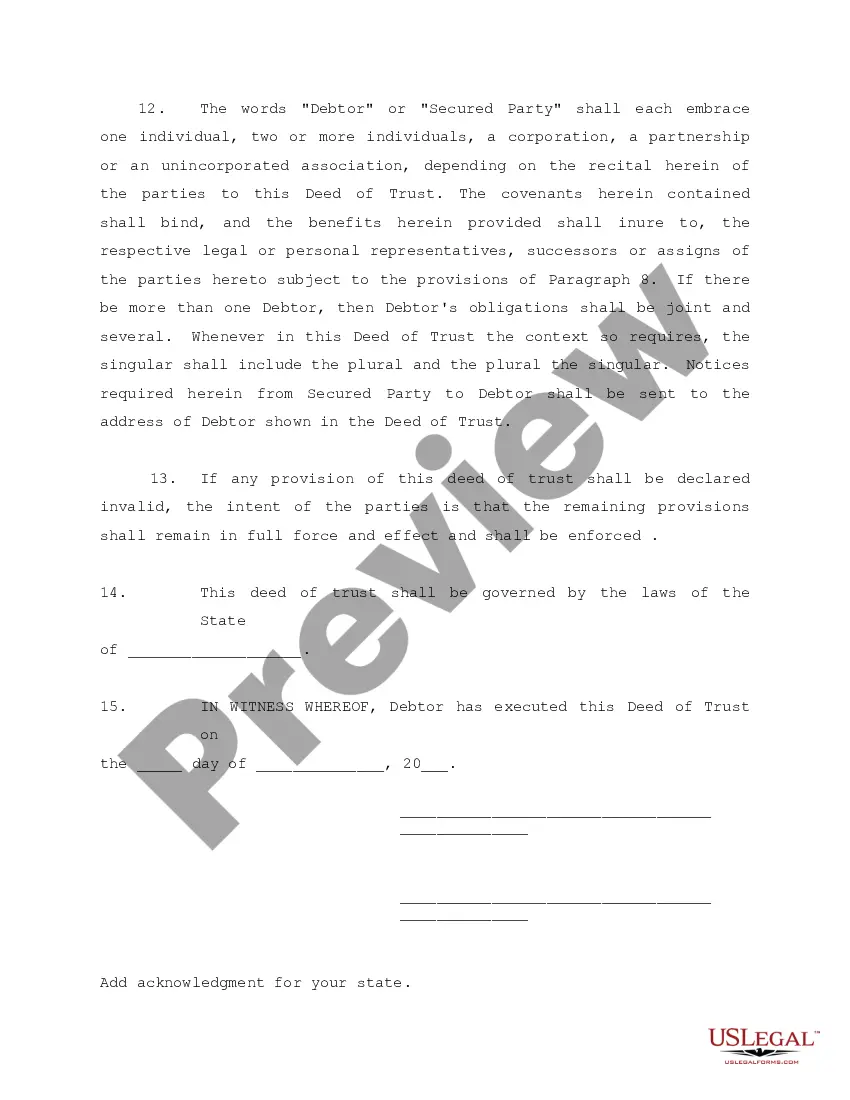
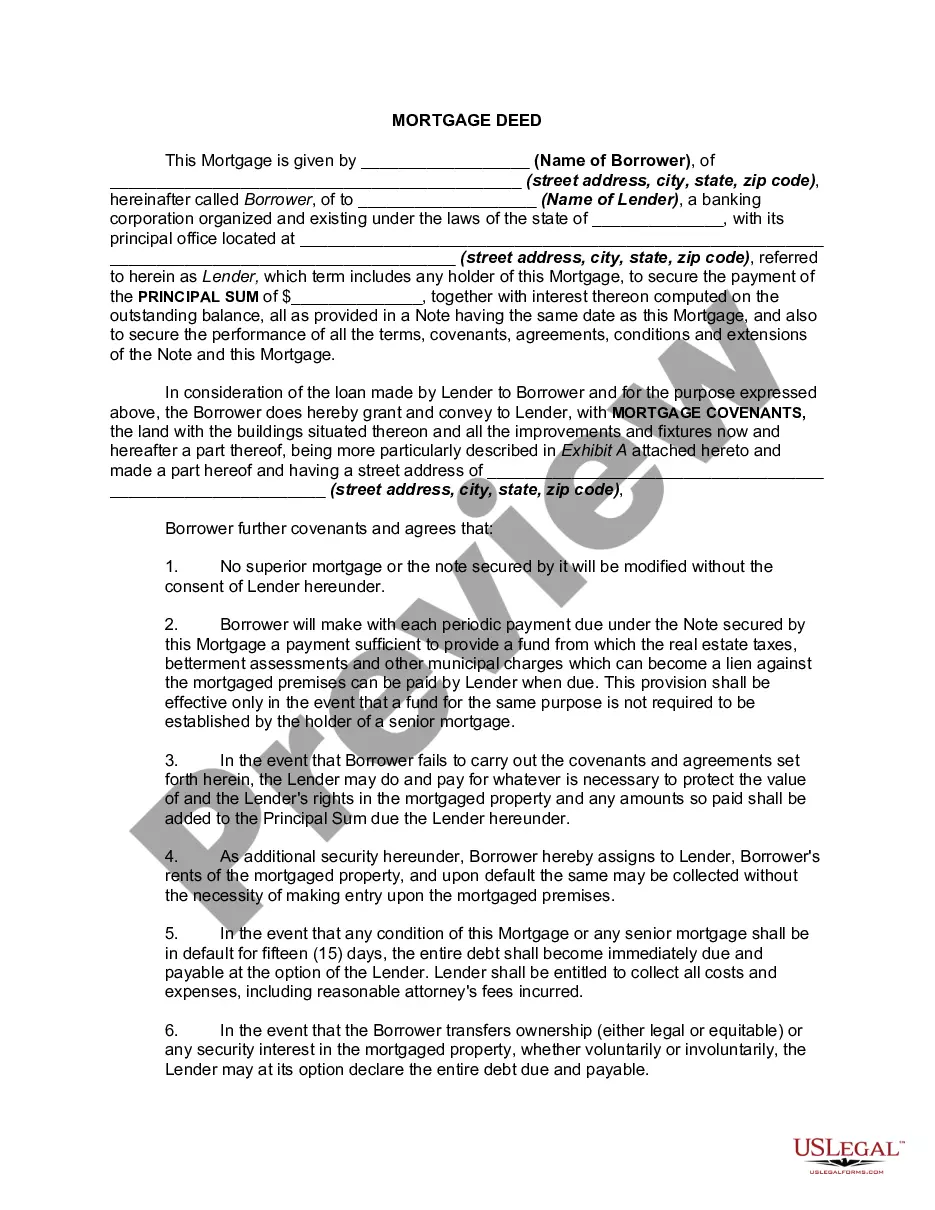
Secured Debt Any For Loan In New York
Description


Get your form ready online
Our built-in tools help you complete, sign, share, and store your documents in one place.
Make edits, fill in missing information, and update formatting in US Legal Forms—just like you would in MS Word.
Download a copy, print it, send it by email, or mail it via USPS—whatever works best for your next step.
Sign and collect signatures with our SignNow integration. Send to multiple recipients, set reminders, and more. Go Premium to unlock E-Sign.
If this form requires notarization, complete it online through a secure video call—no need to meet a notary in person or wait for an appointment.
We protect your documents and personal data by following strict security and privacy standards.

Make edits, fill in missing information, and update formatting in US Legal Forms—just like you would in MS Word.

Download a copy, print it, send it by email, or mail it via USPS—whatever works best for your next step.

Sign and collect signatures with our SignNow integration. Send to multiple recipients, set reminders, and more. Go Premium to unlock E-Sign.

If this form requires notarization, complete it online through a secure video call—no need to meet a notary in person or wait for an appointment.

We protect your documents and personal data by following strict security and privacy standards.
Looking for another form?


Form popularity
FAQ
Statute of Limitations in New York Thanks to a law passed in 2021, the statute of limitations of debt in New York is three years, which means that's how much time a debt collector has to file a lawsuit to recover the debt through the court system.
Effective April 7, 2022, the New York statute of limitations for debt collection lawsuits arising out of a consumer credit transaction is reduced from six years to three years.
In California, there is generally a four-year limit for filing a lawsuit to collect a debt based on a written agreement.
The New York statute of limitations for consumer debt is three years. This means creditors or debt collectors have three years to try to collect on an unpaid debt or sue you for a debt. After this time limit has expired, the debt is considered time-barred.
Examples of secured debt include mortgages, auto loans and secured credit cards. Unsecured debt doesn't require collateral. But missing payments can still have consequences.
Steps Download the UCC-1 form. Provide direct contact information if desired. Fill in the debtor's name and mailing address. List the name and address of the secured party. Indicate the collateral covered by the financing statement. Include applicable descriptions of the transaction. Fill out an addendum if necessary.
What information is required for a UCC-1 filing? For a filing against an individual person as the debtor, the required information is: Last name, first name. Mailing address, city, state, zip code and country.
The UCC also does not apply if none of the parties are a merchant. In other words, the sale of goods between individuals is governed by the common law. If a sales transaction involves a merchant, then the UCC usually applies.
UCC-3 party amendments: A UCC-3 amendment is a type of filing used to change or add critical information about the debtor or the secured party. For example, they can be used to change the name or the address.
