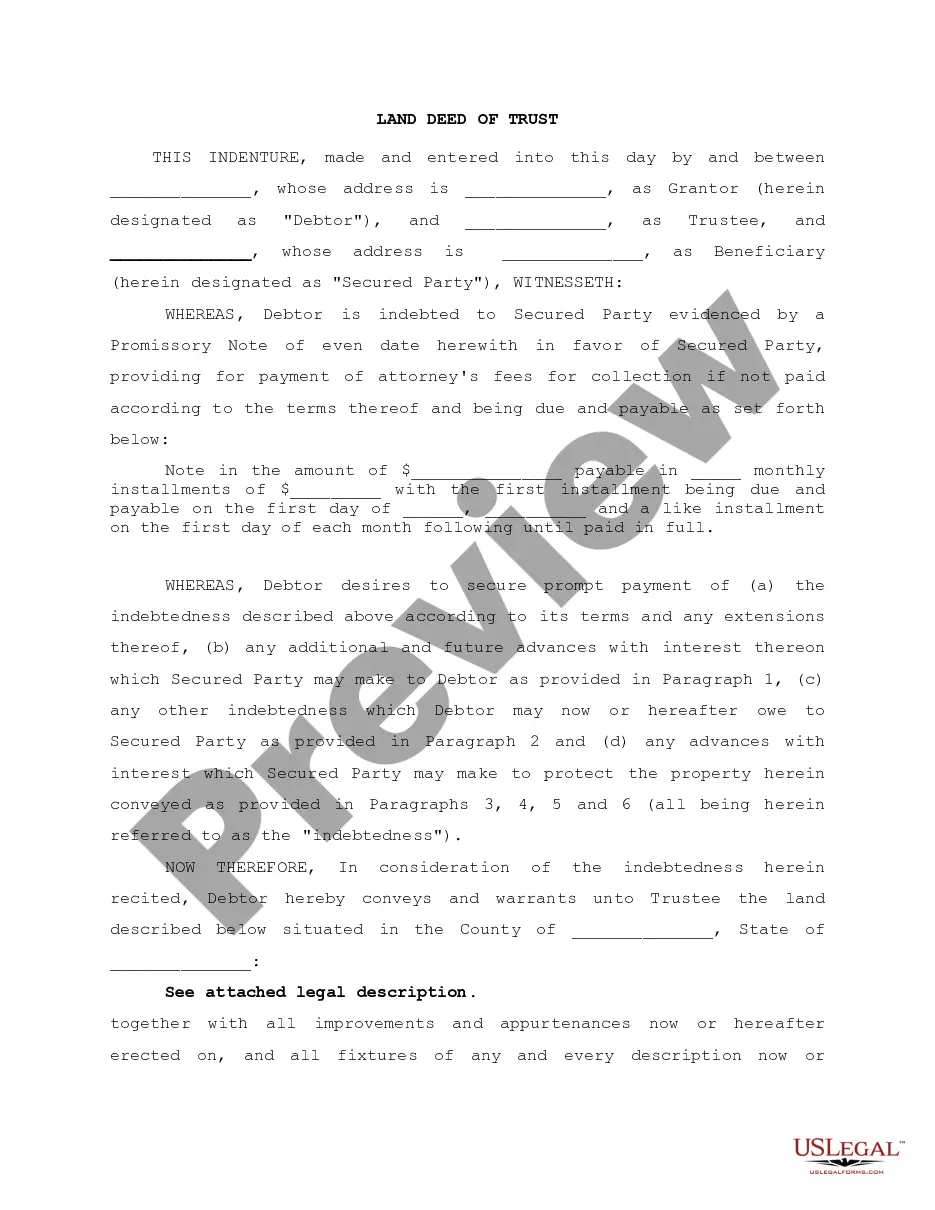
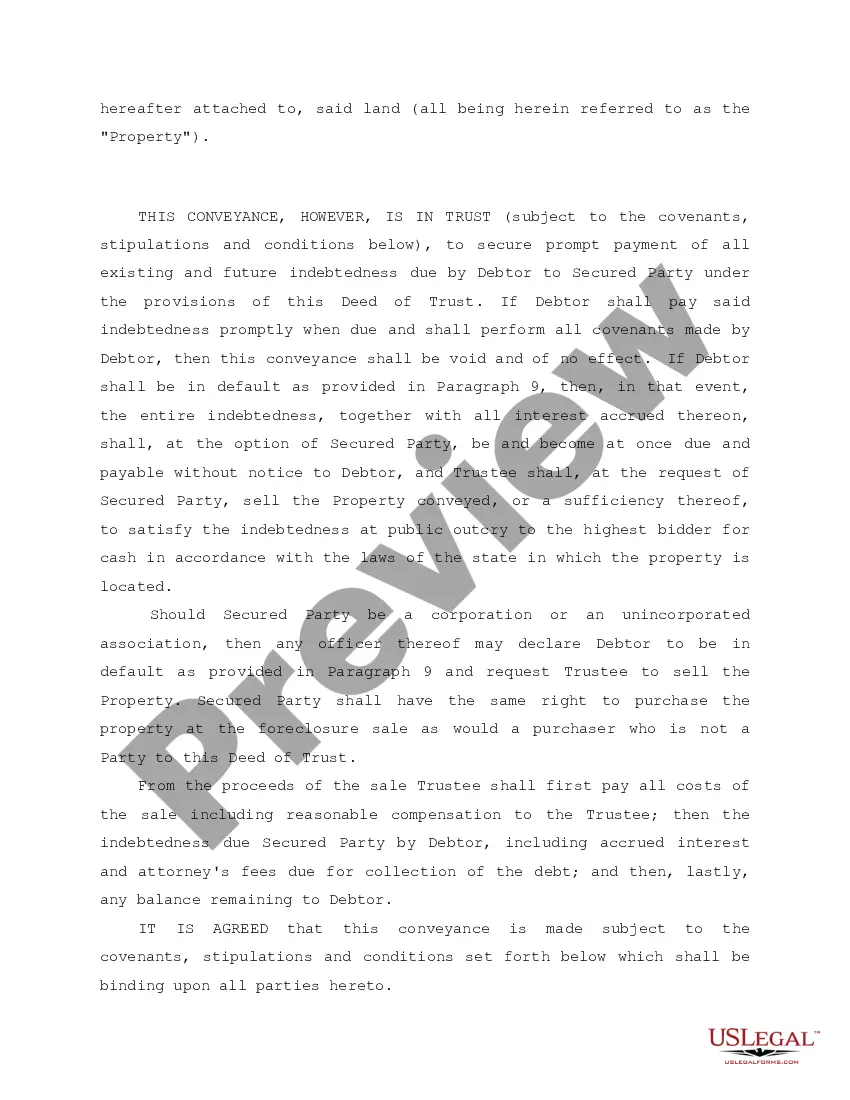
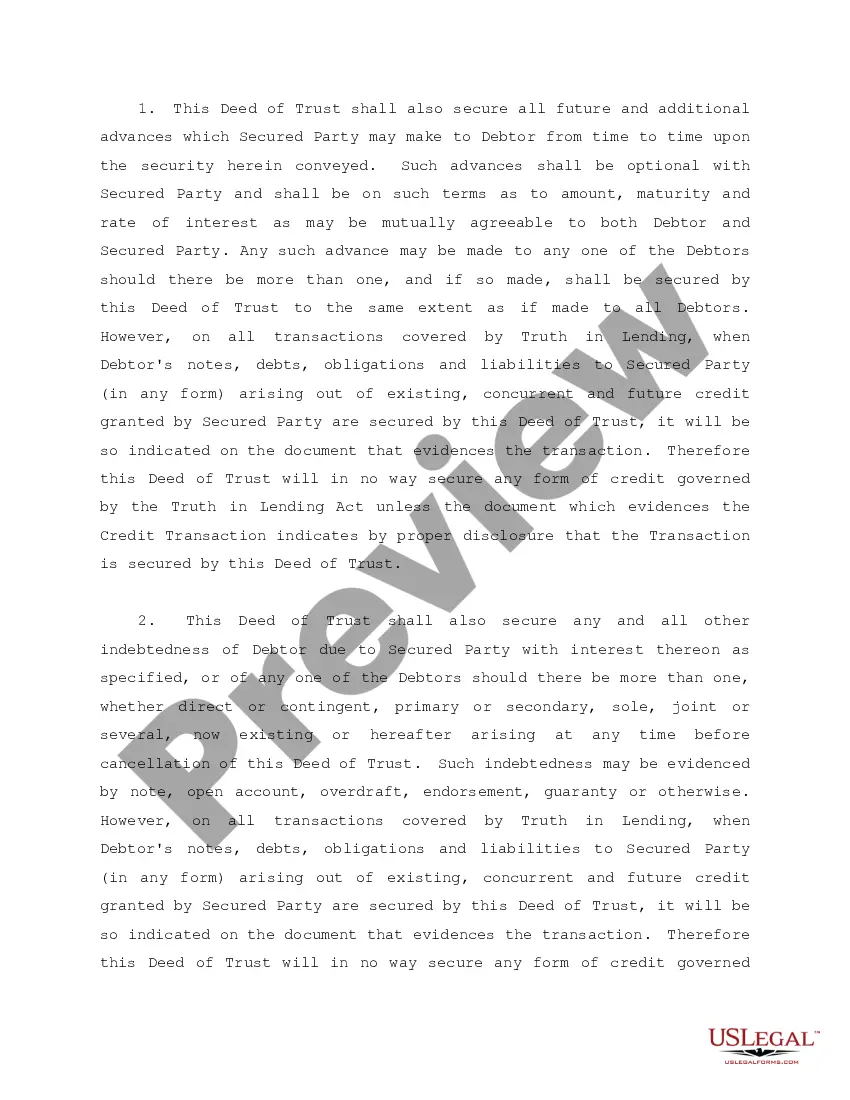
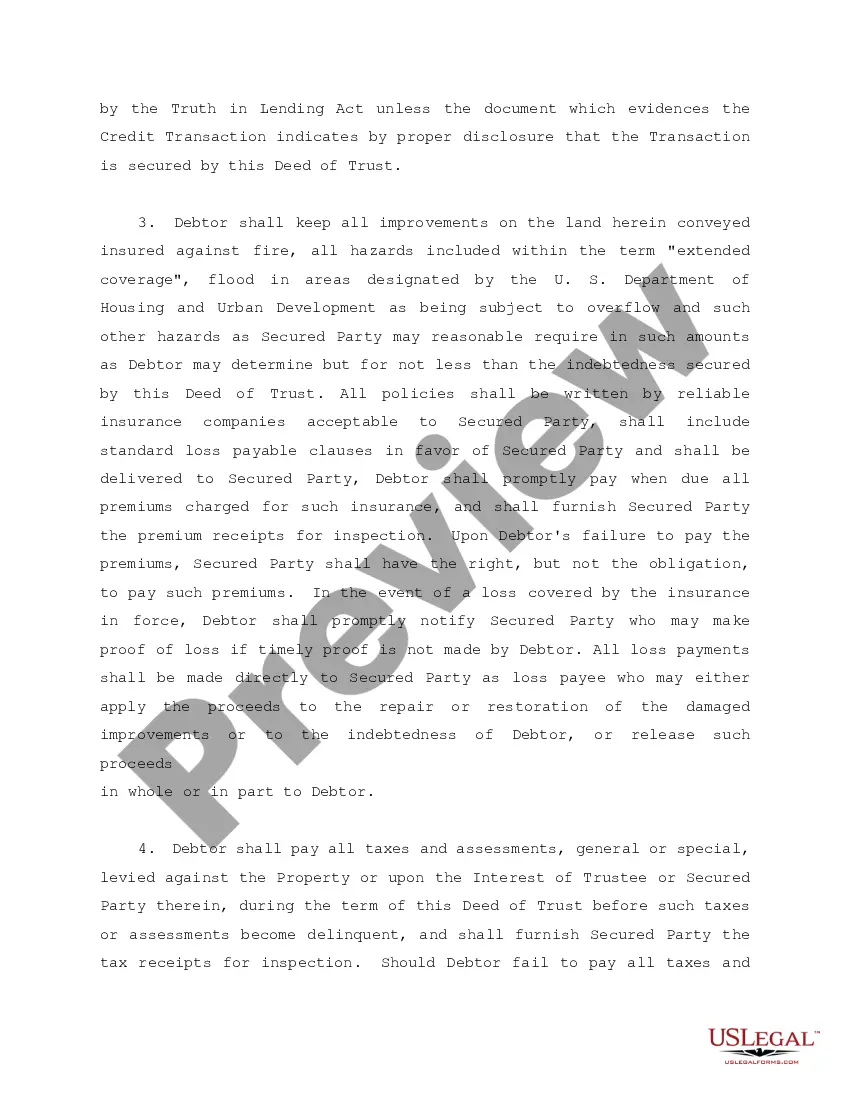
Blank Deed Of Trust Withdrawal In Maryland
Description
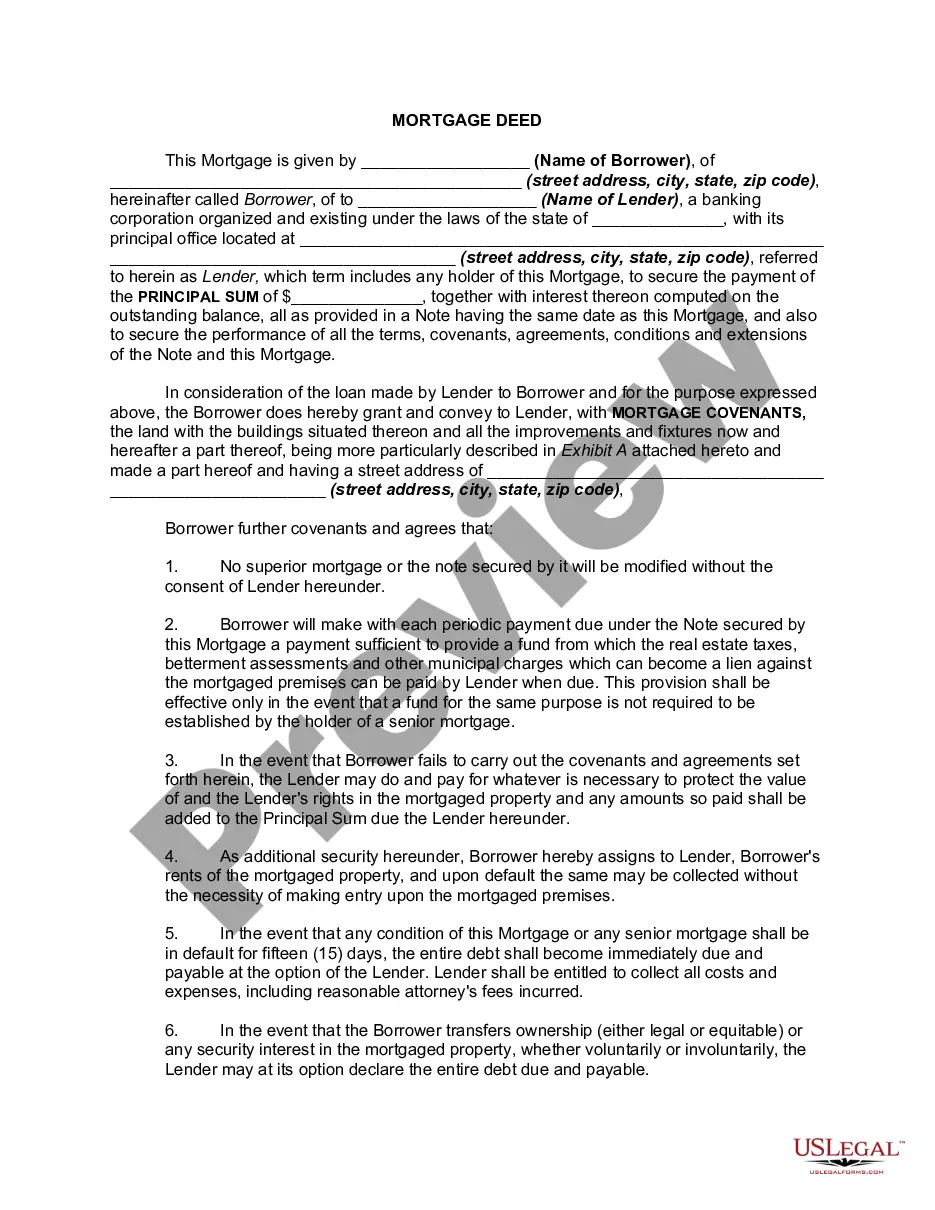
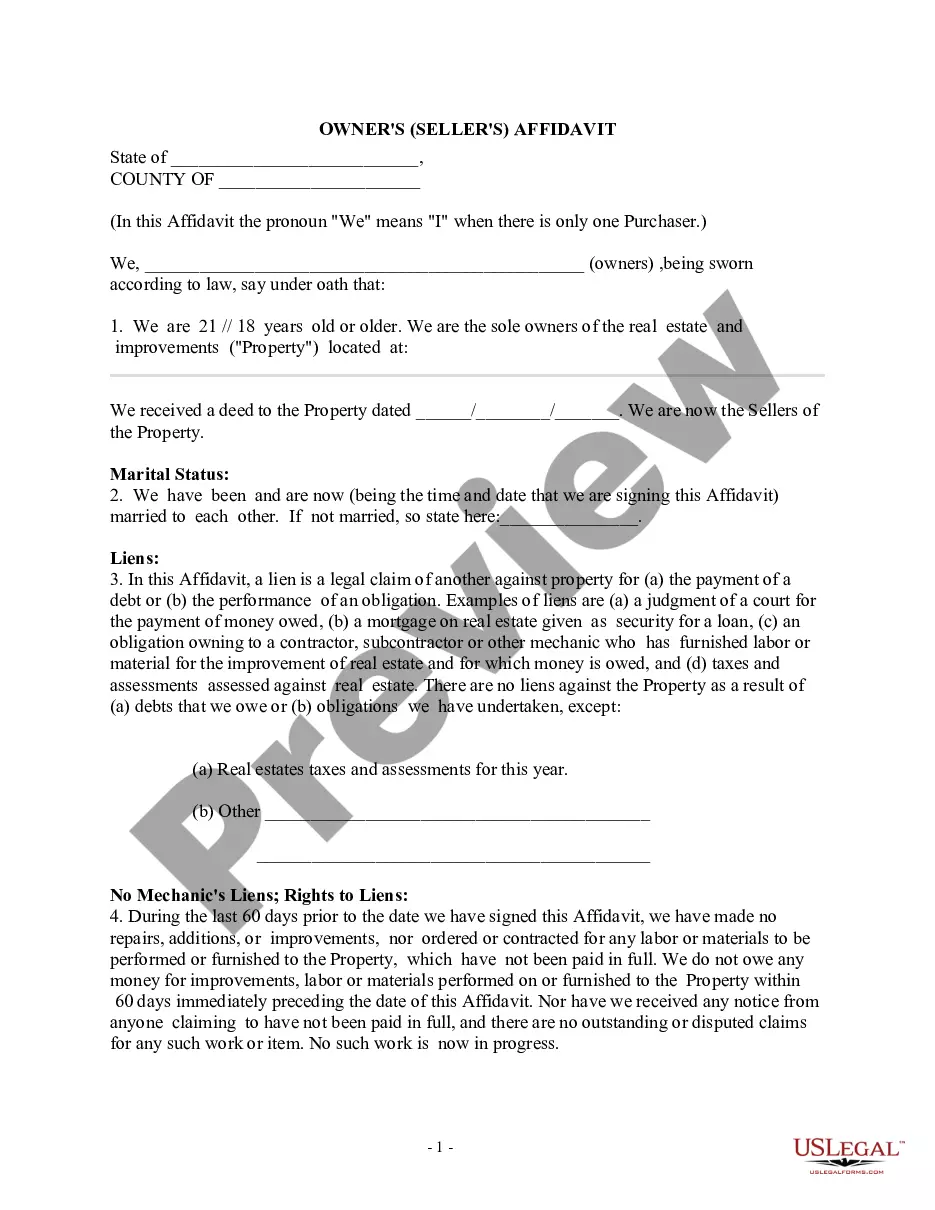
Get your form ready online
Our built-in tools help you complete, sign, share, and store your documents in one place.
Make edits, fill in missing information, and update formatting in US Legal Forms—just like you would in MS Word.
Download a copy, print it, send it by email, or mail it via USPS—whatever works best for your next step.
Sign and collect signatures with our SignNow integration. Send to multiple recipients, set reminders, and more. Go Premium to unlock E-Sign.
If this form requires notarization, complete it online through a secure video call—no need to meet a notary in person or wait for an appointment.
We protect your documents and personal data by following strict security and privacy standards.

Make edits, fill in missing information, and update formatting in US Legal Forms—just like you would in MS Word.

Download a copy, print it, send it by email, or mail it via USPS—whatever works best for your next step.

Sign and collect signatures with our SignNow integration. Send to multiple recipients, set reminders, and more. Go Premium to unlock E-Sign.

If this form requires notarization, complete it online through a secure video call—no need to meet a notary in person or wait for an appointment.

We protect your documents and personal data by following strict security and privacy standards.
Looking for another form?
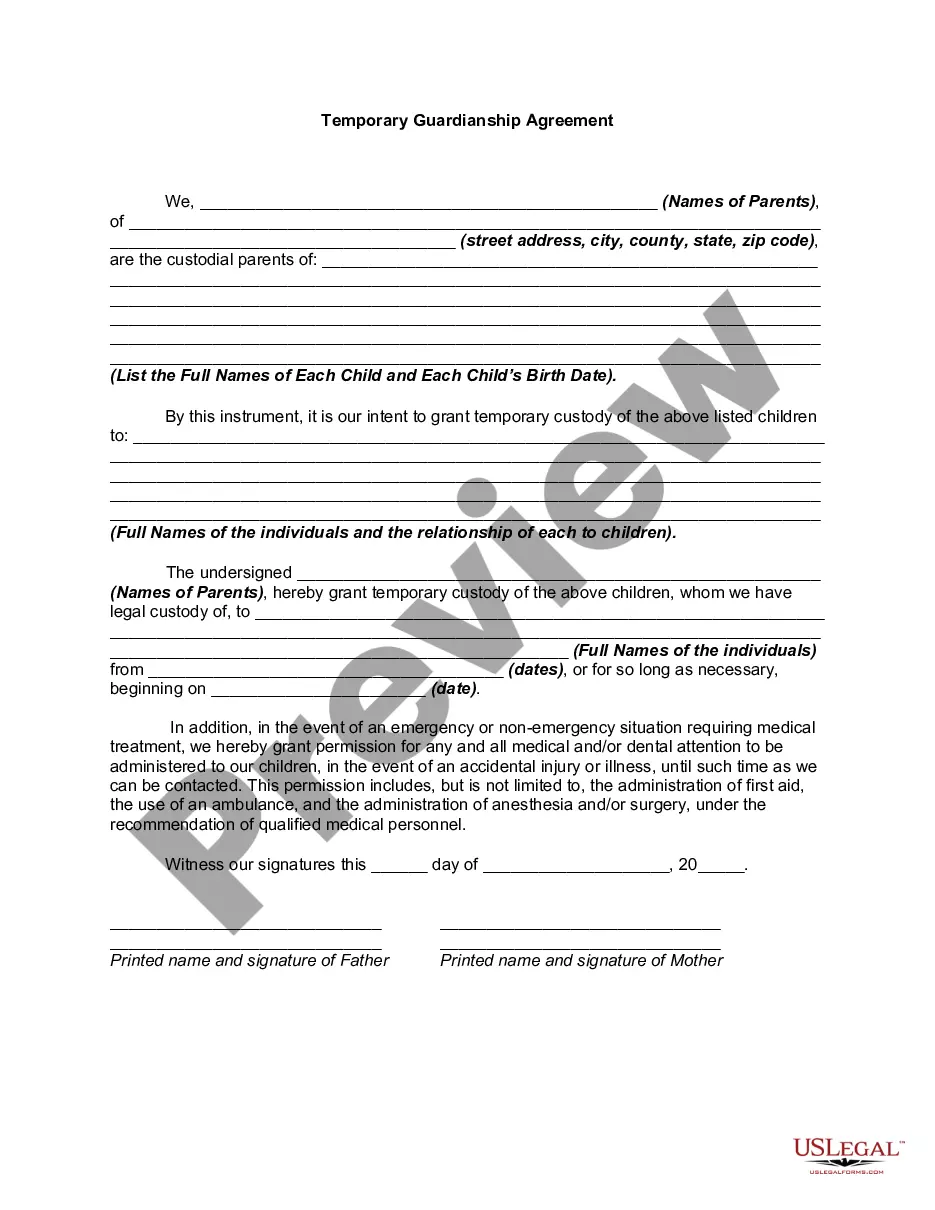
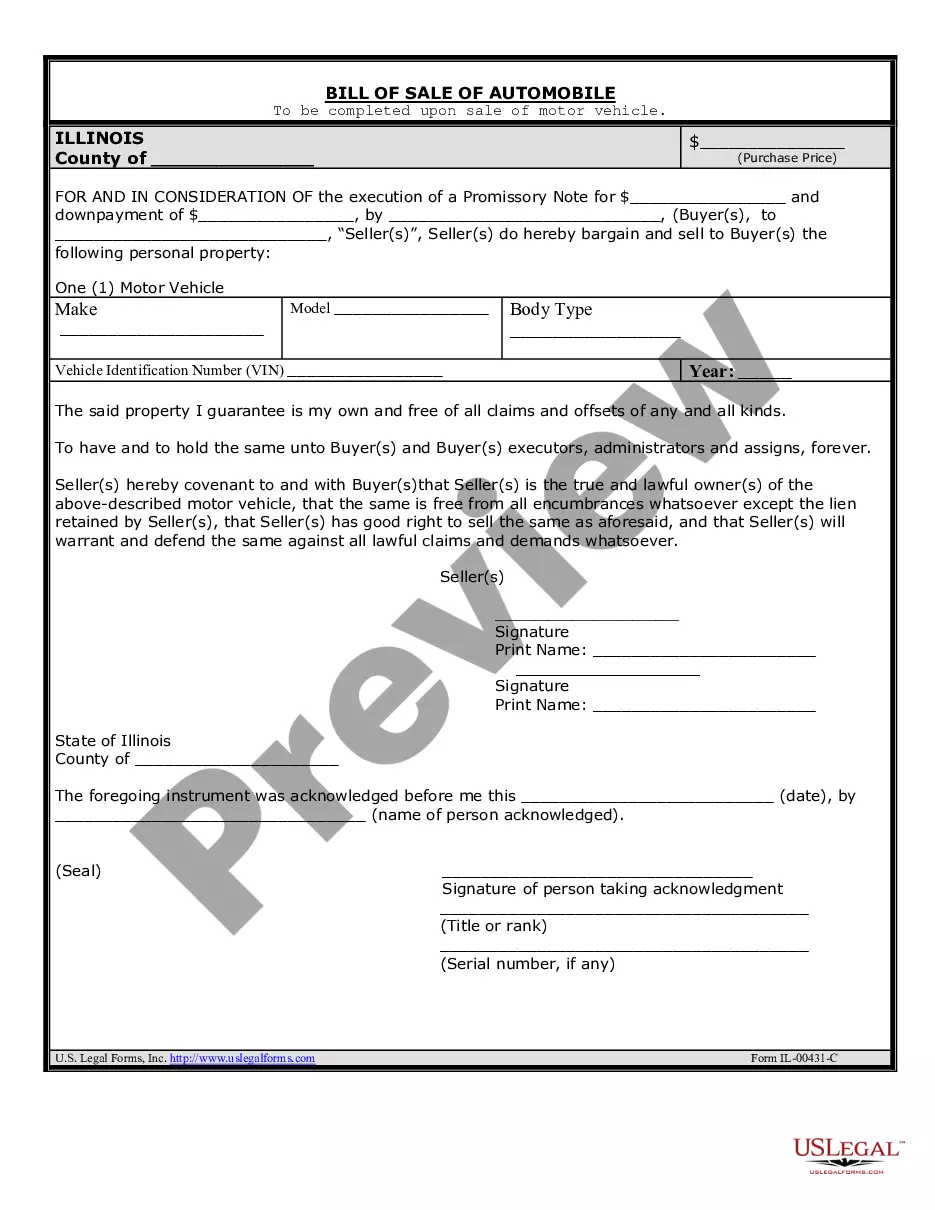
Form popularity
FAQ
Removing Someone from a Deed Take someone's name off of a deed by recording a new one without their name on it. Generally, you'll need their consent and their signature to do this. If the person is dead, submit their death certificate and a notarized affidavit along with the new deed.
If the person to be removed is alive, then you will need a court order or their cooperation such that you can record a new deed that removes them. Quitclaim and warranty deeds are common solutions. If an owner of a property has passed away, you will need to transfer the property to the living owners.
Deed and mortgage are not mutually bound. You have no power to evict anyone---only a court can evict and an owner cannot be evicted.
To take someone's name off a deed, a new deed must be prepared to transfer the property from all of the current owners to all of the remaining owners.
If the person to be removed is alive, then you will need a court order or their cooperation such that you can record a new deed that removes them. Quitclaim and warranty deeds are common solutions. If an owner of a property has passed away, you will need to transfer the property to the living owners.
How to File Step 1: Obtain Maryland Quitclaim Deed Form. Step 2: Enter Preparer's Details. Step 3: Enter Grantor's Details. Step 4: Enter Grantee's Details. Step 5: Fill in Consideration. Step 6: Note Property Legal Description. Step 7: Preparer Signs the Form. Step 8: Grantor Signs the Form in Front of a Notary Public.
Finally the completed deed should be filed with the appropriate. Local government office such as theMoreFinally the completed deed should be filed with the appropriate. Local government office such as the county. Recorder's.