Secured Debt Any For Auto Loan In Maricopa
Description

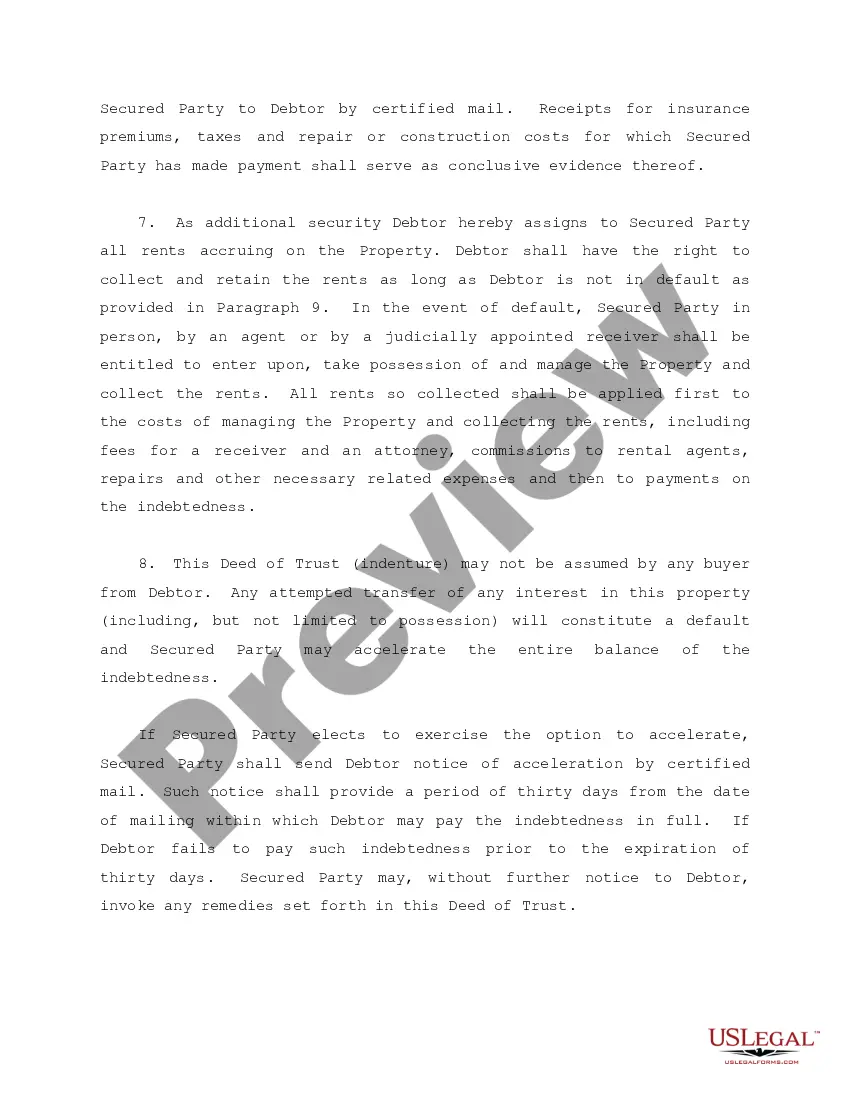
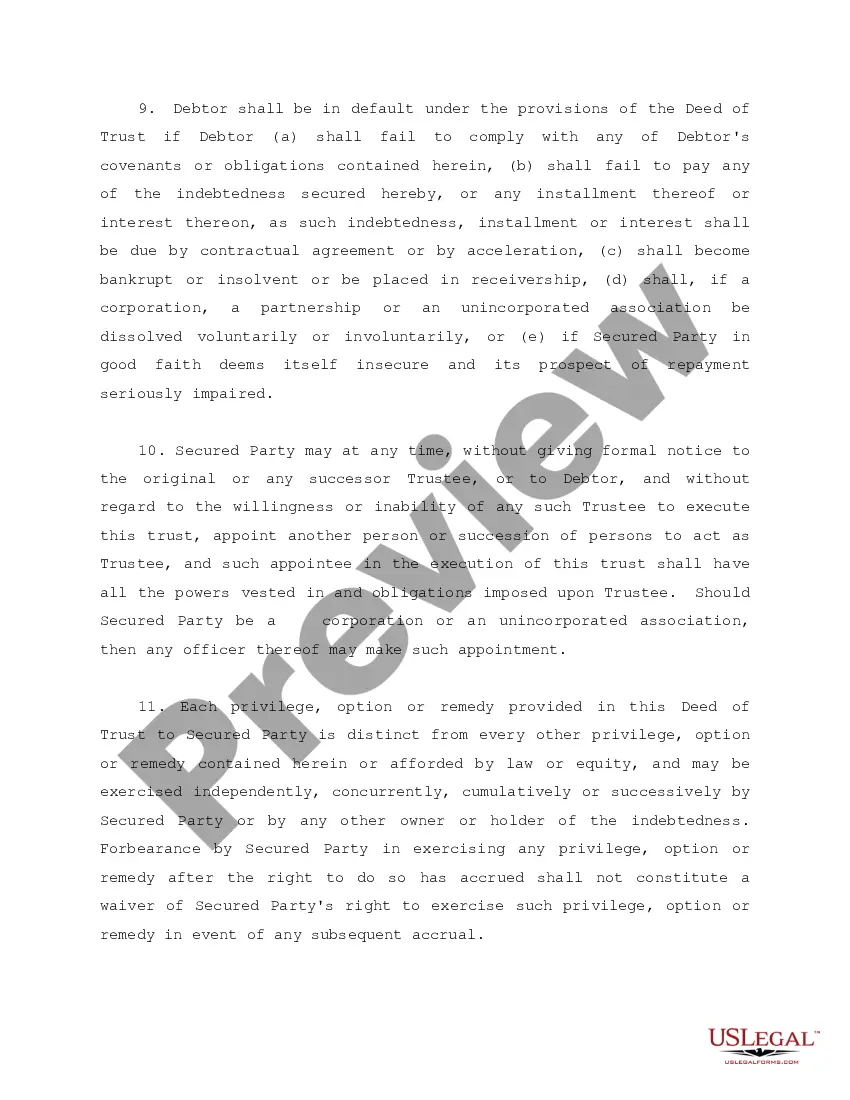
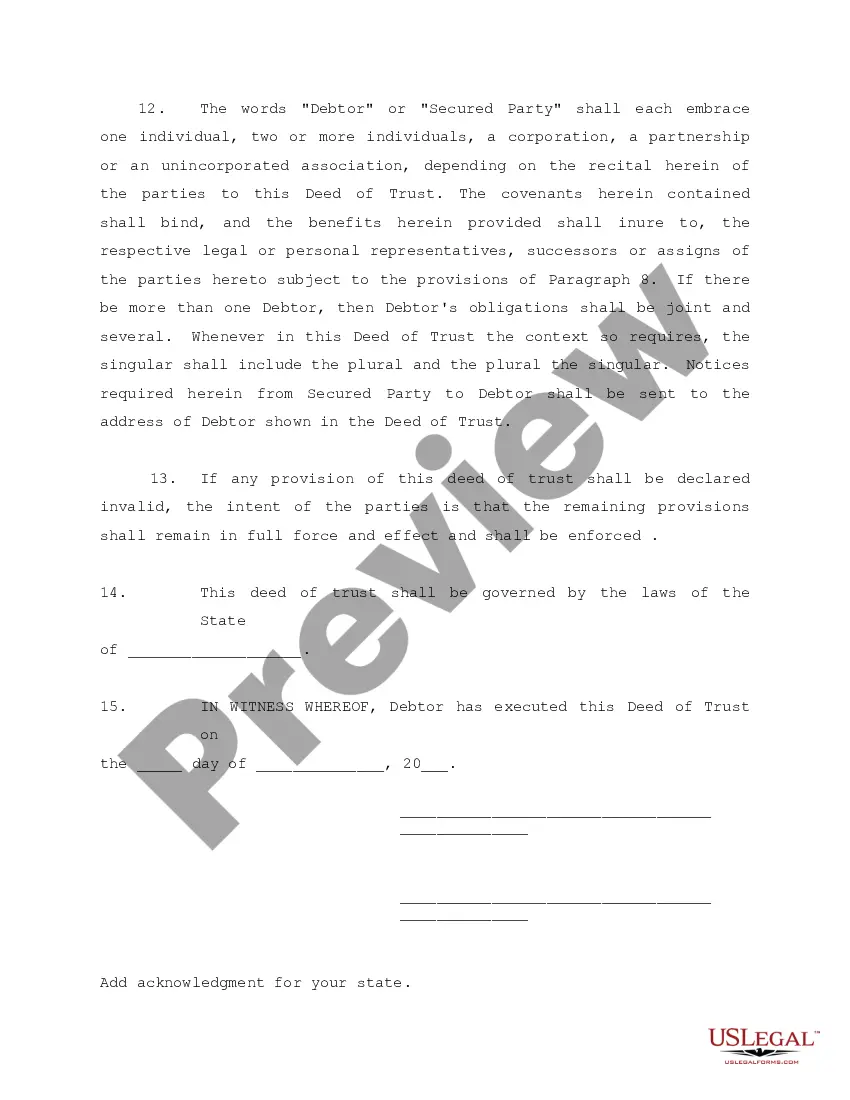


Get your form ready online
Our built-in tools help you complete, sign, share, and store your documents in one place.
Make edits, fill in missing information, and update formatting in US Legal Forms—just like you would in MS Word.
Download a copy, print it, send it by email, or mail it via USPS—whatever works best for your next step.
Sign and collect signatures with our SignNow integration. Send to multiple recipients, set reminders, and more. Go Premium to unlock E-Sign.
If this form requires notarization, complete it online through a secure video call—no need to meet a notary in person or wait for an appointment.
We protect your documents and personal data by following strict security and privacy standards.

Make edits, fill in missing information, and update formatting in US Legal Forms—just like you would in MS Word.

Download a copy, print it, send it by email, or mail it via USPS—whatever works best for your next step.

Sign and collect signatures with our SignNow integration. Send to multiple recipients, set reminders, and more. Go Premium to unlock E-Sign.

If this form requires notarization, complete it online through a secure video call—no need to meet a notary in person or wait for an appointment.

We protect your documents and personal data by following strict security and privacy standards.
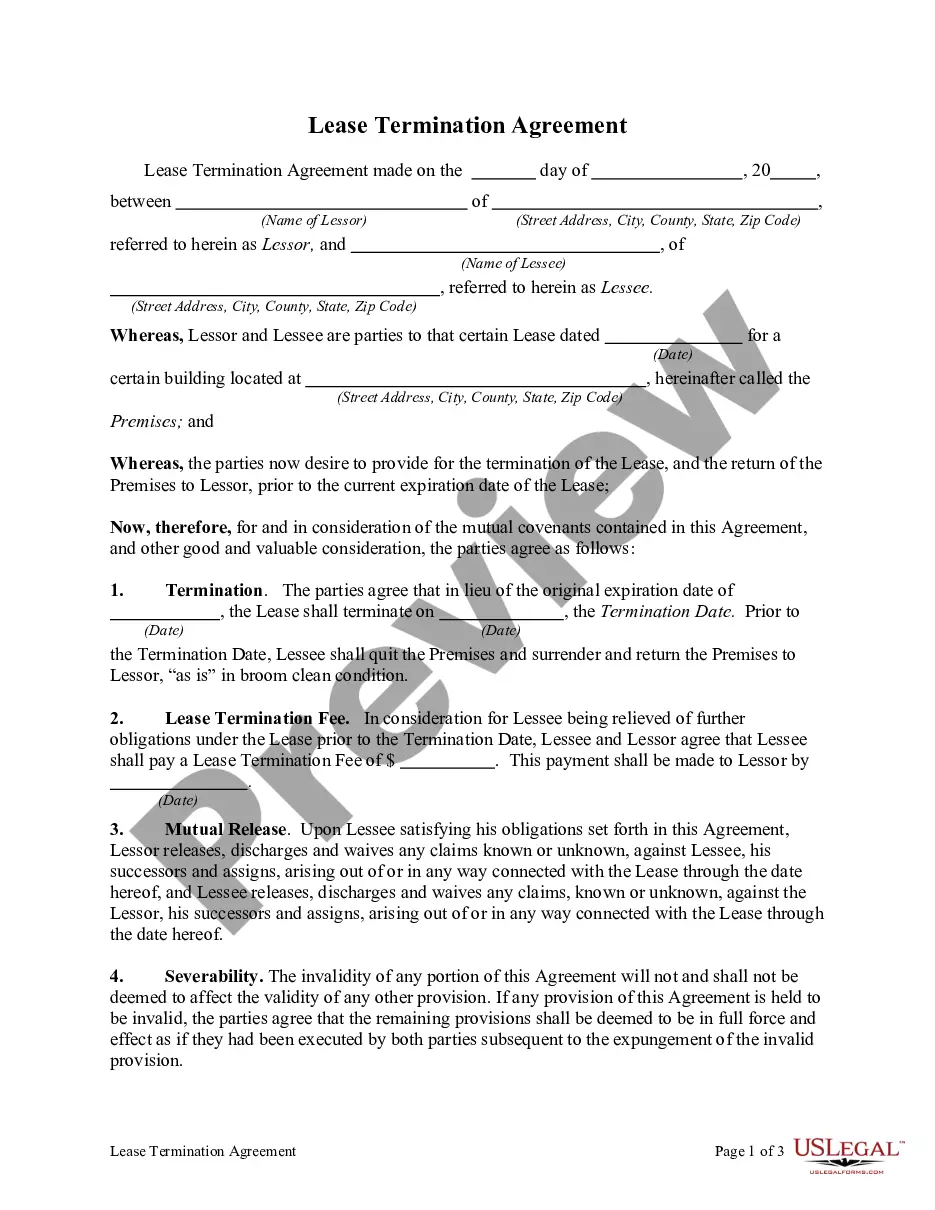
Looking for another form?








Form popularity
FAQ
Most debt in Arizona has a statute of limitations of six years, with the exception of auto loans and state tax debts. This means that after six years — whether that's after the last payment date or missed payment — your creditor won't be able to file a lawsuit against you to collect payment.
The statute is six years for written breach of contract under Section 12-548. The statute of limitations for breach of contract for a sale is four years. This deadline is governed by Sections 12-544(4) and 47-2725(A) of the Arizona Revised Statutes.
For closed installment accounts, the statute of limitations runs 6 years after the final payment date. For open accounts, such as credit cards, the statute of limitations begins 6 years from the first uncured missed payment, whether or not there is an acceleration clause.
In Arizona, this period is six years. If creditors do not file within this timeframe, they permanently lose the right to sue, protecting consumers from ongoing legal risks over old debts. Without a clear statute, consumers could face legal threats years after their last payment.
While DMPs can be instrumental in managing unsecured debts like credit card debts, personal loans, and medical bills, they are not a one-size-fits-all solution for all types of obligations.
How Does a Debt Management Plan Affect Your Credit? The idea of having a notation on your credit history may initially send up red flags. But while a debt management plan does affect your credit history, it does not have a lasting negative effect on your credit score.
