Secured Debt Any With A Sinking Fund In Kings
Description

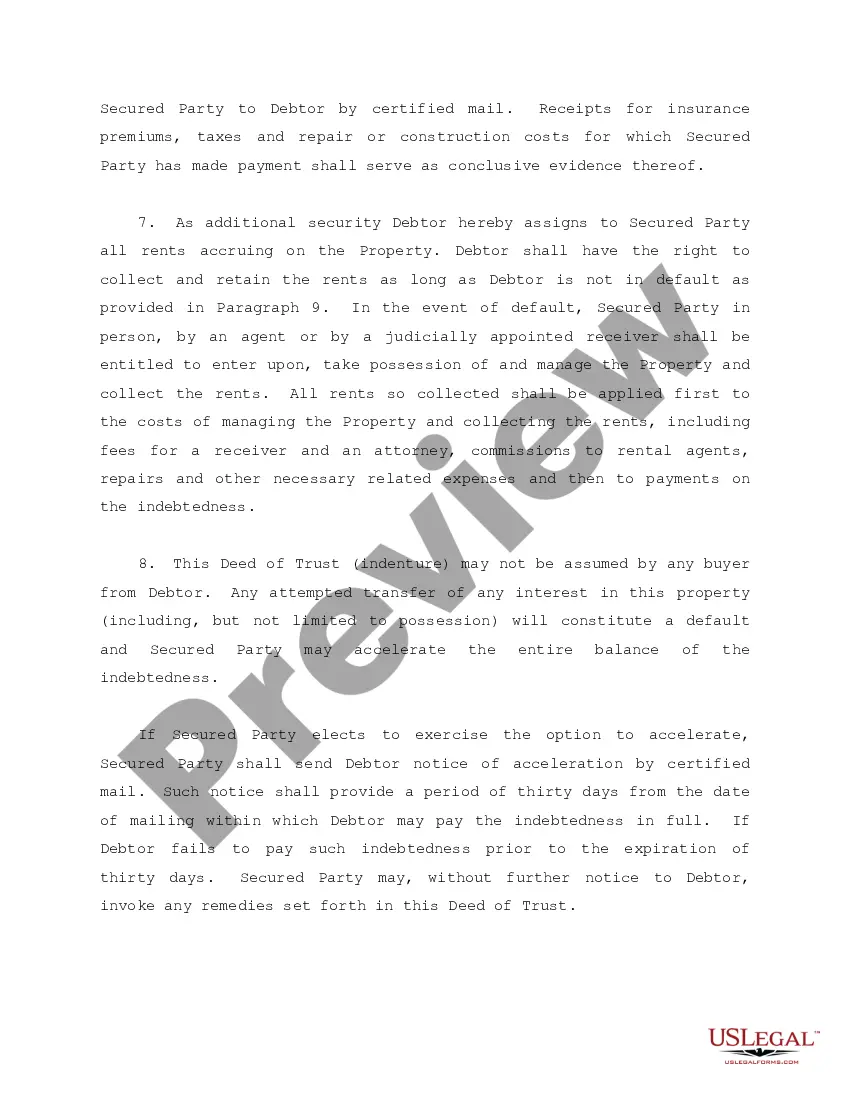
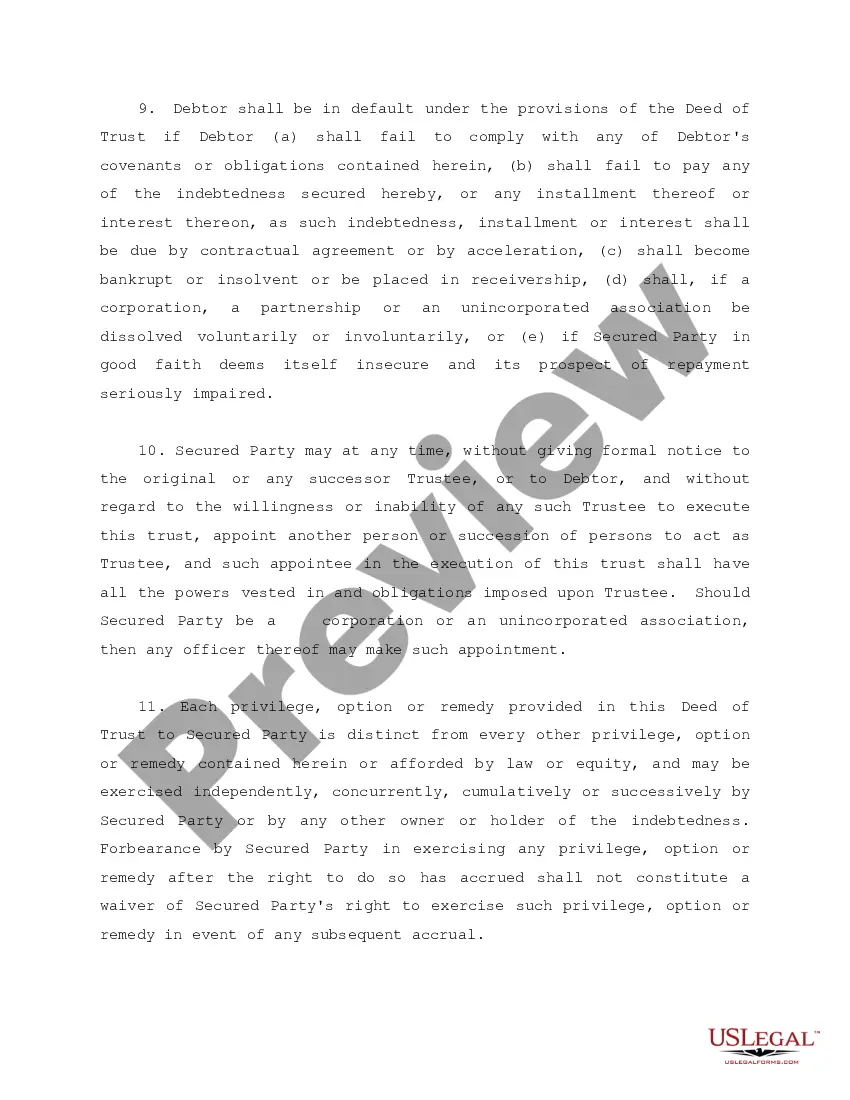
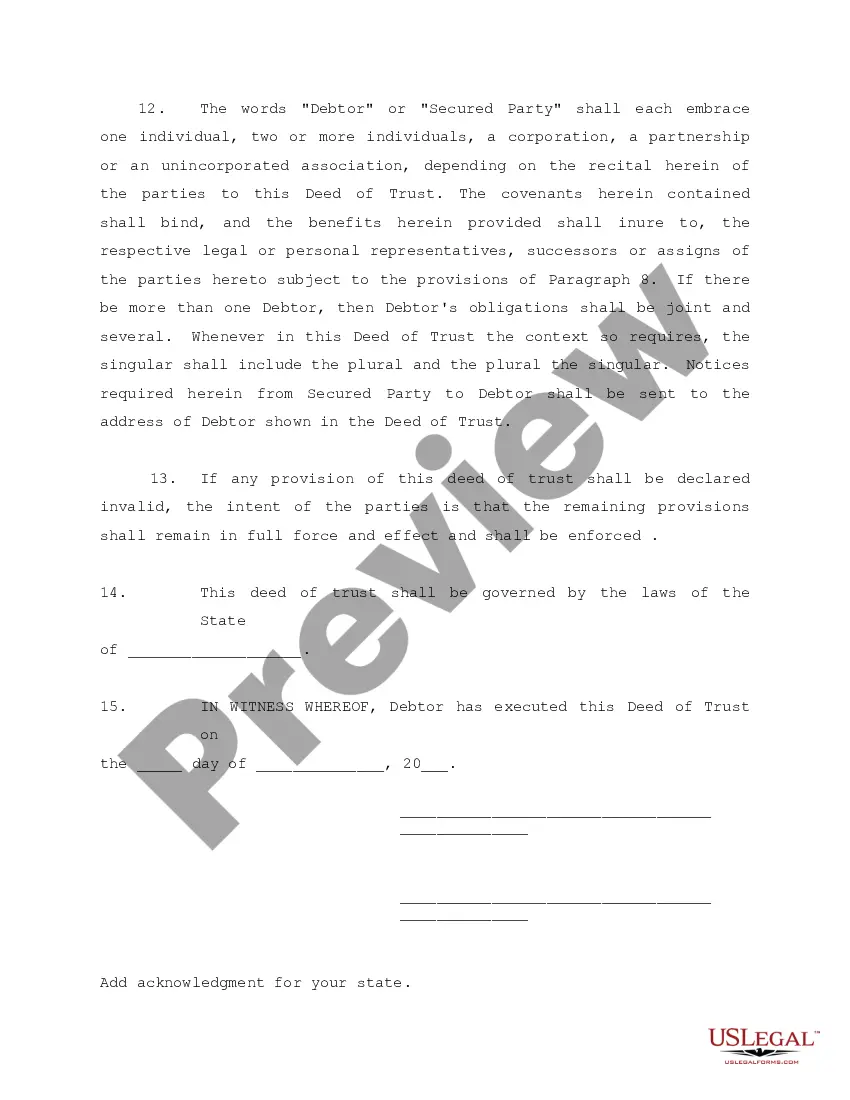
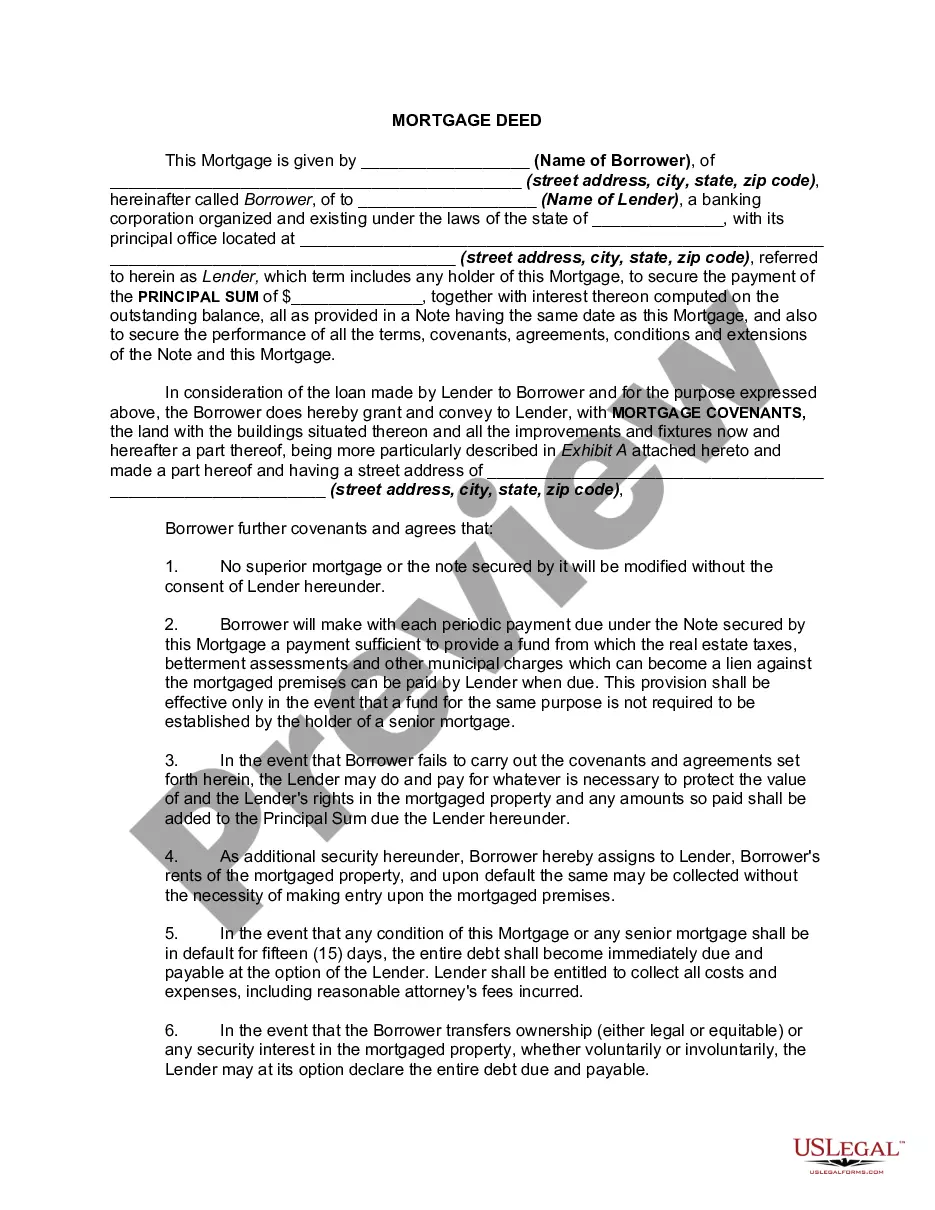

Get your form ready online
Our built-in tools help you complete, sign, share, and store your documents in one place.
Make edits, fill in missing information, and update formatting in US Legal Forms—just like you would in MS Word.
Download a copy, print it, send it by email, or mail it via USPS—whatever works best for your next step.
Sign and collect signatures with our SignNow integration. Send to multiple recipients, set reminders, and more. Go Premium to unlock E-Sign.
If this form requires notarization, complete it online through a secure video call—no need to meet a notary in person or wait for an appointment.
We protect your documents and personal data by following strict security and privacy standards.

Make edits, fill in missing information, and update formatting in US Legal Forms—just like you would in MS Word.

Download a copy, print it, send it by email, or mail it via USPS—whatever works best for your next step.

Sign and collect signatures with our SignNow integration. Send to multiple recipients, set reminders, and more. Go Premium to unlock E-Sign.

If this form requires notarization, complete it online through a secure video call—no need to meet a notary in person or wait for an appointment.

We protect your documents and personal data by following strict security and privacy standards.
Looking for another form?









Form popularity
FAQ
Pitt is shown pointing to a document entitled Redemption of the National Debt. The sinking fund was first used in Great Britain in the 18th century to reduce national debt.
Sinking funds are financial strategies that operate through regular contributions, allowing organisations to accumulate a specific amount by a predetermined date, usually for repaying debt or funding significant purchases.
Example of Reporting a Sinking Fund on the Balance Sheet A corporation's bond sinking fund appears in the first noncurrent asset section of the corporation's balance sheet. This section is likely to have the heading Investments.
A sinking fund is typically listed as a noncurrent asset—or long-term asset—on a company's balance sheet and is often included in the listing for long-term investments or other investments. Companies that are capital-intensive usually issue long-term bonds to fund purchases of new plant and equipment.
Answer and Explanation: A bond sinking fund would be categorized as an investment on the balance sheet. These are long-term assets.
An independent trustee will invest the corporation's annual deposits with the goal of the sinking fund balance growing to approximately $20 million by the time the bonds come due in 20 years. The corporation will report the bond sinking fund balance in the investments section of its balance sheet.
Example of Reporting a Sinking Fund on the Balance Sheet A corporation's bond sinking fund appears in the first noncurrent asset section of the corporation's balance sheet. This section is likely to have the heading Investments.
SINKING FUND METHOD / DEBENTURE REDEMPTION FUND METHOD A Sinking Fund, also known as Debenture Redemption Fund is a fund created by appropriating some profits annually for the purpose of redemption of debentures at the time of their maturity and then, investing the amount appropriated in some investments.
Under the sinking fund method, the depreciation that is charged for the asset is transferred to a sinking fund account. The same amount is then invested in securities issued by the government, interest that is earned on such securities are reinvested.
A sinking fund redemption is a type of mandatory redemption used to call or redeem portions of term bonds before their stated maturities, subject to a predetermined schedule, or otherwise when moneys are available.
