Secured Debt Shall For Bad Credit In Houston
Description

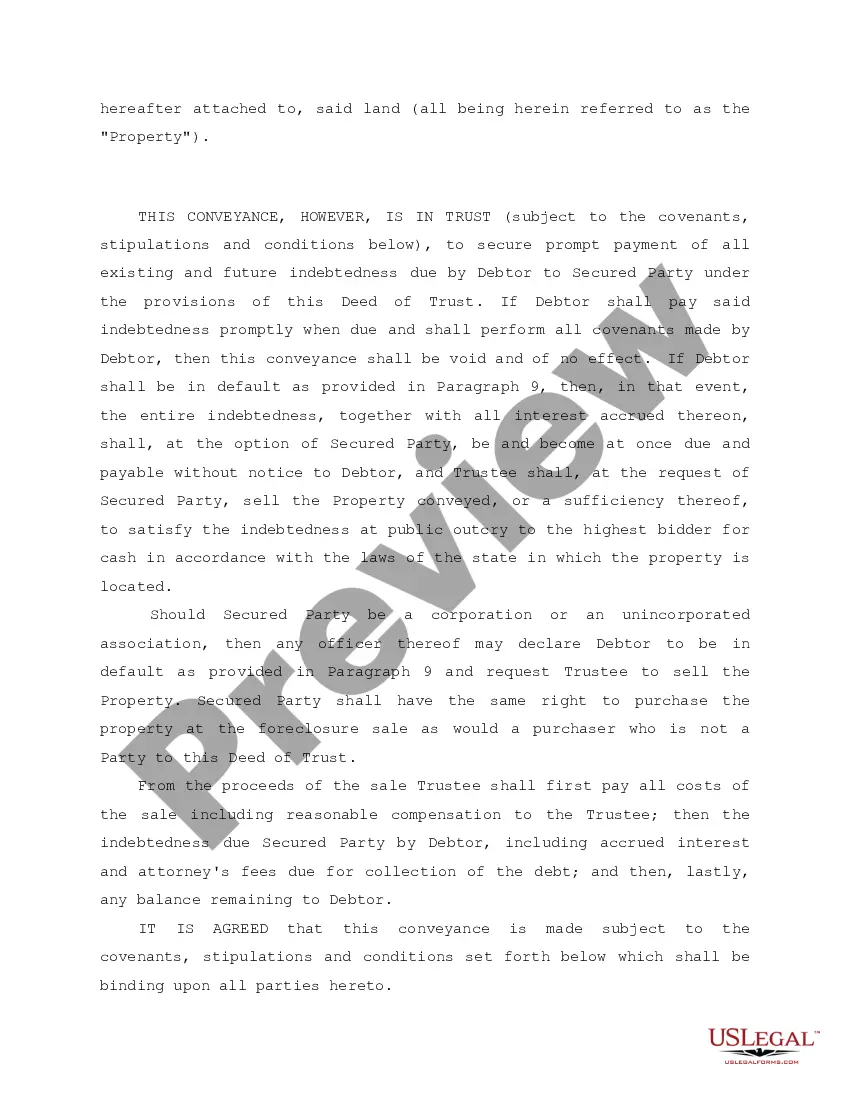
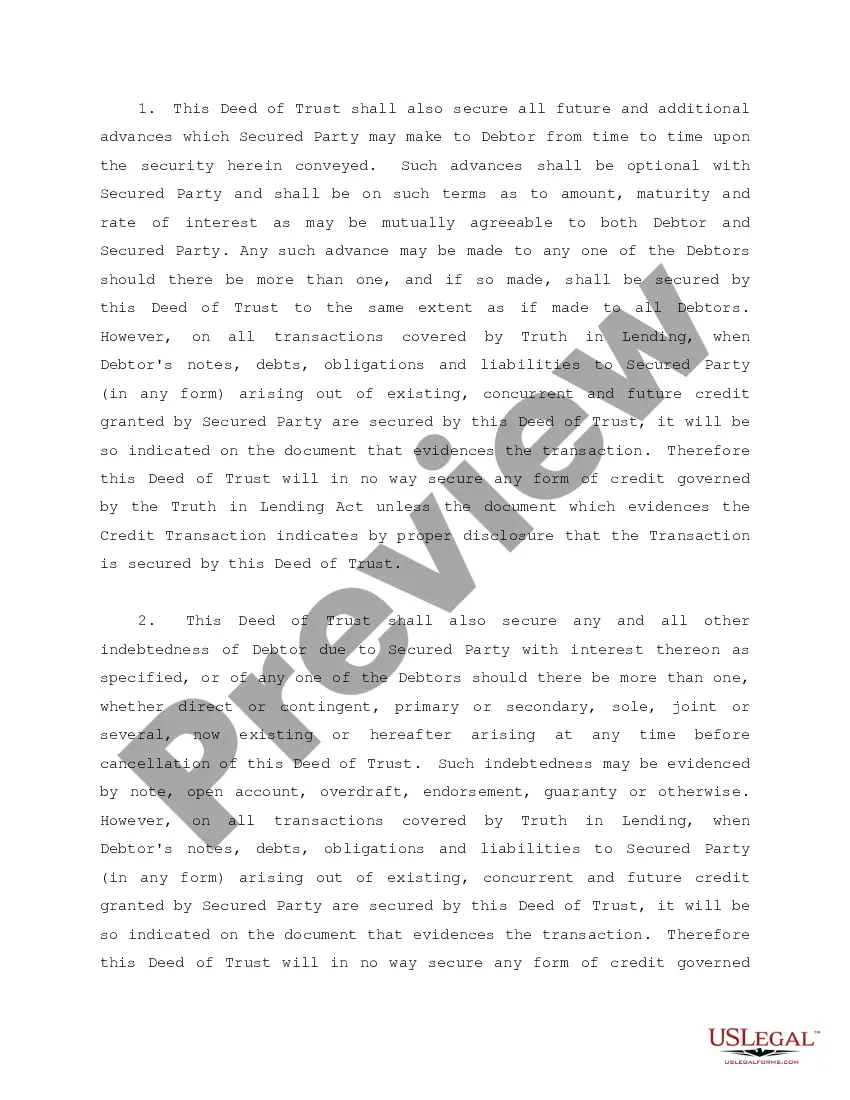
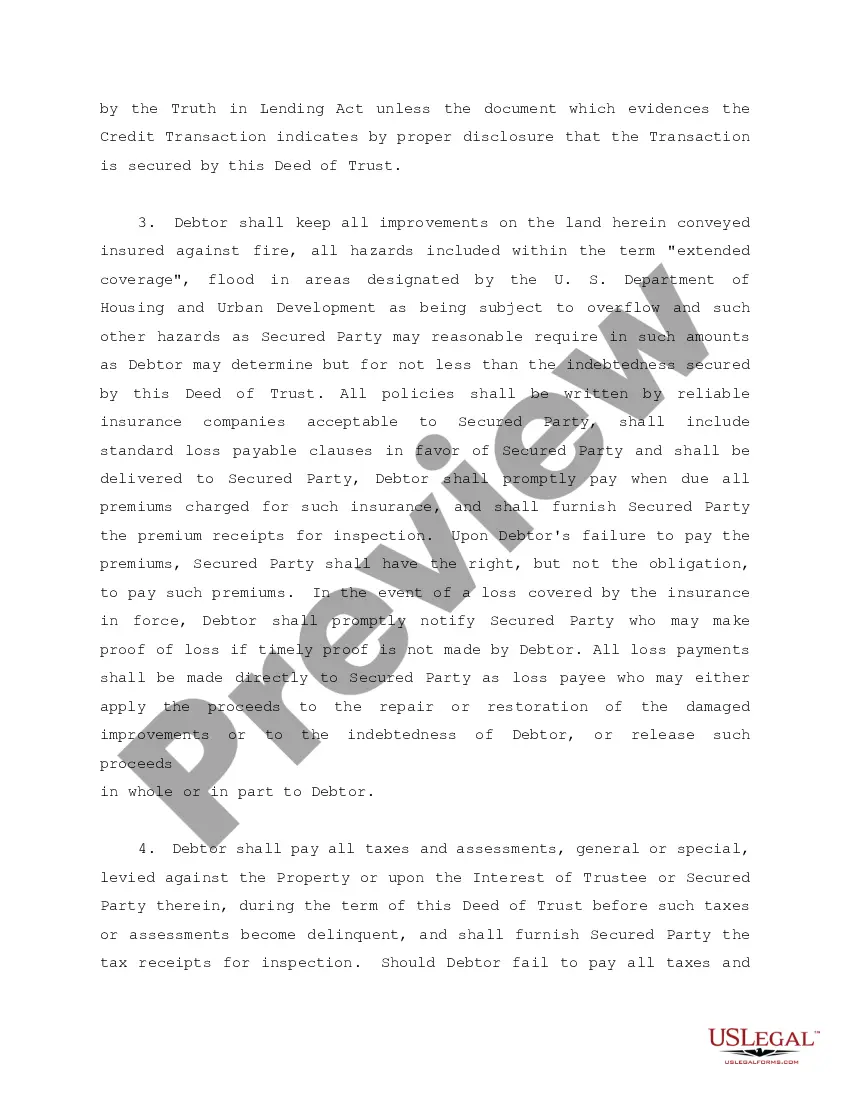
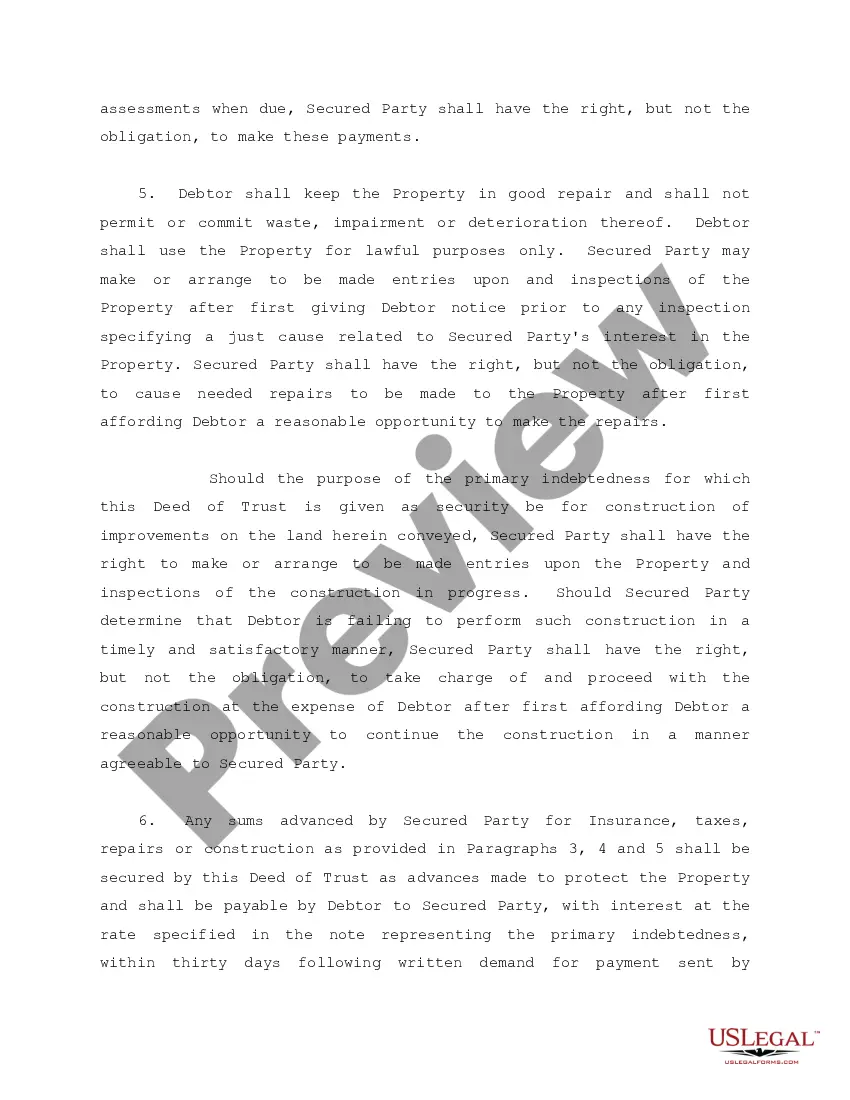
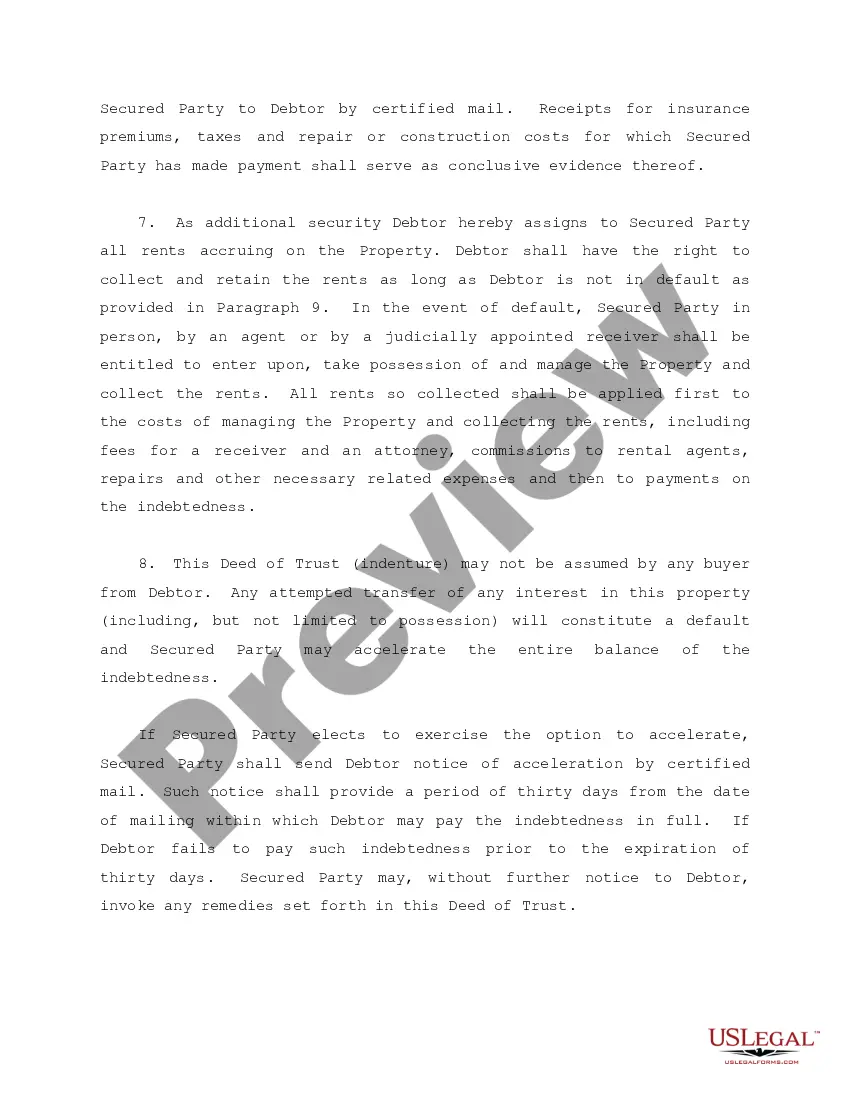
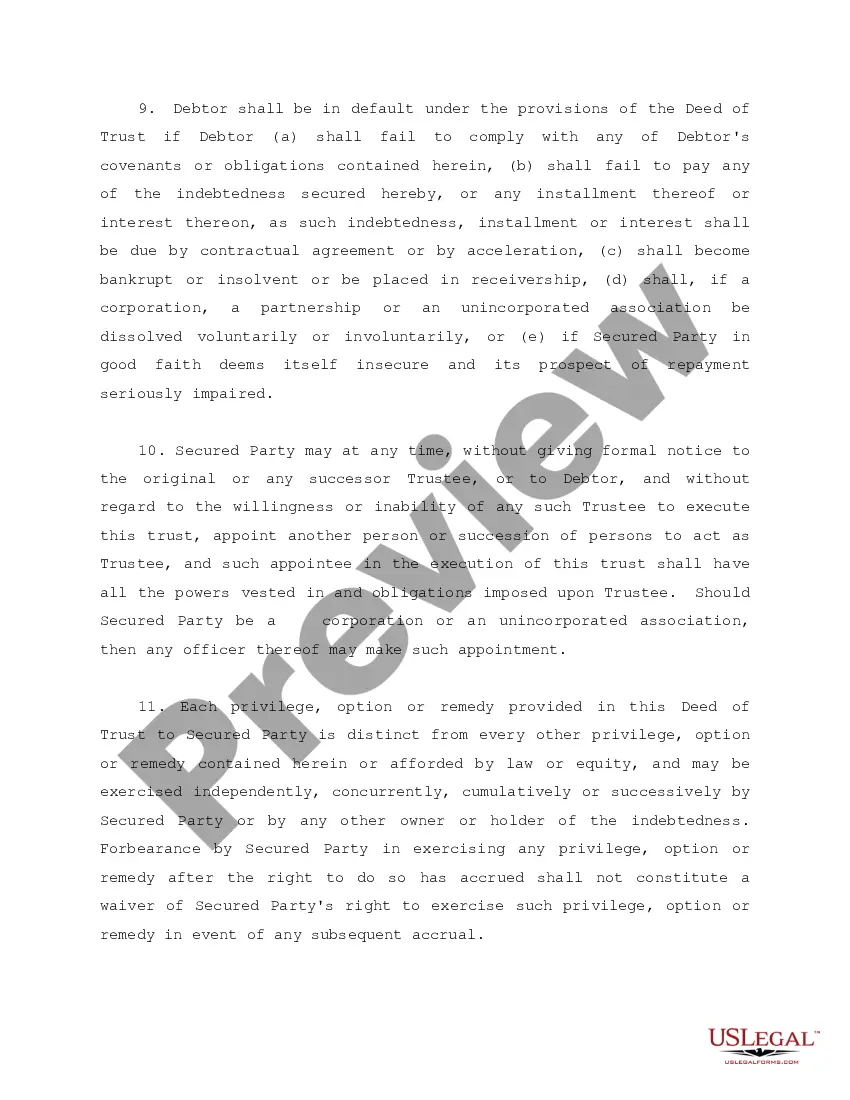
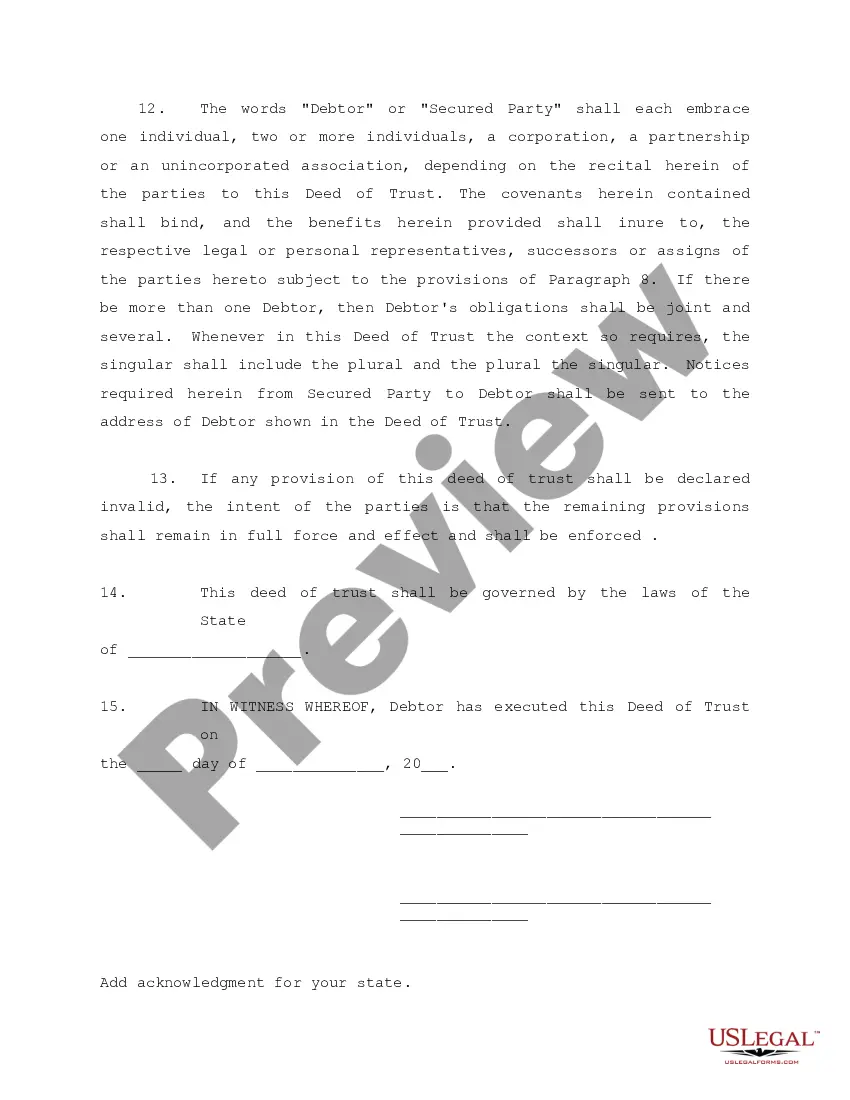
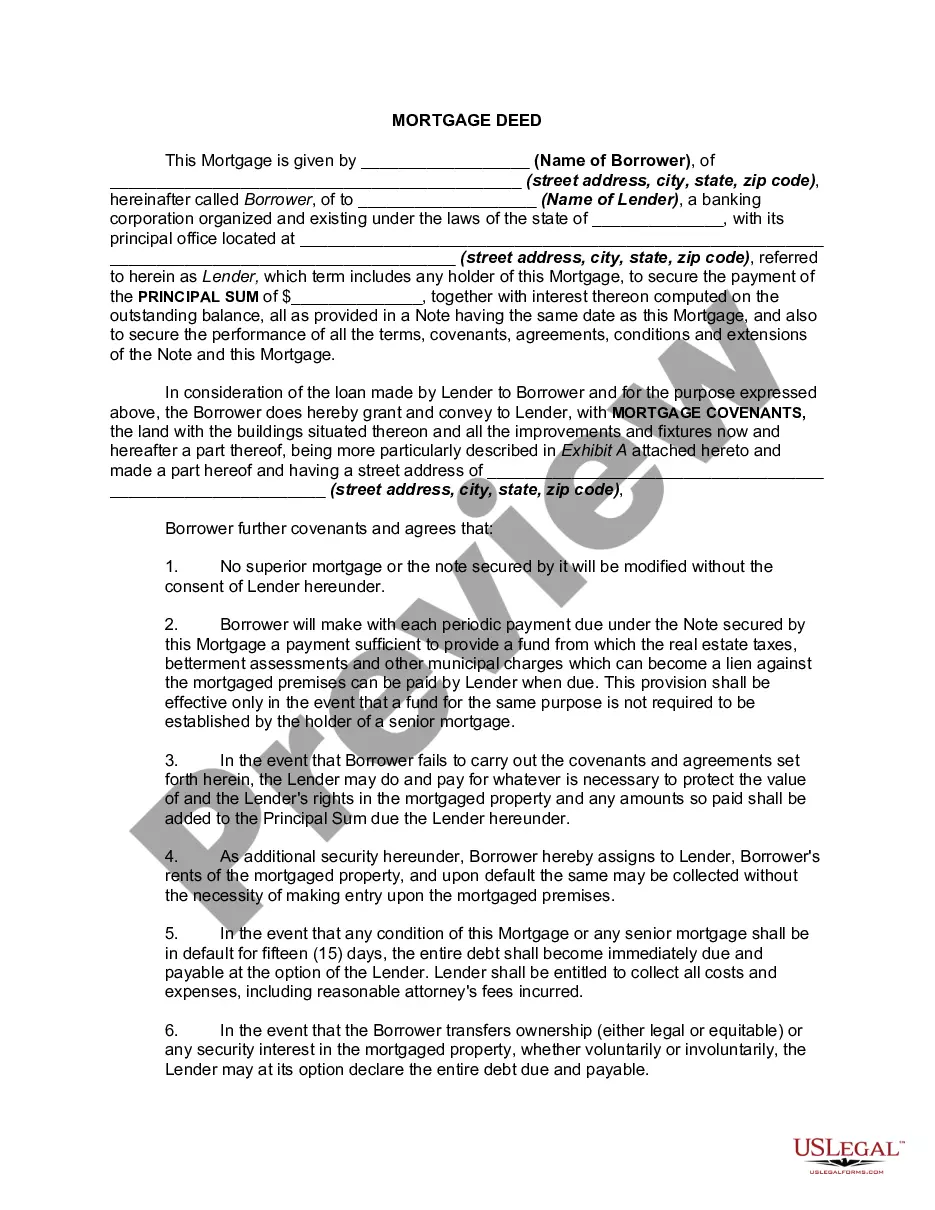

Get your form ready online
Our built-in tools help you complete, sign, share, and store your documents in one place.
Make edits, fill in missing information, and update formatting in US Legal Forms—just like you would in MS Word.
Download a copy, print it, send it by email, or mail it via USPS—whatever works best for your next step.
Sign and collect signatures with our SignNow integration. Send to multiple recipients, set reminders, and more. Go Premium to unlock E-Sign.
If this form requires notarization, complete it online through a secure video call—no need to meet a notary in person or wait for an appointment.
We protect your documents and personal data by following strict security and privacy standards.

Make edits, fill in missing information, and update formatting in US Legal Forms—just like you would in MS Word.

Download a copy, print it, send it by email, or mail it via USPS—whatever works best for your next step.

Sign and collect signatures with our SignNow integration. Send to multiple recipients, set reminders, and more. Go Premium to unlock E-Sign.

If this form requires notarization, complete it online through a secure video call—no need to meet a notary in person or wait for an appointment.

We protect your documents and personal data by following strict security and privacy standards.
Looking for another form?








Form popularity
FAQ
Key Takeaways Because loans that are secured have collateral backing them, they are considered less risky than loans that are unsecured, or that have no collateral backing.
A writ of garnishment allows a creditor to seize property from a debtor that is being held by a third party. While some property is exempt from garnishment in Texas, such as wages, other property such as bank accounts and stocks may be subject to garnishment.
If you think you have been harassed or deceived, you can even seek injunctions and damages against debt collectors. These actions are also violations of the Texas Deceptive Trade Practices/Consumer Protection Act, which gives the Attorney General the authority to take action in the public interest.
A Texas judgment is valid for ten years from the date it is signed by the judge. After the expiration of ten years the judgment is dormant for two years. During that two year period of dormancy the judgment cannot be enforced.
Texas law gives someone 4 years to bring a lawsuit for unpaid debt. This time period is commonly referred to as the statute of limitations. Once the time period is up, a person is prohibited from filing suit to recover the debt. This means the debt is time-barred.
Yes. This is known as the statute of limitations, and it is based on the date when you first stopped paying the original debt. Each state has it's own statute of limitations, ranging from as little as 3 or 4 years, to as much as 7 or 10 years (or even longer).
Texas does not have a state-sponsored debt relief program. However, there are accredited organizations and programs available to help residents tackle their debt.
If a property owner owes a debt to a creditor, contractor, or collection agency, that party may place a court-ordered lien against the property with the goal of collecting on the debt.
In many states, including California, unsecured creditors can become secured creditors and place a lien on your home.
Defenses you can use in a debt lawsuit Defense: Running the statute of limitations. The plaintiff must file a lawsuit within a set amount of time. Breach of contract by Plaintiff. No breach by Defendant. Discharge by bankruptcy. Statute of frauds. Satisfaction. Cancelation of contract. Lack of Consideration.
