Secure Debt Shall Forget The Day In Hennepin
Description

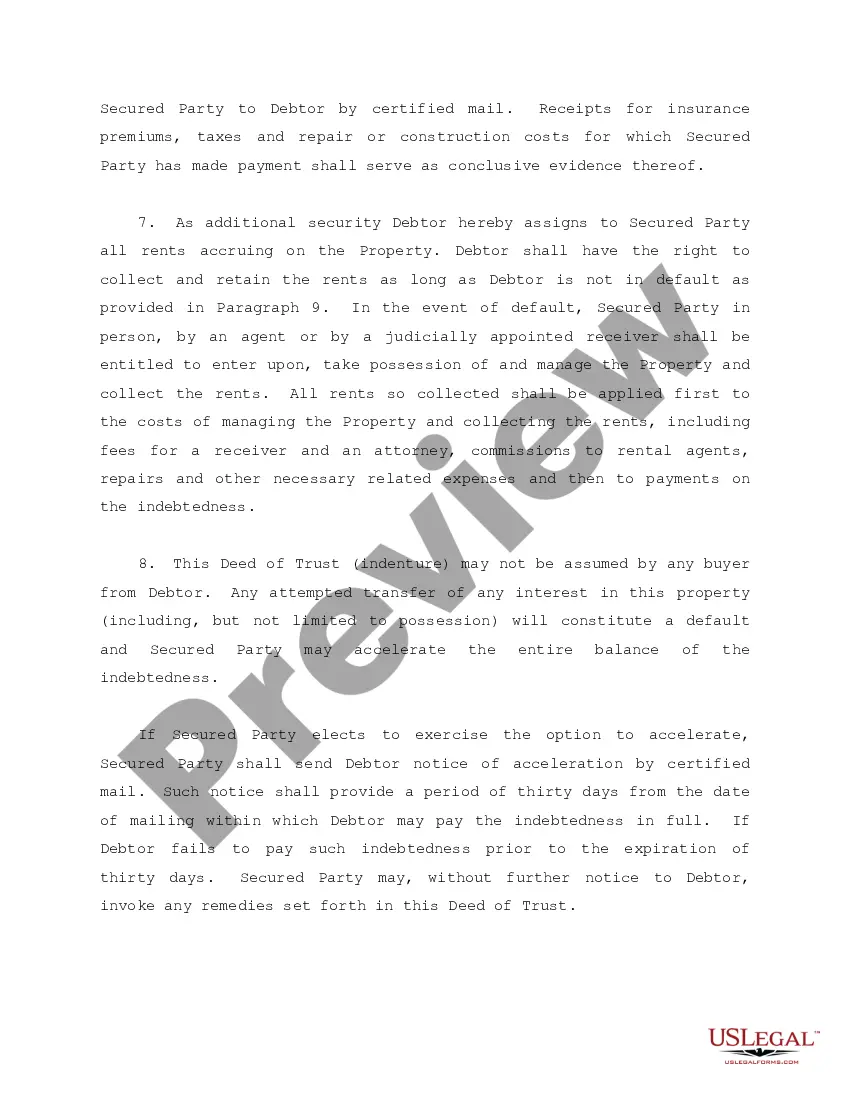
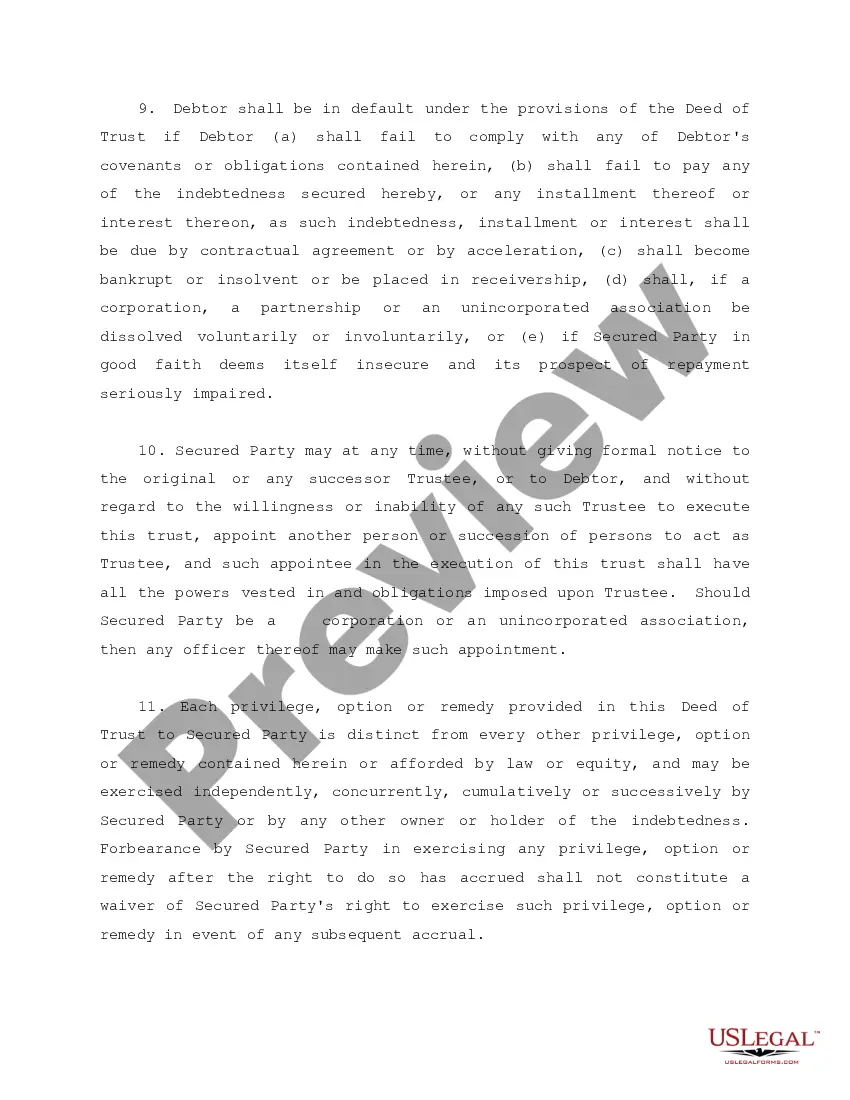
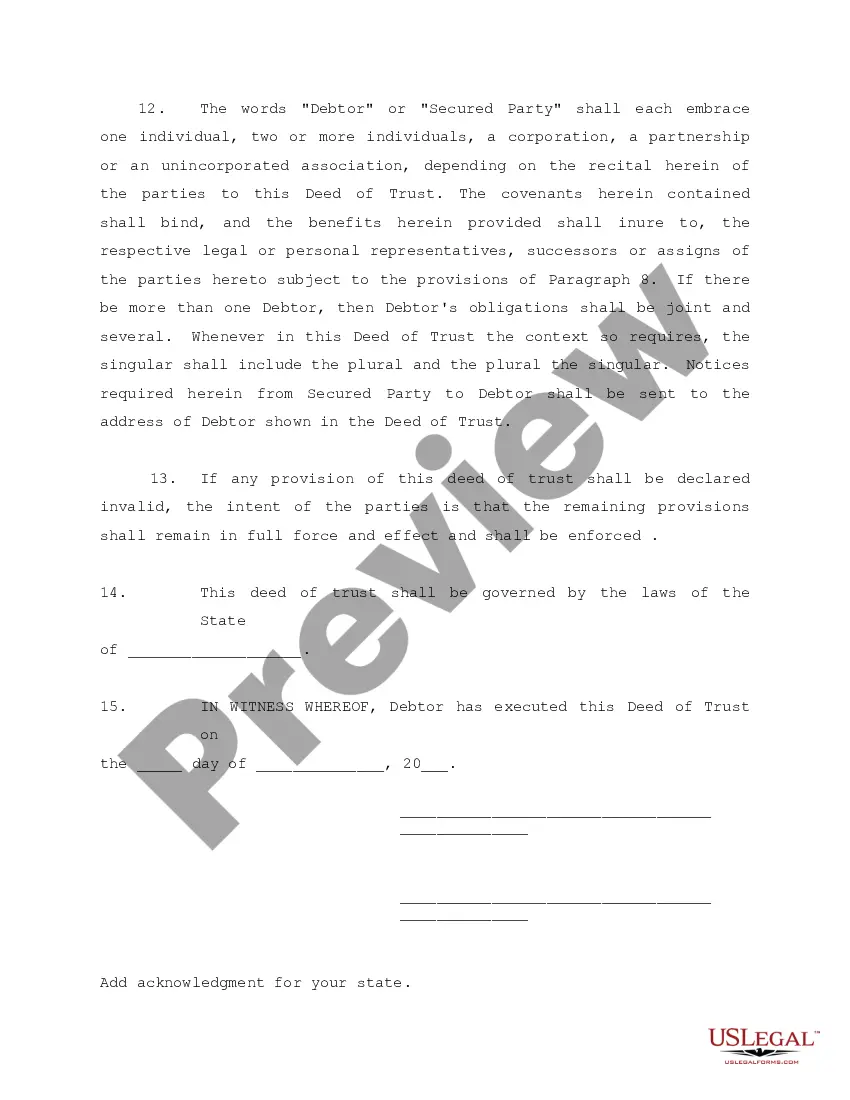
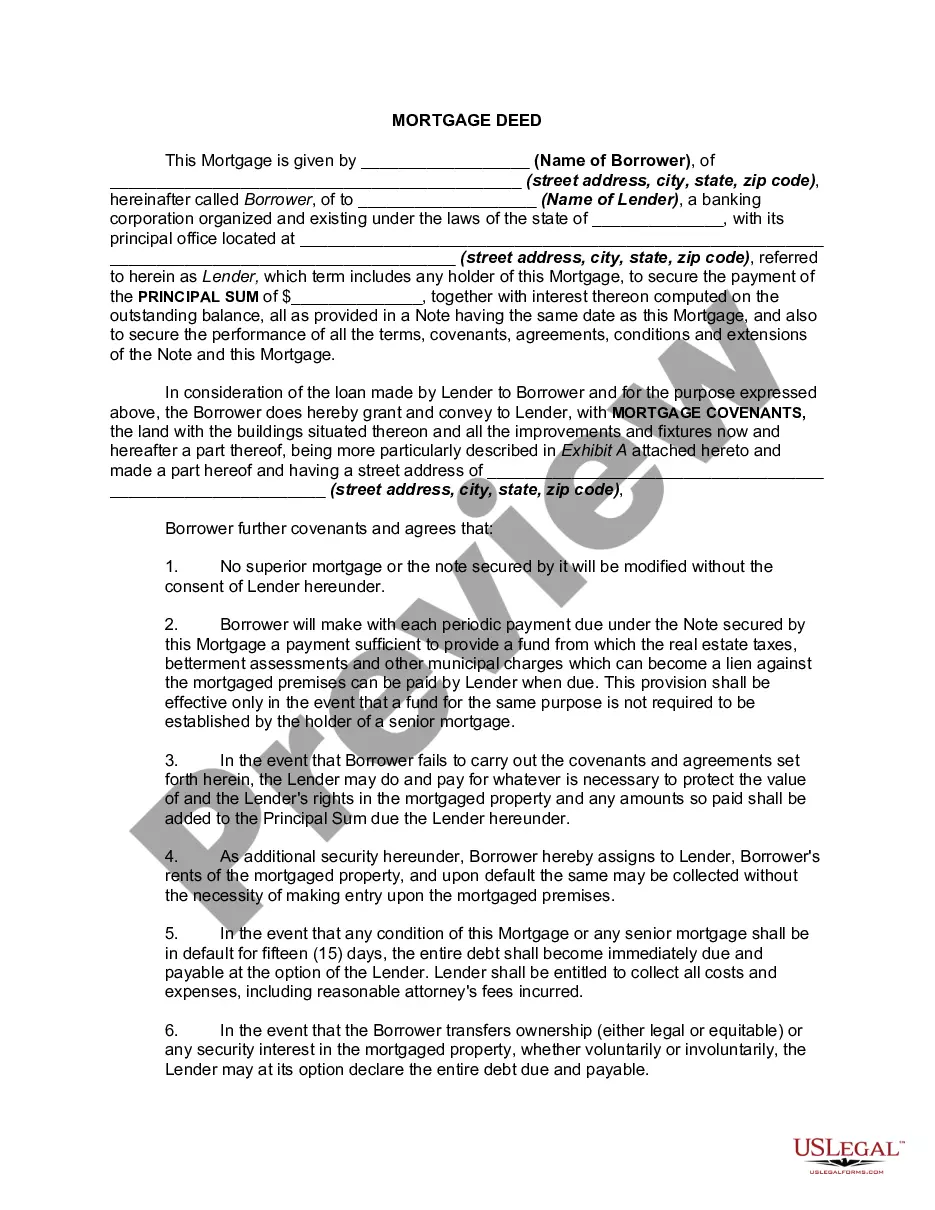

Get your form ready online
Our built-in tools help you complete, sign, share, and store your documents in one place.
Make edits, fill in missing information, and update formatting in US Legal Forms—just like you would in MS Word.
Download a copy, print it, send it by email, or mail it via USPS—whatever works best for your next step.
Sign and collect signatures with our SignNow integration. Send to multiple recipients, set reminders, and more. Go Premium to unlock E-Sign.
If this form requires notarization, complete it online through a secure video call—no need to meet a notary in person or wait for an appointment.
We protect your documents and personal data by following strict security and privacy standards.

Make edits, fill in missing information, and update formatting in US Legal Forms—just like you would in MS Word.

Download a copy, print it, send it by email, or mail it via USPS—whatever works best for your next step.

Sign and collect signatures with our SignNow integration. Send to multiple recipients, set reminders, and more. Go Premium to unlock E-Sign.

If this form requires notarization, complete it online through a secure video call—no need to meet a notary in person or wait for an appointment.

We protect your documents and personal data by following strict security and privacy standards.
Looking for another form?






Form popularity
FAQ
Rule 69. In aid of the judgment or execution, the judgment creditor, or successor in interest when that interest appears of record, may obtain discovery from any person, including the judgment debtor, in the manner provided by these rules.
How long does a judgment last? Judgments last for ten years and then can be renewed for another ten years. There is no limit to how many times a judgment can be renewed as long as the creditor takes the appropriate steps every ten years. So a judgment against you will potentially last forever.
Garnishing Your Wages If you do not object within ten days, your wages can be garnished. If you are eligible for and wish to claim an “exemption” from garnishment, it is important that you complete and return the necessary paperwork, which can be submitted anytime during the garnishment.
Step 1: Docket the judgment. Step 2: Request an Order for Disclosure. Step 3: Request an Order to Show Cause. Step 4: Send the judgment debtor notice that you plan to start collecting. Step 5: Request a Writ of Execution from court administration. Step 6: Take the paperwork to the sheriff's office.
If you have questions, please call the Conciliation Court at (612) 348-6000.
A losing party pays attorney fees only if the winner is specifically given the right to recover legal fees in a contract between the parties or through a state or federal law. Learn about preparing a defense in Disputing a Small Claims Court Case: Fight Back.
No. Court procedures are simplified to allow you to represent yourself. You may have an attorney only if the judge lets you. Also, the judge can decide how the attorney participates.
The maximum amount you may recover through conciliation court is $15,000. (The maximum for consumer credit transactions is $4,000.) You cannot file a claim in conciliation court that exceeds the monetary limit set by law.
Call the Warrant Helpline at (612) 540-6485 This service gives you an opportunity to schedule a date to take care of it. If you have an attorney, you or your attorney can call and schedule court. Hours: a.m. to p.m., Monday-Friday, but you can leave a voicemail after hours and we will call you back.
Currently, the monetary jurisdictional limit is $15,000 ($4,000 if the claim involves a consumer credit transaction). You cannot file a claim involving title to real estate, slander, class actions, or medical malpractice in Conciliation Court.