Blank Deed Of Trust Withdrawal In Collin
Description


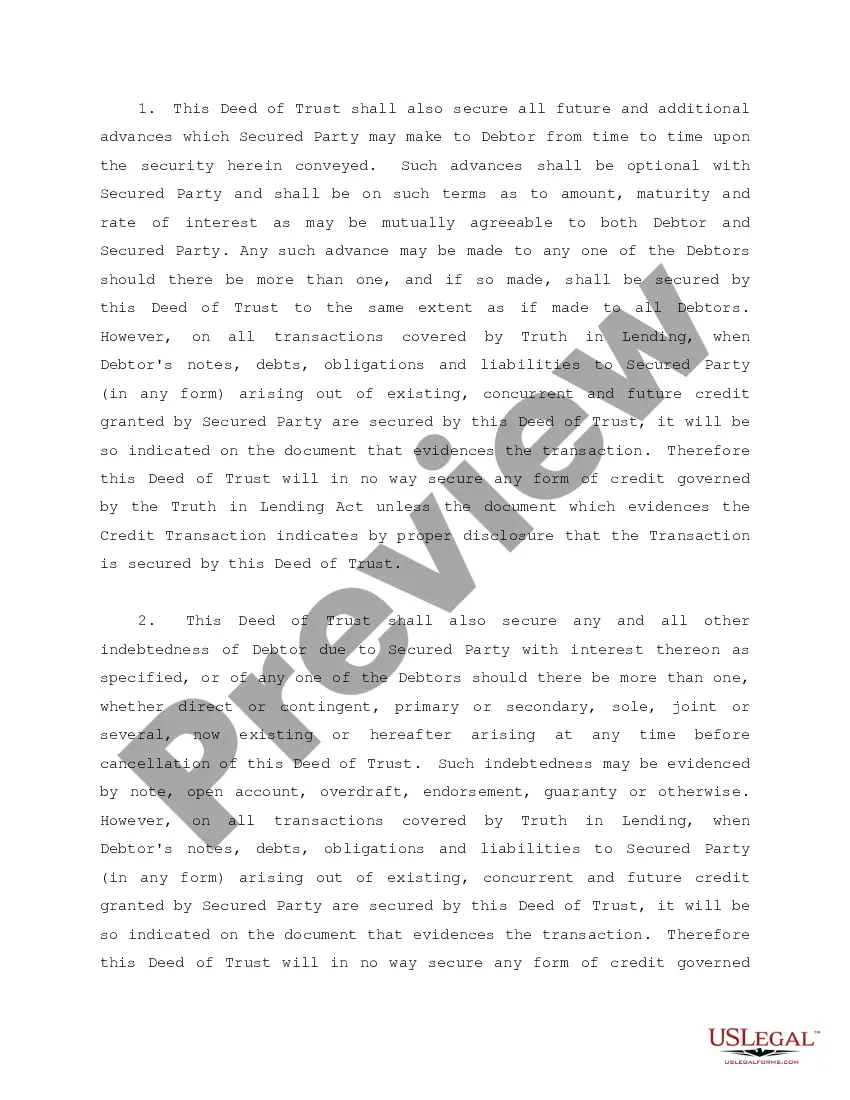
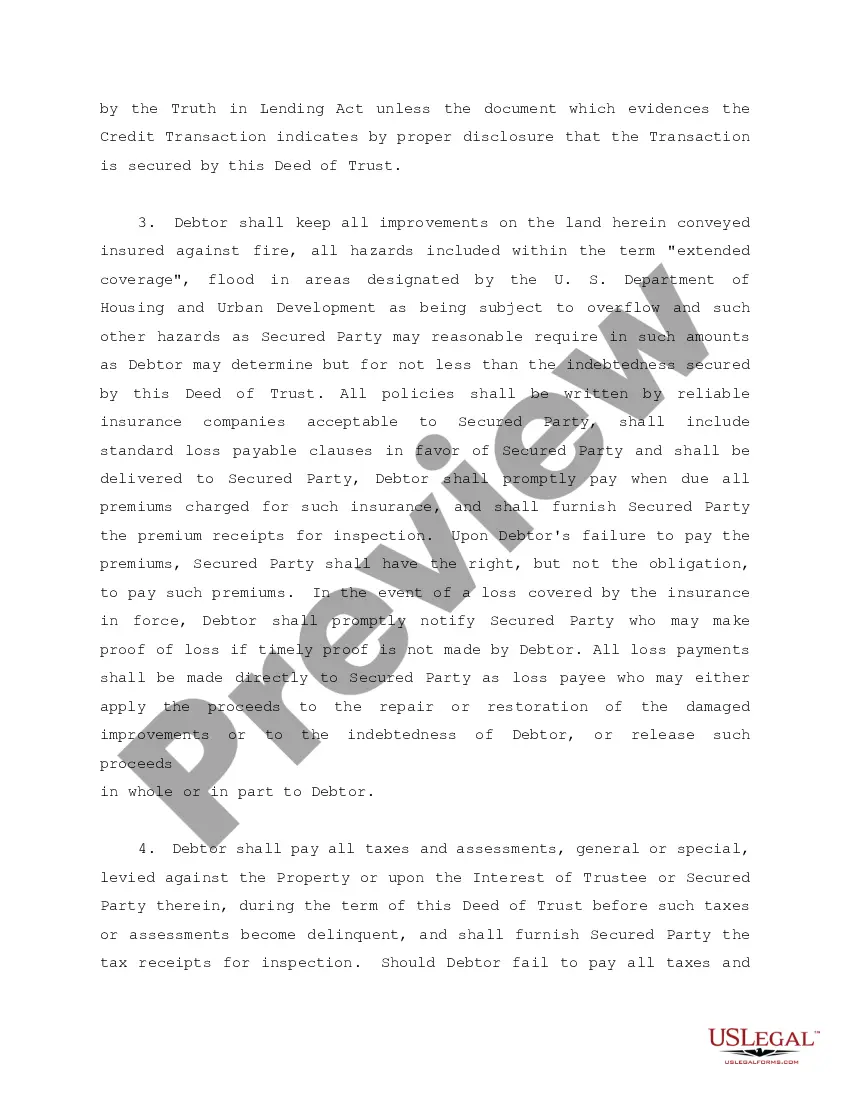
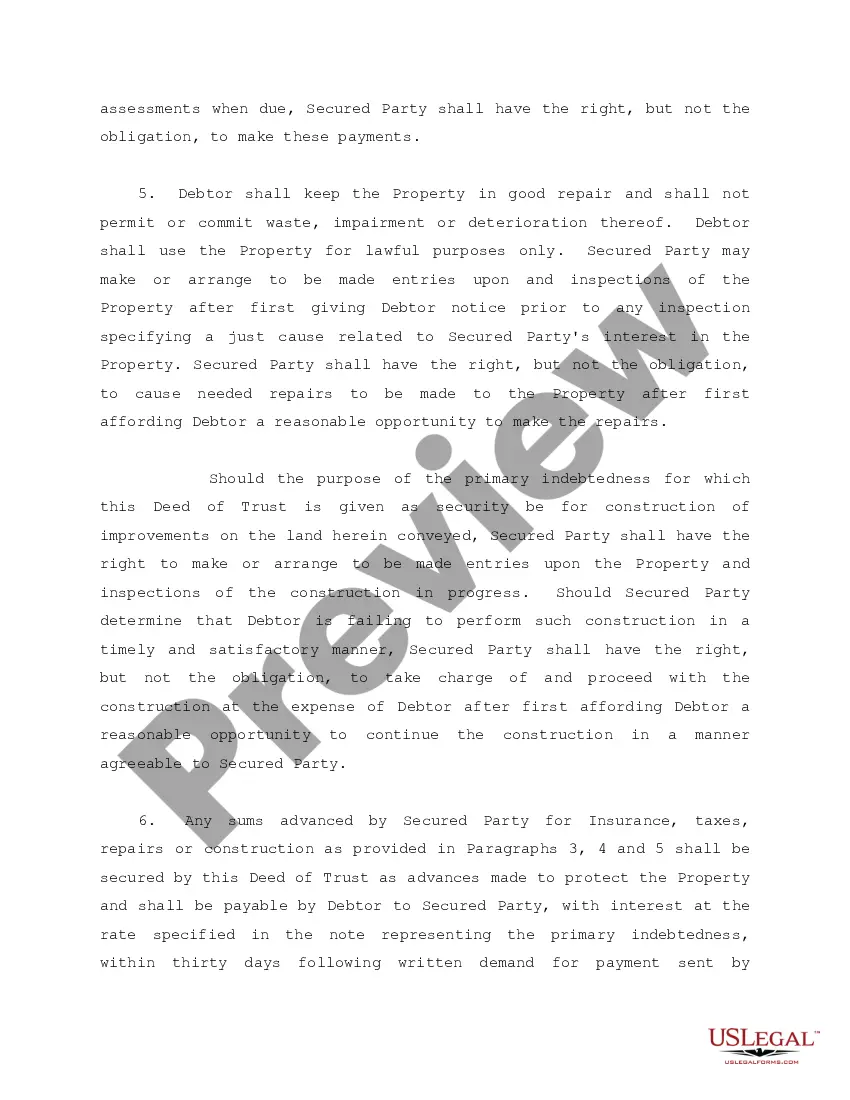
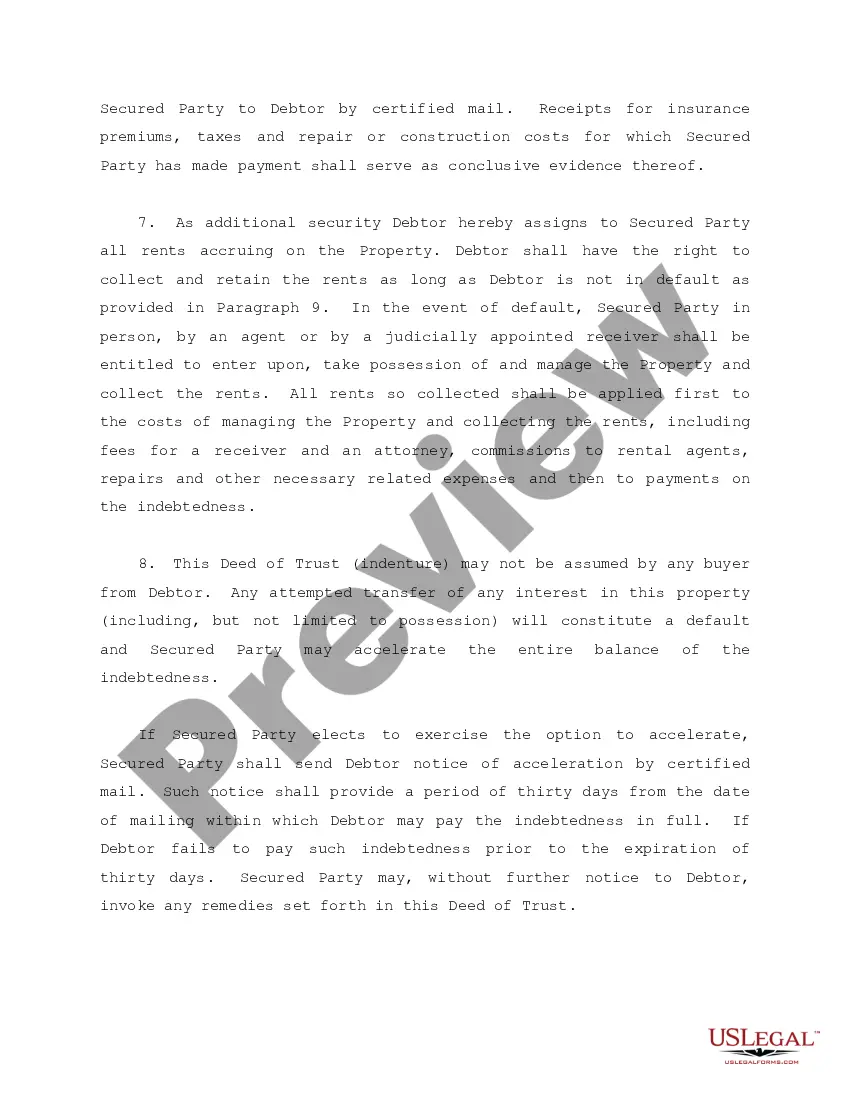
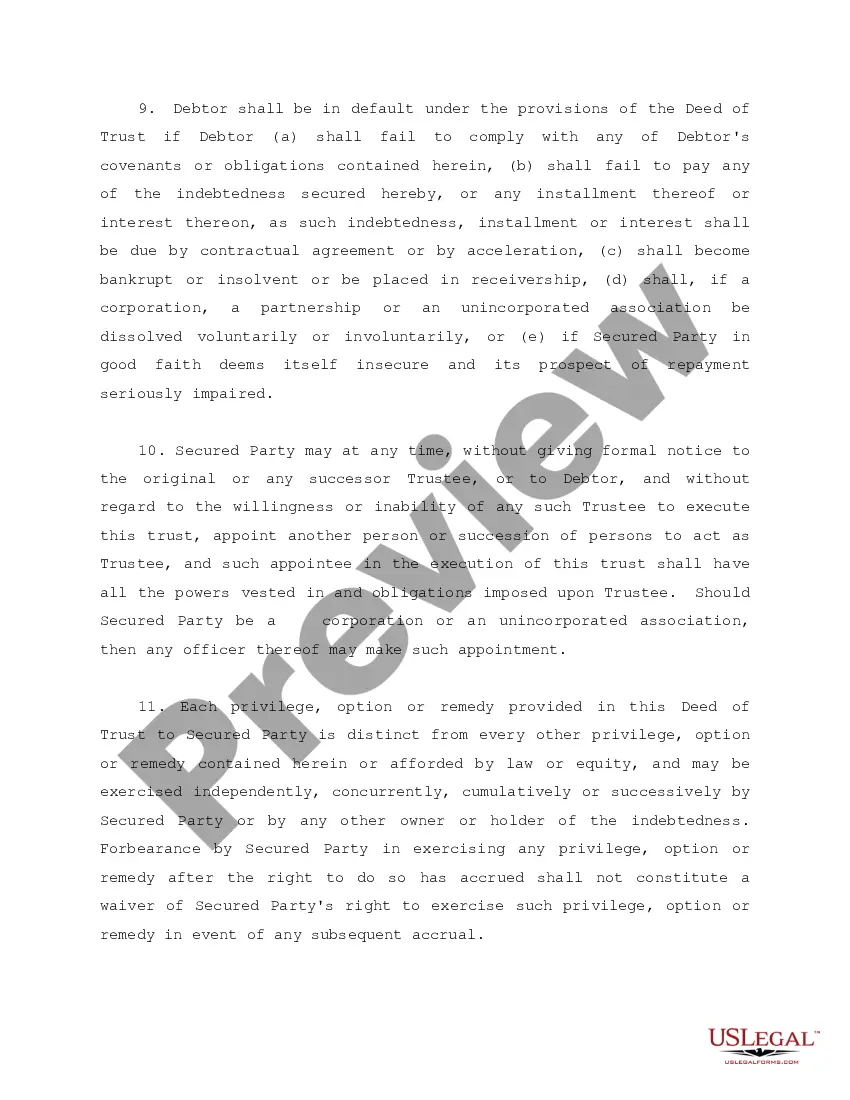
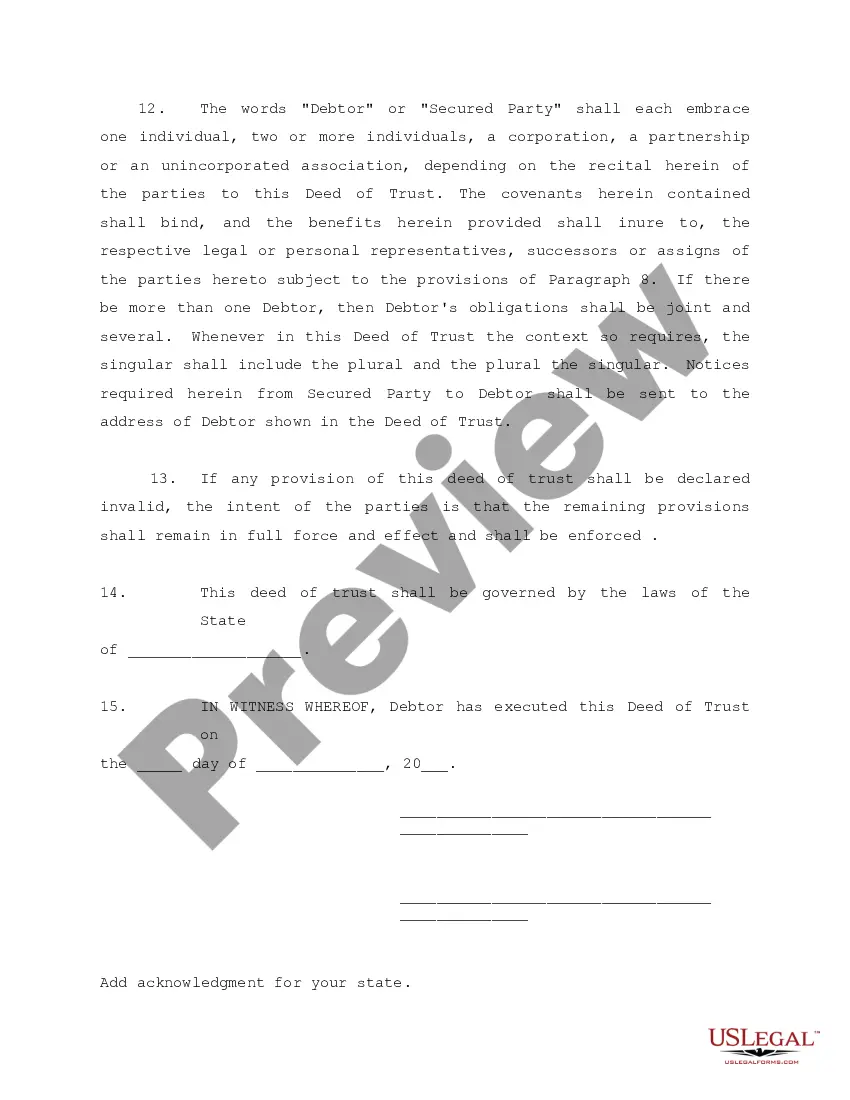
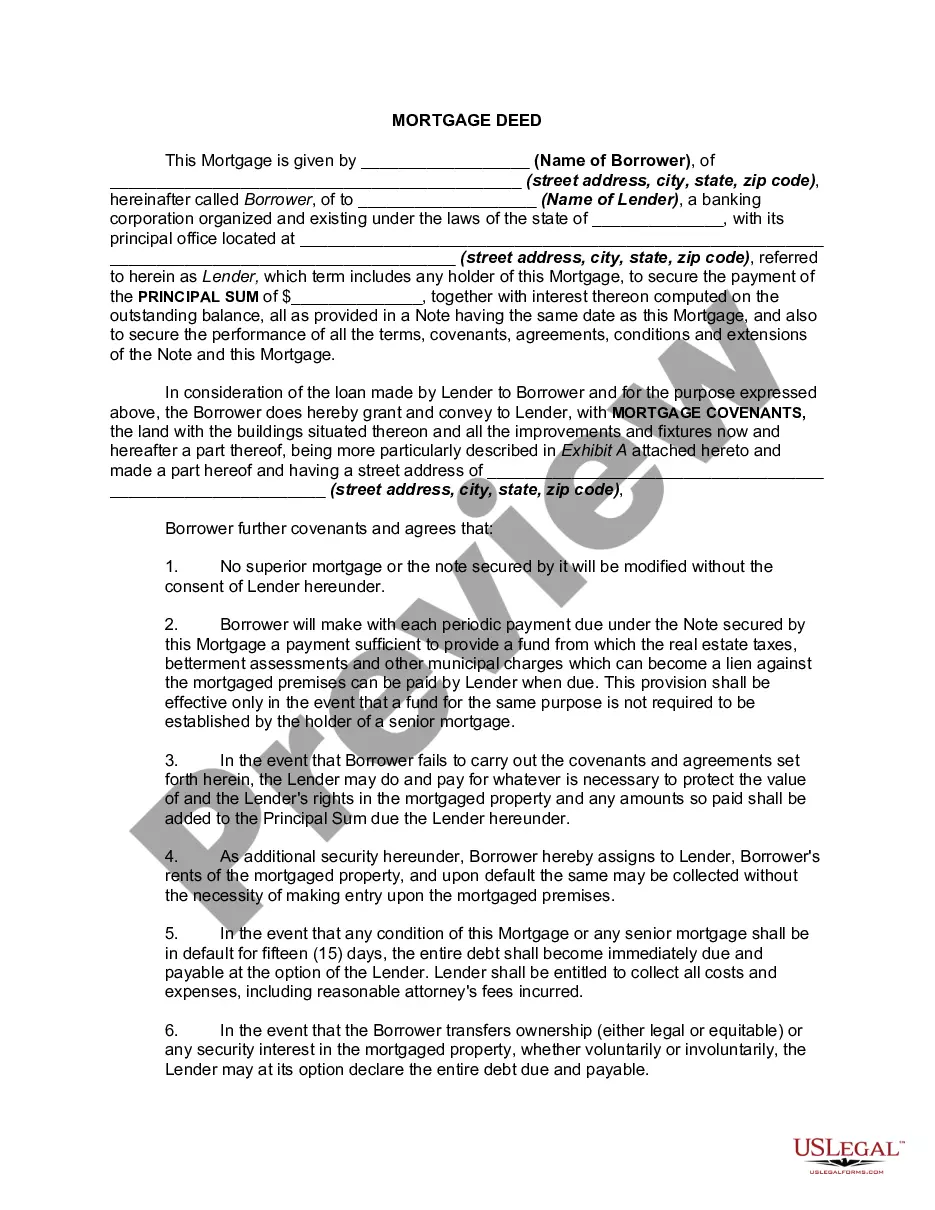

Get your form ready online
Our built-in tools help you complete, sign, share, and store your documents in one place.
Make edits, fill in missing information, and update formatting in US Legal Forms—just like you would in MS Word.
Download a copy, print it, send it by email, or mail it via USPS—whatever works best for your next step.
Sign and collect signatures with our SignNow integration. Send to multiple recipients, set reminders, and more. Go Premium to unlock E-Sign.
If this form requires notarization, complete it online through a secure video call—no need to meet a notary in person or wait for an appointment.
We protect your documents and personal data by following strict security and privacy standards.

Make edits, fill in missing information, and update formatting in US Legal Forms—just like you would in MS Word.

Download a copy, print it, send it by email, or mail it via USPS—whatever works best for your next step.

Sign and collect signatures with our SignNow integration. Send to multiple recipients, set reminders, and more. Go Premium to unlock E-Sign.

If this form requires notarization, complete it online through a secure video call—no need to meet a notary in person or wait for an appointment.

We protect your documents and personal data by following strict security and privacy standards.
Looking for another form?







Form popularity
FAQ
Through a deed of release of mortgage, also called a release of deed of trust, the lender agrees to remove the deed of trust, which is the document containing all of the mortgage's terms and conditions that is filed at the beginning of the mortgage process.
Through a deed of release of mortgage, also called a release of deed of trust, the lender agrees to remove the deed of trust, which is the document containing all of the mortgage's terms and conditions that is filed at the beginning of the mortgage process.
Requirements for Release of Deed of Trust Authorized Signatures: The lender or an authorized representative must sign the release, and it often requires notarization.
Requirements for Release of Deed of Trust Accurate Information: The release must include precise details of the original deed of trust, including recording information and property description. Authorized Signatures: The lender or an authorized representative must sign the release, and it often requires notarization.
Transfers of real property must be in writing and notarized. Deeds should be recorded in the county where the property is located. To ensure a legal change to the property title, you'll want the services of an attorney. A qualified attorney will prepare and file the real estate transfer deed.
The appropriate person must sign the document, and that person's signature must be notarized (i.e., Release, Deed of Trust, Deed, etc.). A Release issued by the Internal Revenue Service is not required to be notarized. The document must include legal descriptions when applicable.
Processing a Release of Deed of Trust Execution: The lender or authorized agent signs the release, and it is notarized as required. Recording: The release is submitted to the county recorder's office for official recording, making it part of the public record.
If you need help finding a item not listed, please call (972) 548-4100 (McKinney) or (972) 424-1460 (Metro). For a full listing of departments please see the Department Directory. You can use the search box to filter services and find what you are looking for quickly.
County Officials NamePosition Stacey Kemp County Clerk Steve Asher Constable, Precinct 4 Susan Fletcher Commissioner, Precinct 1 Tim Nolan GIS/Rural Addressing59 more rows
If the project is located in Collin county, then yes, you will want to record your lien with the Collin County, Texas Clerk's office.
