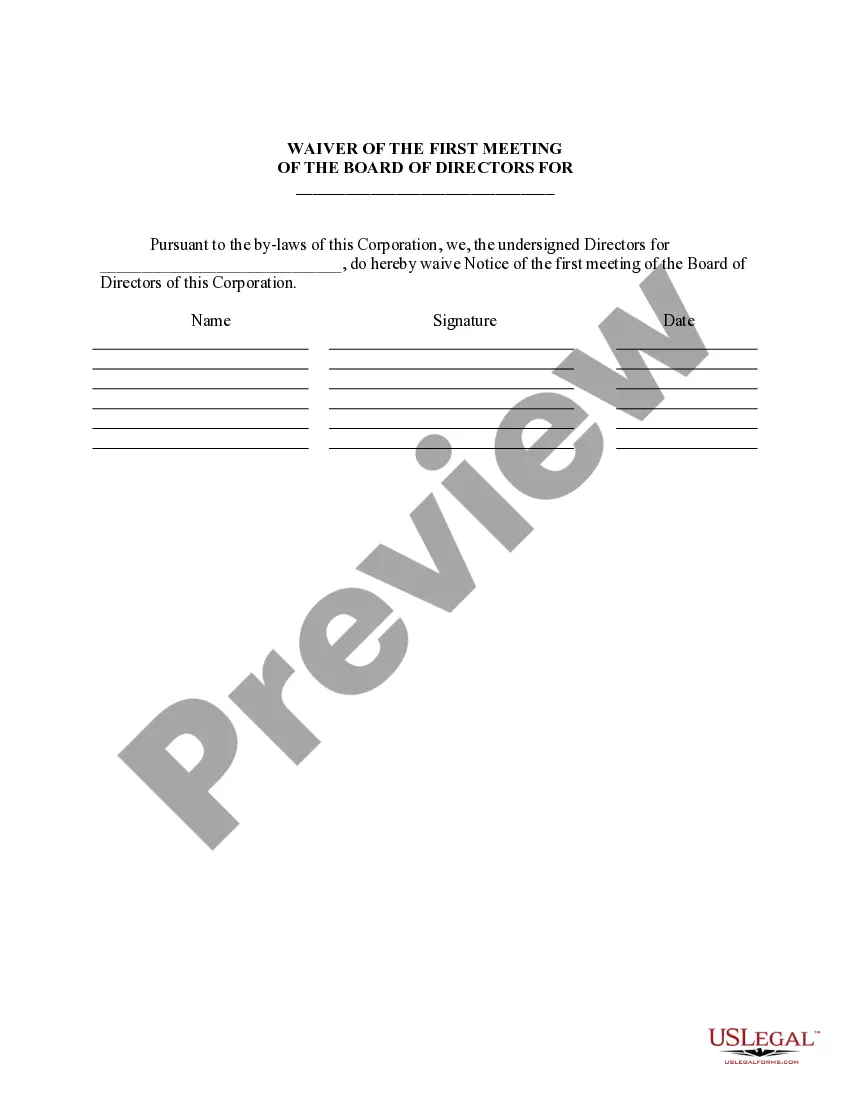
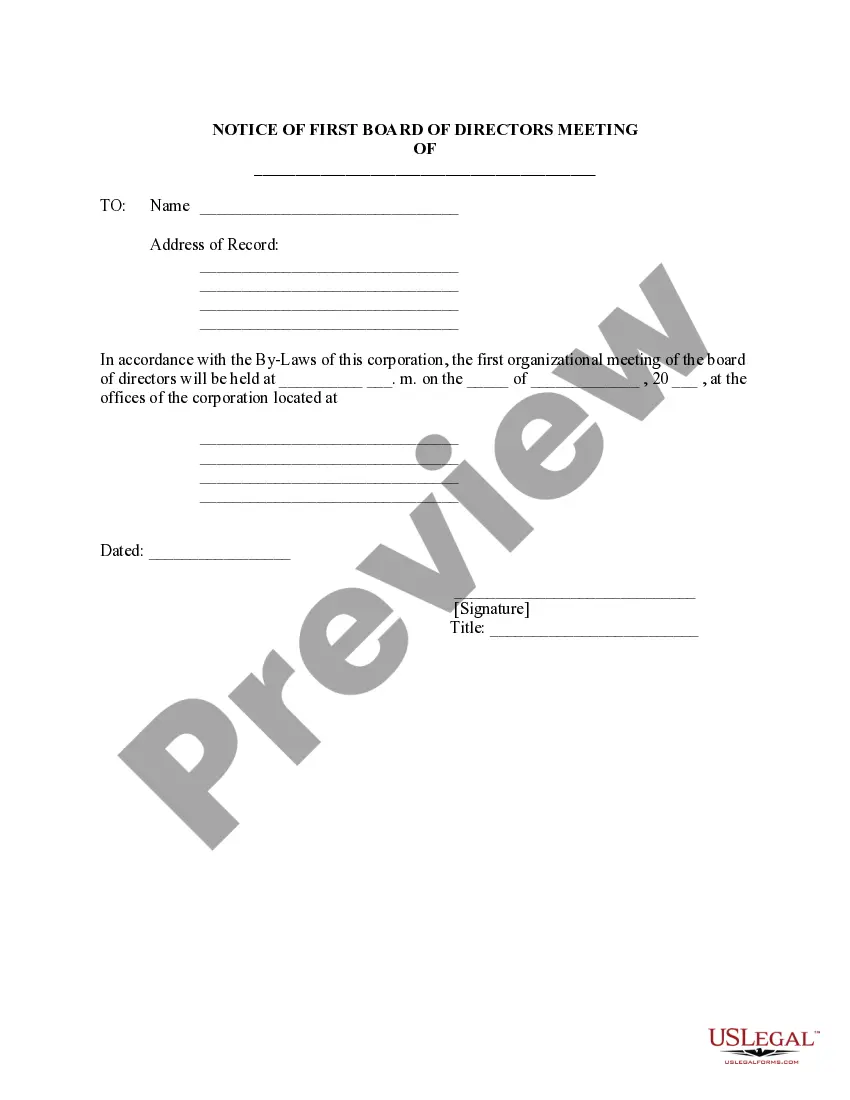
Board Directors Corporate Without Ceo In Wake
Description


Get your form ready online
Our built-in tools help you complete, sign, share, and store your documents in one place.
Make edits, fill in missing information, and update formatting in US Legal Forms—just like you would in MS Word.
Download a copy, print it, send it by email, or mail it via USPS—whatever works best for your next step.
Sign and collect signatures with our SignNow integration. Send to multiple recipients, set reminders, and more. Go Premium to unlock E-Sign.
If this form requires notarization, complete it online through a secure video call—no need to meet a notary in person or wait for an appointment.
We protect your documents and personal data by following strict security and privacy standards.

Make edits, fill in missing information, and update formatting in US Legal Forms—just like you would in MS Word.

Download a copy, print it, send it by email, or mail it via USPS—whatever works best for your next step.

Sign and collect signatures with our SignNow integration. Send to multiple recipients, set reminders, and more. Go Premium to unlock E-Sign.

If this form requires notarization, complete it online through a secure video call—no need to meet a notary in person or wait for an appointment.

We protect your documents and personal data by following strict security and privacy standards.
Looking for another form?
Form popularity
FAQ
Typically, a director is (or should be) a shareholder in the company. Directors are appointed, i.e. voted into office, by the shareholders of a company at a properly convened meeting of shareholders.
Yes, private companies have a board of directors. The board typically consists of the CEO, CFO, and other high-level executives. The board provides oversight and guidance to the company. The board of directors is responsible for setting the strategy and direction of the company.
In a private company the owners either run the company themselves or have the same power to replace the CEO/CFO, set company goals, determine executive compensation, etc. They can still have a Board of Directors as well, but it is not required.
Unless the issue has to do with the CEO's job, many foundations agree: There is no good reason why a CEO could not or should not serve on the board.
A small business run by a founder rarely needs to hire a CEO. In most such businesses, the founder is the CEO. The same person makes all decisions, even for the smallest of things. However, once a company grows, the founder may struggle to manage a large and complex organization.
Federal and state-level laws, as well as a company's incorporation documents, require public and private corporations in the U.S. to have boards of directors (BoDs). Although private LLCs do not have the same requirements, some choose to elect a board of directors after incorporating.
If the CEO is not also a board member, it is normal for them to attend most board meetings to report on progress, however from time to time it may be appropriate for board meetings to be held without the CEO.
The role of the board is to represent the best interests of the company and its shareholders. Under U.S. law, members of a board of directors have a fiduciary duty to act in good faith to make diligent, prudent decisions they believe will benefit the company.
In most large corporate entities, the CEO will report into a board of directors, however many entrepreneurs do call themselves a CEO without a BOD, so are they right to be a “chief” of other officers? This is an important point to highlight as many use the title of Founder/Owner and CEO interchangeably.