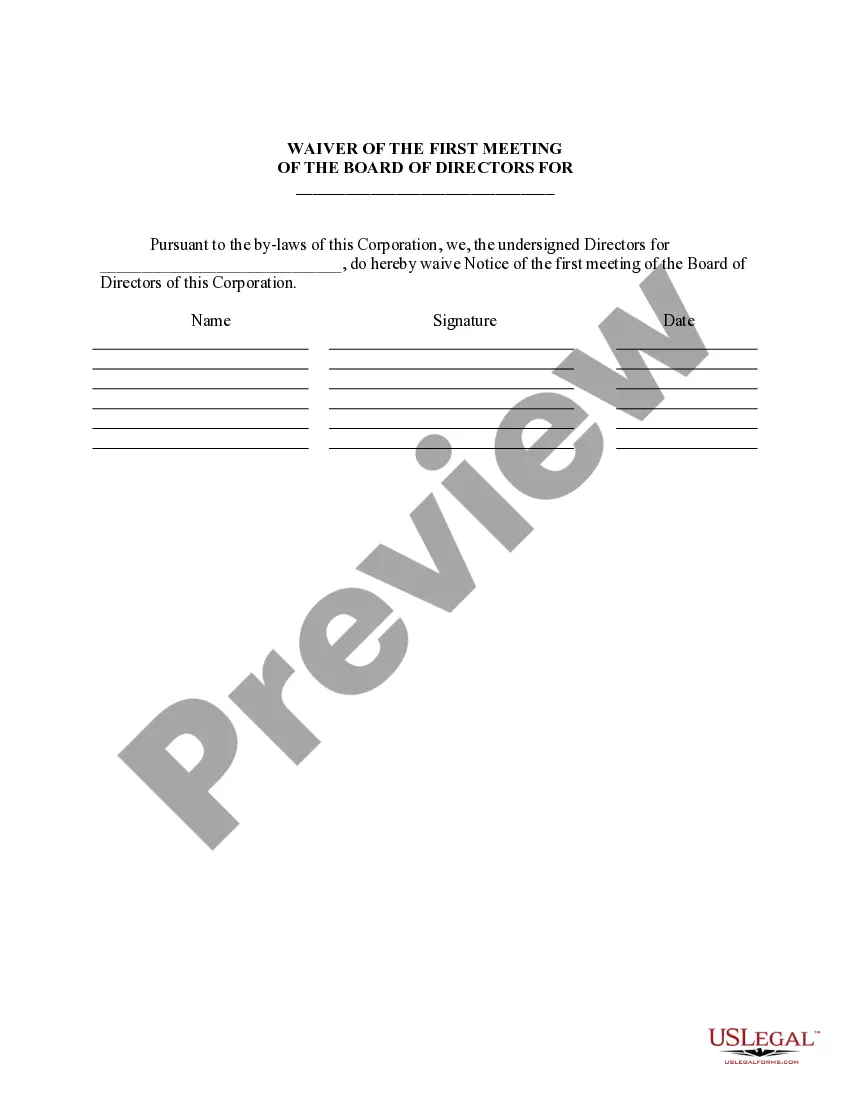
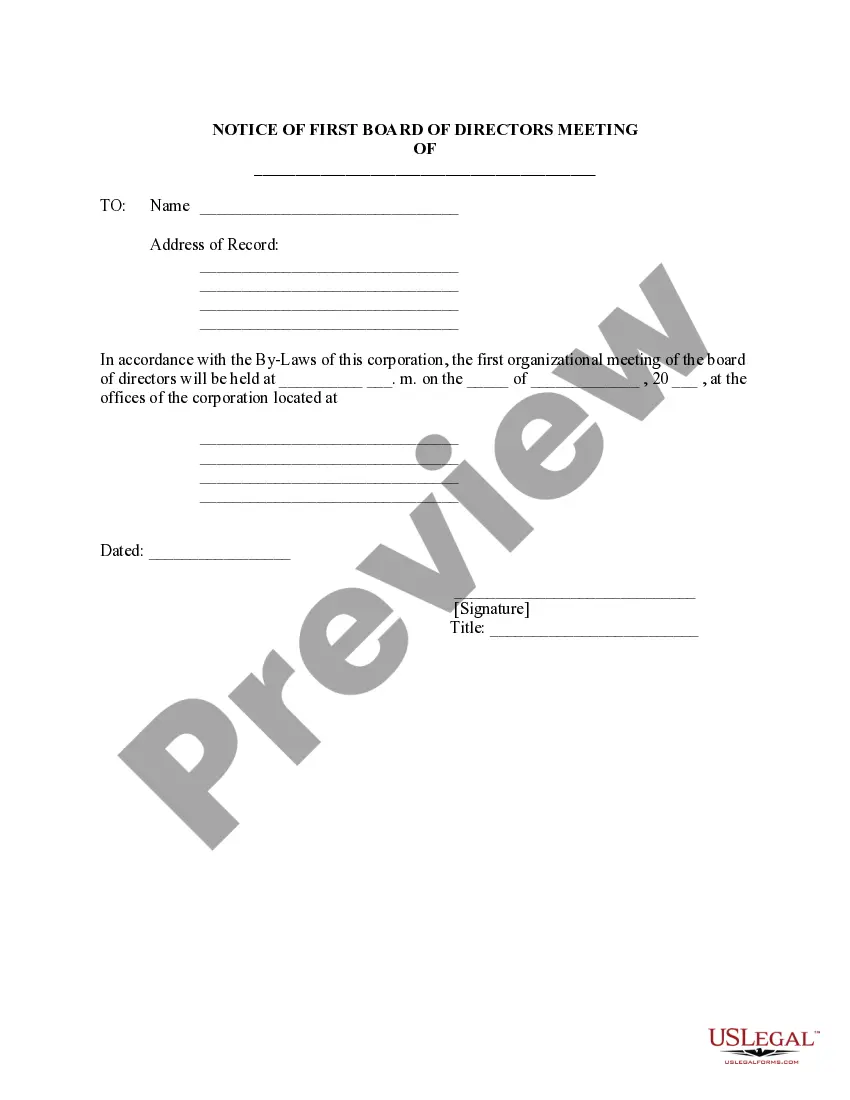
Board Directors Corporate With Shareholders In Suffolk
Description


Get your form ready online
Our built-in tools help you complete, sign, share, and store your documents in one place.
Make edits, fill in missing information, and update formatting in US Legal Forms—just like you would in MS Word.
Download a copy, print it, send it by email, or mail it via USPS—whatever works best for your next step.
Sign and collect signatures with our SignNow integration. Send to multiple recipients, set reminders, and more. Go Premium to unlock E-Sign.
If this form requires notarization, complete it online through a secure video call—no need to meet a notary in person or wait for an appointment.
We protect your documents and personal data by following strict security and privacy standards.

Make edits, fill in missing information, and update formatting in US Legal Forms—just like you would in MS Word.

Download a copy, print it, send it by email, or mail it via USPS—whatever works best for your next step.

Sign and collect signatures with our SignNow integration. Send to multiple recipients, set reminders, and more. Go Premium to unlock E-Sign.

If this form requires notarization, complete it online through a secure video call—no need to meet a notary in person or wait for an appointment.

We protect your documents and personal data by following strict security and privacy standards.
Looking for another form?



Form popularity
FAQ
Shareholders and directors have two completely different roles in a company. The shareholders (also called members) own the company by owning its shares and the directors manage it. Unless the articles say so (and most do not) a director does not need to be a shareholder and a shareholder has no right to be a director.
While every board member is a shareholder, not every shareholder is automatically a board member. Shareholders who own a certain percentage of the company's shares (usually 10 percent or more) are eligible to serve on the board. However, they must be nominated and elected by the other shareholders.
To be clear, the people who are on the board of directors are usually shareholders in the corporation. As mentioned above, the people who are appointed to the board of directors are voted in by the shareholders. There are usually less members on the board of directors that there are shareholders in the corporation.
“Yes, they can,” says Brotherton. “You sometimes see that in larger organizations, or with a smaller company, depending on whether there's a shareholders' agreement, which may call for a board seat for a shareholder.”
Who Should Not Serve On A Board Of Directors? Those Who Lack Objectivity. People Who Are All Talk And No Action. Those Who Are Conflict-Averse. People Who Don't Play Well With Others. Those Who Are Greedy. People Who Are Resistant To Change. People Who Are Not Team Players. People Who Don't Believe in the Mission.
Four different ways to register your business name Entity name. An entity name can protect the name of your business at a state level. Trademark. A trademark can protect the name of your business, goods, and services at a national level. Doing business as (DBA) name. Domain name.
How to do a business name search in California: Visit the California Business Search. Scroll down and enter all or part of your business name in the Search bar. Click the down arrow for Advanced Search. Filter by keyword, exact match, or “begins with.” Click “Search.”
How do I register a business in Suffolk County? Contact the Suffolk County Clerk located in Riverhead at (631) 852-2000.
The answer to this question is both yes and no. While every board member is a shareholder, not every shareholder is automatically a board member. Shareholders who own a certain percentage of the company's shares (usually 10 percent or more) are eligible to serve on the board.
Board members are added—and removed—by a vote. For publicly traded companies, shareholders vote for directors, typically during the annual stockholders' meeting.