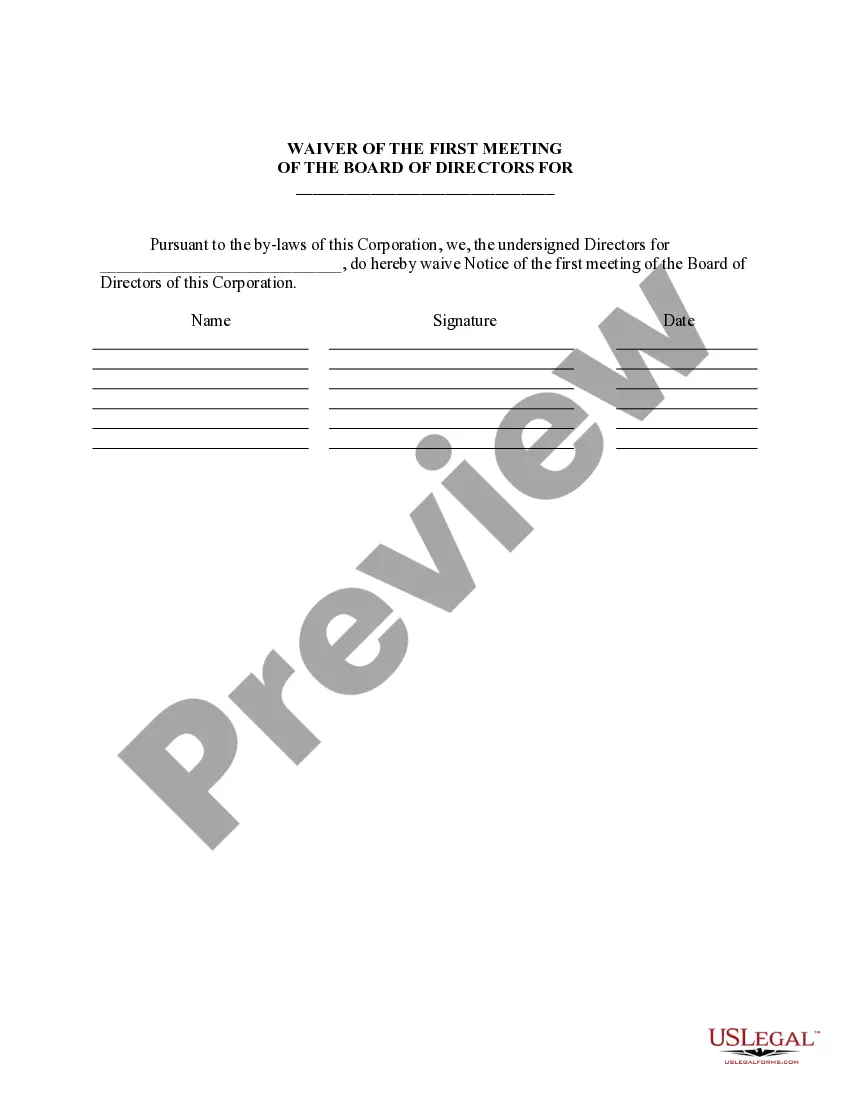
Board Directors Corporate Without Ceo In Montgomery
Description
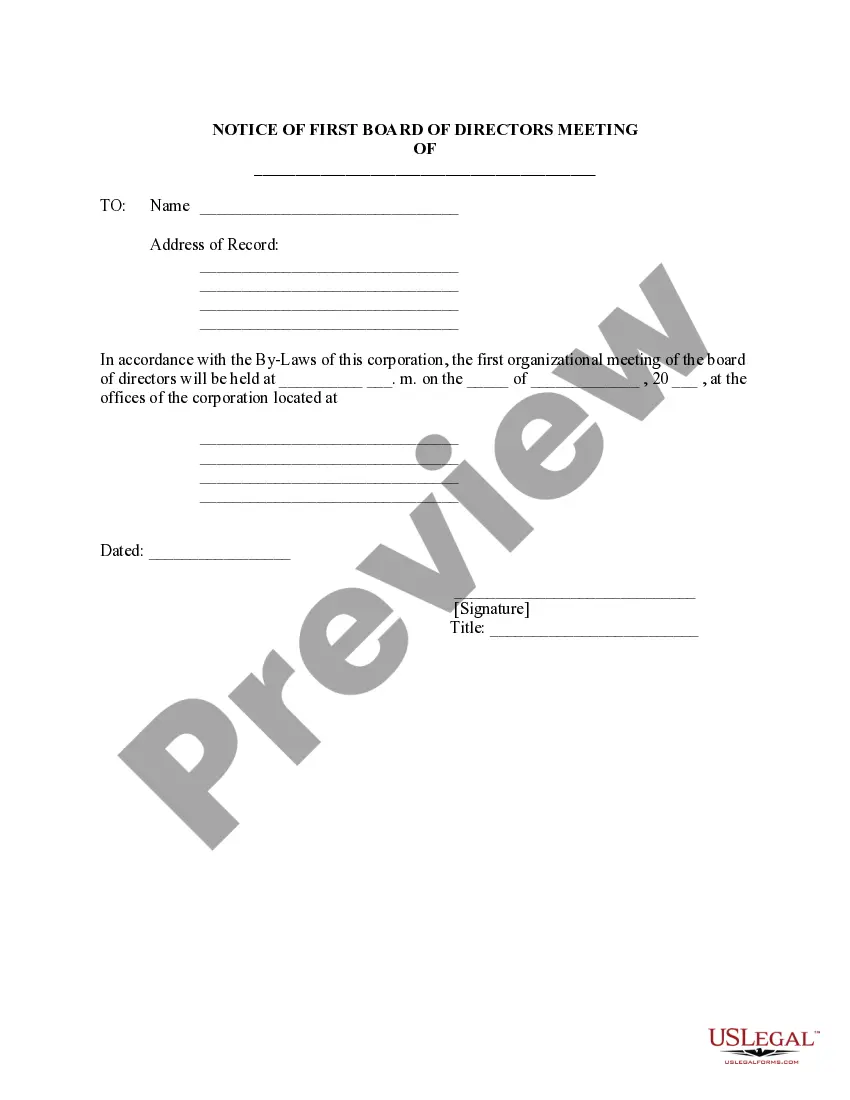


Get your form ready online
Our built-in tools help you complete, sign, share, and store your documents in one place.
Make edits, fill in missing information, and update formatting in US Legal Forms—just like you would in MS Word.
Download a copy, print it, send it by email, or mail it via USPS—whatever works best for your next step.
Sign and collect signatures with our SignNow integration. Send to multiple recipients, set reminders, and more. Go Premium to unlock E-Sign.
If this form requires notarization, complete it online through a secure video call—no need to meet a notary in person or wait for an appointment.
We protect your documents and personal data by following strict security and privacy standards.

Make edits, fill in missing information, and update formatting in US Legal Forms—just like you would in MS Word.

Download a copy, print it, send it by email, or mail it via USPS—whatever works best for your next step.

Sign and collect signatures with our SignNow integration. Send to multiple recipients, set reminders, and more. Go Premium to unlock E-Sign.

If this form requires notarization, complete it online through a secure video call—no need to meet a notary in person or wait for an appointment.

We protect your documents and personal data by following strict security and privacy standards.
Looking for another form?







Form popularity
FAQ
If the CEO is not also a board member, it is normal for them to attend most board meetings to report on progress, however from time to time it may be appropriate for board meetings to be held without the CEO.
In most cases, a CEO exists because startups believe that investors need one. Of course, they do - if there's a CEO then an investor has a throat to strangle, but companies can do without one. Instead, some companies can exploit the cofounders' potential.
In some cases, business laws require the use of the CEO title. Corporations, by law, must have CEOs, other chief officers and boards of directors. A limited liability company can structure itself like a corporation and have a CEO, but the role isn't required by law.
Unlike other business entities, corporations automatically survive the owner(s) death. If one owner dies, their shares in the company automatically become part of their estate.
'Boards Have A Responsibility' If there is no CEO or he or she cannot be involved in the decision-making process, “directors should be prepared to lean in to support management, based upon the skills, experiences and capabilities of the individual board members and the area(s) of need,” McCormack noted.
Typically, a corporation must have a structured management team, but the titles within that structure are flexible. While having a CEO and other C-level executives is common practice to ensure clarity and operational efficiency, the law frequently requires roles rather than specific titles.
A: A company typically needs a CEO when it reaches around 10 employees.
Some organizations have one or the other, but depending on your corporate structure, you might need both a CEO and a Managing Director. Below, we'll explore the differences in responsibilities between these two roles.
Decision-making by directors Decisions are usually taken either by passing resolutions at a board meeting or by passing a written resolution. Although a sole director may be able to hold a board meeting, in practice, a sole director would usually make decisions by passing written resolutions.