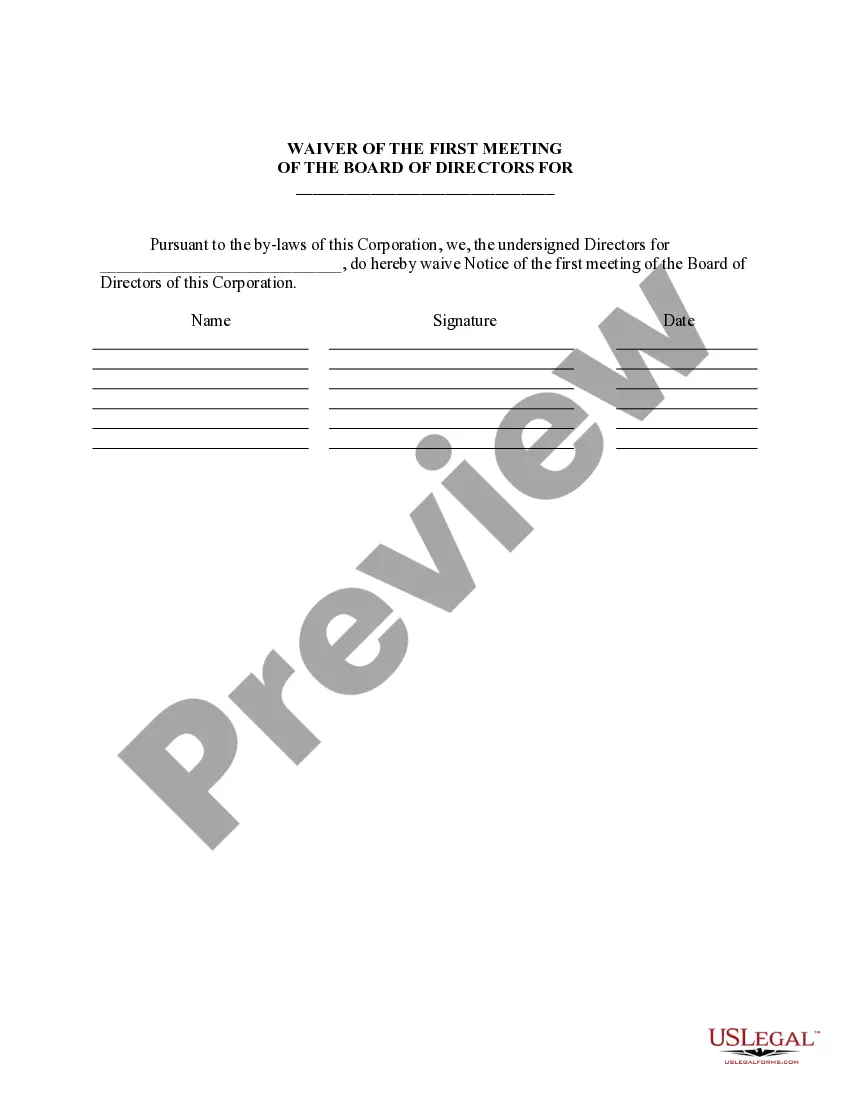
Board Directors Corporate Without Ceo In Maryland
Description
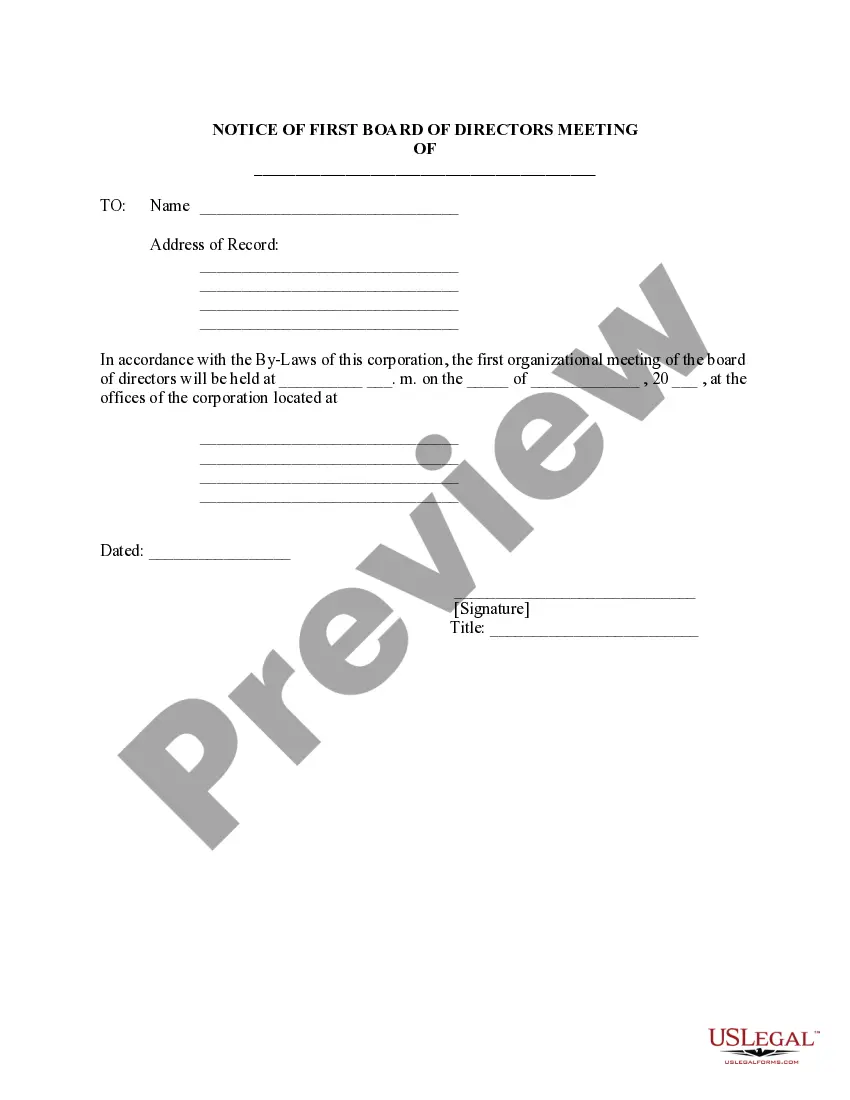


Get your form ready online
Our built-in tools help you complete, sign, share, and store your documents in one place.
Make edits, fill in missing information, and update formatting in US Legal Forms—just like you would in MS Word.
Download a copy, print it, send it by email, or mail it via USPS—whatever works best for your next step.
Sign and collect signatures with our SignNow integration. Send to multiple recipients, set reminders, and more. Go Premium to unlock E-Sign.
If this form requires notarization, complete it online through a secure video call—no need to meet a notary in person or wait for an appointment.
We protect your documents and personal data by following strict security and privacy standards.

Make edits, fill in missing information, and update formatting in US Legal Forms—just like you would in MS Word.

Download a copy, print it, send it by email, or mail it via USPS—whatever works best for your next step.

Sign and collect signatures with our SignNow integration. Send to multiple recipients, set reminders, and more. Go Premium to unlock E-Sign.

If this form requires notarization, complete it online through a secure video call—no need to meet a notary in person or wait for an appointment.

We protect your documents and personal data by following strict security and privacy standards.
Looking for another form?
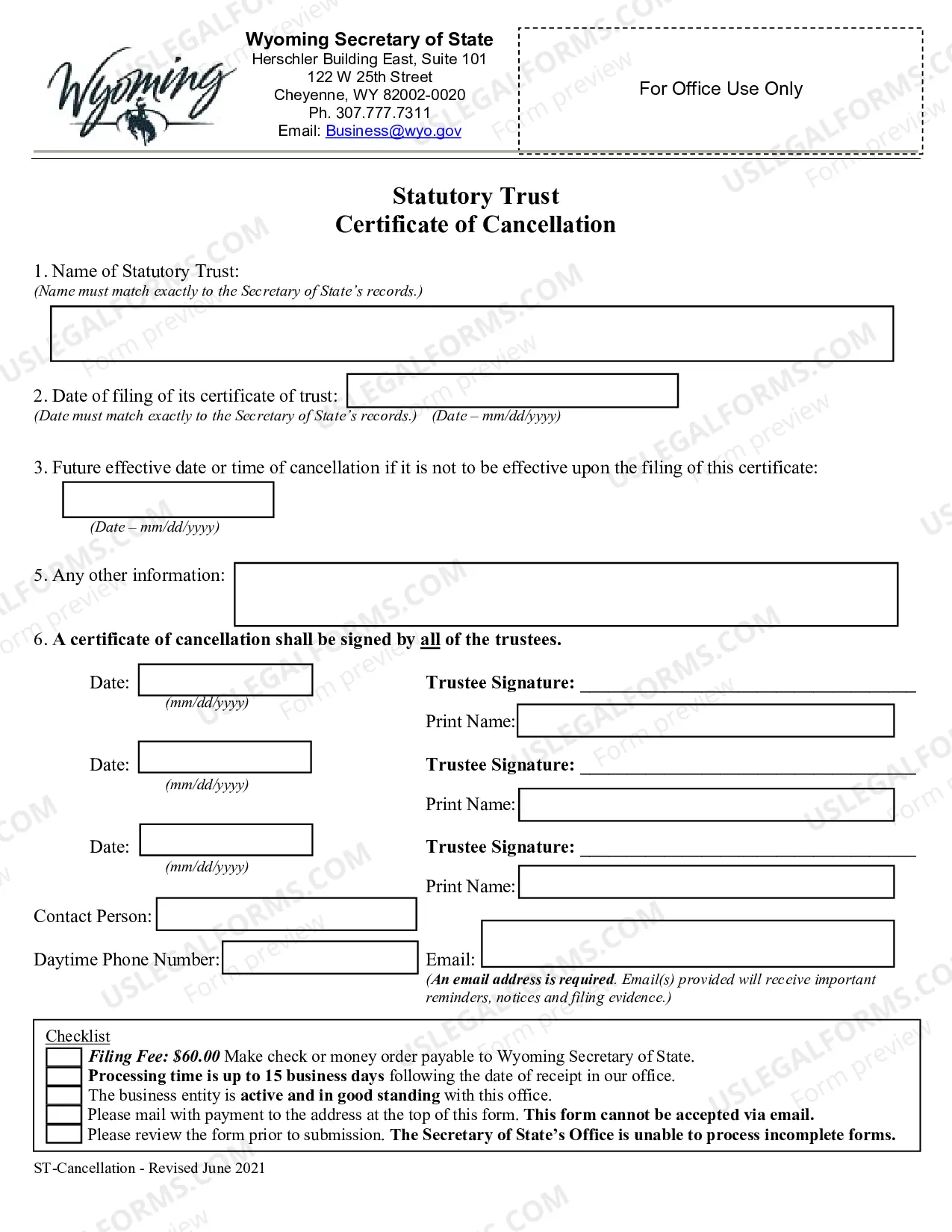

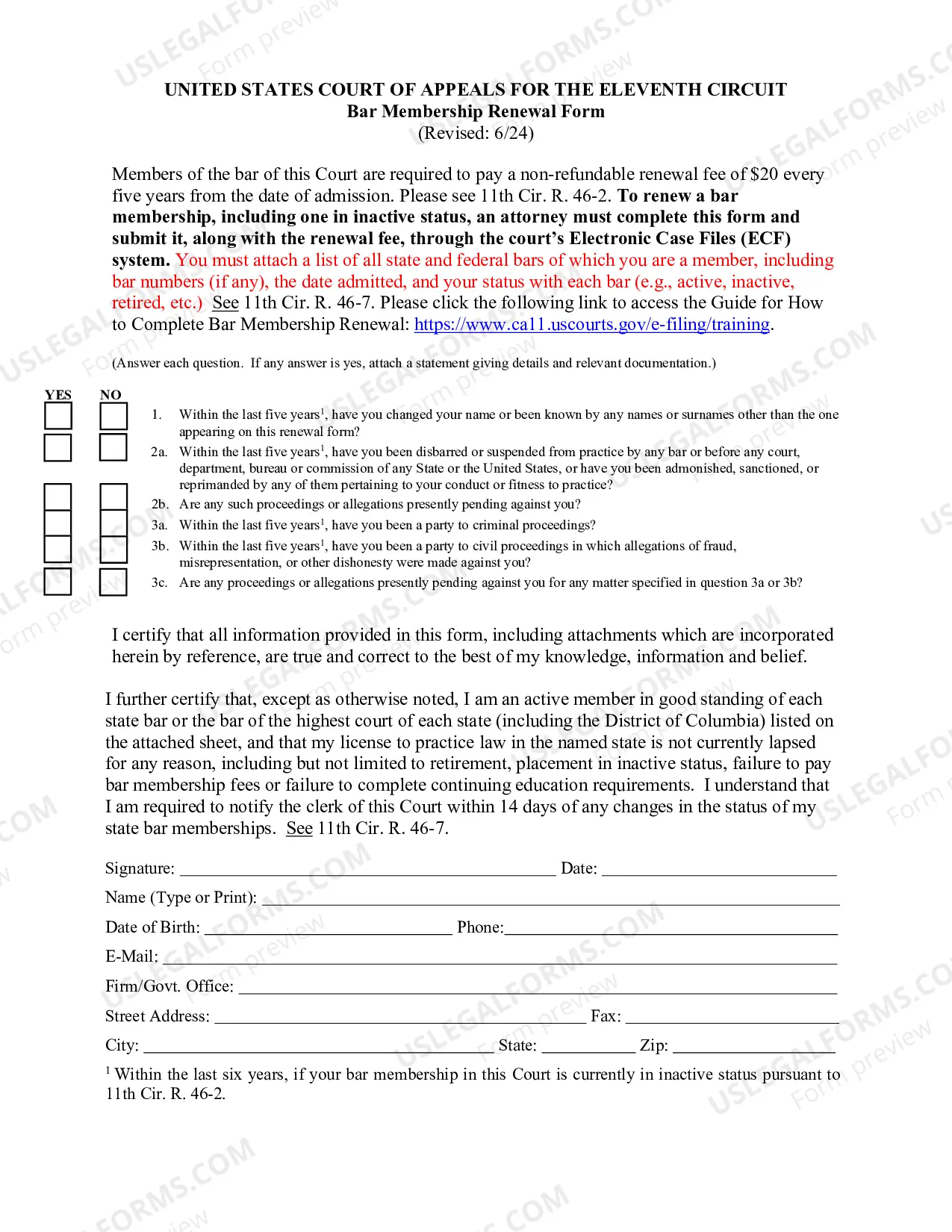



Form popularity
FAQ
Every corporation in the United States is, by default, taxed as a C corp unless it has elected to be taxed as an S corp instead. A single-member LLC is by default taxed as a sole proprietor. And a multi-member LLC is taxed as a partnership unless it elects to be taxed as an S corp.
Contents Choose a business name. Register a DBA. Appoint directors. File your articles of incorporation. Write your corporate bylaws. Draft a shareholder agreement. Hold initial board of directors meeting. Issue stock.
How to create an organizational structure for your business Create a plan for departmentalization. Organize the departments, roles and positions within your business. Develop a chain of command. Determine the span of control. Outline each department's work specialization. Formalize the structure with visuals.
If your business is a corporation, then you are required by law to have a board of directors. Depending on your particular corporate structure and your state, one or two directors may be all that's legally required.
In US companies, officers are elected by the board of directors, and usually consist of a president and/or a chief executive officer, one or more vice presidents, a secretary, and a treasurer or chief financial officer. In larger enterprises, there may be many officers each with varying duties and responsibilities.
A corporation must have at least three officers (President, Secretary, and Treasurer), at least one Director, and is owned by shareholders, which may be individuals or other business entities.
There are many ways to organize a company, but most structures fall into one of four categories: functional, divisional, matrix, and flatarchy. Each has its own advantages and disadvantages, and the right one for your business depends on factors like your company's size, goals, and industry.
Forming an LLC or a corporation will allow you to take advantage of limited personal liability for business obligations. LLCs are favored by small, owner-managed businesses that want flexibility without a lot of corporate formality. Corporations are a good choice for a business that plans to seek outside investment.
A core aspect of the role of the Non-Exec is to attend and contribute to board meetings. These can be anything from once a quarter to once a month and are likely to be at least two hours, and more often a half or full day. Before the meetings, you will be sent through papers for discussion or approval at the meeting.
There is no one definitive answer to this question. It depends on the organization's bylaws and governing structure. The CEO may or may not be a member of the board of directors, and the board of directors may or may not have veto power over the CEO's decisions.