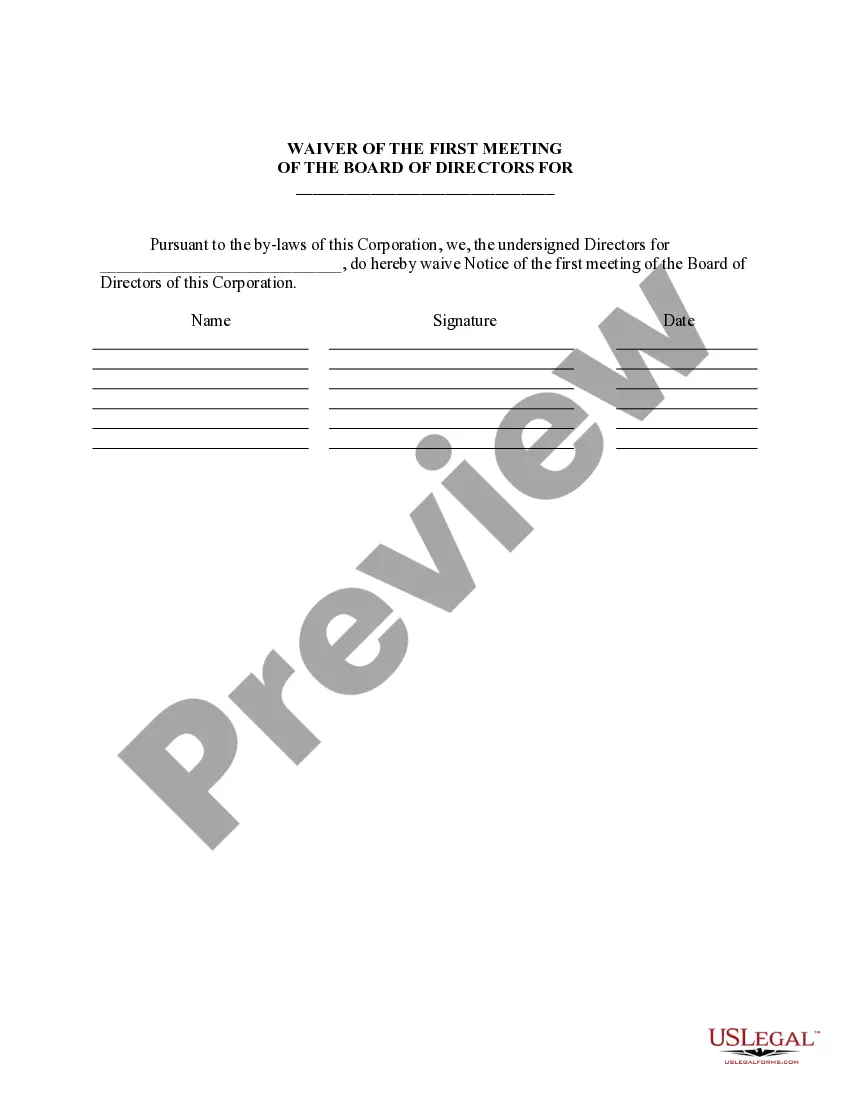
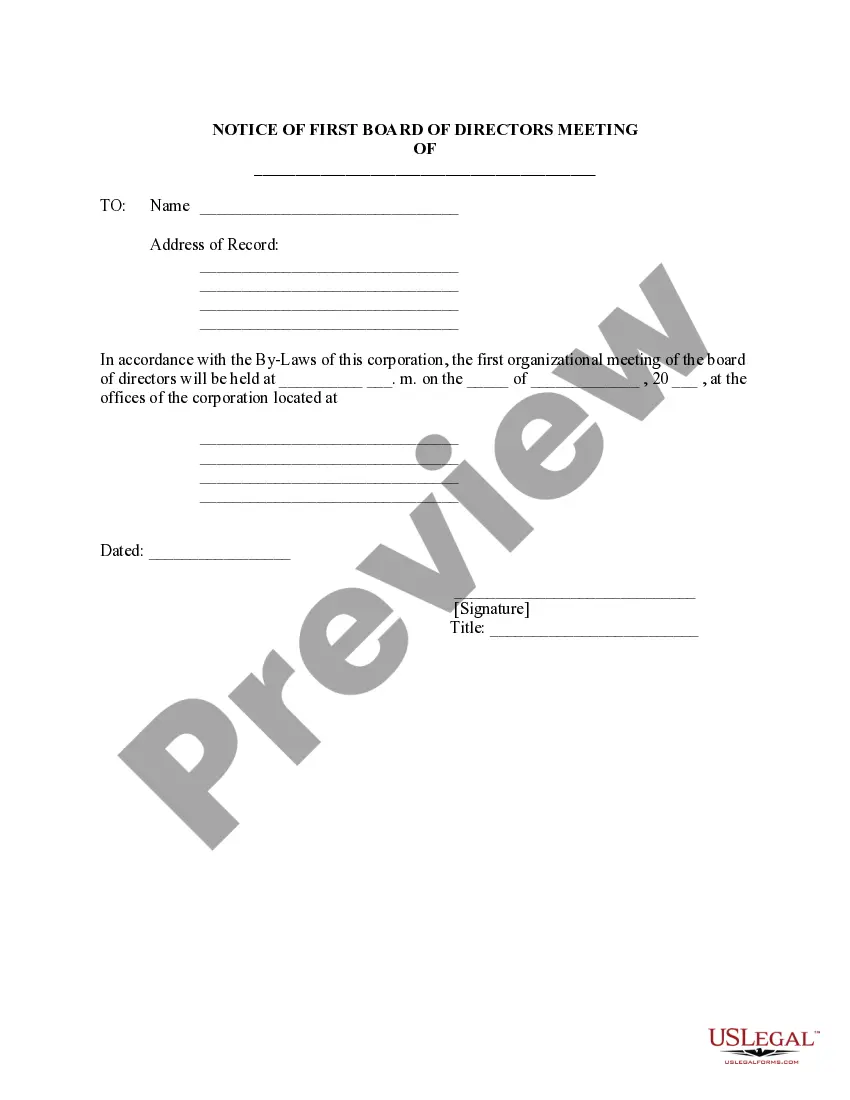
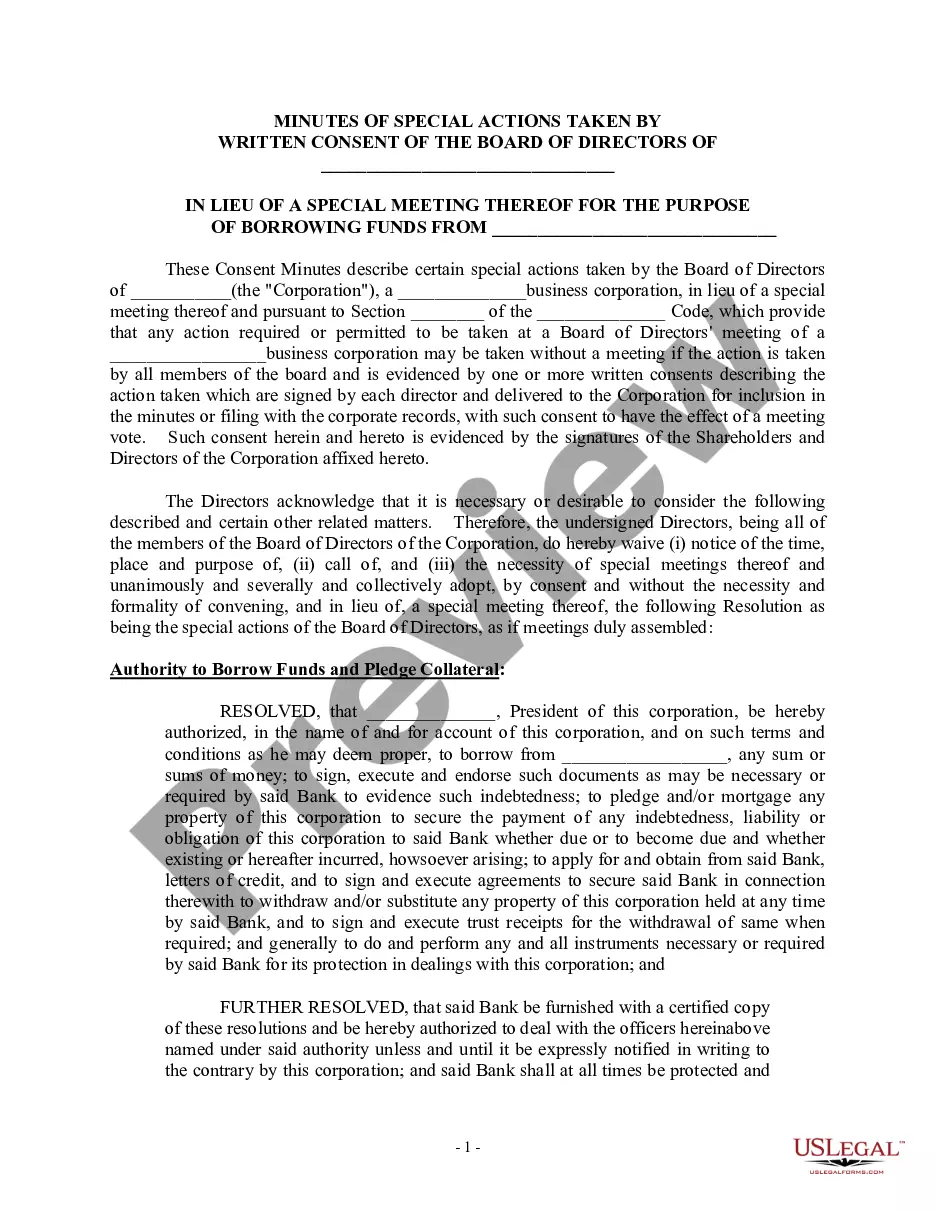
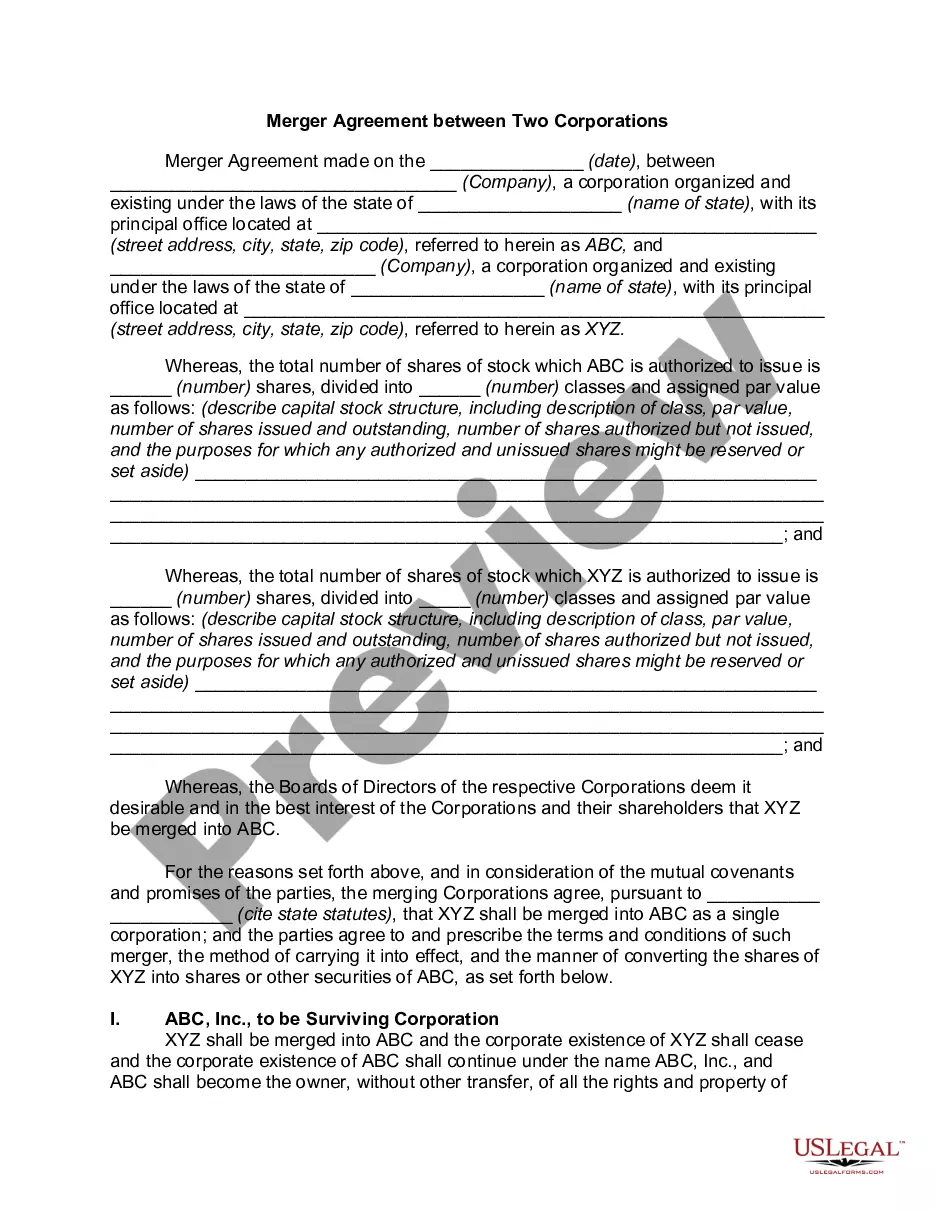
Board Directors Corporate With Shareholders In Harris
Description


Get your form ready online
Our built-in tools help you complete, sign, share, and store your documents in one place.
Make edits, fill in missing information, and update formatting in US Legal Forms—just like you would in MS Word.
Download a copy, print it, send it by email, or mail it via USPS—whatever works best for your next step.
Sign and collect signatures with our SignNow integration. Send to multiple recipients, set reminders, and more. Go Premium to unlock E-Sign.
If this form requires notarization, complete it online through a secure video call—no need to meet a notary in person or wait for an appointment.
We protect your documents and personal data by following strict security and privacy standards.

Make edits, fill in missing information, and update formatting in US Legal Forms—just like you would in MS Word.

Download a copy, print it, send it by email, or mail it via USPS—whatever works best for your next step.

Sign and collect signatures with our SignNow integration. Send to multiple recipients, set reminders, and more. Go Premium to unlock E-Sign.

If this form requires notarization, complete it online through a secure video call—no need to meet a notary in person or wait for an appointment.

We protect your documents and personal data by following strict security and privacy standards.
Looking for another form?







Form popularity
FAQ
Chairperson or president: This individual leads and manages the board of directors. They are responsible for setting agendas, running board meetings, establishing committees, and other duties.
Directors owe fiduciary duties to the corporation and its stockholders. Directors owe their fiduciary duties to the corporation and its stockholders (Arnold v. Soc'y for Sav.
In most legal systems, the appointment and removal of directors is voted upon by the shareholders in general meeting or through a proxy statement. For publicly traded companies in the U.S., the directors which are available to vote on are largely selected by either the board as a whole or a nominating committee.
Typically, a director is (or should be) a shareholder in the company. Directors are appointed, i.e. voted into office, by the shareholders of a company at a properly convened meeting of shareholders.
The board should be accountable to shareholders (the owners) regulators, the courts, accreditation bodies, clients, customers, and financial institutions. Directors should ensure that they are managing any conflicts of interest and are compliant with their legal obligations.
A public company's board of directors is chosen by shareholders, and its primary job is to look out for shareholders' interests. In fact, directors are legally required to put shareholders' interests ahead of their own.
The Duty of Loyalty In addition to the duty of care, the Board of Directors owes a duty of loyalty to company shareholders. That means that the Board of Directors must be loyal to the company and its shareholders and act in their best interest.
The answer to this question is both yes and no. While every board member is a shareholder, not every shareholder is automatically a board member. Shareholders who own a certain percentage of the company's shares (usually 10 percent or more) are eligible to serve on the board.
For publicly traded companies, boards typically comprise executive, nonexecutive, and independent directors elected by shareholders. This is known as a one-tier board structure. The board of directors often includes the CEO and sometimes the CFO of the company.
Under current law, shareholders are neither principals nor agents of the corporation, the board of directors, or the other shareholders; those seeking to increase shareholder power must confront this legal reality.