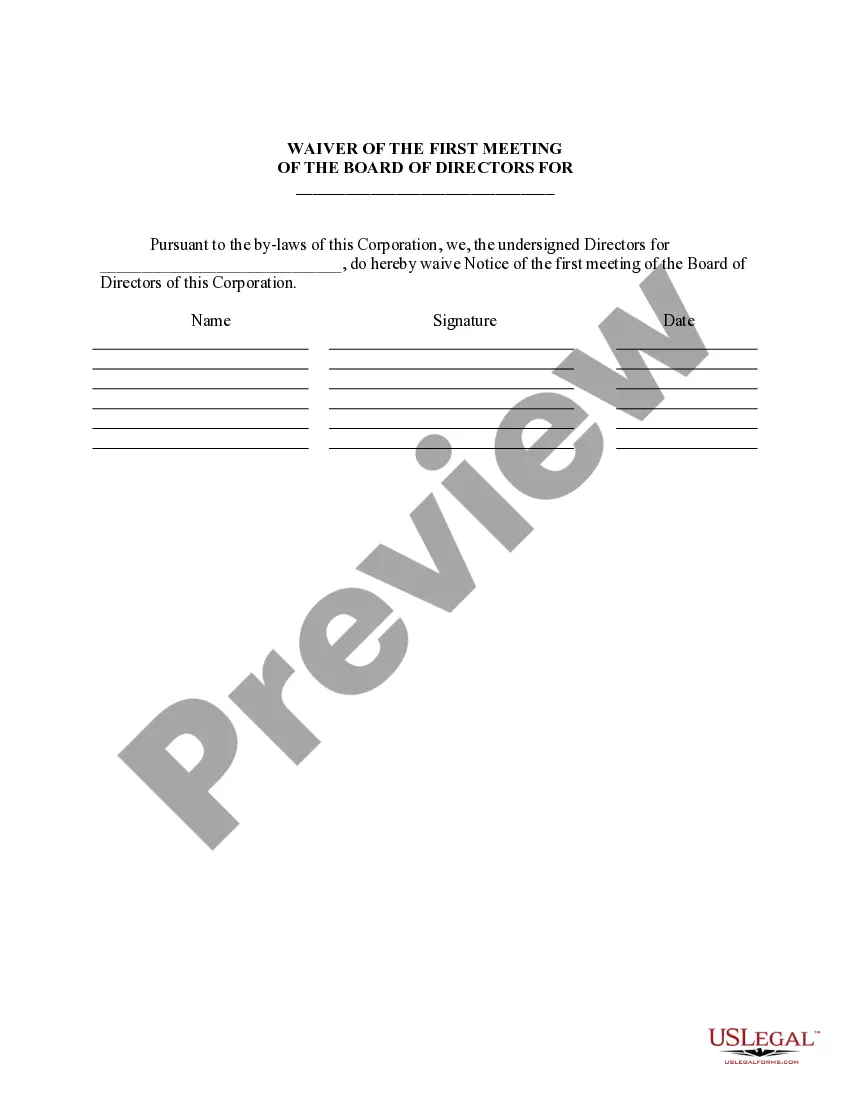
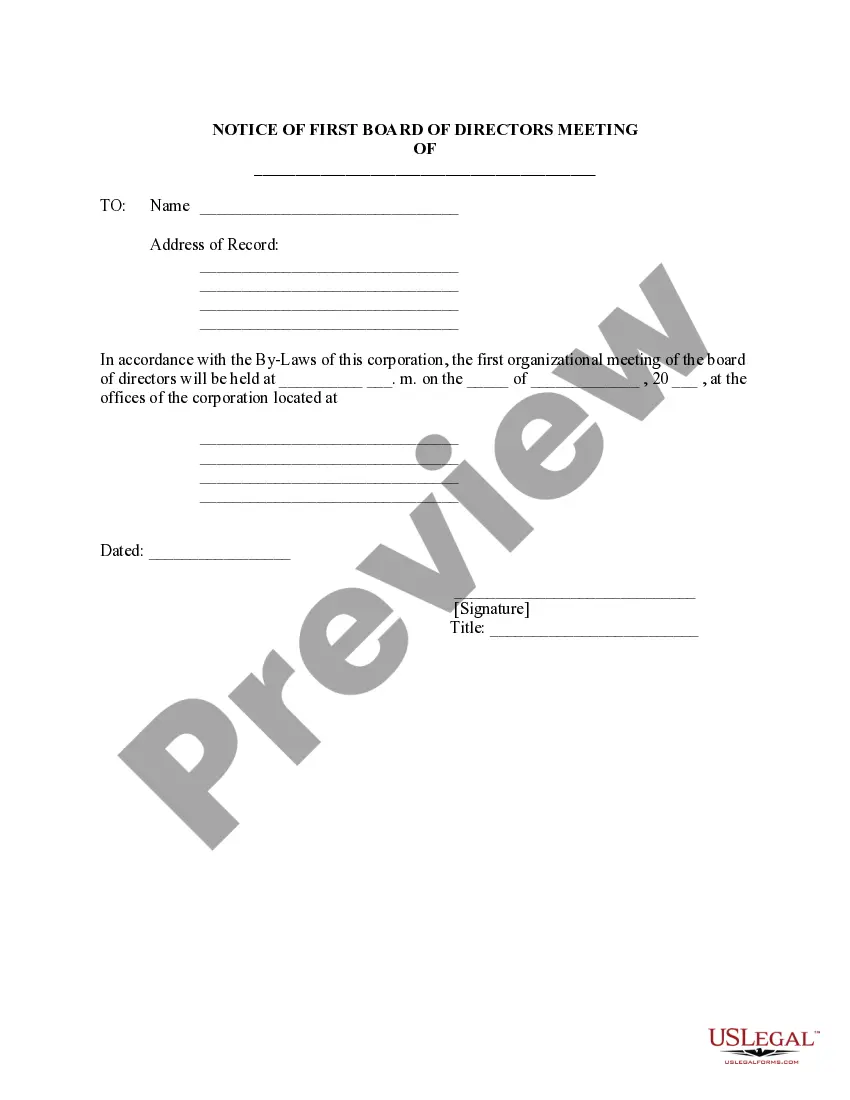
Board Directors Corporate With The Task Of Creating In Georgia
Description


Get your form ready online
Our built-in tools help you complete, sign, share, and store your documents in one place.
Make edits, fill in missing information, and update formatting in US Legal Forms—just like you would in MS Word.
Download a copy, print it, send it by email, or mail it via USPS—whatever works best for your next step.
Sign and collect signatures with our SignNow integration. Send to multiple recipients, set reminders, and more. Go Premium to unlock E-Sign.
If this form requires notarization, complete it online through a secure video call—no need to meet a notary in person or wait for an appointment.
We protect your documents and personal data by following strict security and privacy standards.

Make edits, fill in missing information, and update formatting in US Legal Forms—just like you would in MS Word.

Download a copy, print it, send it by email, or mail it via USPS—whatever works best for your next step.

Sign and collect signatures with our SignNow integration. Send to multiple recipients, set reminders, and more. Go Premium to unlock E-Sign.

If this form requires notarization, complete it online through a secure video call—no need to meet a notary in person or wait for an appointment.

We protect your documents and personal data by following strict security and privacy standards.
Looking for another form?








Form popularity
FAQ
The main duties of a director as taken from the statutory statement of director's duties. Act within their powers. Promote the success of the company. Exercise independent judgement. Exercise reasonable care, skill and diligence. Avoid conflicts of interest. Not accept benefits from third parties.
Directors may face personal liability for their actions or inactions while serving on a board of directors, including breaches of fiduciary duty, misconduct, tax liabilities, and violations of laws and regulations such as employment laws and environmental regulations.
The following are Georgia's requirements for directors of corporations: Minimum number. Corporations must have one or more directors.
When individuals agree to serve as board members, they take on fiduciary responsibilities that statutory and common law require. Specifically, they have to comply with three fiduciary duties: care, obedience and loyalty.
A public company's board of directors is chosen by shareholders, and its primary job is to look out for shareholders' interests.
The top 5 responsibilities of the board of directors: Organization strategic planning and monitoring. Protect assets and provide financial oversight. Serve on committees or working groups. Select, support and review performance of the chief executive. Board member recruitment and board performance evaluation.
Specifically, they have to comply with three fiduciary duties: care, obedience and loyalty. If board members understand and embrace these responsibilities, they can fulfill those duties and hold their fellow board members accountable to do the same.
The Role of the Board of Directors 1) Recruit, supervise, retain, evaluate and compensate the manager. 2) Provide direction for the organization. 3) Establish a policy based governance system. 4) Govern the organization and the relationship with the CEO.
Board members are added—and removed—by a vote. For publicly traded companies, shareholders vote for directors, typically during the annual stockholders' meeting.