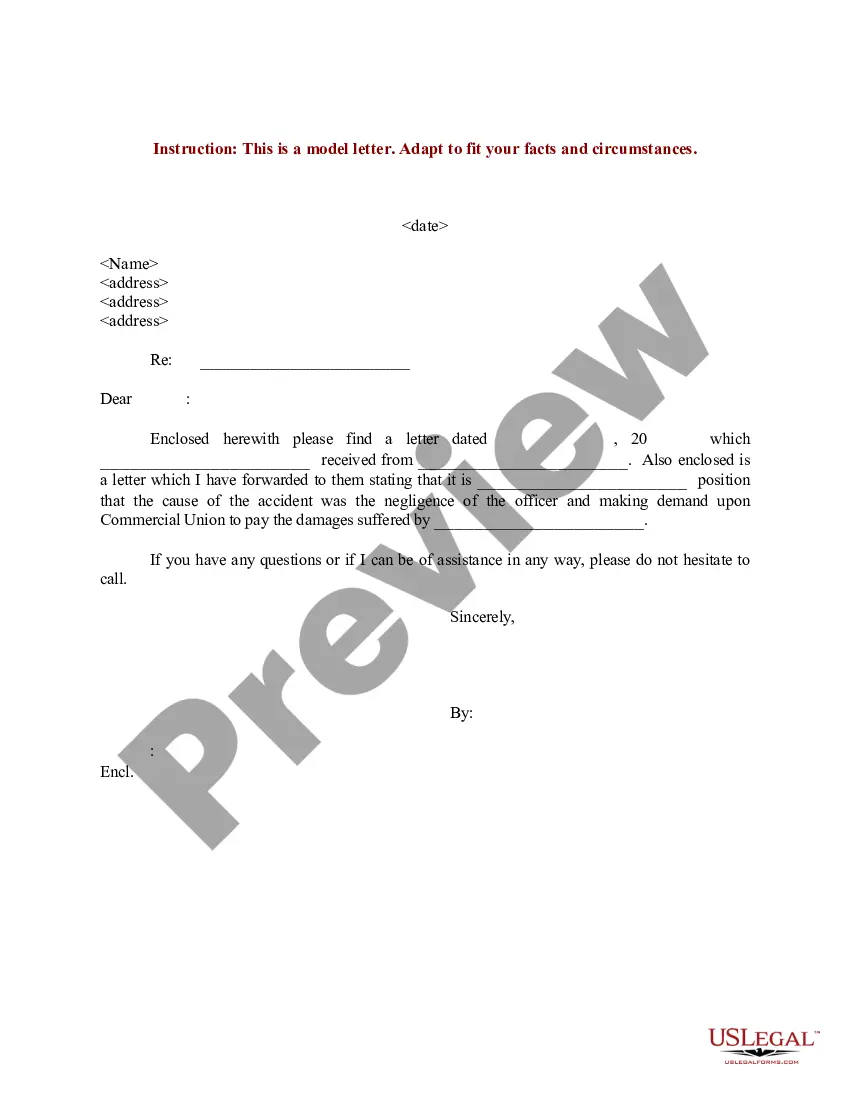
Letter Insurance Form For Claim In Franklin
Description
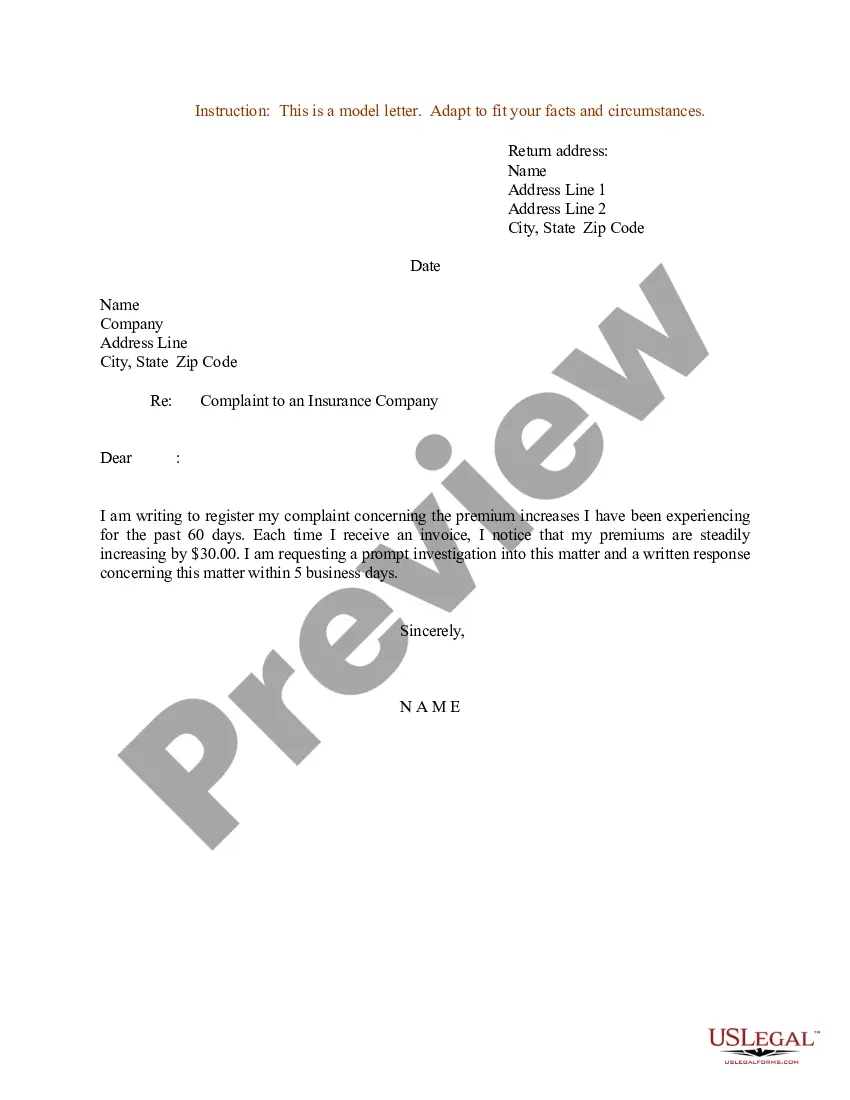
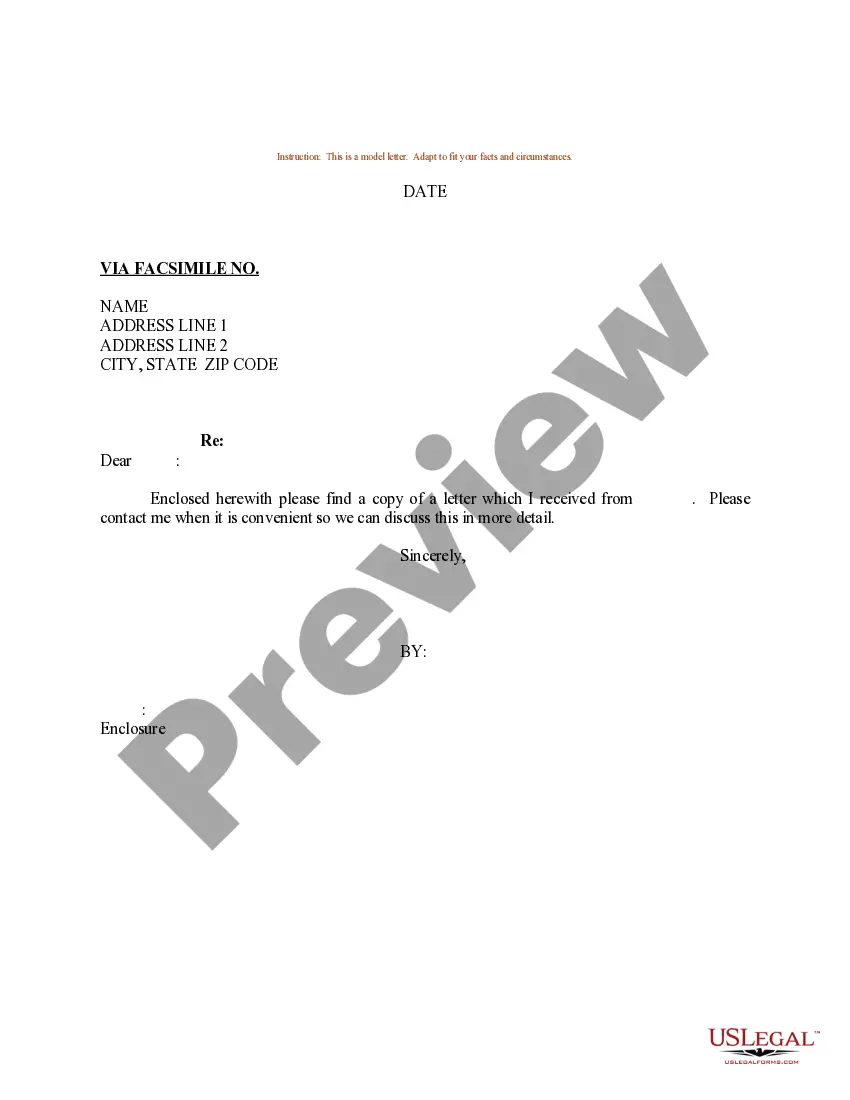
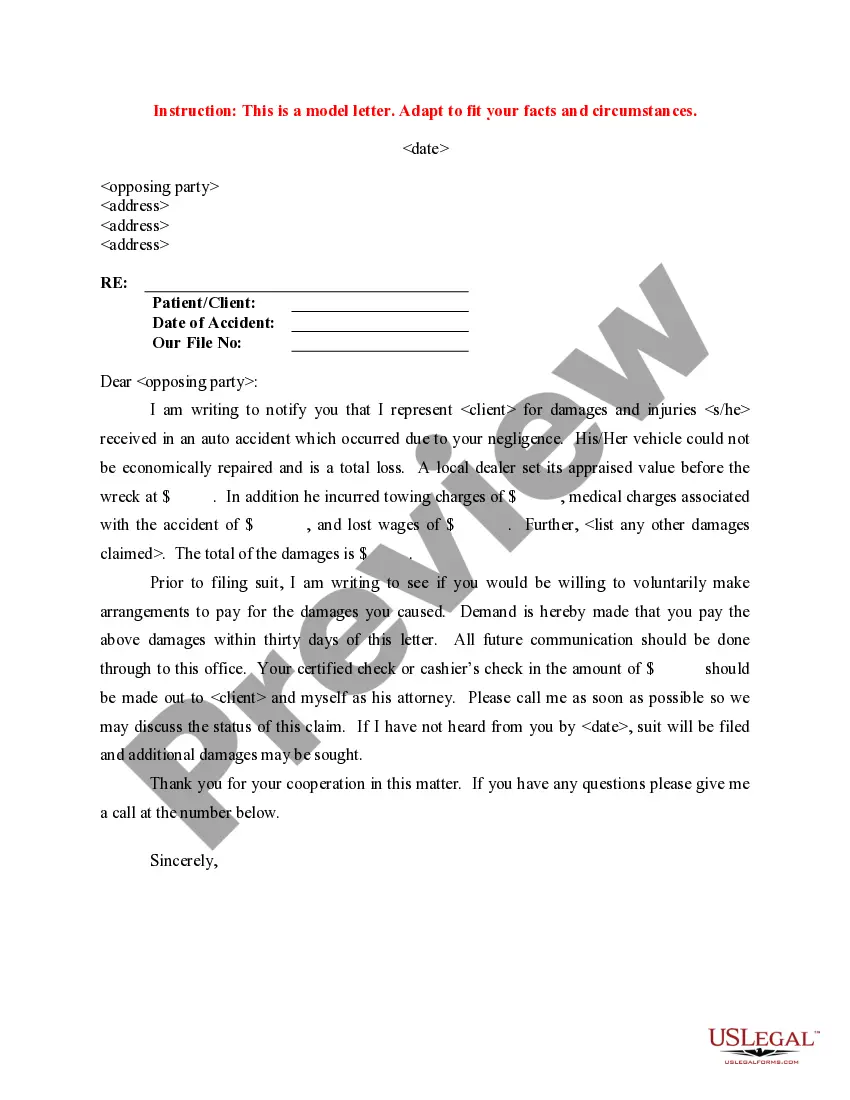
Get your form ready online
Our built-in tools help you complete, sign, share, and store your documents in one place.
Make edits, fill in missing information, and update formatting in US Legal Forms—just like you would in MS Word.
Download a copy, print it, send it by email, or mail it via USPS—whatever works best for your next step.
Sign and collect signatures with our SignNow integration. Send to multiple recipients, set reminders, and more. Go Premium to unlock E-Sign.
If this form requires notarization, complete it online through a secure video call—no need to meet a notary in person or wait for an appointment.
We protect your documents and personal data by following strict security and privacy standards.

Make edits, fill in missing information, and update formatting in US Legal Forms—just like you would in MS Word.

Download a copy, print it, send it by email, or mail it via USPS—whatever works best for your next step.

Sign and collect signatures with our SignNow integration. Send to multiple recipients, set reminders, and more. Go Premium to unlock E-Sign.

If this form requires notarization, complete it online through a secure video call—no need to meet a notary in person or wait for an appointment.

We protect your documents and personal data by following strict security and privacy standards.
Looking for another form?









Form popularity
FAQ
Slips and falls by customers on your business premises is a common insurance claim, as your company can be held liable for medical expenses, legal fees and lost wages that result from a customer fall.
Make sure to clearly state what action you would like the company to take. State the action you want the company to take, such as providing a refund or replacing a damaged product. Be clear and concise in your request. Specify the amount of the refund or replacement that you are requesting.
How to write a claims representative cover letter Research the company. Read the job description. Address the letter. Introduce yourself. Explain your qualifications. Include relevant achievements. Reiterate your interest. Proofread the letter.
Step-by-Step Guide to Writing an Insurance Claim Letter Gather Information and Documentation: Start with Personal and Insurance Company Details: Introduce Your Claim: Describe the Incident: Detail Your Claim: Conclude with a Call to Action:
Focus on the essentials: Include important details like names of people involved (if applicable), witnesses (if any), and contact information for everyone involved (optional, if you have it on hand). Example: ``I'm calling to file a claim for a car accident that happened today (date) at (time) on (road name).
A health insurance claim form has two sections, i.e., Part A and Part B. While Part A is to be filled out by the policyholder, Part B is for the hospital. 2. In Part A of the form, you must fill out your name, residential address, policy number, email ID, phone number, medical history, details of hospitalisation, etc.
Your insurance claim, step-by-step Connect with your broker. Your broker is your primary contact when it comes to your insurance policy – they should understand your situation and how to proceed. Claim investigation begins. Your policy is reviewed. Damage evaluation is conducted. Payment is arranged.
How to Write a Letter to a Health Insurance Company for a Claim? Identify Your Basic Information. Compose a Formal Greeting. Express the Purpose of Your Letter. Brief Description of Medical Treatment. Provide Details of the Costs Involvement. Attach Required Documents. Prompt Processing Request. Closing Statement.
To file a claim, you need to submit a certified copy of the deceased's death certificate. You also submit a short claims form listing the policy number, details about the deceased's death, your contact information and how you'd like to receive the insurance payout.