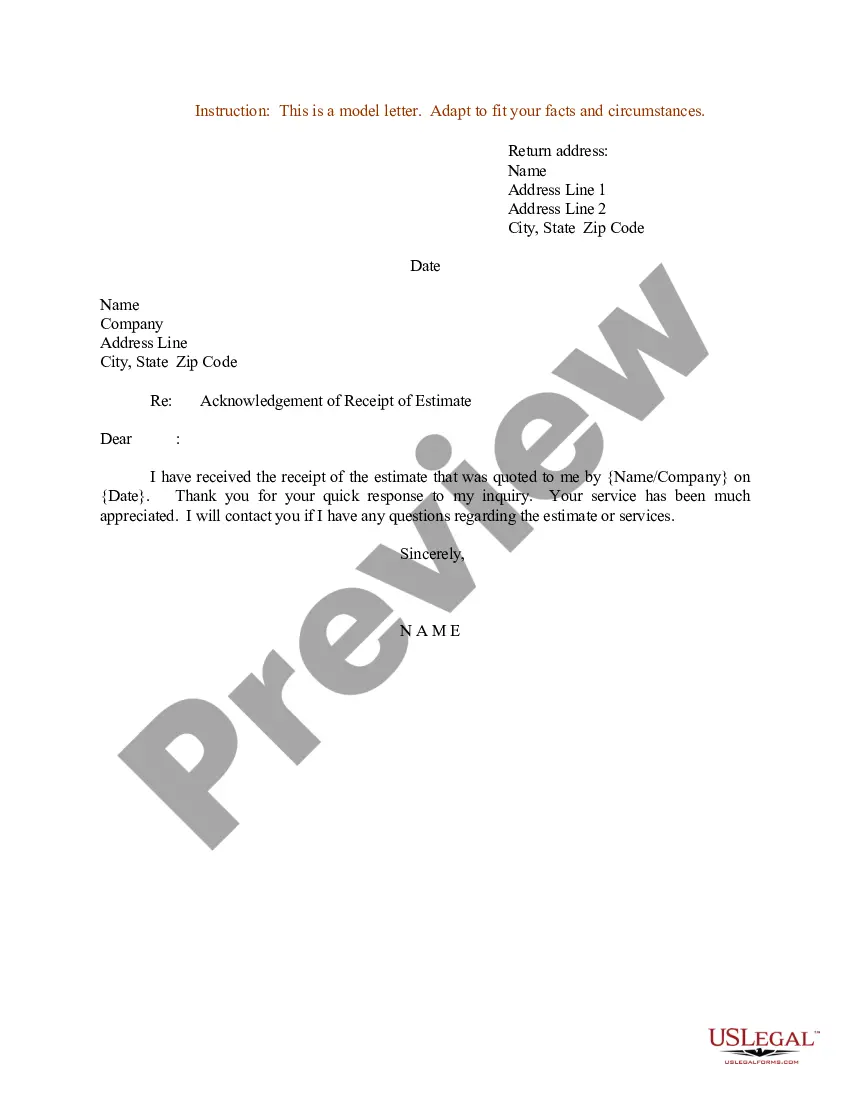
Registered Letter With Acknowledgment Of Receipt Uk In Phoenix
Description



Get your form ready online
Our built-in tools help you complete, sign, share, and store your documents in one place.
Make edits, fill in missing information, and update formatting in US Legal Forms—just like you would in MS Word.
Download a copy, print it, send it by email, or mail it via USPS—whatever works best for your next step.
Sign and collect signatures with our SignNow integration. Send to multiple recipients, set reminders, and more. Go Premium to unlock E-Sign.
If this form requires notarization, complete it online through a secure video call—no need to meet a notary in person or wait for an appointment.
We protect your documents and personal data by following strict security and privacy standards.

Make edits, fill in missing information, and update formatting in US Legal Forms—just like you would in MS Word.

Download a copy, print it, send it by email, or mail it via USPS—whatever works best for your next step.

Sign and collect signatures with our SignNow integration. Send to multiple recipients, set reminders, and more. Go Premium to unlock E-Sign.

If this form requires notarization, complete it online through a secure video call—no need to meet a notary in person or wait for an appointment.

We protect your documents and personal data by following strict security and privacy standards.
Looking for another form?


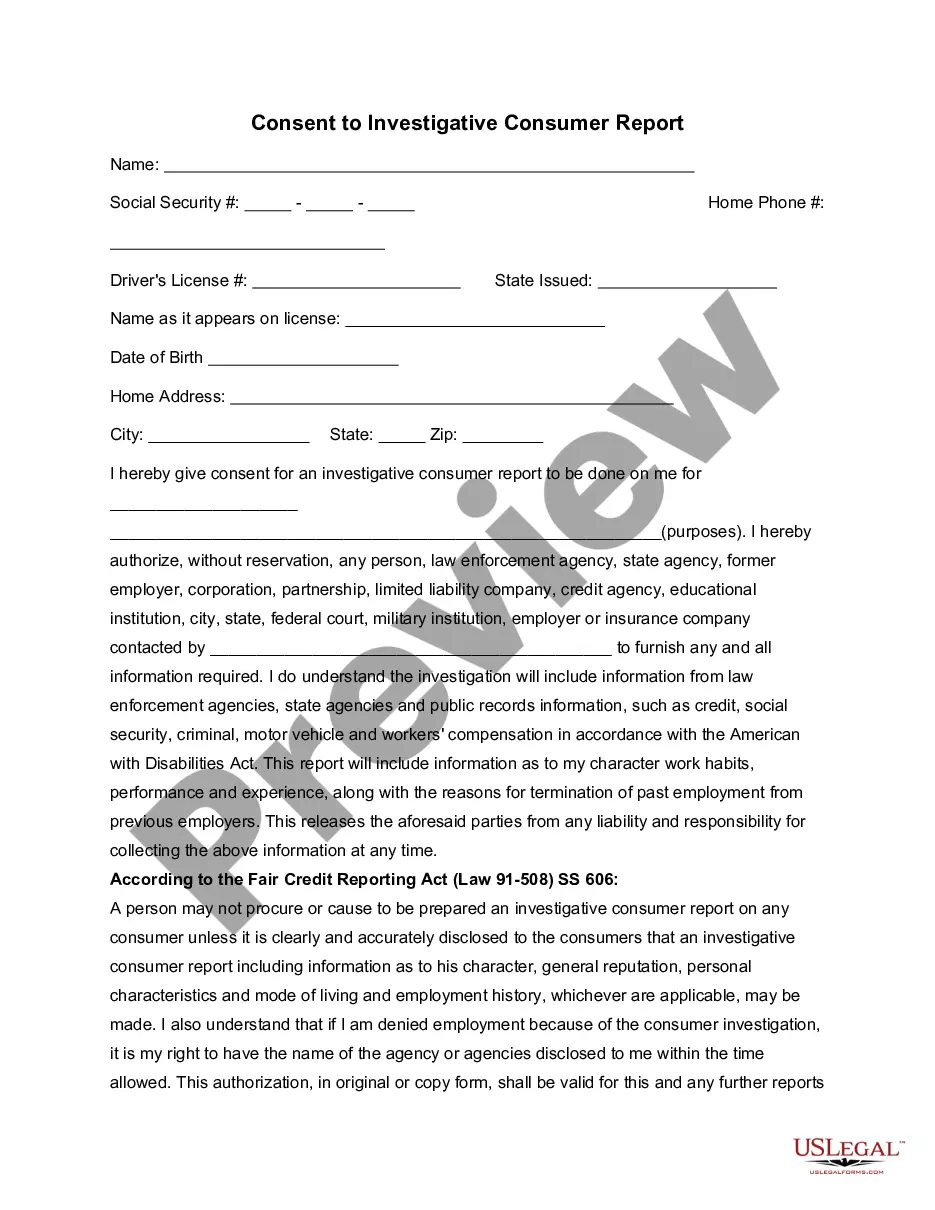




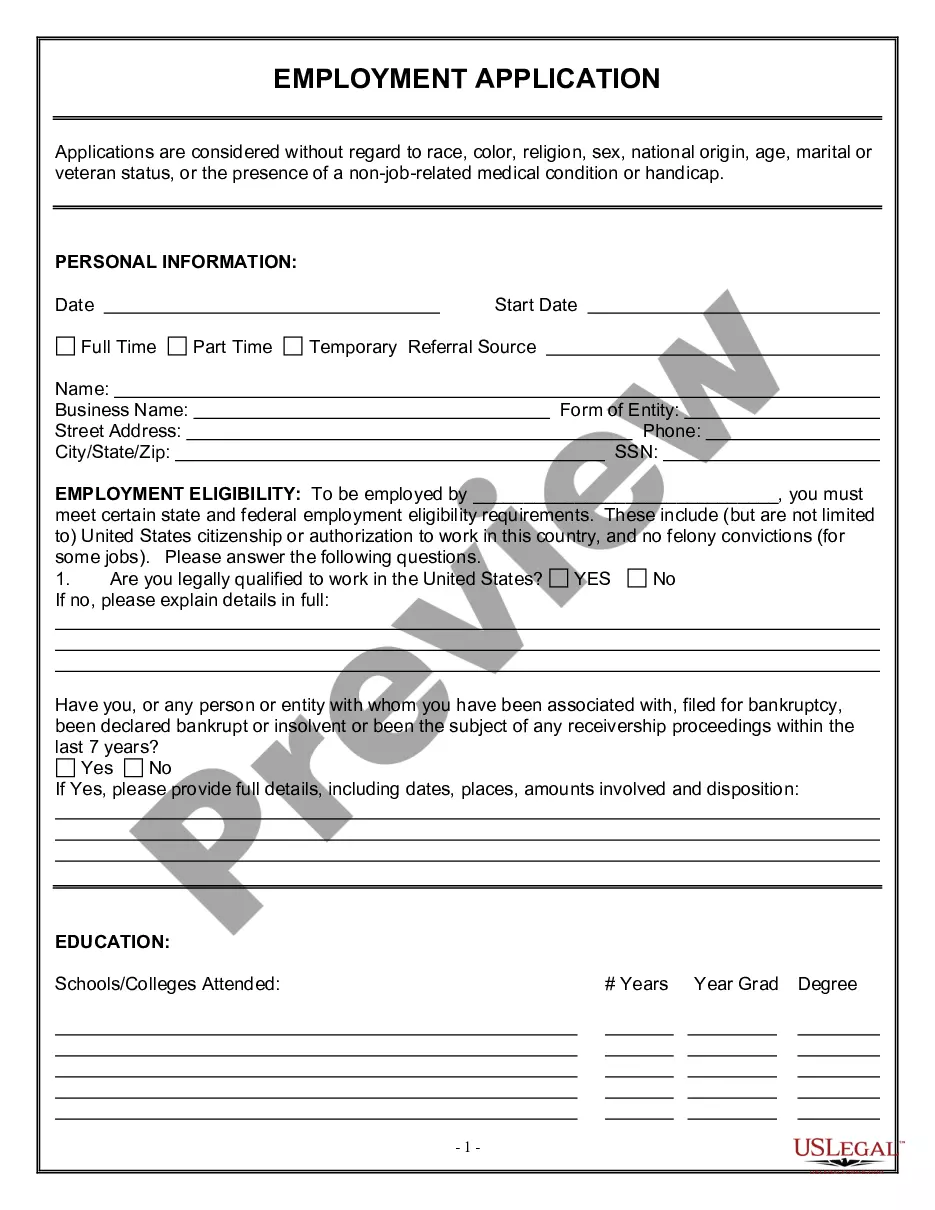
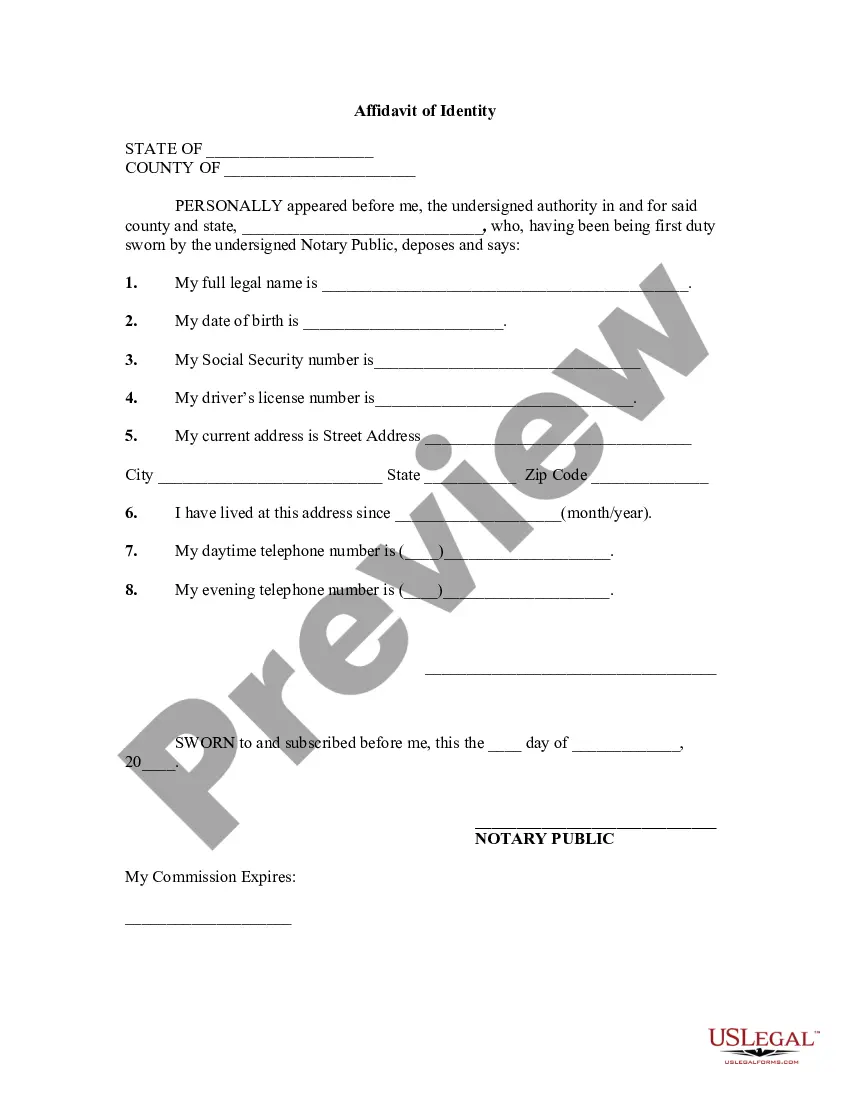

Form popularity
FAQ
Certified Mail provides proof of mailing and a delivery record, primarily used for important documents where confirmation of receipt is necessary. It is less expensive and faster than Registered Mail but offers less security.
The addressee has 15 calendar days to pick up your registered mail with confirmation of receipt (in the Post Office or Post Point mentioned on the failed delivery notice). If the addressee does not pick up your mail within 15 calendar days, it will be sent back to you.
While Certified Mail provides proof of shipment and delivery, Registered Mail provides updates throughout the entire shipment process. By receiving updates after each USPS employee passes off your package, you can relax thanks to the additional security.
A registered letter is handled with additional security. It's also tracked, unlike an “ordinary letter.” There's a third category called “certified.” It's less expensive than a registered letter but will provide the tracking service. You'd usually use a registered letter if there was value in what was being mailed.
The registered letter with acknowledgment of receipt (LRAR) is of legal importance. First of all, it constitutes indisputable proof of both the sending and the receipt of a document, which is evidenced by the acknowledgement of receipt signed by the addressee, which is crucial in contentious or administrative contexts.
Now peel and place the return receipt on the back side of the envelope. And. That's. It for properMoreNow peel and place the return receipt on the back side of the envelope. And. That's. It for proper placement on large envelopes or packages fill out the forms. And place the labels.
The registered letter with acknowledgment of receipt (LRAR) is of legal importance. First of all, it constitutes indisputable proof of both the sending and the receipt of a document, which is evidenced by the acknowledgement of receipt signed by the addressee, which is crucial in contentious or administrative contexts.
Primarily, certified letters are sent so that the sender knows for sure the letter has been delivered and someone(a real person) has accepted the mailpiece. If this isn't as important, they may just elect to send the mailpiece with a tracking number, so they know when it was delivered.
An acknowledgement of receipt (R10 passed) letter is issued to an applicant (or their representative, if applicable) once their application for permanent residence has passed the R10 completeness check. The letter is issued by the Centralized Intake Office.