Non-disclosure Or Nondisclosure In Utah
Description

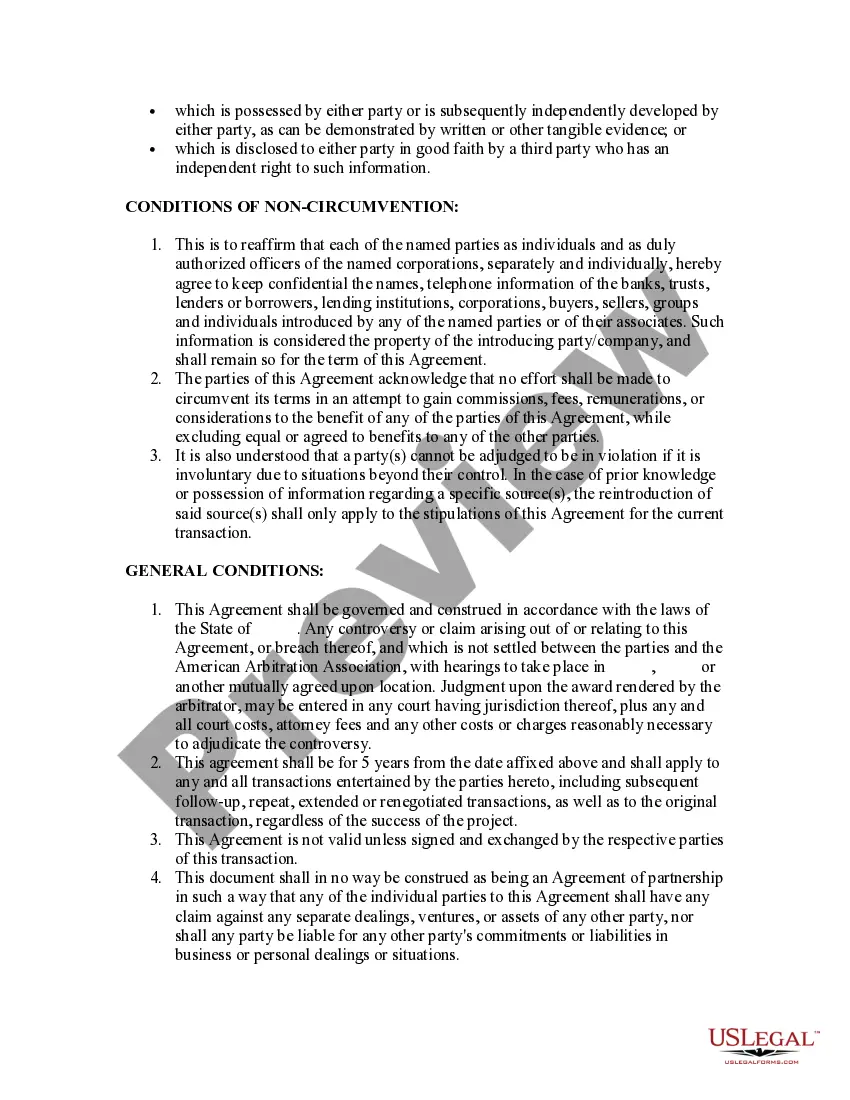
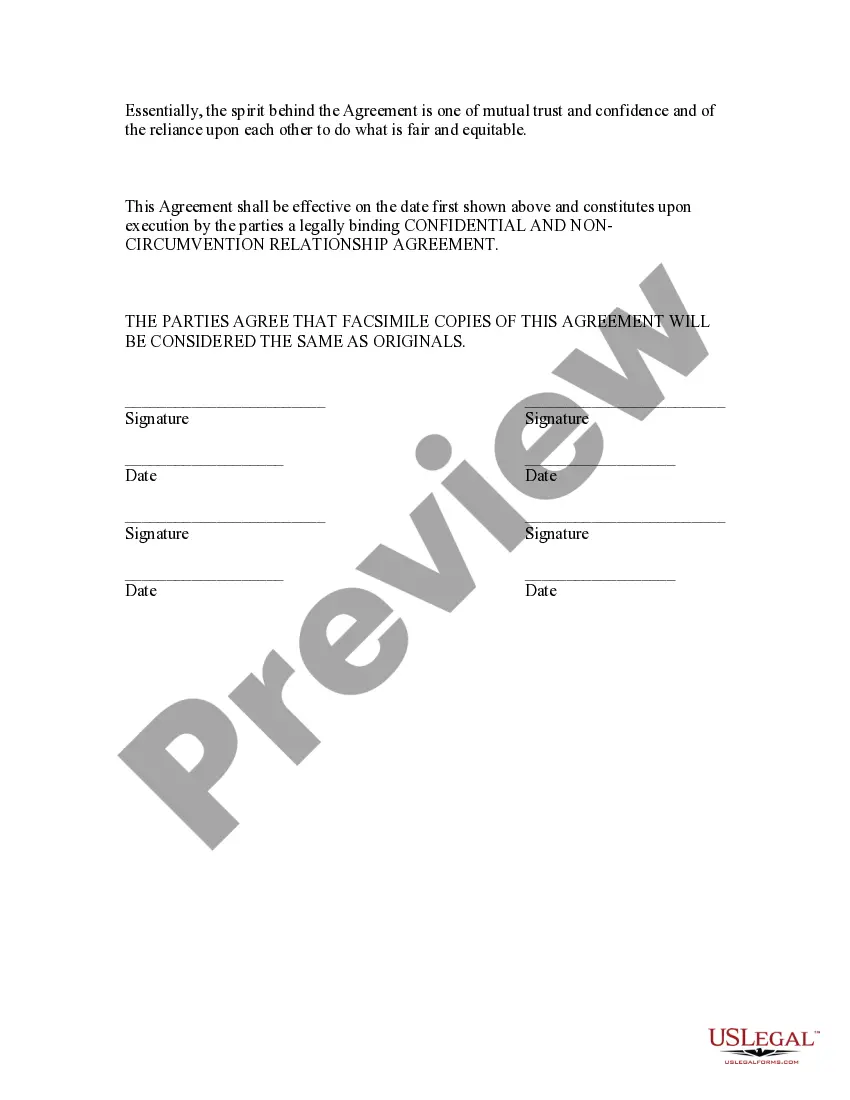
Get your form ready online
Our built-in tools help you complete, sign, share, and store your documents in one place.
Make edits, fill in missing information, and update formatting in US Legal Forms—just like you would in MS Word.
Download a copy, print it, send it by email, or mail it via USPS—whatever works best for your next step.
Sign and collect signatures with our SignNow integration. Send to multiple recipients, set reminders, and more. Go Premium to unlock E-Sign.
If this form requires notarization, complete it online through a secure video call—no need to meet a notary in person or wait for an appointment.
We protect your documents and personal data by following strict security and privacy standards.

Make edits, fill in missing information, and update formatting in US Legal Forms—just like you would in MS Word.

Download a copy, print it, send it by email, or mail it via USPS—whatever works best for your next step.

Sign and collect signatures with our SignNow integration. Send to multiple recipients, set reminders, and more. Go Premium to unlock E-Sign.

If this form requires notarization, complete it online through a secure video call—no need to meet a notary in person or wait for an appointment.

We protect your documents and personal data by following strict security and privacy standards.
Looking for another form?





Form popularity
FAQ
Employment contracts or settlement agreements containing nondisclosure agreements (NDAs) or non-disparagement clauses pertaining to sexual misconduct allegations are now void under Utah state law.
NDAs, or non-disclosure agreements, are legally enforceable contracts that create a confidential relationship between a person who has sensitive information and a person who will gain access to that information. A confidential relationship means one or both parties has a duty not to share that information.
You don't need a lawyer to create the agreement, but you may need someone with legal expertise to review it. We recommend consulting with a legal expert to ensure your agreement fully protects your organisation's interests when the document is first created.
Nearly 20 states have passed laws restricting their use in dealing with sexual misconduct in the workplace, including Arizona, California, Colorado, Hawaii, Illinois, Louisiana, Maine, Maryland, Nevada, New Jersey, New Mexico, New York, Oregon, Tennessee, Utah, Vermont, Virginia, and Washington.
Non-competes are enforceable in Utah in many situations. A Utah court will usually enforce a non-compete agreement if the employer shows that the agreement was not made after “bad faith” negotiations and that agreement was necessary for the company to protect its interests.
Employment contracts or settlement agreements containing nondisclosure agreements (NDAs) or non-disparagement clauses pertaining to sexual misconduct allegations are now void under Utah state law.
The Utah State Court System is comprised of two appellate courts - the Supreme Court and Court of Appeals; trial courts including the District, Juvenile, and Justice Courts; and two administrative bodies - the Judicial Council and the Administrative Office of the Court.
H.B. 55 adds a new section to the Utah Antidiscrimination Act providing that nondisclosure or non-disparagement clauses regarding sexual misconduct (sexual assault or harassment) required as a condition of employment are against public policy, void and unenforceable.
Access your case information online using MyCase. MyCase is an online system available from the Utah State Courts. You can use MyCase to: View your case history (a record of what has happened in your case)
Generally, a party has 28 days to respond to a request for production of documents, but if the requests were served by U.S. mail they have 7 extra days to respond.