Non Disclosure For Employees In Oakland
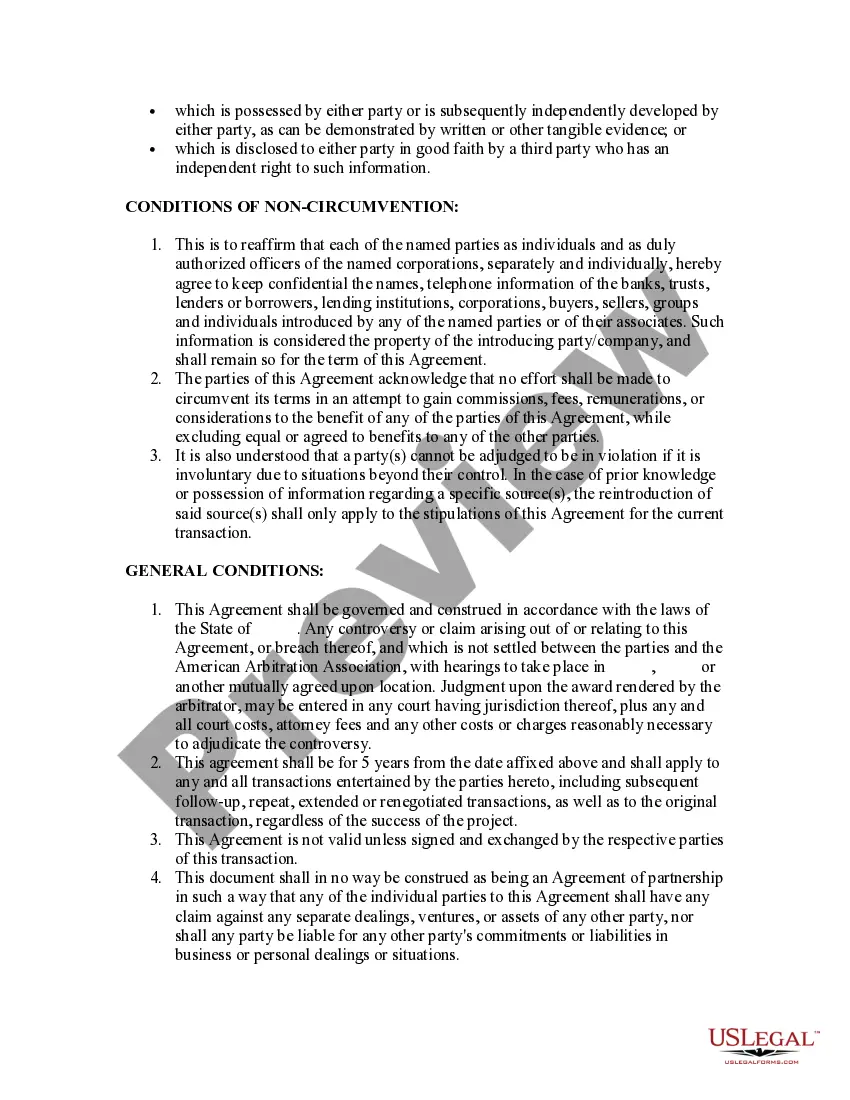
Description

Get your form ready online
Our built-in tools help you complete, sign, share, and store your documents in one place.
Make edits, fill in missing information, and update formatting in US Legal Forms—just like you would in MS Word.
Download a copy, print it, send it by email, or mail it via USPS—whatever works best for your next step.
Sign and collect signatures with our SignNow integration. Send to multiple recipients, set reminders, and more. Go Premium to unlock E-Sign.
If this form requires notarization, complete it online through a secure video call—no need to meet a notary in person or wait for an appointment.
We protect your documents and personal data by following strict security and privacy standards.

Make edits, fill in missing information, and update formatting in US Legal Forms—just like you would in MS Word.

Download a copy, print it, send it by email, or mail it via USPS—whatever works best for your next step.

Sign and collect signatures with our SignNow integration. Send to multiple recipients, set reminders, and more. Go Premium to unlock E-Sign.

If this form requires notarization, complete it online through a secure video call—no need to meet a notary in person or wait for an appointment.

We protect your documents and personal data by following strict security and privacy standards.
Looking for another form?

Form popularity
FAQ
California Legislature Strikes at Confidentiality Clauses in Consumer Refunds and Settlement Agreements. A targeted change to California law will prohibit non-disparagement and similar confidentiality clauses in consumer settlement agreements and refund policies.
After December 7, 2022, employees who sign an agreement that includes a non-disparagement clause or a non-disclosure clause before sexual harassment or assault occurs and a dispute arises are not bound by these agreements. The Speak Out Act of 2022 renders such clauses judicially unenforceable.
In addition, California's STAND Act and Silenced No More Act make it unlawful for businesses to use nondisclosure agreements to prevent their employees from revealing factual information regarding sexual assaults, workplace harassment, workplace discrimination, or workplace retaliation.
NDAs are enforceable when they are signed — if they are properly drafted and executed. NDAs are enforceable once signed, provided they have been drafted and executed properly. Unilateral NDAs need only the signature of the receiving party, whereas mutual non-disclosure agreements need the signatures of both parties.
In California, a nondisclosure agreement may be enforceable, provided it meets basic criteria. The restrictive covenant must be properly drafted. This entails clear writing, detailed information about the confidential components of the contract, and a clearly stated extent of the confidentiality obligation.
By February 14, 2024, employers must notify current employees and former employees (employed after January 1, 2022), whom the employer required to sign noncompete or customer nonsolicitation provisions, that those provisions are void under California law.
NDAs are enforceable when they are signed — if they are properly drafted and executed. NDAs are enforceable once signed, provided they have been drafted and executed properly. Unilateral NDAs need only the signature of the receiving party, whereas mutual non-disclosure agreements need the signatures of both parties.
NDAs should have a clear description of the purpose, parties, and duration they cover. Specifying time limits or periods that your employees are subject to confidentiality is particularly important to ensure your NDA is enforceable in California. The typical time period is one to five years.
In California, a nondisclosure agreement may be enforceable, provided it meets basic criteria. The restrictive covenant must be properly drafted. This entails clear writing, detailed information about the confidential components of the contract, and a clearly stated extent of the confidentiality obligation.