Non Disclosure Without Consent Rule In Maricopa
Description

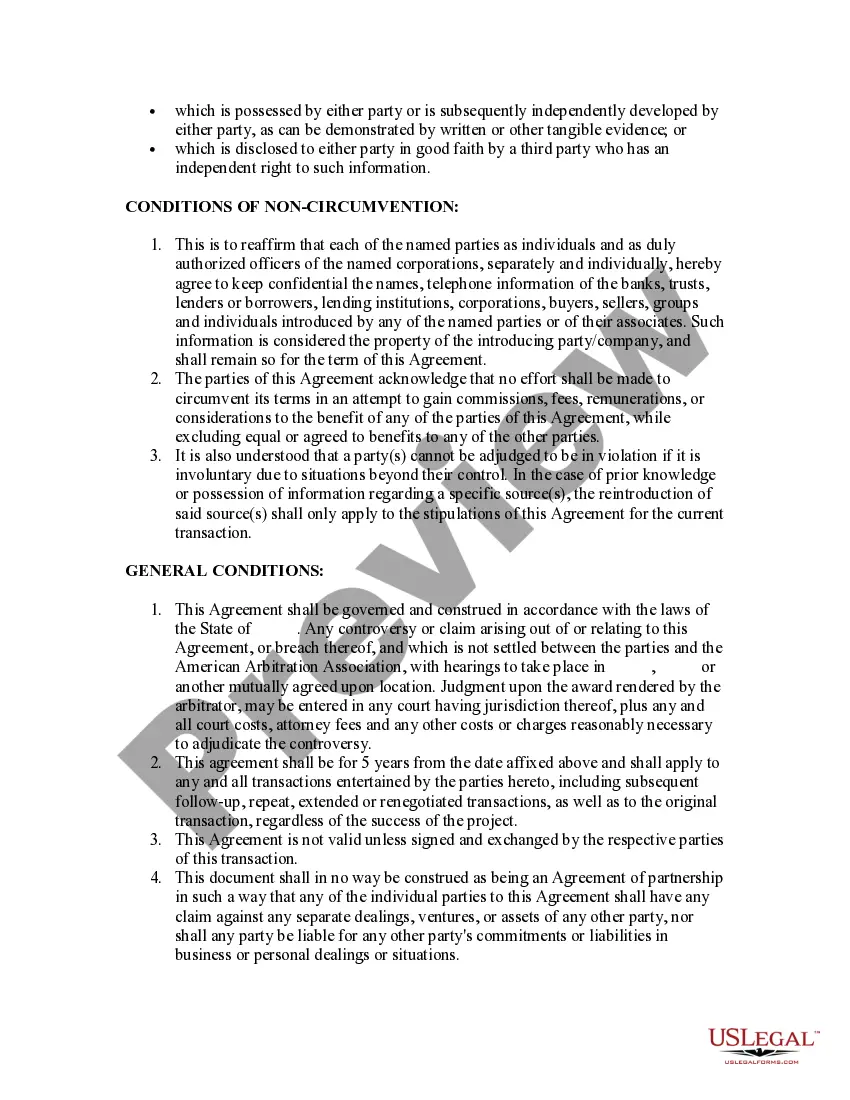
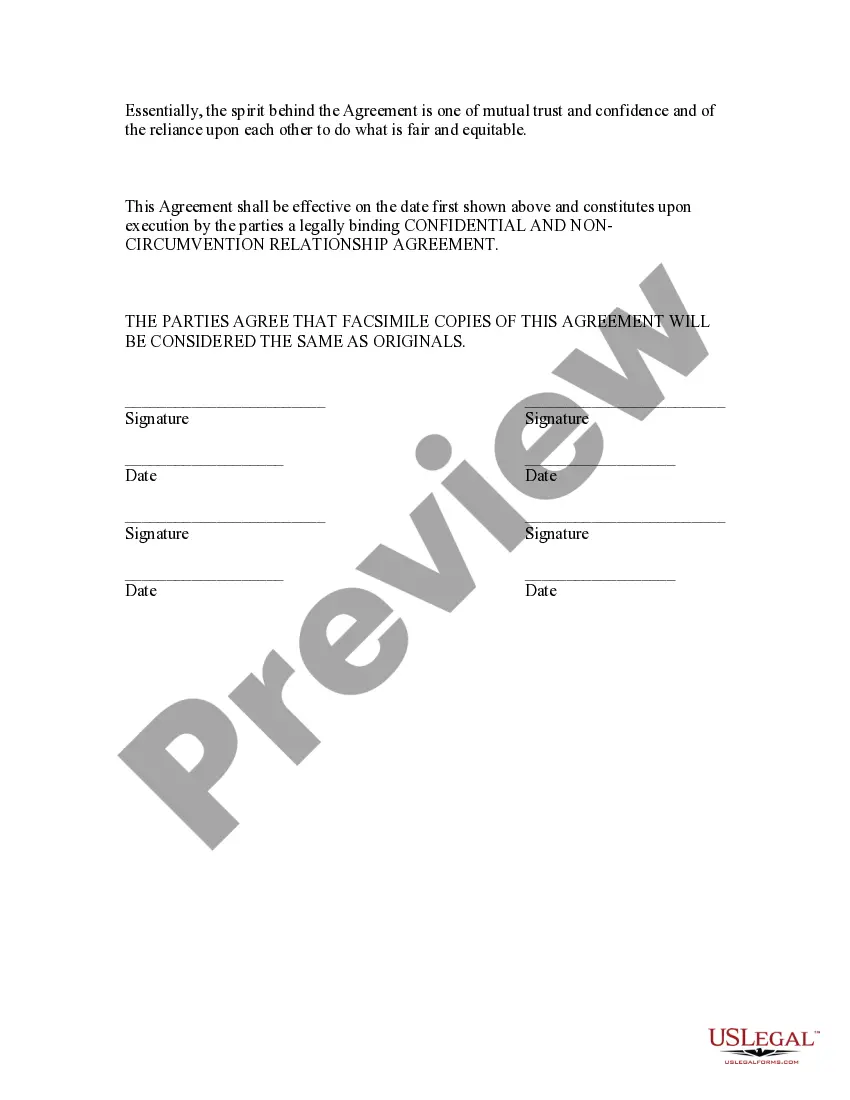
Get your form ready online
Our built-in tools help you complete, sign, share, and store your documents in one place.
Make edits, fill in missing information, and update formatting in US Legal Forms—just like you would in MS Word.
Download a copy, print it, send it by email, or mail it via USPS—whatever works best for your next step.
Sign and collect signatures with our SignNow integration. Send to multiple recipients, set reminders, and more. Go Premium to unlock E-Sign.
If this form requires notarization, complete it online through a secure video call—no need to meet a notary in person or wait for an appointment.
We protect your documents and personal data by following strict security and privacy standards.

Make edits, fill in missing information, and update formatting in US Legal Forms—just like you would in MS Word.

Download a copy, print it, send it by email, or mail it via USPS—whatever works best for your next step.

Sign and collect signatures with our SignNow integration. Send to multiple recipients, set reminders, and more. Go Premium to unlock E-Sign.

If this form requires notarization, complete it online through a secure video call—no need to meet a notary in person or wait for an appointment.

We protect your documents and personal data by following strict security and privacy standards.
Looking for another form?
Form popularity
FAQ
A party waives the right to a jury trial on any issue of fact raised by the pleadings or evidence but not submitted to the jury unless, before the jury retires, the party demands its submission to the jury. If the party does not demand submission, the court may make a finding on the issue.
The Rule 69 agreement often comes up during divorce and child custody cases in Arizona. It refers to a partial or complete settlement between two parties in a family law case. Once the two sides have entered into the agreement, it is valid and binding in the eyes of the court.
Mandatory Disclosure Documents in an Arizona Divorce Deeds, leases, and promissory notes. Periodic statements for the past six months for all bank, savings, and investment accounts. Life insurance, health insurance, and disability insurance policy statements. Detailed list of personal property, real estate, and debts.
Rule 49 allows full discovery of important facts to avoid “litigation by ambush.” The Rule promotes greater professionalism among counsel, with the ultimate goal of increasing voluntary cooperation and exchange of information.
Rule 49 allows full discovery of important facts to avoid “litigation by ambush.” The Rule promotes greater professionalism among counsel, with the ultimate goal of increasing voluntary cooperation and exchange of information.
Rule 48 - Emergency Temporary Orders (a)Filing and Timing. A party may request temporary orders without notice by filing a verified motion, along with a proposed form of orders and a notice of hearing on the motion. A motion may be filed at the same time or after filing an initial pre-decree or post-decree petition.
Fields Moseley is Communications Director for Maricopa County overseeing the team that works with the Board of Supervisors and County Management. He joined the team in May 2015 after more than 21 years as a broadcast journalist in Texas, South Carolina, North Carolina, Utah, and finally with KTVK in Phoenix.
The main office number is 202-479-3211. Recorded information—such as the opinion and orders forecast for the coming week or the list of opinions released that day—is available on this line, and reporters may also reach a staff member by pressing 1. The office is open Monday through Friday, 9 a.m. to p.m.
Contact Us Administration Office Hours: a.m. - p.m. Phone: 602-372-5375 or (602)37-CLERK. Email: coccustomerrelations@maricopa. Text Cleo: 52704. Other Cleo options: Get Started.
Rule 123, Rules of the Supreme Court of Arizona (“Rule 123”) authorizes courts to provide remote electronic access to case records. This code section sets forth the procedure for providing that access.
