With Non-disclosure In Hillsborough
Description

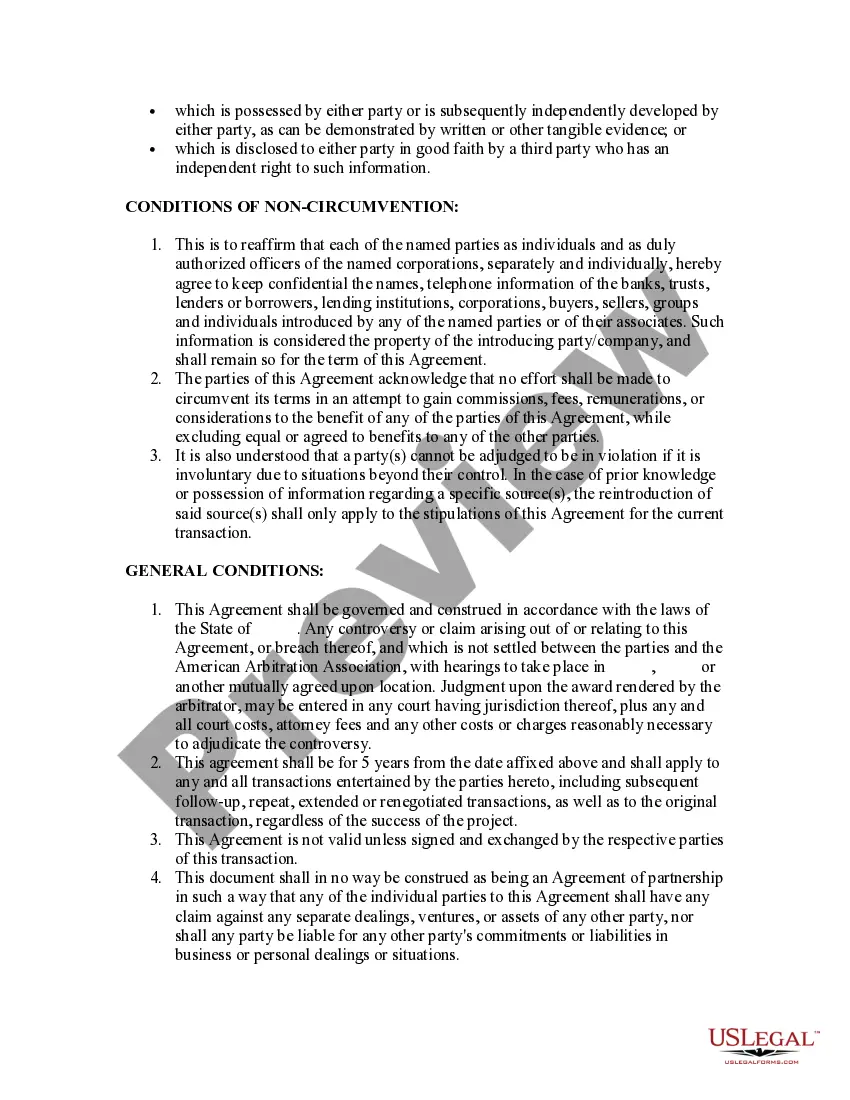
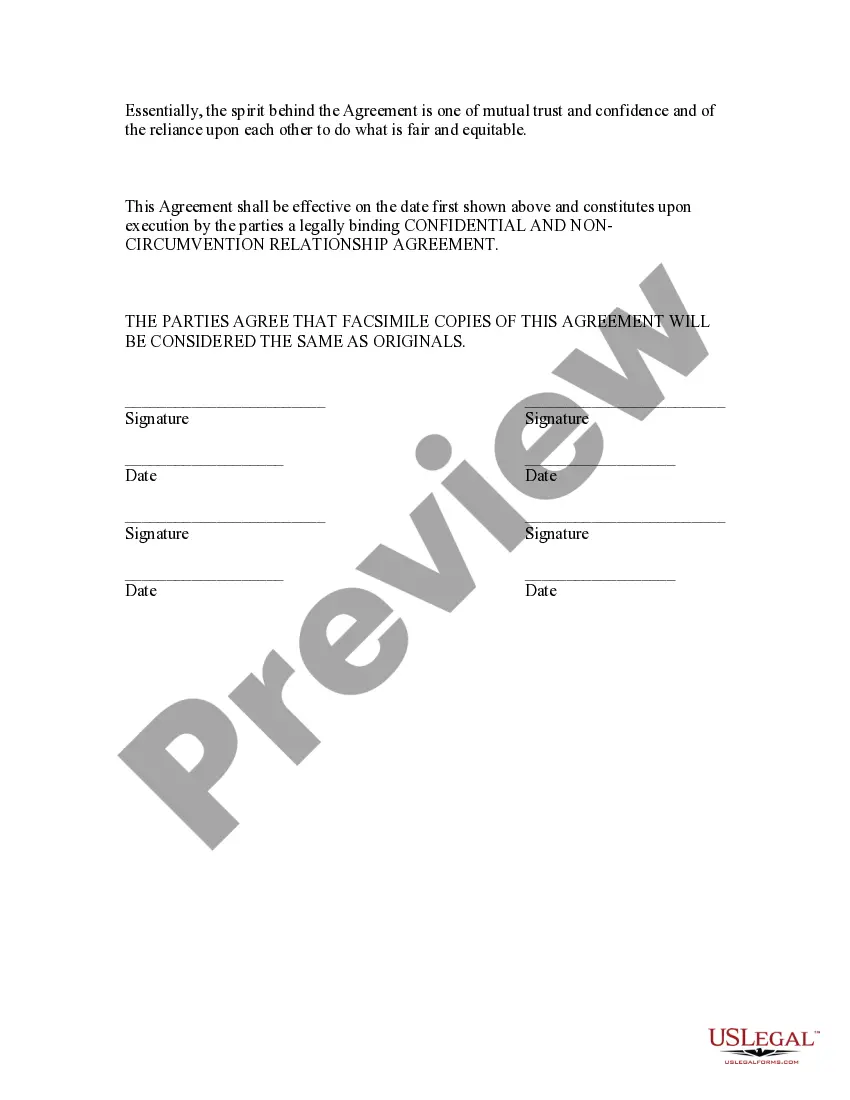
Get your form ready online
Our built-in tools help you complete, sign, share, and store your documents in one place.
Make edits, fill in missing information, and update formatting in US Legal Forms—just like you would in MS Word.
Download a copy, print it, send it by email, or mail it via USPS—whatever works best for your next step.
Sign and collect signatures with our SignNow integration. Send to multiple recipients, set reminders, and more. Go Premium to unlock E-Sign.
If this form requires notarization, complete it online through a secure video call—no need to meet a notary in person or wait for an appointment.
We protect your documents and personal data by following strict security and privacy standards.

Make edits, fill in missing information, and update formatting in US Legal Forms—just like you would in MS Word.

Download a copy, print it, send it by email, or mail it via USPS—whatever works best for your next step.

Sign and collect signatures with our SignNow integration. Send to multiple recipients, set reminders, and more. Go Premium to unlock E-Sign.

If this form requires notarization, complete it online through a secure video call—no need to meet a notary in person or wait for an appointment.

We protect your documents and personal data by following strict security and privacy standards.
Looking for another form?



Form popularity
FAQ
A Notice of Confidential Information or Notice of Confidential Crime Victim Information within Court Filing should be filed separately in each case if multiple cases contain confidential information. An address can only be made confidential by filing a REQUEST FOR CONFIDENTIAL FILING OF ADDRESS.
By law, a nondisclosure contract must be reasonable and necessary for protecting a legitimate business interest. It must also be limited in scope and duration, in terms of timing, geography, and other relevant factors. While not required, you should put any confidentiality agreement in writing.
(5) A "confidential" record is a record that, in court proceedings, is required by statute, rule of court, or other authority except a court order under rules 2.550-2.551 or rule 8.46 to be closed to inspection by the public or a party.
The Notice of Confidential Information within Court Filing filed pursuant to this subdivision must also state the title and type of document, date of filing (if known), date of document, docket entry number, indicate that either the entire document is confidential or identify the precise location of the confidential ...
A court record may be found confidential to accomplish any of the following: (a) to prevent a serious and imminent threat to the fair, impartial, and orderly administration of justice; (b) to comply with established public policy set forth in the constitution, statutes, rules, or case law; (c) to protect trade secrets; ...
Any court filings made in a Florida court that contain confidential information such as Social Security or bank account numbers, adoption records, HIV test results or information identifying victims of sexual offenses, must be accompanied by a Notice of Confidential Information (PDF).
The confidentiality rule applies not merely to matters communicated in confidence by the client but also to all information relating to the representation, whatever its source. A lawyer may not disclose confidential information except as authorized or required by the Rules Regulating The Florida Bar or by law.
Rule 2.420 outlines 23 categories of information that are automatically confidential in court records such as Social Security numbers, health records, bank account numbers, addresses of domestic violence victims, and juvenile delinquency records.