Wann Konjunktiv In Santa Clara
Description



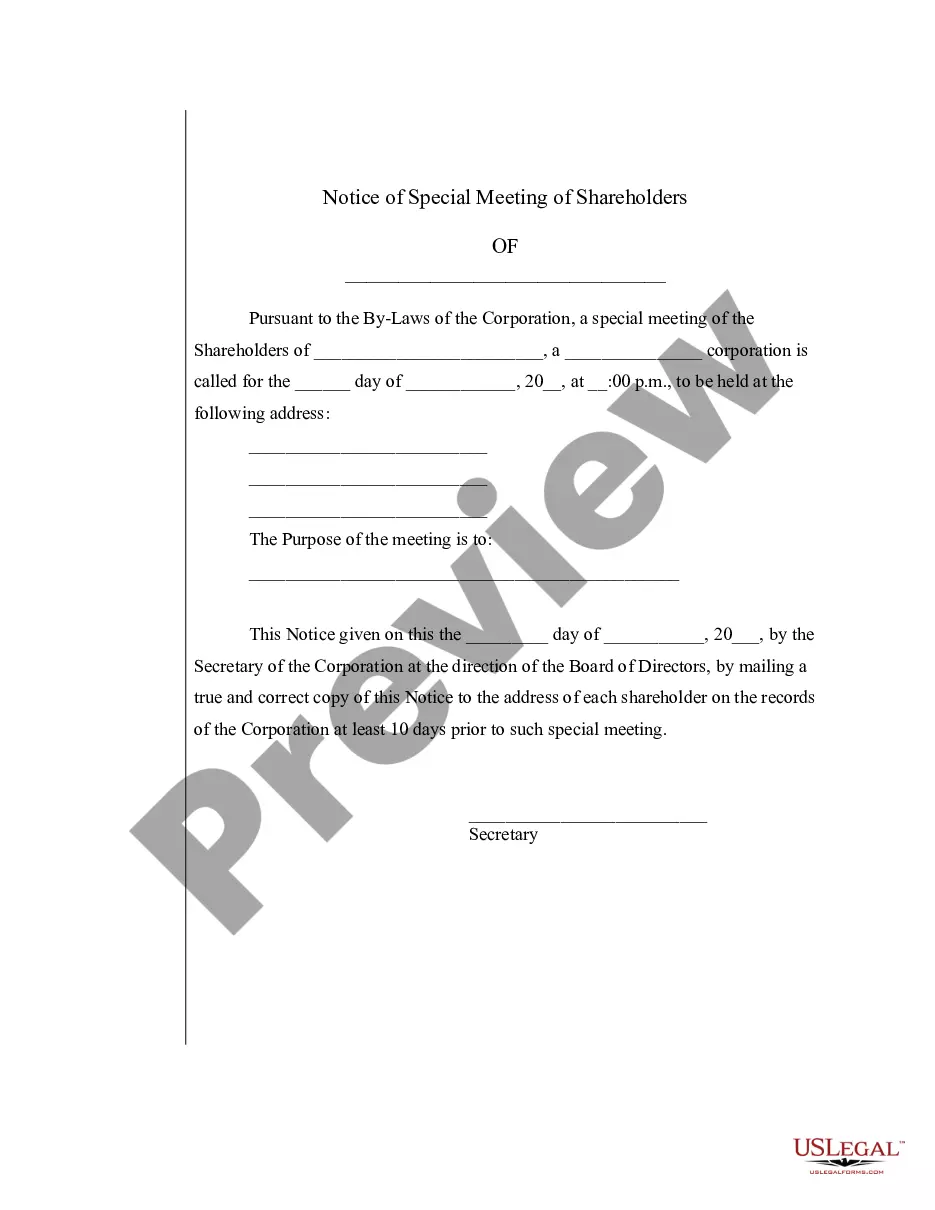
Get your form ready online
Our built-in tools help you complete, sign, share, and store your documents in one place.
Make edits, fill in missing information, and update formatting in US Legal Forms—just like you would in MS Word.
Download a copy, print it, send it by email, or mail it via USPS—whatever works best for your next step.
Sign and collect signatures with our SignNow integration. Send to multiple recipients, set reminders, and more. Go Premium to unlock E-Sign.
If this form requires notarization, complete it online through a secure video call—no need to meet a notary in person or wait for an appointment.
We protect your documents and personal data by following strict security and privacy standards.

Make edits, fill in missing information, and update formatting in US Legal Forms—just like you would in MS Word.

Download a copy, print it, send it by email, or mail it via USPS—whatever works best for your next step.

Sign and collect signatures with our SignNow integration. Send to multiple recipients, set reminders, and more. Go Premium to unlock E-Sign.

If this form requires notarization, complete it online through a secure video call—no need to meet a notary in person or wait for an appointment.

We protect your documents and personal data by following strict security and privacy standards.
Looking for another form?









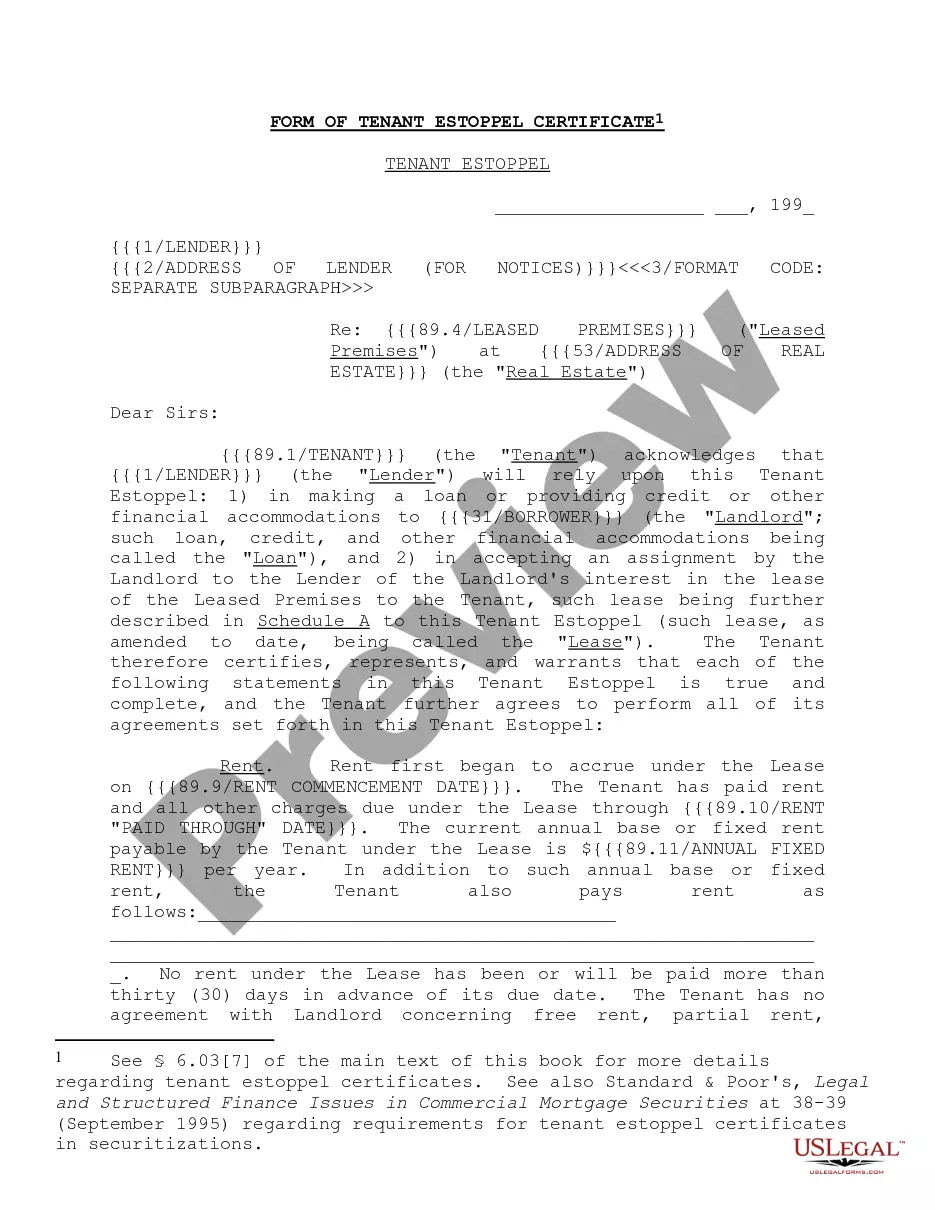
Form popularity
FAQ
The Subjunctive I (Konjunktiv I) is almost always used in the 3rd person singular; we form this by removing the final -n from the infinitive. The verb sein is unique in the Subjunctive I: ich sei, du sei(e)st, er sei, wir seien, ihr sei(e)t, sie seien. Example: Er sagte, sie seien im Kino.
Konjunktiv I is used for the 2nd and 3rd person singular and 2nd person plural, the Konjunktiv II for the 1st person singular and the 1st and 3rd person plural to avoid confusion. We can also use the Konjunktiv II to express a wish or desire, to make conditional sentences or to make special, polite phrases.
In Germany, Konjunktiv 1 and 2 are typically taught in high school or advanced language courses. However, the exact level at which they are introduced can vary depending on the specific language curriculum or program.
Tells the court that you had legal papers in a civil case - other than a summons - delivered to (served on) the other party. Lists the papers that were served and tells who they were served on, where, when, and how they were served, and who served them.
We use the Konjunktiv I primarily for indirect speech, for example: Mein Bruder sagt, er komme später. (My brother says that he is coming later.)
We use the Konjunktiv I primarily for indirect speech, for example: Mein Bruder sagt, er komme später. (My brother says that he is coming later.)
The Konjunktiv II (subjunctive II) is used to express imagined wishes or conditions. It can also be used to give advice or suggestions, or to make a sentence politer. Ich würde gerne zum Mond fliegen. ( irrealer Wunsch) I would like to fly to the moon. (
Present Subjunctive (Konjunktiv I) 'SEIN'- Present Subjunctive (Konjunktiv I) Table PersonSingularPlural 1st ich sei wir seien 2nd du sei(e)st ihr sei(e)t 3rd er sei sie seien
How do I tell the Court that my address has changed? The Notice of Change of Address form is a state form, MC-040 . You can access it and complete it online. File the completed original and the copy at the Court where your case was heard - see list of courthouses.
Tells the court that you had legal papers in a civil case - other than a summons - delivered to (served on) the other party. Lists the papers that were served and tells who they were served on, where, when, and how they were served, and who served them.

