Wann Konjunktiv In Riverside
Description



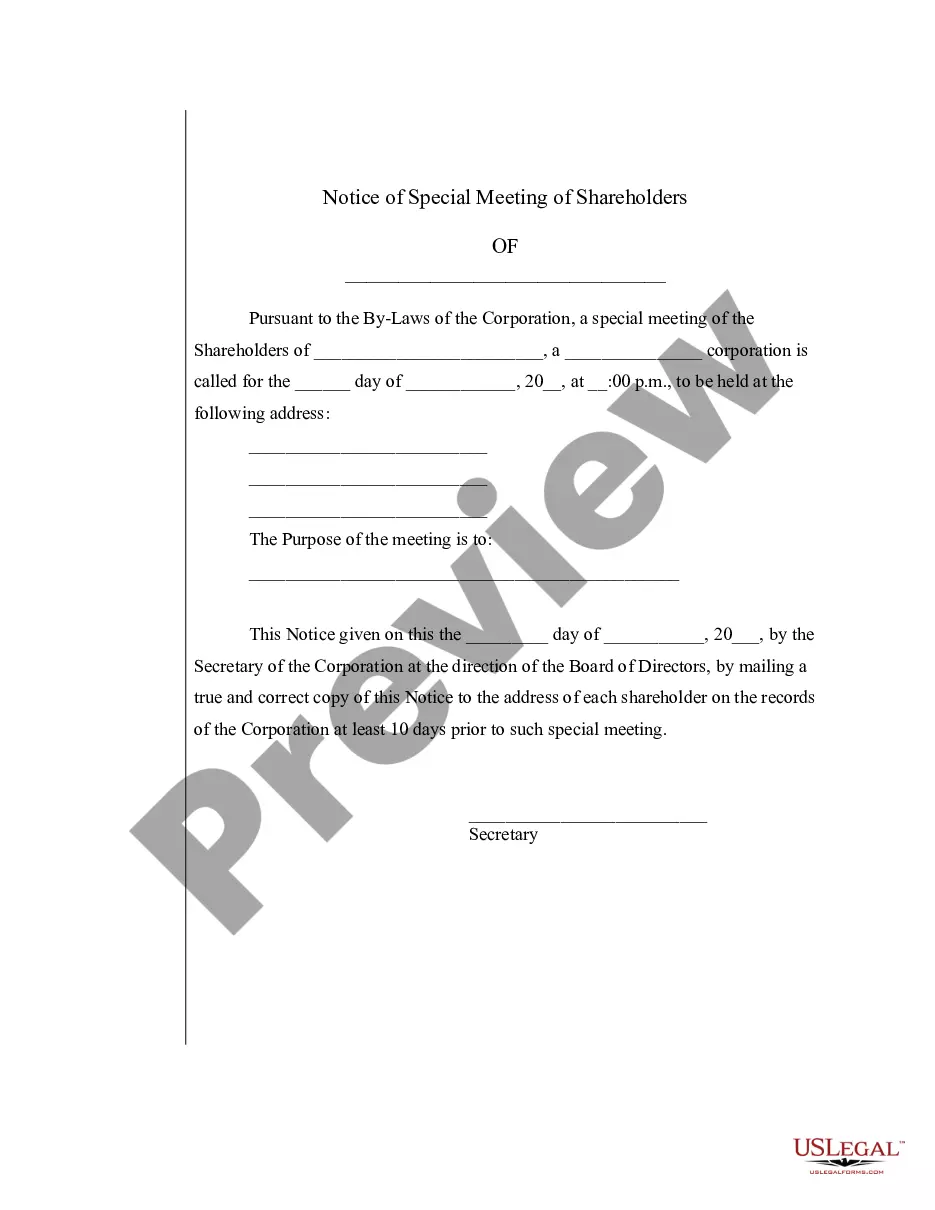
Get your form ready online
Our built-in tools help you complete, sign, share, and store your documents in one place.
Make edits, fill in missing information, and update formatting in US Legal Forms—just like you would in MS Word.
Download a copy, print it, send it by email, or mail it via USPS—whatever works best for your next step.
Sign and collect signatures with our SignNow integration. Send to multiple recipients, set reminders, and more. Go Premium to unlock E-Sign.
If this form requires notarization, complete it online through a secure video call—no need to meet a notary in person or wait for an appointment.
We protect your documents and personal data by following strict security and privacy standards.

Make edits, fill in missing information, and update formatting in US Legal Forms—just like you would in MS Word.

Download a copy, print it, send it by email, or mail it via USPS—whatever works best for your next step.

Sign and collect signatures with our SignNow integration. Send to multiple recipients, set reminders, and more. Go Premium to unlock E-Sign.

If this form requires notarization, complete it online through a secure video call—no need to meet a notary in person or wait for an appointment.

We protect your documents and personal data by following strict security and privacy standards.
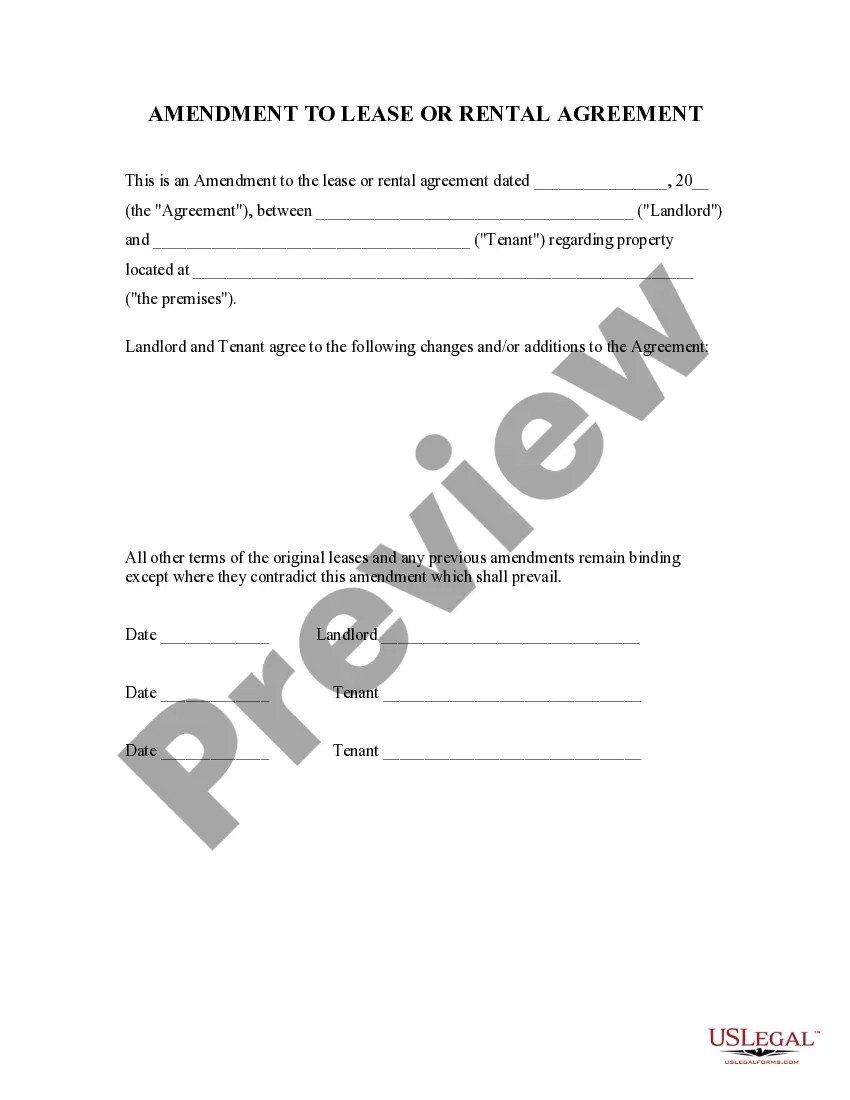
Looking for another form?







Form popularity
FAQ
Konjunktiv I is used to indicate reported speech (when you are telling someone what somebody else has said).
The conjugation of sollen (should, ought) in subjunctive II is: ich sollte, du solltest, er sollte, wir sollten, ihr solltet, sie sollten. As an irregular verb is the changed subjunctive stem soll- used. The subjunctive endings -te, -test, -te, -ten, -tet, -ten are appended to this stem.
Konjunktiv I is used for the 2nd and 3rd person singular and 2nd person plural, the Konjunktiv II for the 1st person singular and the 1st and 3rd person plural to avoid confusion. We can also use the Konjunktiv II to express a wish or desire, to make conditional sentences or to make special, polite phrases.
The German Konjunktiv II is the verb form that we use for polite requests, wishes, suggestions, theories and hypothetical situations. We conjugate modal verbs in the Subjunctive II by adding the subjunctive endings to the simple past stem and adding an umlaut.
Konjunktiv I is used for the 2nd and 3rd person singular and 2nd person plural, the Konjunktiv II for the 1st person singular and the 1st and 3rd person plural to avoid confusion. We can also use the Konjunktiv II to express a wish or desire, to make conditional sentences or to make special, polite phrases.
To form the conditional in German, the Subjunctive 2 (Konjunktiv 2) is used. The Subjunctive 2 is a mood used to express doubt or uncertainty, which is why it is used for the conditional; we are not stating what is or has happened, but what could or would happen if certain conditions are met.
Konjunktiv 2, on the other hand, is more complex and is used in more formal or literary contexts. Students may start learning Konjunktiv 2 in advanced levels (C1/C2) and continue to practice and refine their usage throughout their language learning journey.
The German Konjunktiv II is the verb form that we use for polite requests, wishes, suggestions, theories and hypothetical situations. We conjugate modal verbs in the Subjunctive II by adding the subjunctive endings to the simple past stem and adding an umlaut.
It is called a "walk-on" or "add-on" and you must go to the clerk's office as soon as the court opens. If you are late, the clerk will not put it on calendar.
This site allows for the electronic filing of documents Unlimited Civil, including Complex, Limited Civil, Unlawful Detainers and Small Claims cases with the Riverside Superior Court. Please read the Riverside Superior Court General Order re: Electronic Filing for Civil .

