Reis Beilagen In Maryland
Description



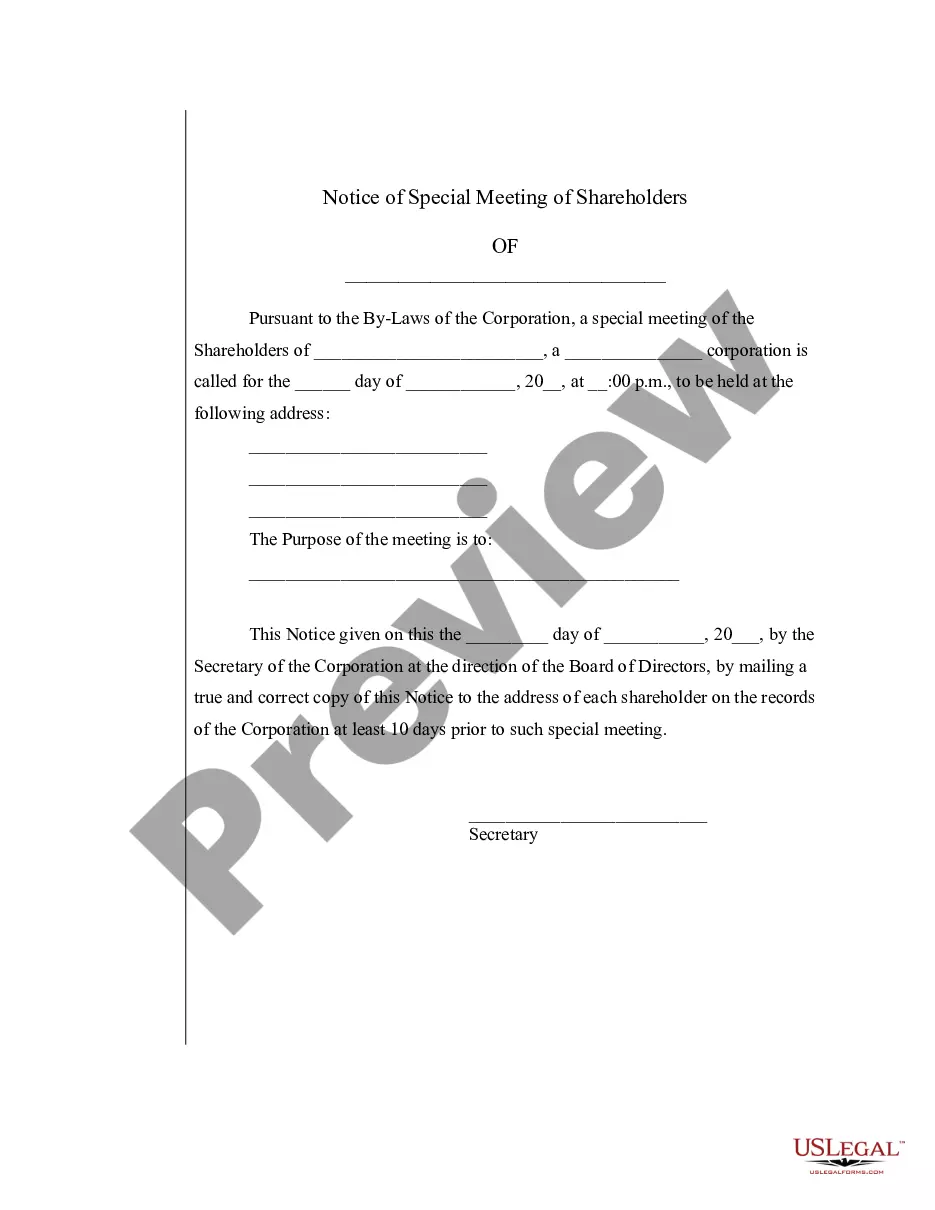
Get your form ready online
Our built-in tools help you complete, sign, share, and store your documents in one place.
Make edits, fill in missing information, and update formatting in US Legal Forms—just like you would in MS Word.
Download a copy, print it, send it by email, or mail it via USPS—whatever works best for your next step.
Sign and collect signatures with our SignNow integration. Send to multiple recipients, set reminders, and more. Go Premium to unlock E-Sign.
If this form requires notarization, complete it online through a secure video call—no need to meet a notary in person or wait for an appointment.
We protect your documents and personal data by following strict security and privacy standards.

Make edits, fill in missing information, and update formatting in US Legal Forms—just like you would in MS Word.

Download a copy, print it, send it by email, or mail it via USPS—whatever works best for your next step.

Sign and collect signatures with our SignNow integration. Send to multiple recipients, set reminders, and more. Go Premium to unlock E-Sign.

If this form requires notarization, complete it online through a secure video call—no need to meet a notary in person or wait for an appointment.

We protect your documents and personal data by following strict security and privacy standards.
Looking for another form?






Form popularity
FAQ
The seller must sign and print his or her name and the buyer's name and address on the back of the “Certificate of Title” under the “Assignment of Ownership” section. The buyer's name and address must be recorded in the “Assignment of Ownership” section to complete the sale.
The seller must sign and print his or her name and the buyer's name and address on the back of the “Certificate of Title” under the “Assignment of Ownership” section. The buyer's name and address must be recorded in the “Assignment of Ownership” section to complete the sale.
What are the criteria for in-state residency? Owning or renting and continuously occupying living quarters in Maryland. Having substantially all personal property in Maryland. Paying Maryland income tax. Registering all vehicles in Maryland. If licensed, possessing a valid Maryland driver's license.
To complete Form 502, you'll need your personal information, including Social Security Number, income details from all sources, information on any tax credits or deductions you're eligible for, and details of any tax payments you've already made for the year.
One of the most effective strategies to bypass Maryland probate is establishing a Revocable Living Trust. This flexible tool allows you to retain control over your assets during your lifetime, with the ability to alter or dissolve the trust as your circumstances or wishes change.
Technically, no, you do not have to file probate when someone passes away. There are no laws that require an Executor or Administrator of an estate to file probate documents with the court.
You will resolve all issues related to alimony, child custody, child support, and division of property. There is no such thing as a “legal separation” in Maryland. If you and your spouse live separate and apart with the intention of ending your marriage, that constitutes a separation.
A probate attorney can help you determine if the estate needs to go through the probate process. Regular Estate - property of the decedent subject to administration in Maryland is es- tablished to have a value in excess of $50,000 (in excess of $100,000 if spouse is sole heir).
Once the individual passes away, the estate administration process begins. The type of probate proceedings available in Maryland depends on the facts of the case. Generally, if an individual dies with assets in his or her sole name, probate will be required.

