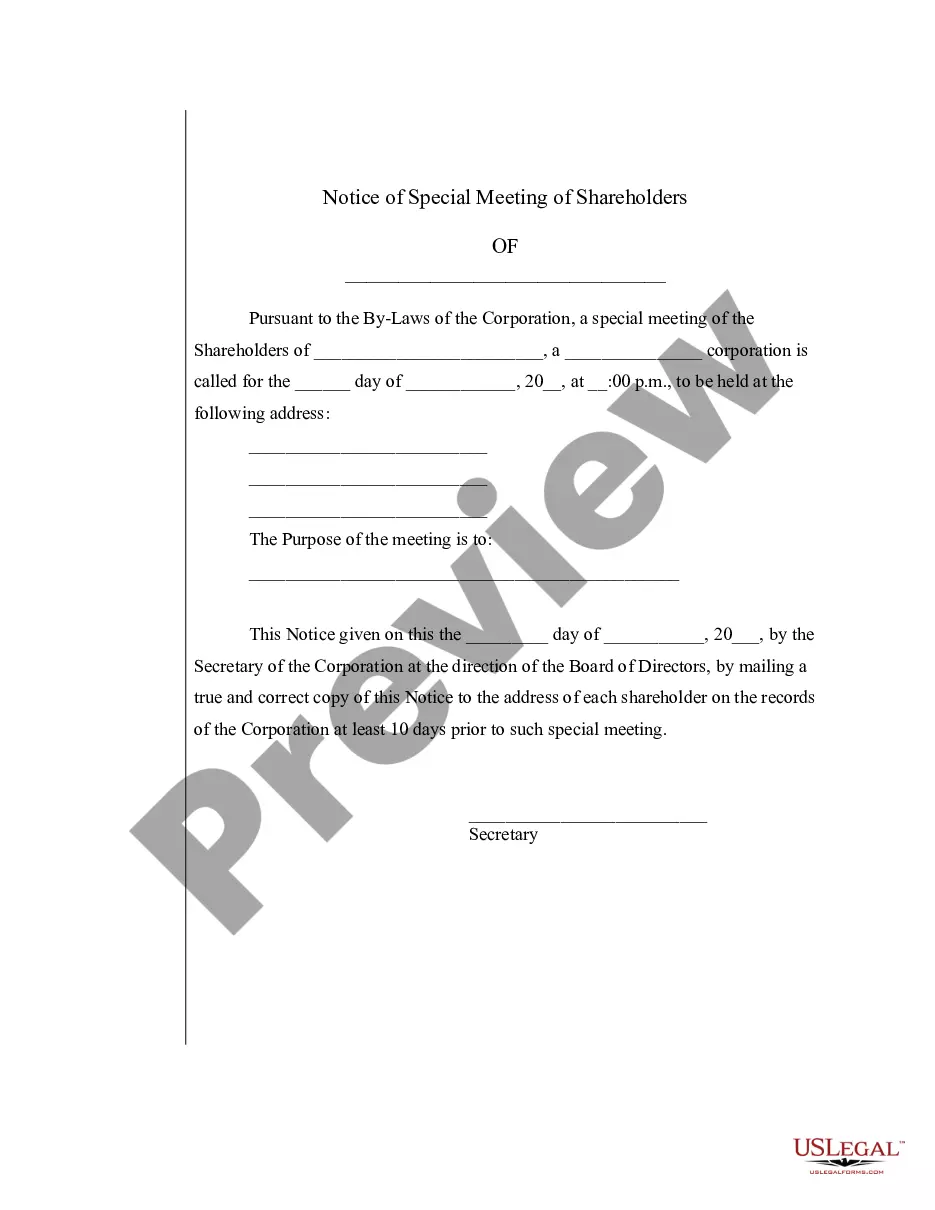
Special Meeting Sample For Nonprofit In Houston
Description



Get your form ready online
Our built-in tools help you complete, sign, share, and store your documents in one place.
Make edits, fill in missing information, and update formatting in US Legal Forms—just like you would in MS Word.
Download a copy, print it, send it by email, or mail it via USPS—whatever works best for your next step.
Sign and collect signatures with our SignNow integration. Send to multiple recipients, set reminders, and more. Go Premium to unlock E-Sign.
If this form requires notarization, complete it online through a secure video call—no need to meet a notary in person or wait for an appointment.
We protect your documents and personal data by following strict security and privacy standards.

Make edits, fill in missing information, and update formatting in US Legal Forms—just like you would in MS Word.

Download a copy, print it, send it by email, or mail it via USPS—whatever works best for your next step.

Sign and collect signatures with our SignNow integration. Send to multiple recipients, set reminders, and more. Go Premium to unlock E-Sign.

If this form requires notarization, complete it online through a secure video call—no need to meet a notary in person or wait for an appointment.

We protect your documents and personal data by following strict security and privacy standards.
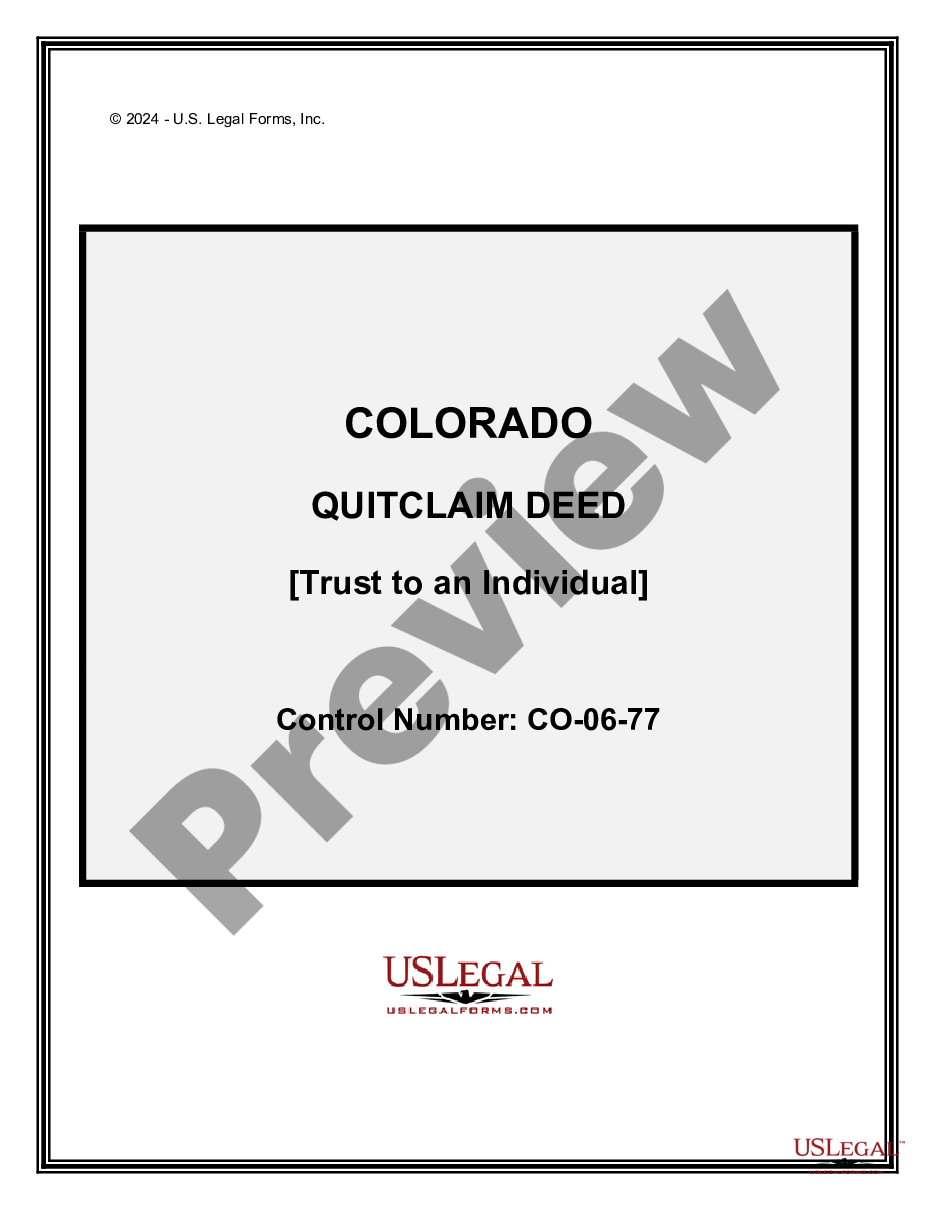
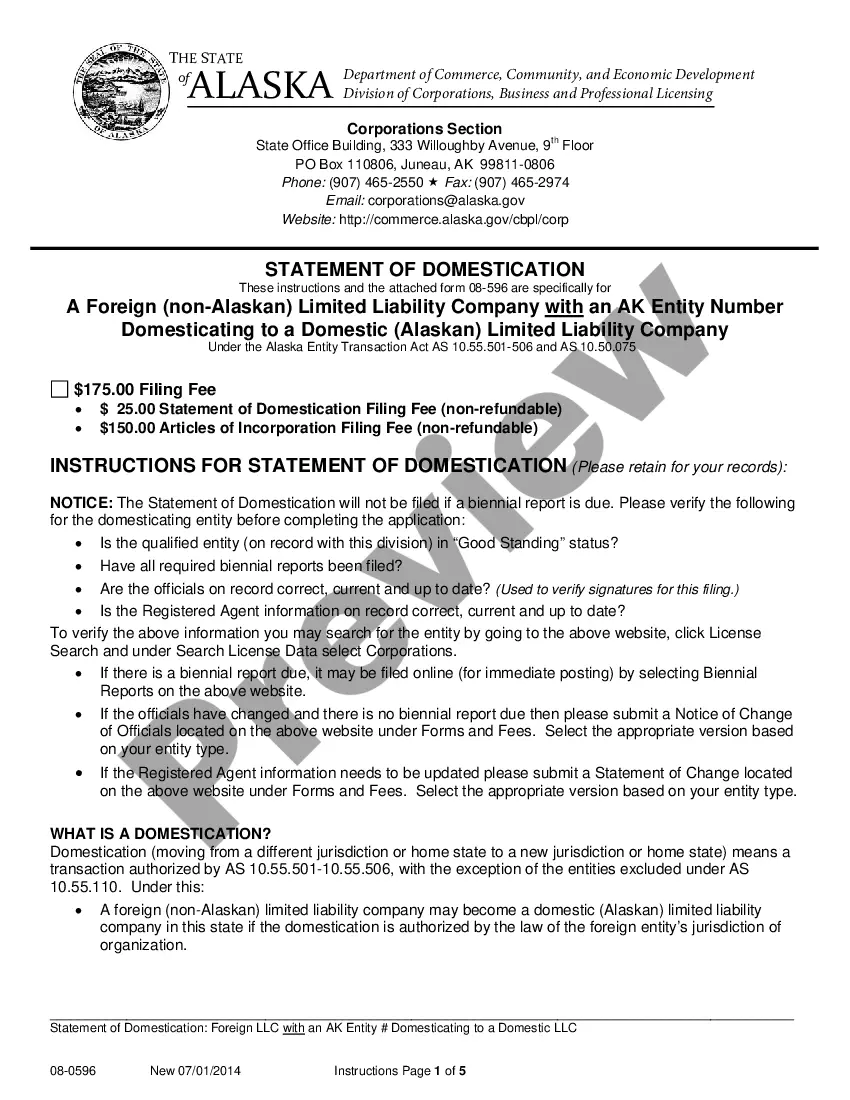
Looking for another form?



Form popularity
FAQ
Ing to Robert's Rules of Order, special meetings always require previous notice. Here are a few valid reasons for calling a special meeting: An urgent matter needs to be dealt with before the next regular meeting. There is a proposal to amend bylaws.
Ing to Robert's Rules of Order, special meetings always require previous notice. Here are a few valid reasons for calling a special meeting: An urgent matter needs to be dealt with before the next regular meeting. There is a proposal to amend bylaws.
Unless the governing documents require a longer notice period, members must be notified of the time and place of board meetings at least four (4) days before the meeting. (Civ. Code § 4920(a).)
There shall be a 14 (fourteen) days' notice to all directors entitled to receive notice of a Board meeting.
A proper meeting notice should include: Date, Time, and Venue: Clear details on when and where the meeting will take place. Purpose of the Meeting: A brief description of the meeting's objectives. Agenda: An outline of topics to be discussed; this helps attendees prepare for the meeting.
Special board meetings may be called by the chair of the board, the president, any vice president, the secretary, or any two directors.
2.3. 1 Under the Act, the minimum period of notice for any General Meeting is 14 clear days.
The responsibility for setting the agenda for board meetings typically falls on the shoulders of the board chair or president, in collaboration with the executive director or CEO of the nonprofit organization.
Exemption requirements - 501(c)(3) organizations In addition, it may not be an action organization, i.e., it may not attempt to influence legislation as a substantial part of its activities and it may not participate in any campaign activity for or against political candidates.
Public officials in government are directly accountable to their constituents and must be elected and reelected by those they serve. In the nonprofit sector, organizations are meant to be accountable to their boards, donors, community partners, staff members, grantees, and volunteers.

