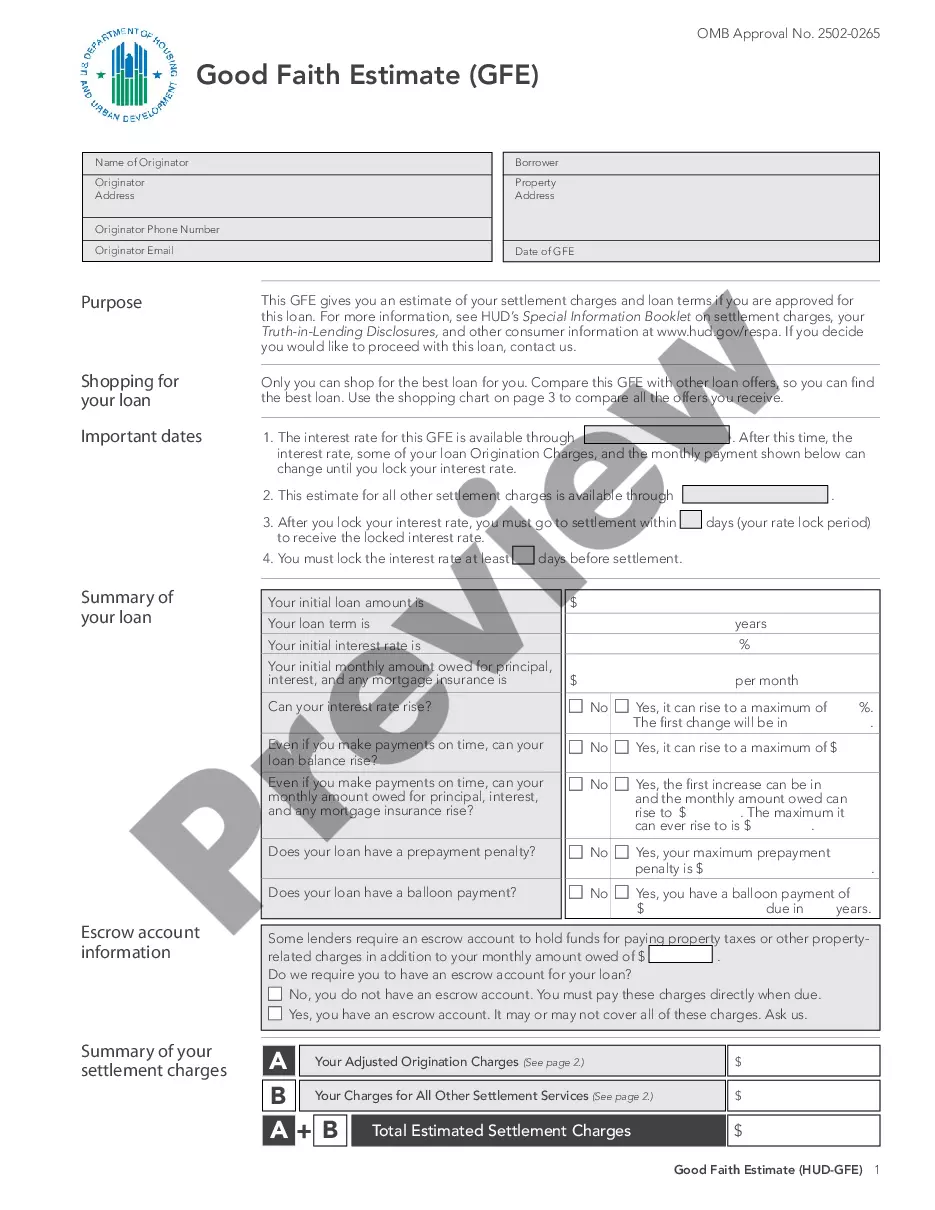
Special Meeting Sample For Staff In Franklin
Description



Get your form ready online
Our built-in tools help you complete, sign, share, and store your documents in one place.
Make edits, fill in missing information, and update formatting in US Legal Forms—just like you would in MS Word.
Download a copy, print it, send it by email, or mail it via USPS—whatever works best for your next step.
Sign and collect signatures with our SignNow integration. Send to multiple recipients, set reminders, and more. Go Premium to unlock E-Sign.
If this form requires notarization, complete it online through a secure video call—no need to meet a notary in person or wait for an appointment.
We protect your documents and personal data by following strict security and privacy standards.

Make edits, fill in missing information, and update formatting in US Legal Forms—just like you would in MS Word.

Download a copy, print it, send it by email, or mail it via USPS—whatever works best for your next step.

Sign and collect signatures with our SignNow integration. Send to multiple recipients, set reminders, and more. Go Premium to unlock E-Sign.

If this form requires notarization, complete it online through a secure video call—no need to meet a notary in person or wait for an appointment.

We protect your documents and personal data by following strict security and privacy standards.
Looking for another form?









Form popularity
FAQ
How to host an effective staff meeting Develop an agenda. Determine the purpose of the meeting and plan out the key topics you want to cover in the meeting. Send a meeting invitation. Address important information. Give everyone a chance to participate. Reach a conclusion. Encourage feedback. End on time.
Here are a few valid reasons for calling a special meeting: An urgent matter needs to be dealt with before the next regular meeting. There is a proposal to amend bylaws. Adopting or amending special rules of order. Amending or rescinding something that was previously adopted.
Here are a few valid reasons for calling a special meeting: An urgent matter needs to be dealt with before the next regular meeting. There is a proposal to amend bylaws. Adopting or amending special rules of order. Amending or rescinding something that was previously adopted.
At a special meeting, members can discuss only the business that was stated in the notification (which is referred to as the call to the meeting). If some emergency business is transacted for which no notice was given, the organization must ratify that business at a regular meeting or at another special meeting.
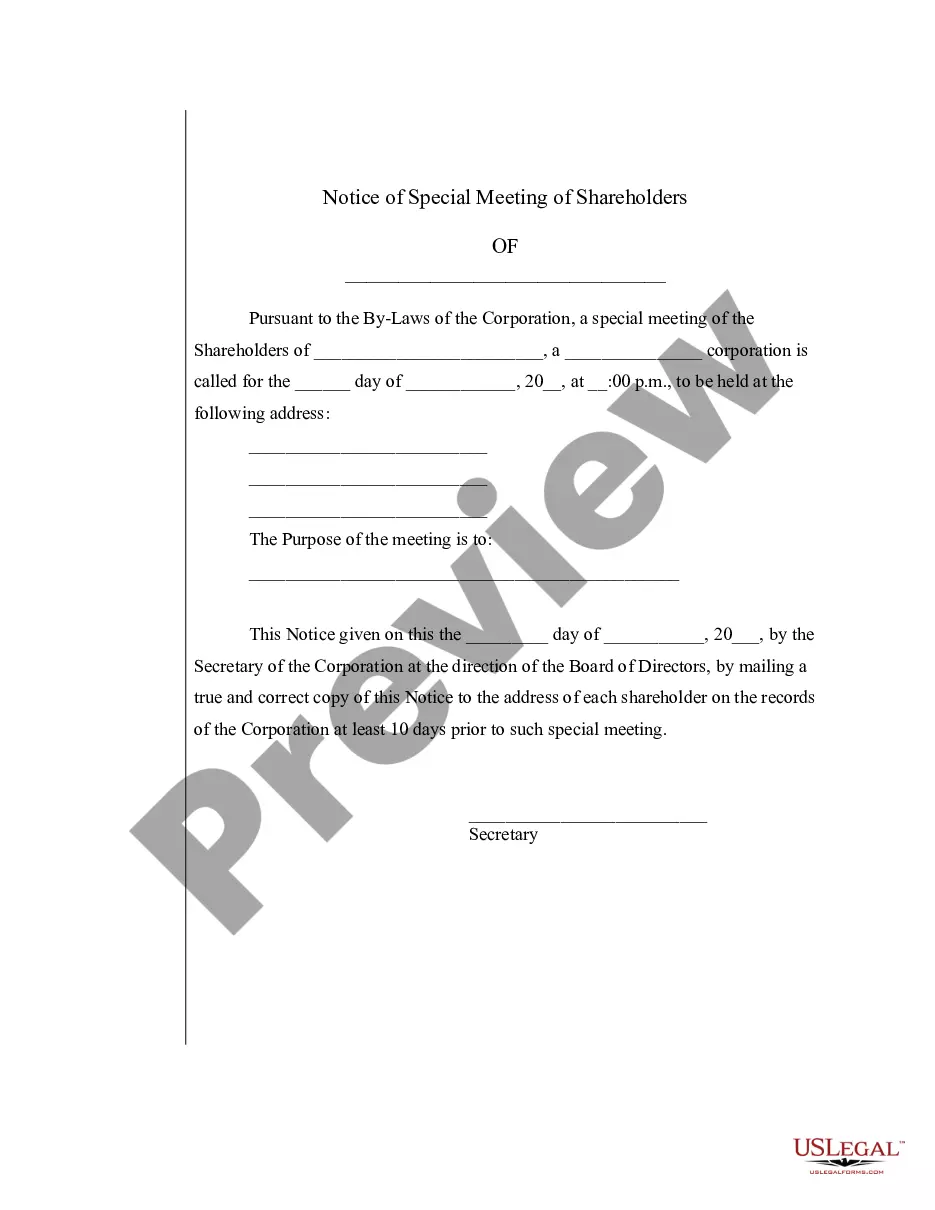
The notice must provide directors with the date, time, and location of the meeting. Although technically, the purpose of the meeting does not have to be provided, it is generally a good idea to include an agenda or similar information so directors know what to expect and why it is important to attend.
An agenda is an outline of the issues that a group will discuss during its meeting. The officers of the organization prepare the agenda with assistance from the organization advisor. An agenda starts with a list of general business items.