Sample Membership Letters With Greetings In San Jose
Description

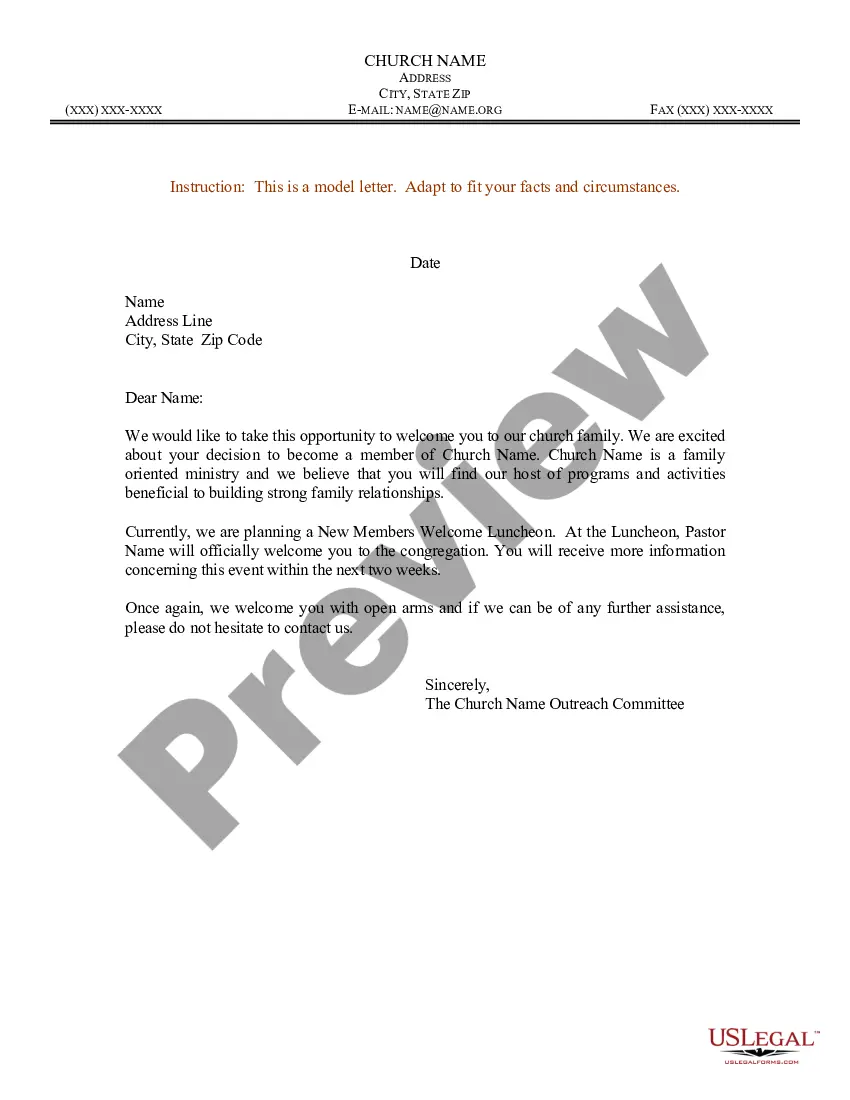
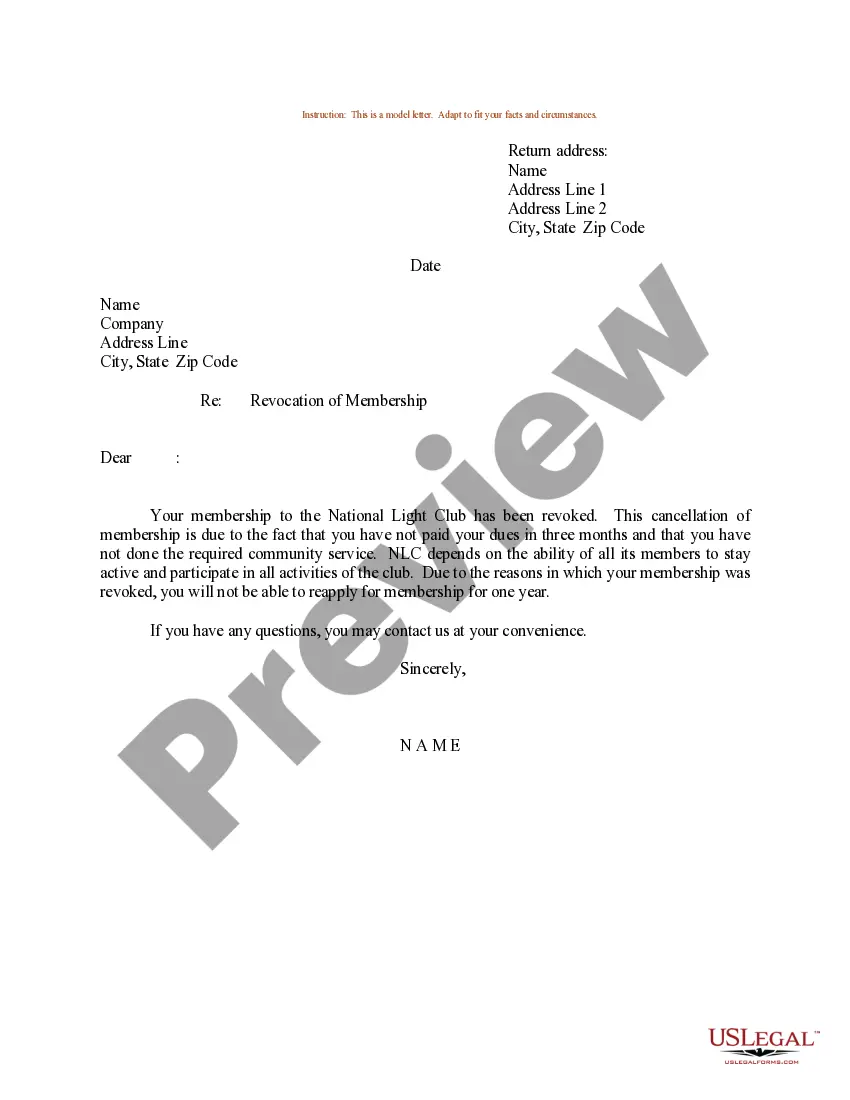
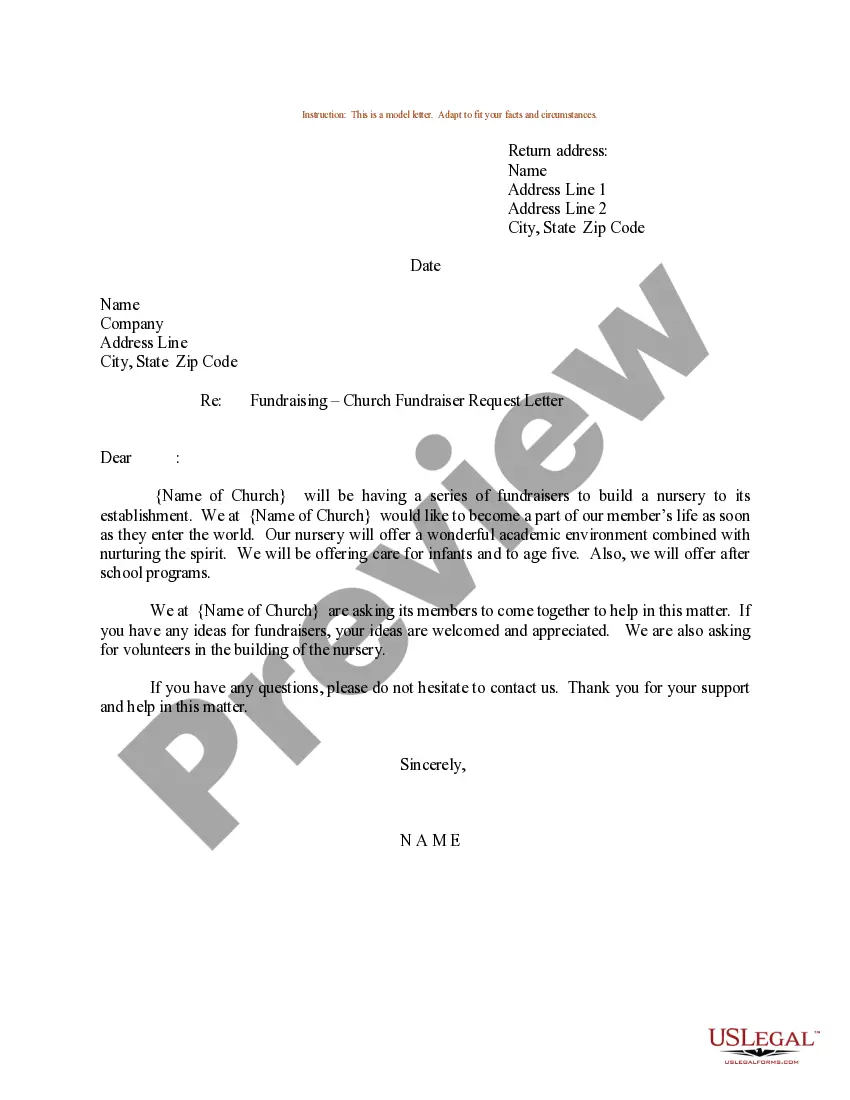
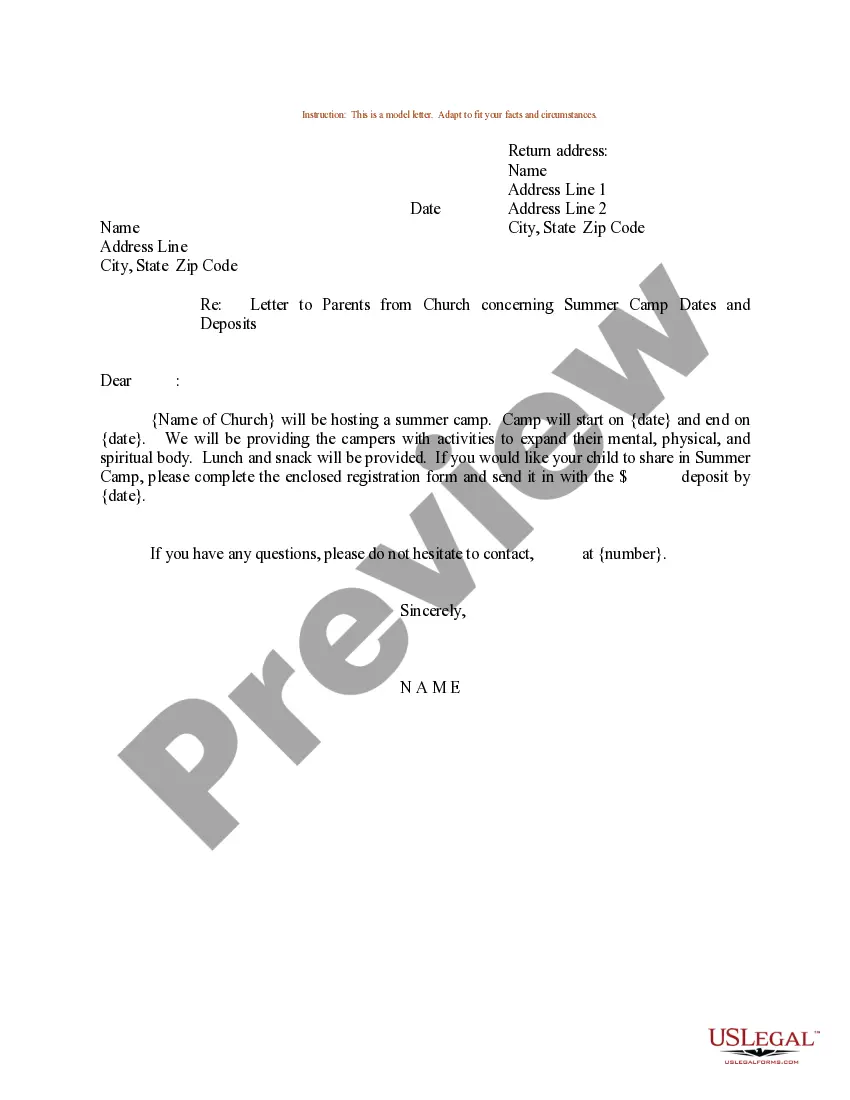
Get your form ready online
Our built-in tools help you complete, sign, share, and store your documents in one place.
Make edits, fill in missing information, and update formatting in US Legal Forms—just like you would in MS Word.
Download a copy, print it, send it by email, or mail it via USPS—whatever works best for your next step.
Sign and collect signatures with our SignNow integration. Send to multiple recipients, set reminders, and more. Go Premium to unlock E-Sign.
If this form requires notarization, complete it online through a secure video call—no need to meet a notary in person or wait for an appointment.
We protect your documents and personal data by following strict security and privacy standards.

Make edits, fill in missing information, and update formatting in US Legal Forms—just like you would in MS Word.

Download a copy, print it, send it by email, or mail it via USPS—whatever works best for your next step.

Sign and collect signatures with our SignNow integration. Send to multiple recipients, set reminders, and more. Go Premium to unlock E-Sign.

If this form requires notarization, complete it online through a secure video call—no need to meet a notary in person or wait for an appointment.

We protect your documents and personal data by following strict security and privacy standards.
Looking for another form?







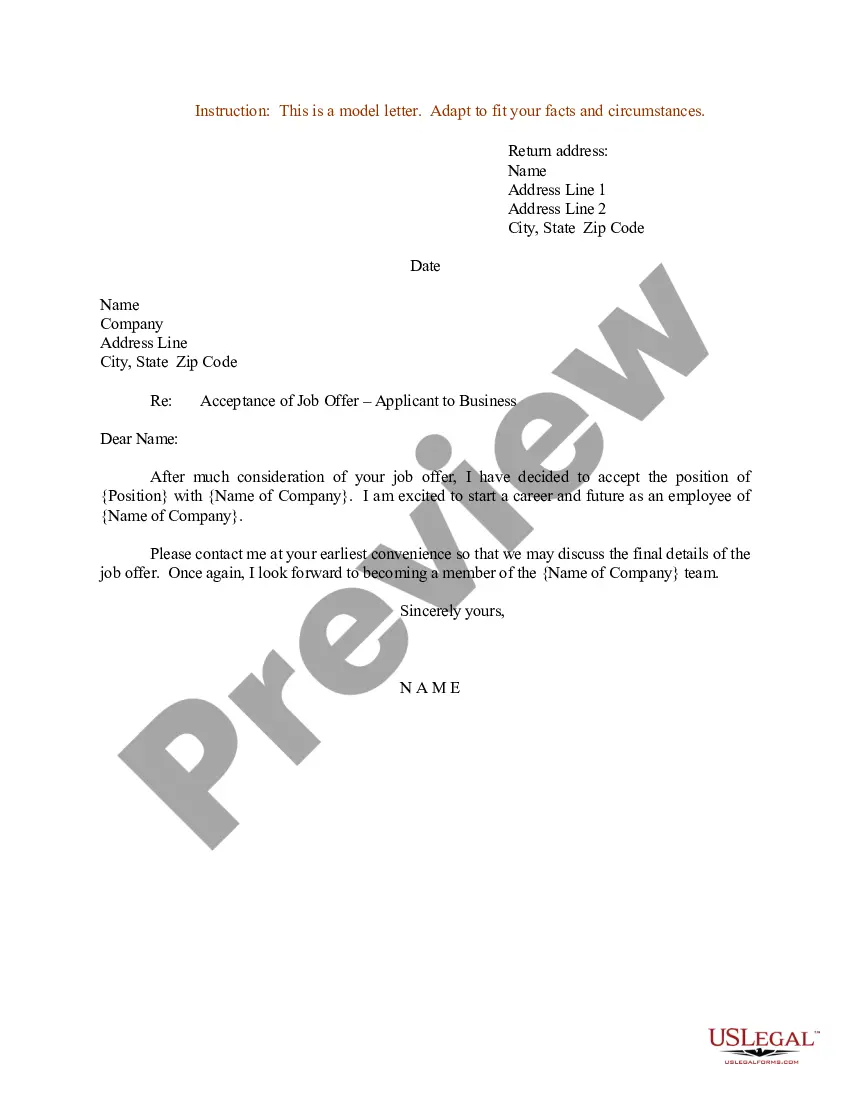
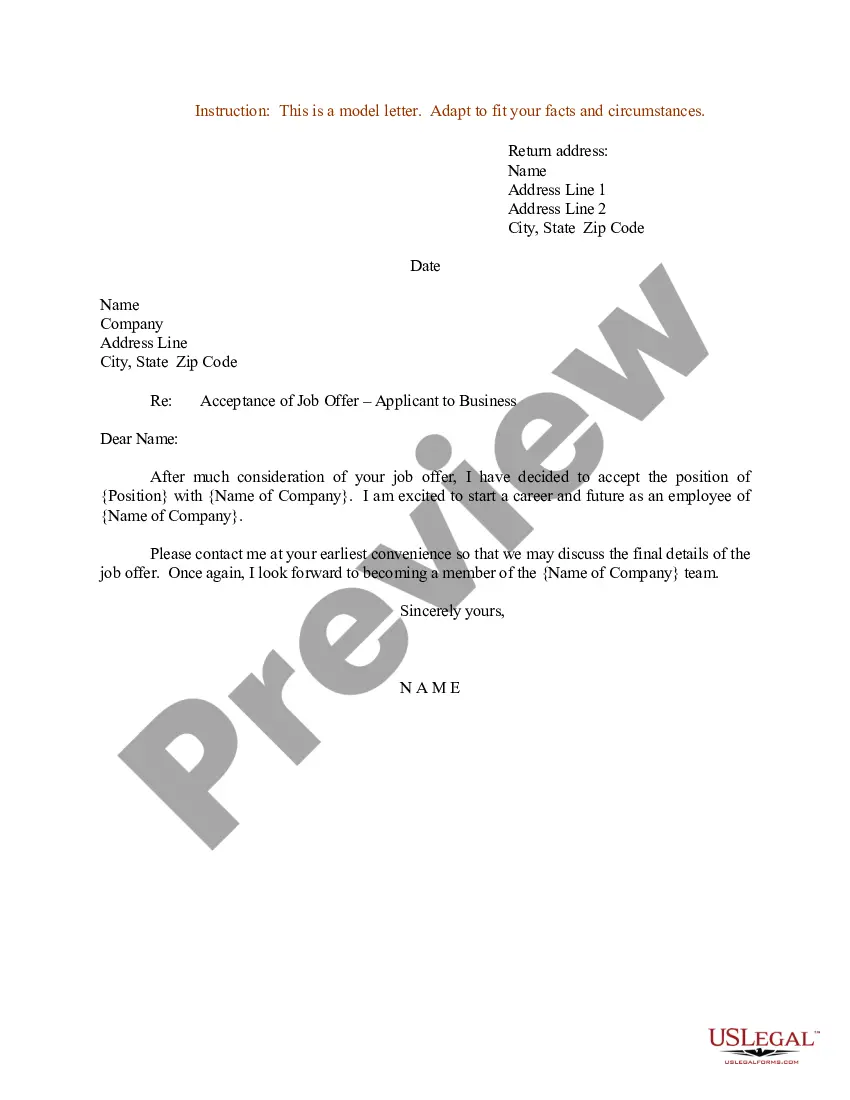

Form popularity
FAQ
What Do You Write in a Membership Application Letter? The name of the person who wanted to apply for membership. The kind of membership that the individual wants to acquire. The name of the club, organization, or establishment that a person wants to be a member of. The qualifications of the person to be a member.
While “To whom it may concern:” and “Dear sir” or “Dear madam” are appropriate ways to start a business letter, using the recipient's name in your salutation will make your business letter feel much warmer and more personal. Confirm and check spelling: Using the correct spelling shows professionalism or care.
Salutations for business letters The most formal salutation is Dear, title, then the last name. If you're unsure of the person's pronouns, it's a good idea to use Dear First and last name or Dear First name. When you don't know the recipient's name, you can use Hello or Greetings.
Although in certain situations it is appropriate to use "Greetings" or "Hello" before the name of the recipient, using the word "Dear" at the beginning of a business letter is the preferred professional approach. When in doubt, use "Dear."
The salutation (or greeting) in a business letter is always formal. It often begins with “Dear {Person's name}.” Once again, be sure to include the person's title if you know it (such as Ms., Mrs., Mr., or Dr). If you're unsure about the person's title or gender then just use their first name.
5. Greetings, This is a generic email greeting that can be used when you are not sure who the recipient is, how to spell their name, or what their gender is. Starting an email with “Greetings” is a conservative, safe and polite way to get into the content that follows.
Essential Information Include the recipient's name, title, and company address at the beginning of the letter. Include the date the letter is written. Craft a clear and concise subject line that explicitly states the purpose of the letter (e.g., “Contract Renewal Proposal for Service Name”).
7 tips for writing the perfect membership renewal letter Keep it short and sweet. Personalize it. Get crafty and purposeful with your subject Line. Be clear with their membership expiry date. Send it at the right time. Use different formats. Include contact info for your organization.
Write a Perfect Welcome Letter to New Members with These 10 Tips 1) A Personalized Email and Recognizable Confirmation Subject Line. 2) Confirmation They Made the Right Decision. 3) A Brief Introduction to Your Organization. 4) Sprinkle in Member Benefits. 5) Links to Other Helpful Resources on Your Website.
1) A Personalized Email and Recognizable Confirmation Subject Line. 2) Confirmation They Made the Right Decision. 3) A Brief Introduction to Your Organization. 4) Sprinkle in Member Benefits. 5) Links to Other Helpful Resources on Your Website. 6) A Clear Description of What Will Happen Next. 7) A Bit of Personality.

