Sample Membership Letters With Reference In San Diego
Description

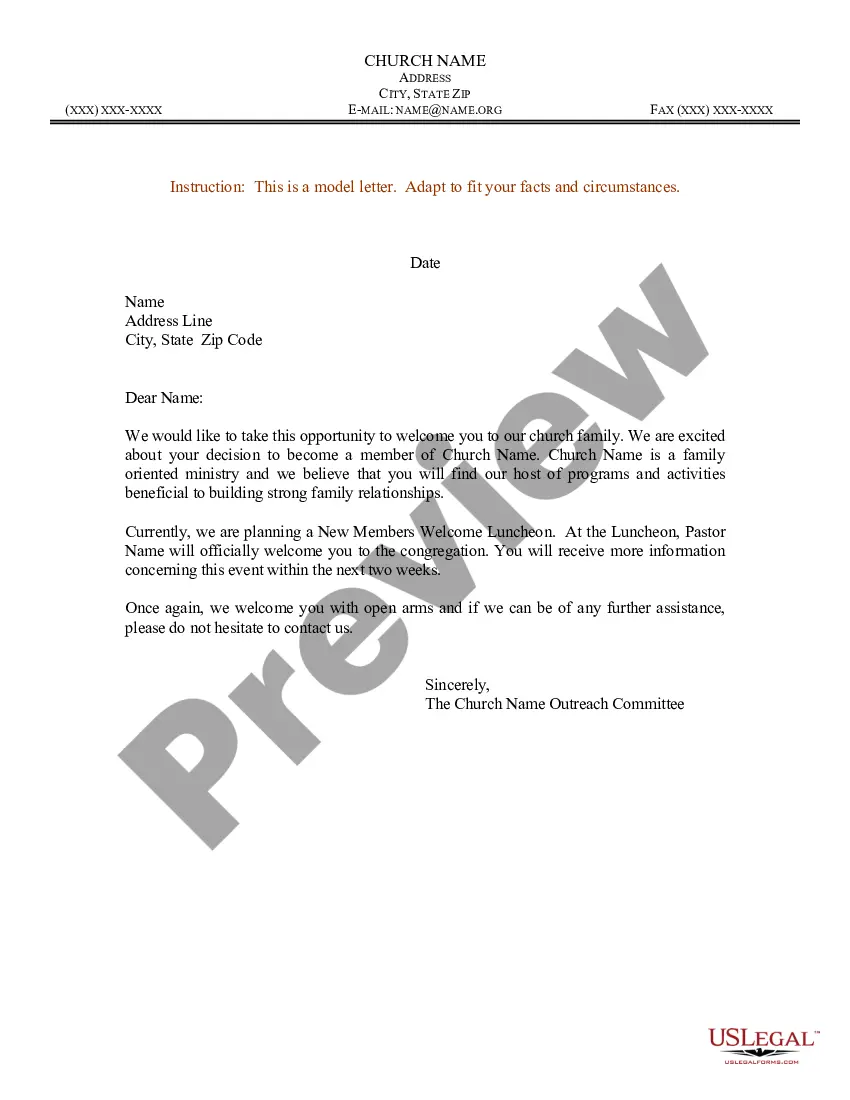
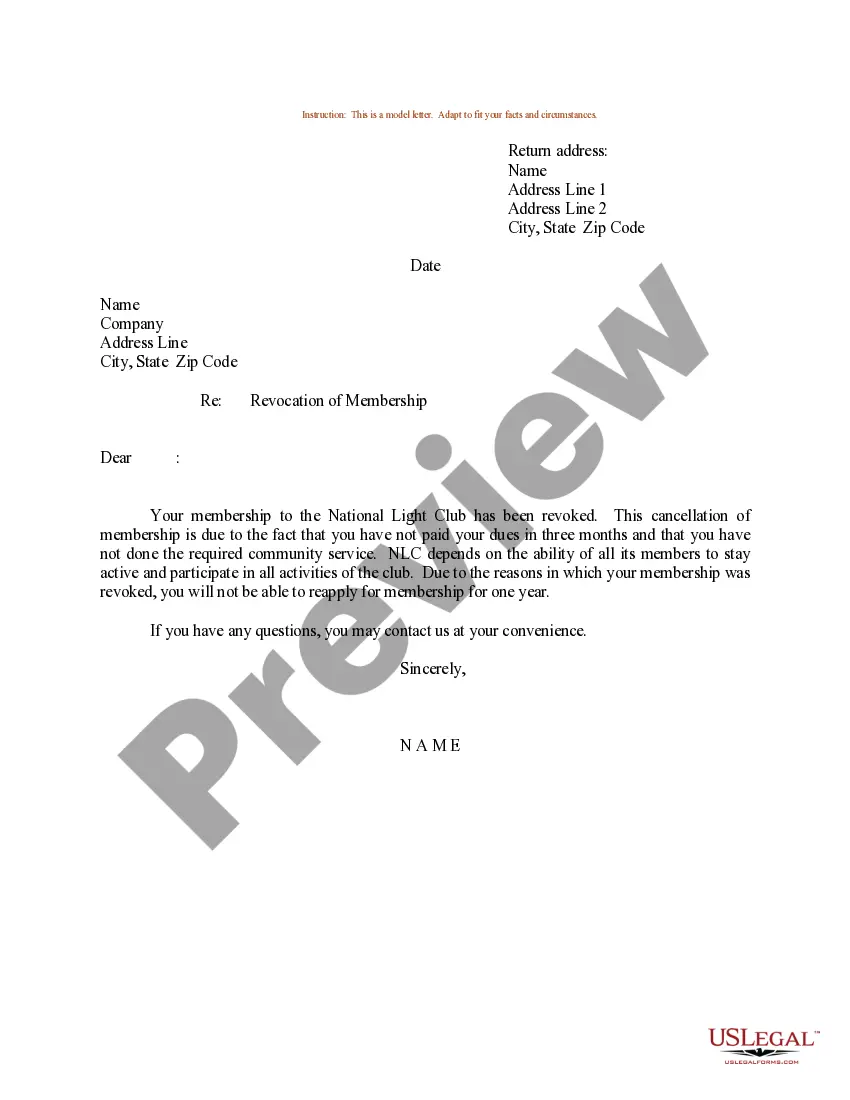
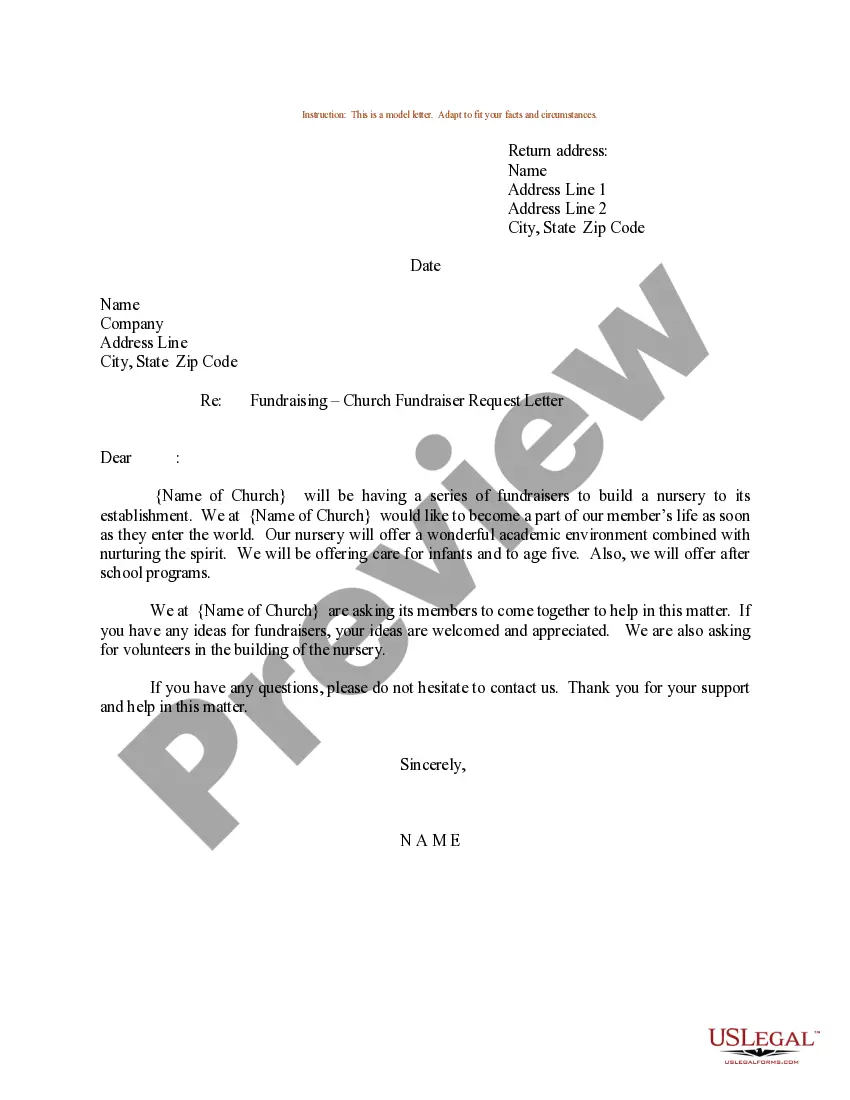
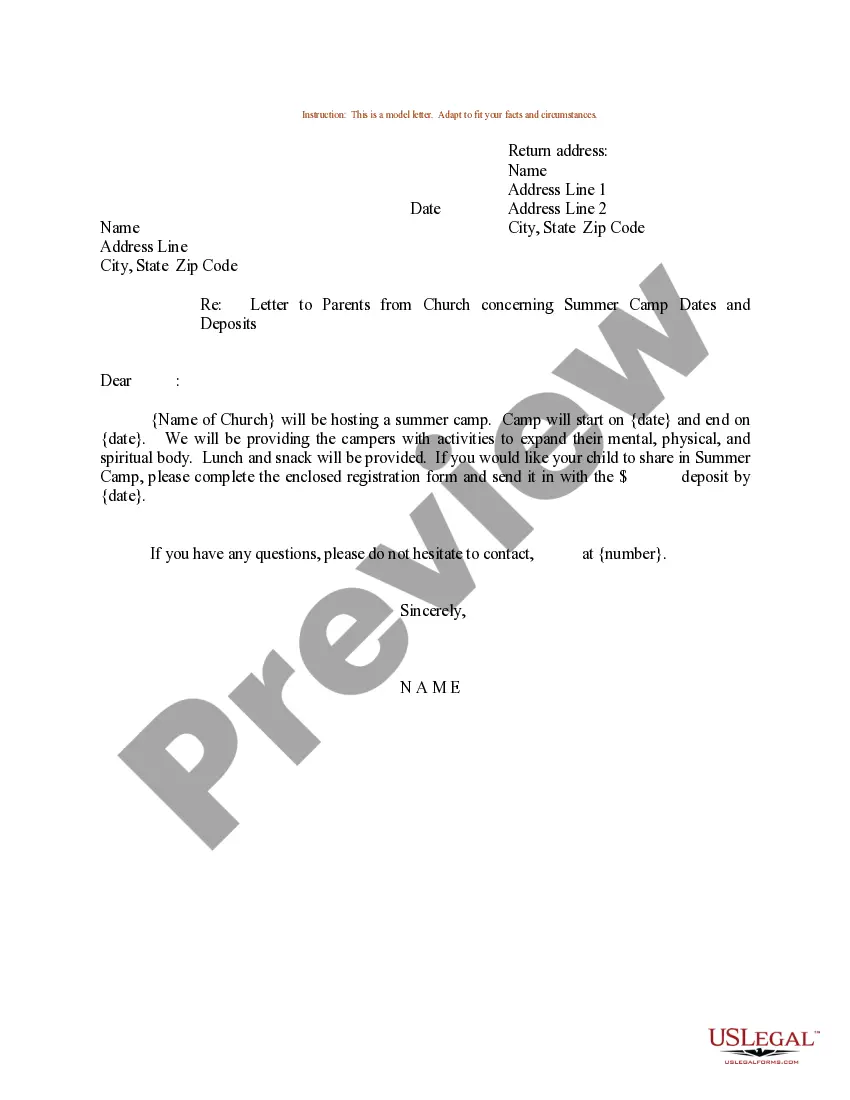
Get your form ready online
Our built-in tools help you complete, sign, share, and store your documents in one place.
Make edits, fill in missing information, and update formatting in US Legal Forms—just like you would in MS Word.
Download a copy, print it, send it by email, or mail it via USPS—whatever works best for your next step.
Sign and collect signatures with our SignNow integration. Send to multiple recipients, set reminders, and more. Go Premium to unlock E-Sign.
If this form requires notarization, complete it online through a secure video call—no need to meet a notary in person or wait for an appointment.
We protect your documents and personal data by following strict security and privacy standards.

Make edits, fill in missing information, and update formatting in US Legal Forms—just like you would in MS Word.

Download a copy, print it, send it by email, or mail it via USPS—whatever works best for your next step.

Sign and collect signatures with our SignNow integration. Send to multiple recipients, set reminders, and more. Go Premium to unlock E-Sign.

If this form requires notarization, complete it online through a secure video call—no need to meet a notary in person or wait for an appointment.

We protect your documents and personal data by following strict security and privacy standards.
Looking for another form?






Form popularity
FAQ
What to include in an official letter A heading that lists your address and the recipient's address. A formal salutation. One paragraph stating your reasons for writing the letter. Another paragraph expanding further on the introduction paragraph. A final paragraph concluding the letter. Closing letter signature.
2 Start With a Proper Format: Formal letters have a specific layout that includes the sender's address, date, recipient's address, salutation, body, close, and signature. Align your text to the left and use a professional font like Times New Roman or Arial.
In most cases, formal letters begin with "Dear Title Last Name." This format is perfect for situations where you know the recipient's name and title.
What are the parts of a formal letter? Header (date/address/return address) Date: When you write a formal letter, it's crucial to include the date on which you wrote it. Salutation. In a formal letter, the standard salutation is “Dear” followed by the recipient's title and last name. Body. Closing. Signature.
What to include in an official letter A heading that lists your address and the recipient's address. A formal salutation. One paragraph stating your reasons for writing the letter. Another paragraph expanding further on the introduction paragraph. A final paragraph concluding the letter. Closing letter signature.
Writing Your Letter Use a proper greeting. Introduce yourself. State the favor you're asking. Keep it simple. Tell your recipient why the favor is important. Offer to provide assistance to the recipient. Close the letter politely. Proofread your letter before sending it.
My nominee brings strong assets to their role and our group is incredibly fortunate to have them as our administrator. First, they are dedicated and hardworking. They are extremely organized and focused on continuously learning and developing best practices to manage routine activities both efficiently and effectively.
Tell the reader what makes the nominee unique or special. Describe specific characteristics, qualities, or examples that you believe make the nominee stand out or demonstrate how they go above and beyond. Quality is appreciated more than quantity.
What Do You Write in a Membership Application Letter? The name of the person who wanted to apply for membership. The kind of membership that the individual wants to acquire. The name of the club, organization, or establishment that a person wants to be a member of. The qualifications of the person to be a member.
Nomination Writing Strategies Follow the directions! Help the selection committee "see" your nominee's attributes and contributions. Be specific in how the nominee met the award criteria. Avoid too many pronouns and run-on sentences. It's the quality not the quantity of nominations! Proofread your statements.

