Sample Membership Letters For Business In North Carolina
Description

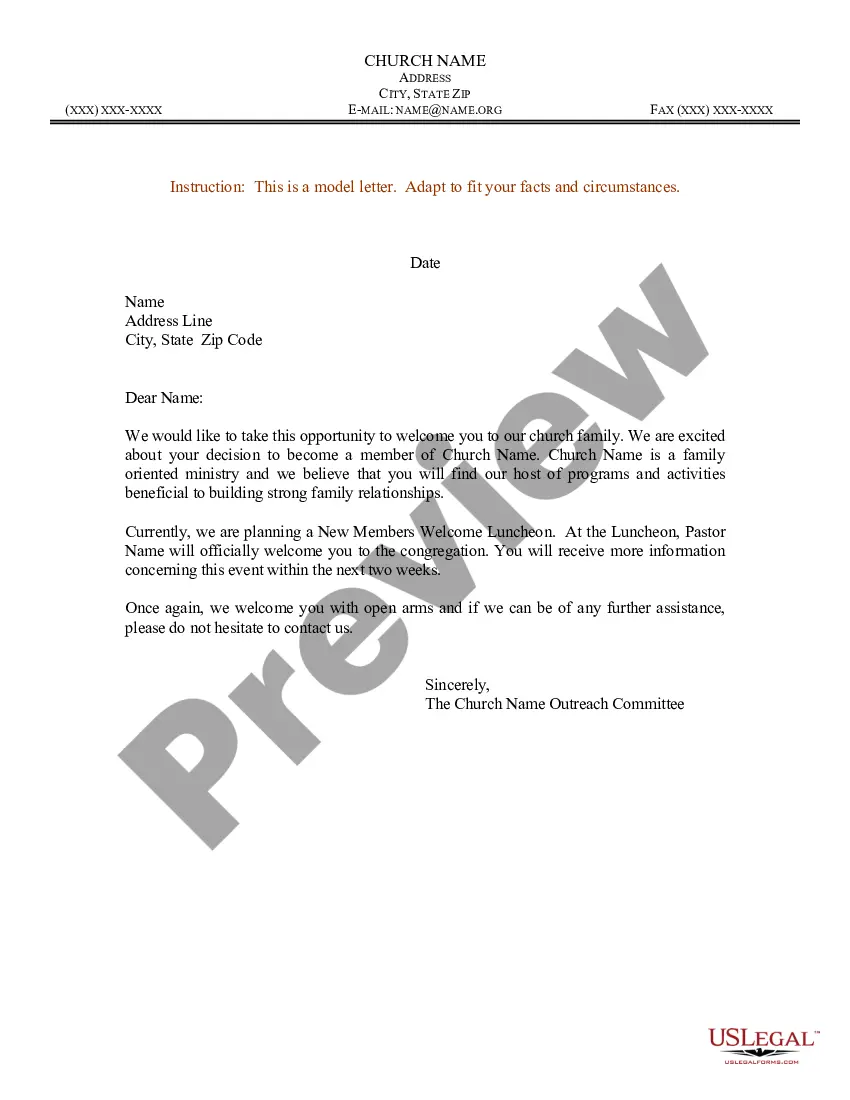
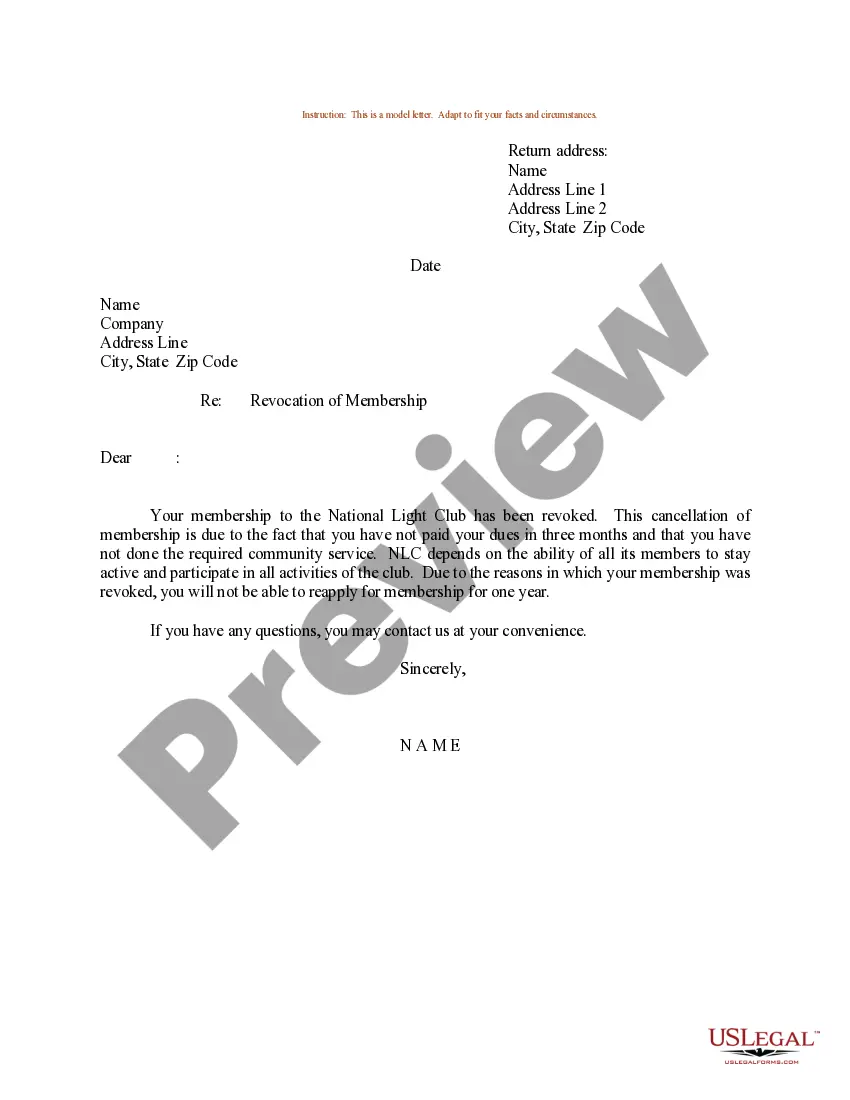
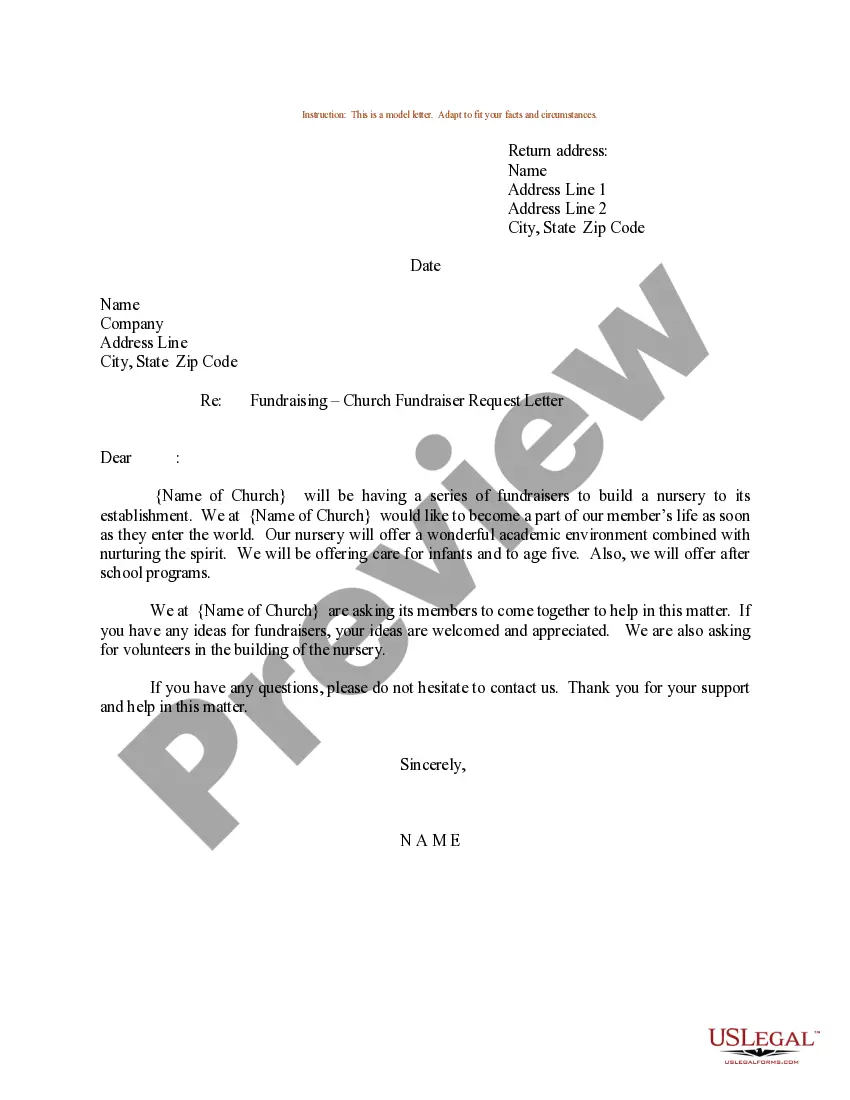
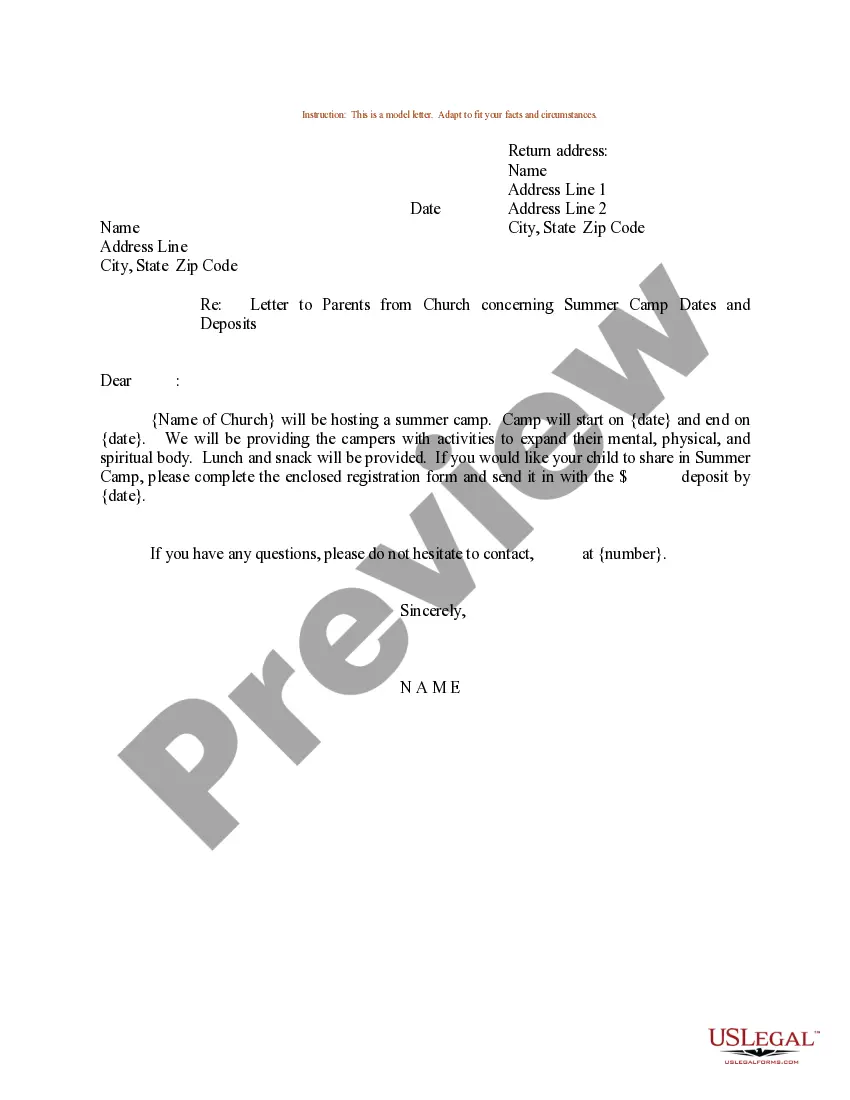
Get your form ready online
Our built-in tools help you complete, sign, share, and store your documents in one place.
Make edits, fill in missing information, and update formatting in US Legal Forms—just like you would in MS Word.
Download a copy, print it, send it by email, or mail it via USPS—whatever works best for your next step.
Sign and collect signatures with our SignNow integration. Send to multiple recipients, set reminders, and more. Go Premium to unlock E-Sign.
If this form requires notarization, complete it online through a secure video call—no need to meet a notary in person or wait for an appointment.
We protect your documents and personal data by following strict security and privacy standards.

Make edits, fill in missing information, and update formatting in US Legal Forms—just like you would in MS Word.

Download a copy, print it, send it by email, or mail it via USPS—whatever works best for your next step.

Sign and collect signatures with our SignNow integration. Send to multiple recipients, set reminders, and more. Go Premium to unlock E-Sign.

If this form requires notarization, complete it online through a secure video call—no need to meet a notary in person or wait for an appointment.

We protect your documents and personal data by following strict security and privacy standards.
Looking for another form?
Form popularity
FAQ
North Carolina Business Filing Center is not a Government Agency and is not affiliated with the Internal Revenue Service or any other federal or state organizations. North Carolina Business Filing Center acts as a Third Party application assisting company.
How to Start a Nonprofit in North Carolina Name Your Organization. Recruit Incorporators and Initial Directors. Appoint a Registered Agent. Prepare and File Articles of Incorporation. File Initial Report. Obtain an Employer Identification Number (EIN) ... Store Nonprofit Records. Establish Initial Governing Documents and Policies.
The process of transferring ownership typically involves drafting and signing a membership transfer agreement, amending the LLC operating agreement, updating the company's internal records, and filing any necessary paperwork with the state.
If you have started a business in a specific industry or occupation then you will need to obtain a NC business license and permits for that occupation as well as a professional license connected to the said occupation.
Transferring Ownership in an LLC When the ownership transfer is a sale of the LLC, a buy-sell agreement may be necessary. An operating agreement should specify the process for ownership transfer, but if it doesn't, you must follow state guidelines. Under some circumstances, the state may require you to form a new LLC.
The most common way is to sell the business to another person or company. If you own the business along with partners, you may reapportion ownership among the multiple partners. Another way is to gift the business to someone else. You can also transfer ownership through a merger or acquisition.
Ownership percentages may need to change when you sell your LLC. As an LLC member, you have the power to decide to sell off your percentage of the LLC just as you would sell stock in a company to another party. If you own a single-member LLC, you can even sell a percentage of the LLC to a new partner.
How to get an LLC in North Carolina in 6 steps Decide on a business name. Assign an agent for service of process. File articles of organization. Create an operating agreement. Get an employer identification number (EIN) and open a business bank account. Register for state taxes. Apply for business licenses.
You can file your North Carolina voluntary dissolution documents by mail or online. The mailing address is on the bottom of the dissolution document, and for online filing you can go to the online Business Registration section of the North Carolina Secretary of State.

