Bill Personal Property Form With Insurance In Travis
Description
Get your form ready online
Our built-in tools help you complete, sign, share, and store your documents in one place.
Make edits, fill in missing information, and update formatting in US Legal Forms—just like you would in MS Word.
Download a copy, print it, send it by email, or mail it via USPS—whatever works best for your next step.
Sign and collect signatures with our SignNow integration. Send to multiple recipients, set reminders, and more. Go Premium to unlock E-Sign.
If this form requires notarization, complete it online through a secure video call—no need to meet a notary in person or wait for an appointment.
We protect your documents and personal data by following strict security and privacy standards.

Make edits, fill in missing information, and update formatting in US Legal Forms—just like you would in MS Word.

Download a copy, print it, send it by email, or mail it via USPS—whatever works best for your next step.

Sign and collect signatures with our SignNow integration. Send to multiple recipients, set reminders, and more. Go Premium to unlock E-Sign.

If this form requires notarization, complete it online through a secure video call—no need to meet a notary in person or wait for an appointment.

We protect your documents and personal data by following strict security and privacy standards.
Looking for another form?


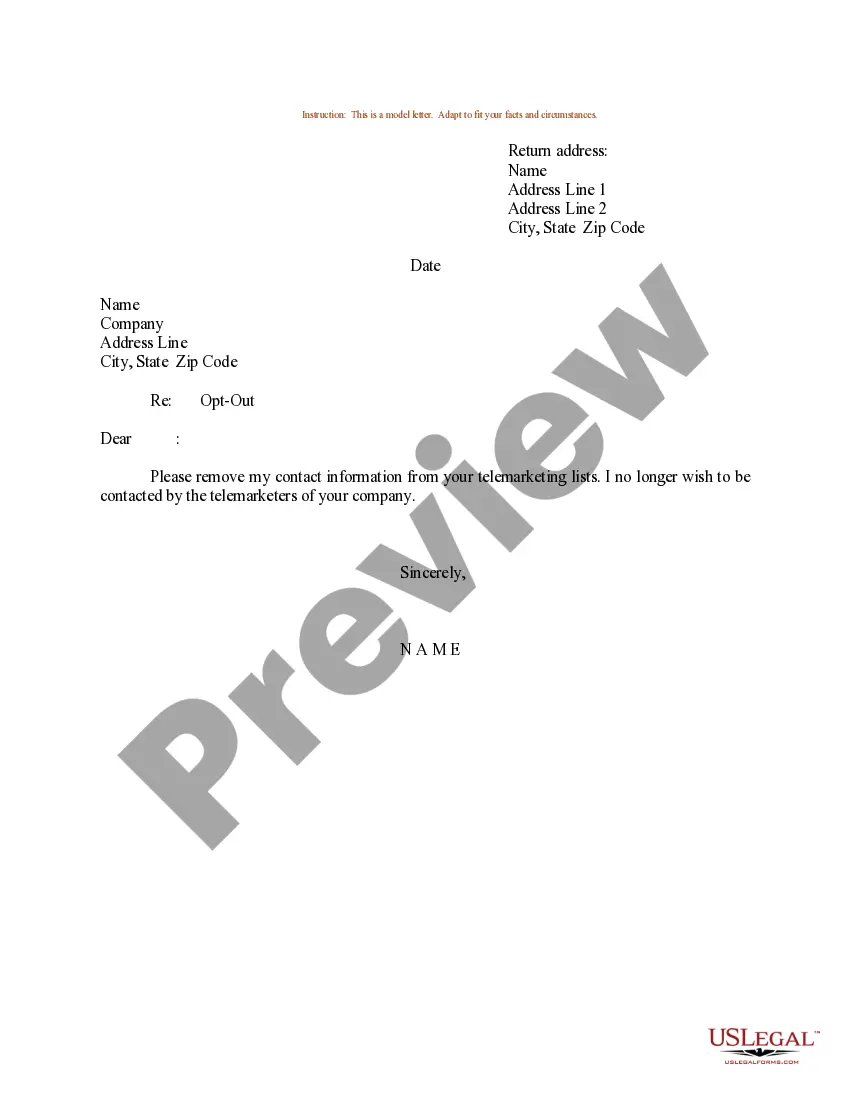




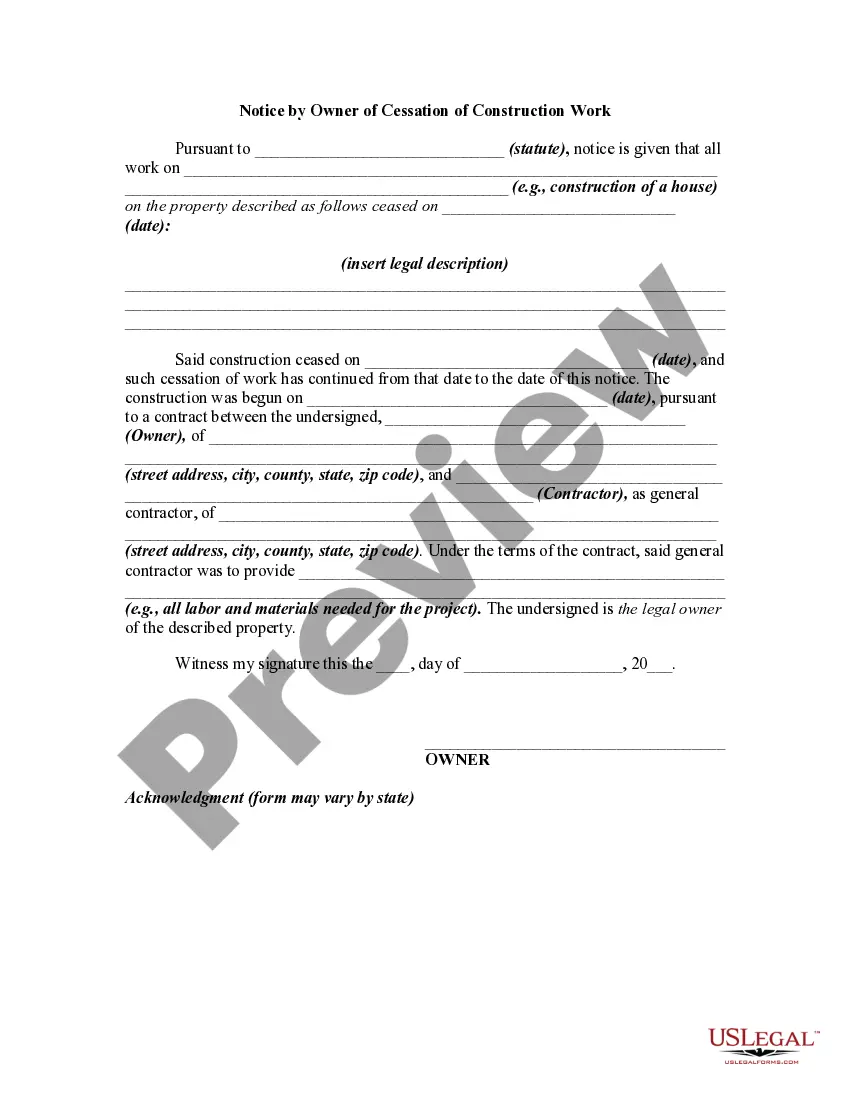

Form popularity
FAQ
Per Section 22.01(a) of the Texas Property Tax Code, taxable personal property includes assets used for the production of income, such as inventories, machinery, equipment, vehicles, furniture and supplies used in the business.
Texas' property tax applies to all real estate (land and improvements). Texas's property tax also applies to tangible personal property (furniture, machinery, supplies, inventories, etc.) used in the “production of income,” i.e. business-owned property. Personal property owned by individuals is specifically exempted.
What is business personal property? Business personal property is all property owned or leased by a business except real property.
Business personal property (BPP) insurance covers the equipment, furniture, fixtures and inventory that you own, use or rent inside your workspace. Basically, it covers almost everything except the building itself.
Business owners are required by State law to render personal property that is used in a business or used to produce income. This property includes furniture and fixtures, equipment, machinery, computers, inventory held for sale or rental, raw materials, finished goods, and work in process.
A rendition is a form that provides the Appraisal District with taxable business property information.
Section 42.001 - Personal Property Exemption (a) Personal property, as described in Section 42.002, is exempt from garnishment, attachment, execution, or other seizure if: (1) the property is provided for a family and has an aggregate fair market value of not more than $100,000, exclusive of the amount of any liens, ...
Ing to the Texas Comptroller's Office, the following are the counties with the highest property tax rates in Texas: Fort Bend County – 2.48% Tarrant County – 2.37% Harris County – 2.31% Williamson County – 2.22% Collin County – 2.19% Dallas County – 2.18%
Annual property tax bills are mailed every year in October to the owner of record as of January 1 of that year. If you do not receive the original bill by November 1, contact the County Tax Collector or Assessor for a duplicate bill.
Property taxes are based on appraised value. In Texas, all taxable property must be appraised at 100% of the fair market value as of January 1 each year.

