Movable Property In Business In Santa Clara
Description
Get your form ready online
Our built-in tools help you complete, sign, share, and store your documents in one place.
Make edits, fill in missing information, and update formatting in US Legal Forms—just like you would in MS Word.
Download a copy, print it, send it by email, or mail it via USPS—whatever works best for your next step.
Sign and collect signatures with our SignNow integration. Send to multiple recipients, set reminders, and more. Go Premium to unlock E-Sign.
If this form requires notarization, complete it online through a secure video call—no need to meet a notary in person or wait for an appointment.
We protect your documents and personal data by following strict security and privacy standards.

Make edits, fill in missing information, and update formatting in US Legal Forms—just like you would in MS Word.

Download a copy, print it, send it by email, or mail it via USPS—whatever works best for your next step.

Sign and collect signatures with our SignNow integration. Send to multiple recipients, set reminders, and more. Go Premium to unlock E-Sign.

If this form requires notarization, complete it online through a secure video call—no need to meet a notary in person or wait for an appointment.

We protect your documents and personal data by following strict security and privacy standards.
Looking for another form?
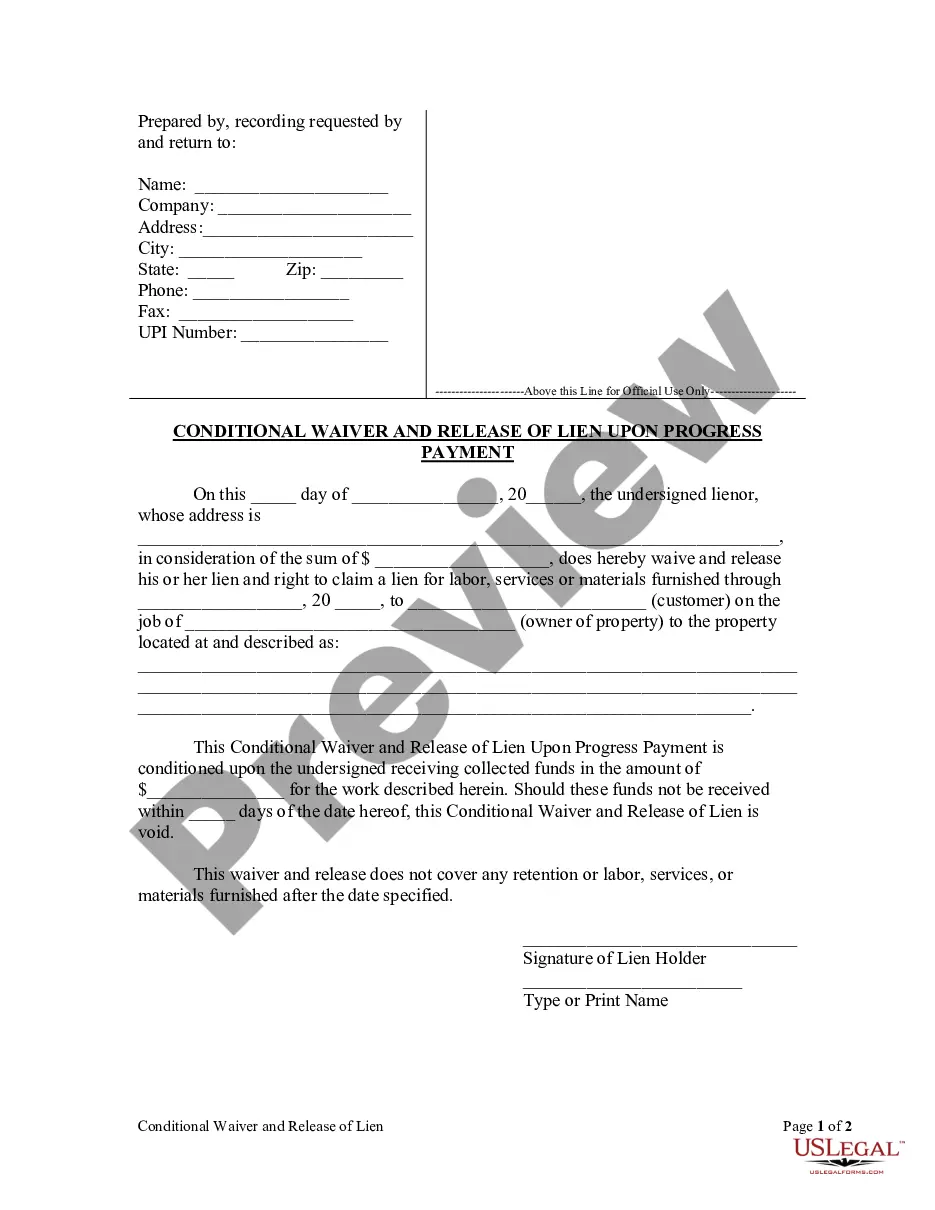
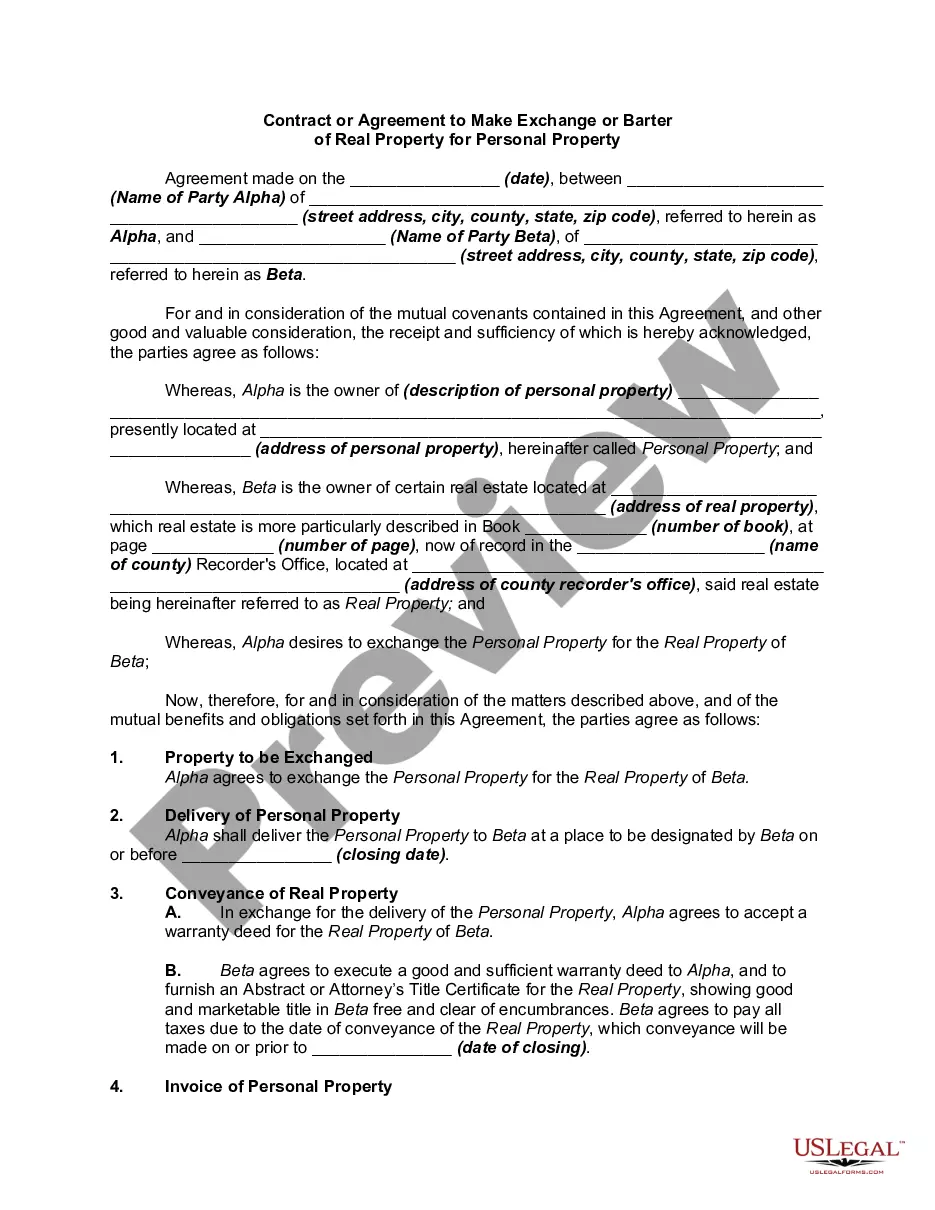


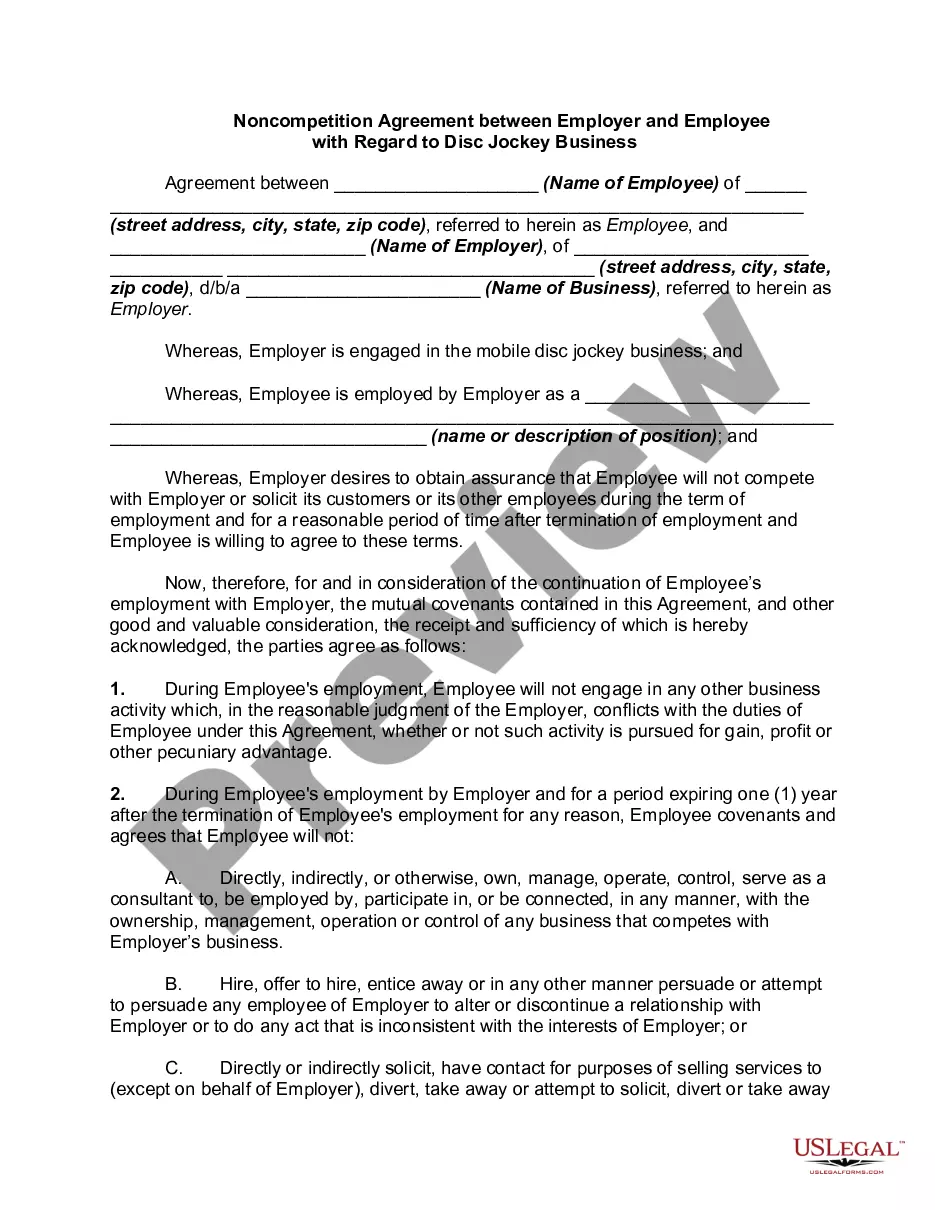




Form popularity
FAQ
Homeowners' exemption If you own and occupy your home as your principal place of residence, you may be eligible for an exemption of up to $7,000 off the dwelling's assessed value, resulting in a property tax savings of approximately $70 to $80 annually.
An annual filing of a Business Property Statement is a requirement of section 441(d) of the California Revenue and Taxation Code.
In most California counties, the seller typically pays for the transfer tax. But this can be negotiated between both parties and specified within the contract. RETTs are imposed by state and local governments in many parts of the United States, including California.
Homeowners' exemption If you own and occupy your home as your principal place of residence, you may be eligible for an exemption of up to $7,000 off the dwelling's assessed value, resulting in a property tax savings of approximately $70 to $80 annually.
Business Personal Property includes all supplies, equipment and any fixtures used in the operation of a business. Exempt from reporting are business inventory, application software and licensed vehicles (except Special Equipment (SE) tagged and off-road vehicles).
Property owners who occupy their homes as their principal place of residence on the lien date (January 1st), and each year thereafter, are eligible for the exemption if they file a claim.
The Form 571L or 571A constitutes an official request that you declare all assessable business property situated in this county which you owned, claimed, possessed, controlled or managed on the tax lien date. The form is approved by the State Board of Equalization (BOE) but forms are administered by the county.
You must report all business assets, including all fully depreciated assets and/or expensed assets. Do not report licensed vehicles, computer application software, and goods held for sale, rent, or lease (i.e., inventory).
Every corporation and limited liability company is required to file a Statement of Information either every year or every two years as applicable.
An individual or a business entity must file a fictitious business name (FBN) statement with the Registrar-Recorder/County Clerk's office in the county where the business will be located when the name of the business does not include the owner's last name.

