Personal Property Business Form For Central Government Employees In Hillsborough
Description
Get your form ready online
Our built-in tools help you complete, sign, share, and store your documents in one place.
Make edits, fill in missing information, and update formatting in US Legal Forms—just like you would in MS Word.
Download a copy, print it, send it by email, or mail it via USPS—whatever works best for your next step.
Sign and collect signatures with our SignNow integration. Send to multiple recipients, set reminders, and more. Go Premium to unlock E-Sign.
If this form requires notarization, complete it online through a secure video call—no need to meet a notary in person or wait for an appointment.
We protect your documents and personal data by following strict security and privacy standards.

Make edits, fill in missing information, and update formatting in US Legal Forms—just like you would in MS Word.

Download a copy, print it, send it by email, or mail it via USPS—whatever works best for your next step.

Sign and collect signatures with our SignNow integration. Send to multiple recipients, set reminders, and more. Go Premium to unlock E-Sign.

If this form requires notarization, complete it online through a secure video call—no need to meet a notary in person or wait for an appointment.

We protect your documents and personal data by following strict security and privacy standards.
Looking for another form?




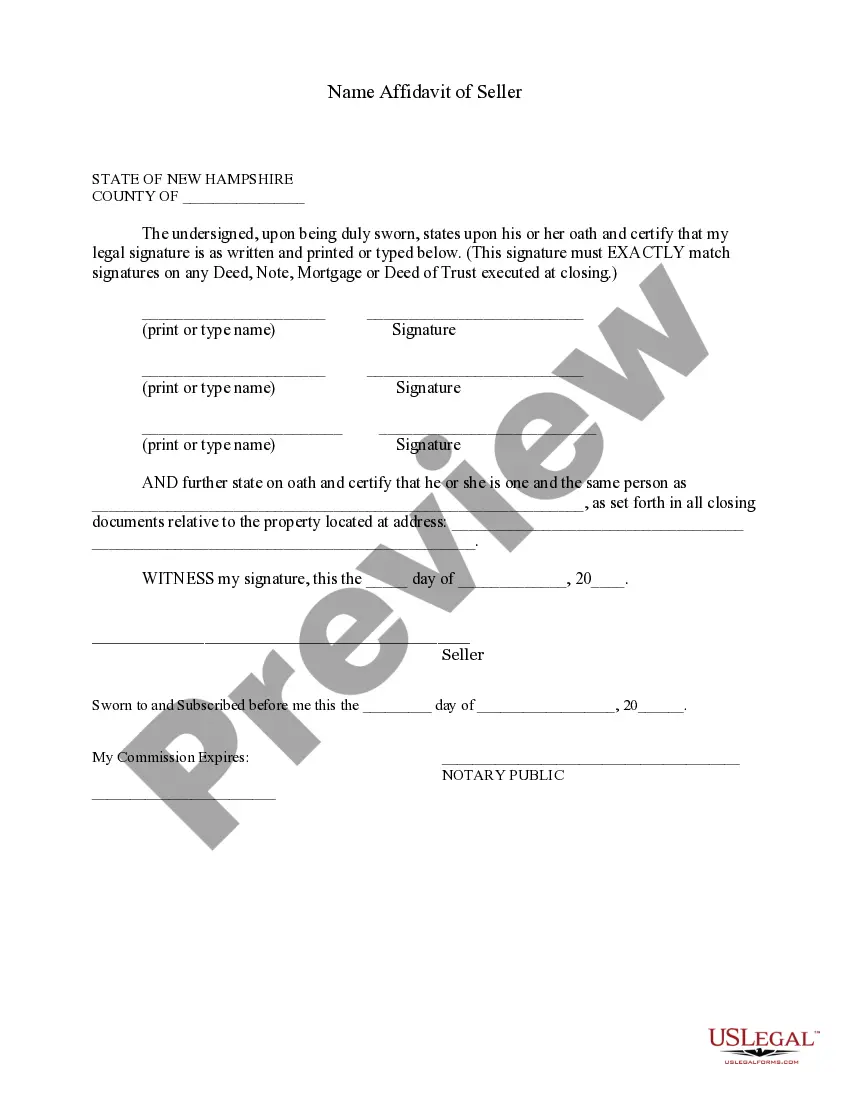
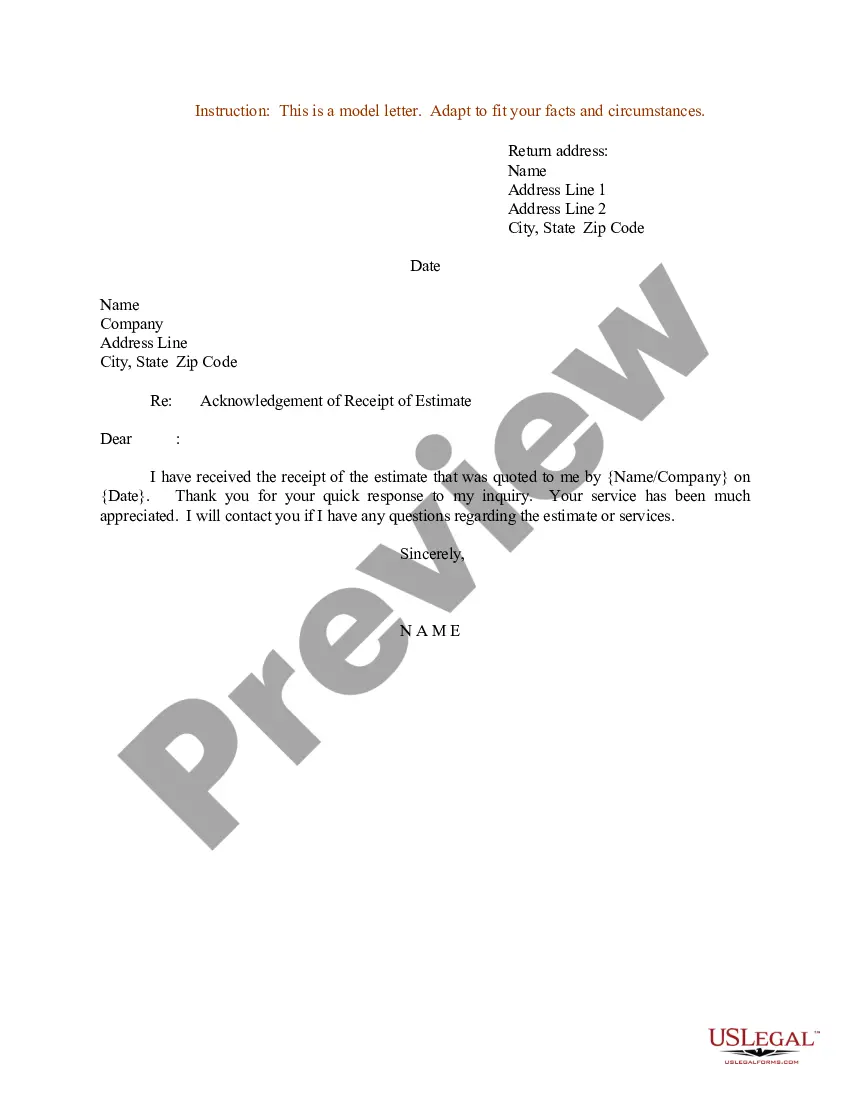
Form popularity
FAQ
Clothing, vehicles, jewelry, and business equipment are examples of tangible personal property. Retailers' occupation and use taxes apply when tangible personal property is sold at retail to be used or consumed in Illinois.
How is tangible personal property taxed? Personal property tax assessments are typically based on fair market value. Business owners file a tax return form with a property appraiser, who then values the property. The property value multiplied by the jurisdictional tax rate determines the tax amount due.
(19) “Tangible personal property” means and includes personal property which may be seen, weighed, measured, or touched or is in any manner perceptible to the senses, including electric power or energy, boats, motor vehicles and mobile homes as defined in s.
Business Personal Property Tax is a tax assessed on tangible personal property businesses own. This type of property includes equipment, furniture, computers, machinery, and inventory, among other items not permanently attached to a building or land.
Tangible Personal Property Tax is an ad valorem tax assessed against the furniture, fixtures and equipment located in businesses and rental property. It also applies to structural additions to mobile homes. Taxes become delinquent and begin accruing interest at a rate of 1.5 percent per month plus additional fees.
Each TPP tax return is eligible for an exemption up to $25,000 of assessed value. If the property appraiser has determined that the property has separate and distinct owners and each files a return, each may receive a $25,000 exemption.
Recent Trends in Tangible Personal Property Taxation State2006 Personal Property2017 Personal Property California 4.11% 5.20% Colorado 12.06% 6.90% Connecticut 6.09% 13.28% Florida 7.43% 7.00%29 more rows •
Primary tabs. Tangible personal property is mainly a tax term which is used to describe personal property that can be felt or touched, and can be physically relocated. For example: cars, furniture, jewelry, household goods and appliances, business equipment.
Tangible personal property, or TPP as it is often called, is personal property that can be felt or touched and physically relocated. That covers a lot of stuff, including equipment, livestock, and jewelry. In many states, these items are subject to ad valorem taxes.

