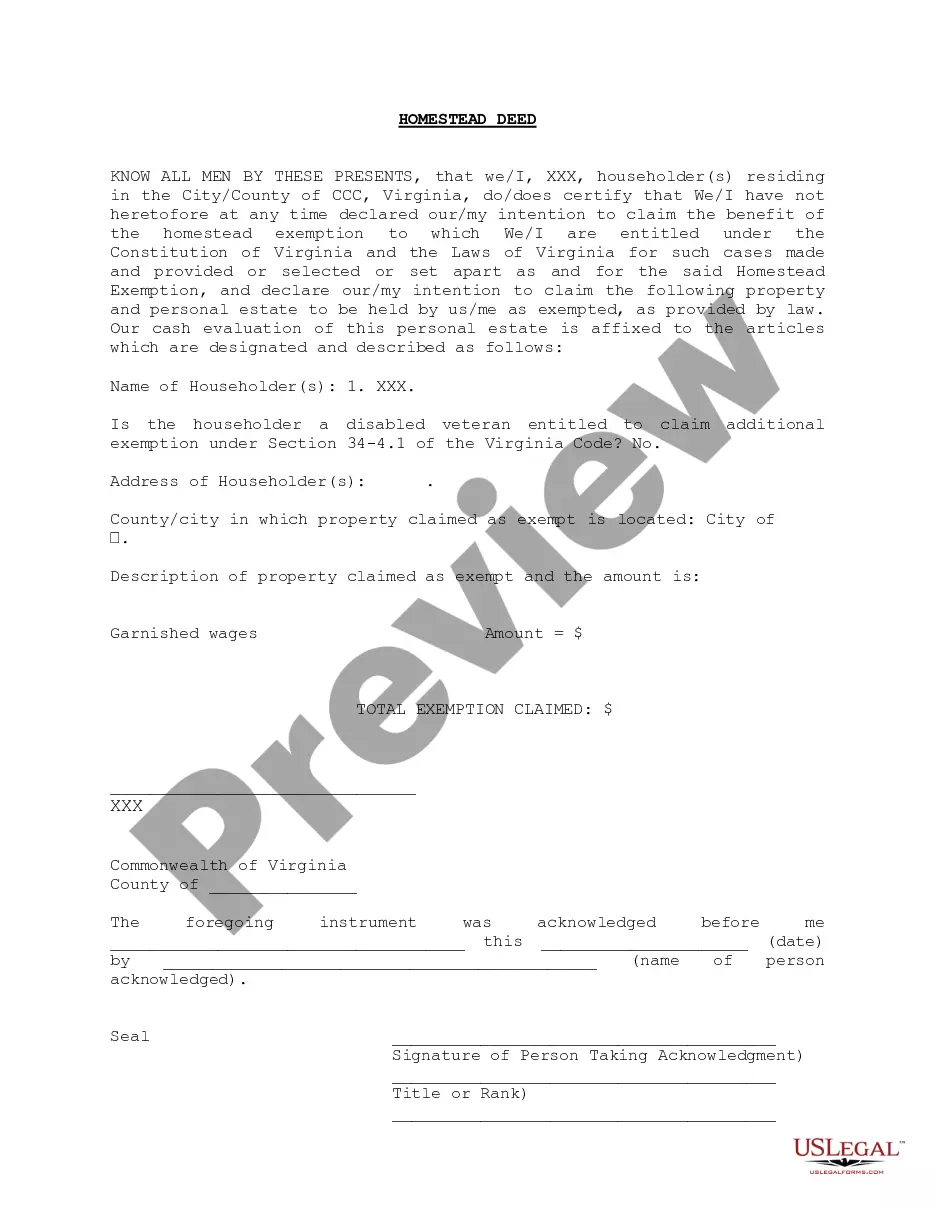
Bill Personal Property Form For Will In Arizona
Description
Get your form ready online
Our built-in tools help you complete, sign, share, and store your documents in one place.
Make edits, fill in missing information, and update formatting in US Legal Forms—just like you would in MS Word.
Download a copy, print it, send it by email, or mail it via USPS—whatever works best for your next step.
Sign and collect signatures with our SignNow integration. Send to multiple recipients, set reminders, and more. Go Premium to unlock E-Sign.
If this form requires notarization, complete it online through a secure video call—no need to meet a notary in person or wait for an appointment.
We protect your documents and personal data by following strict security and privacy standards.

Make edits, fill in missing information, and update formatting in US Legal Forms—just like you would in MS Word.

Download a copy, print it, send it by email, or mail it via USPS—whatever works best for your next step.

Sign and collect signatures with our SignNow integration. Send to multiple recipients, set reminders, and more. Go Premium to unlock E-Sign.

If this form requires notarization, complete it online through a secure video call—no need to meet a notary in person or wait for an appointment.

We protect your documents and personal data by following strict security and privacy standards.
Looking for another form?








Form popularity
FAQ
Intestate Succession: Extended Family Inheritance SituationWho Inherits Your Property – If parents, but no spouse or children – Entire estate to parents – If no parents – Estate split evenly between siblings – If no siblings – Entire estate to paternal/maternal grandparents1 more row •
Once signed and notarized, the affidavits must be filed with the probate court in the county where the property is physically located. A certified copy of the death certificate and a copy of the will, if any, must be attached to each affidavit, along with title documents for real estate and other large assets.
If you have a spouse but no descendants, your spouse will receive your assets. For those who are married and have descendants with their spouse, the spouse will inherit everything. For people with a spouse and children from another partnership, the spouse will inherit half of all separate property.
Steps to Create a Will in Arizona Decide what property to include in your will. Decide who will inherit your property. Choose a personal representative to handle your estate. Choose a guardian for your children. Choose someone to manage children's property. Make your will. Sign your will in front of witnesses.
Power of attorney is only valid when the principal is still alive. After an individual passes, their estate representative or executor will be responsible for legal decision-making and distributing property to heirs. If the decedent failed to appoint an executor, the court will appoint one for them.
If someone dies without a will, their estate assets will pass by intestate succession. Intestate succession means that any part of the estate not covered by the decedent's will goes to the decedent's spouse and/or other heirs under Arizona law. (The decedent is the person who died.)
If you die without a will in Arizona, the probate code designates that your assets pass through intestate succession. Essentially, this means that any assets or property in the intestate estate go to the deceased's spouse and/or other heirs.
To get title to the property after your death, the beneficiary must record a certified copy of the death certificate in the recorder's office. No probate is necessary. Use Nolo's Quicken WillMaker to make a beneficiary deed or transfer on death deed in any state that allows it.
Timelines for transferring property after the owner's death vary by state and can range from a few months to over a year.
With or without a will, the transfer of property after death requires going to probate court. However, this can be bypassed entirely if the deceased has a valid trust in effect.

