Stockholders Corporate Resolutions Withdrawal In Pima
Description
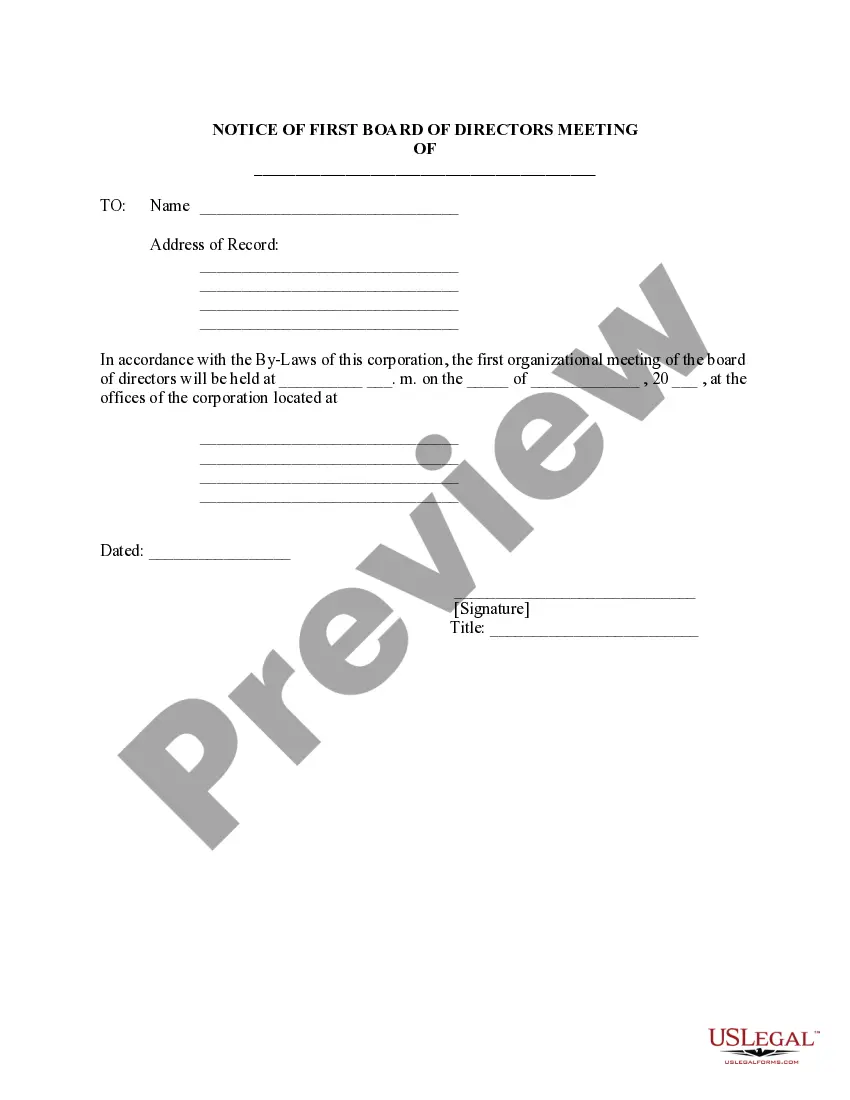


Get your form ready online
Our built-in tools help you complete, sign, share, and store your documents in one place.
Make edits, fill in missing information, and update formatting in US Legal Forms—just like you would in MS Word.
Download a copy, print it, send it by email, or mail it via USPS—whatever works best for your next step.
Sign and collect signatures with our SignNow integration. Send to multiple recipients, set reminders, and more. Go Premium to unlock E-Sign.
If this form requires notarization, complete it online through a secure video call—no need to meet a notary in person or wait for an appointment.
We protect your documents and personal data by following strict security and privacy standards.

Make edits, fill in missing information, and update formatting in US Legal Forms—just like you would in MS Word.

Download a copy, print it, send it by email, or mail it via USPS—whatever works best for your next step.

Sign and collect signatures with our SignNow integration. Send to multiple recipients, set reminders, and more. Go Premium to unlock E-Sign.

If this form requires notarization, complete it online through a secure video call—no need to meet a notary in person or wait for an appointment.

We protect your documents and personal data by following strict security and privacy standards.
Looking for another form?









Form popularity
FAQ
The Impact of Shareholder Resolutions Moreover, most shareholder resolutions filed are non-binding, meaning that even if they gain a majority of votes, the company need not comply with their requests.
You do not always need to have a meeting to pass a resolution. If enough shareholders or directors have told you they agree, you can usually confirm the resolution in writing. You must write to all shareholders letting them know about the outcome of a resolution.
A shareholders' resolution can either be passed during a formal meeting of the shareholders or in writing (without holding an actual meeting). Regardless of the method, the resolutions must be passed in ance with certain statutory, and possibly contractual, requirements.
If the required number of votes is achieved, the resolution is passed, and the decision is legally binding.
There are two main types of shareholders' resolution: 'ordinary' and 'special'. An ordinary resolution is passed by a simple majority of members, while a special resolution requires not less than 75% of the total voting rights of eligible members.
Voting on resolutions can create binding or non-binding outcomes for the company. Any special resolution passed by shareholders becomes part of a company's constitution and creates binding commitments. Binding votes are the most forceful form of driving change as a company is legally bound to act if the vote is passed.
(4) b) may include the text of a resolution that may properly be moved and is intended to be moved at the meeting. Shareholders may, therefore, either requisition a resolution to be moved at the Company's AGM or require the directors to call a dedicated general meeting at which the resolution may be moved.
Provided it has been properly executed, a shareholder agreement is a legally binding contract and can be enforced. This is a good reason to ensure that it has been drawn up by an expert, as it could one day end up before the court, where it will be examined in detail.

