Shareholder Resolution Requirements In Orange
Description
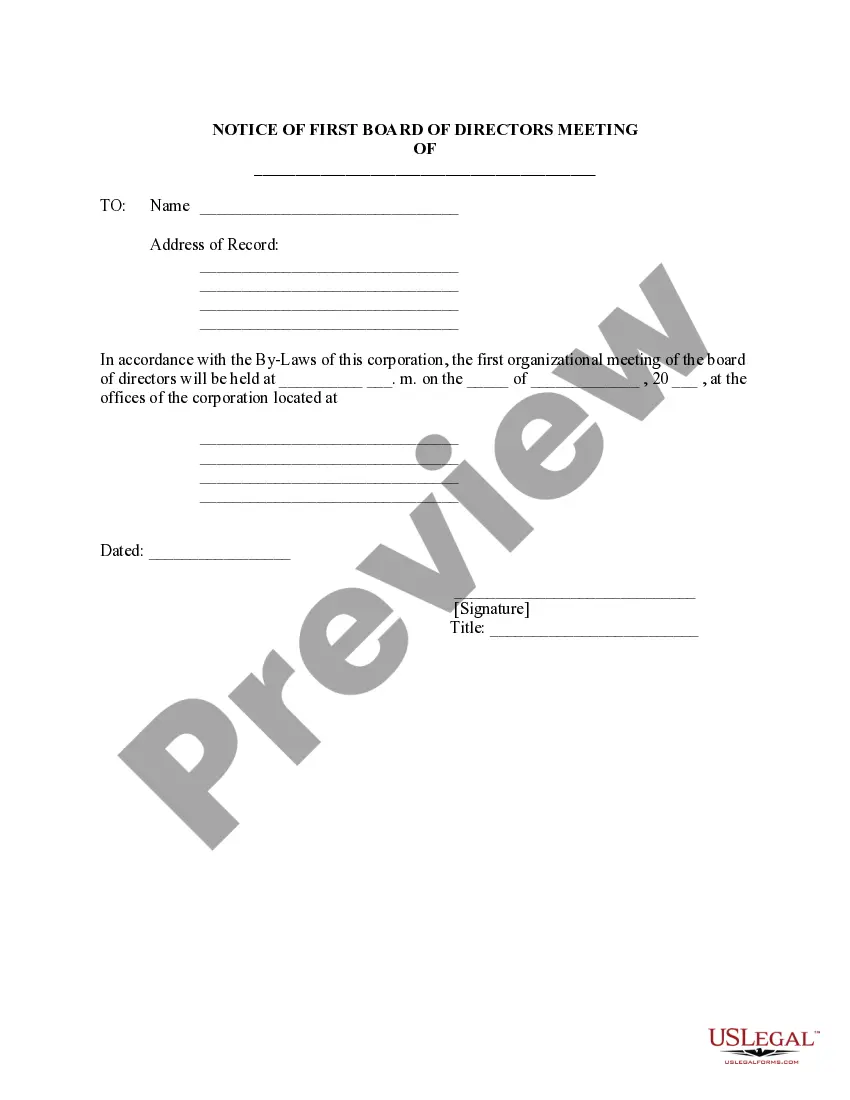


Get your form ready online
Our built-in tools help you complete, sign, share, and store your documents in one place.
Make edits, fill in missing information, and update formatting in US Legal Forms—just like you would in MS Word.
Download a copy, print it, send it by email, or mail it via USPS—whatever works best for your next step.
Sign and collect signatures with our SignNow integration. Send to multiple recipients, set reminders, and more. Go Premium to unlock E-Sign.
If this form requires notarization, complete it online through a secure video call—no need to meet a notary in person or wait for an appointment.
We protect your documents and personal data by following strict security and privacy standards.

Make edits, fill in missing information, and update formatting in US Legal Forms—just like you would in MS Word.

Download a copy, print it, send it by email, or mail it via USPS—whatever works best for your next step.

Sign and collect signatures with our SignNow integration. Send to multiple recipients, set reminders, and more. Go Premium to unlock E-Sign.

If this form requires notarization, complete it online through a secure video call—no need to meet a notary in person or wait for an appointment.

We protect your documents and personal data by following strict security and privacy standards.
Looking for another form?









Form popularity
FAQ
Shareholders. The major shareholders of Orange as of 31 December 2015 are the state of France through Agence des participations de l'État and Banque publique d'investissement (replacing Fonds stratégique d'investissement) for 23.04%. As of mid-2013, Orange employees owned 4.81%, and the company itself owned 0.58%.
Some of the matters that require a special resolution are:- – Amendment of the Articles of Association. Issue of sweat equity shares. Change in the registered office of the company. Reduction of share capital.
Shareholder resolutions are a meaningful way for shareholders to encourage corporate responsibility and discourage company practices that are unsustainable or unethical.
What should shareholder resolutions include? Your corporation's name. Date, time and location of meeting. Statement that all shareholders agree to the resolution. Confirmation of the necessary quorum for business to be conducted. Names of shareholders present or voting by proxy. Number of shares for each voting shareholder.
Typically, decisions that must made by ordinary resolution of the shareholders include: Paying dividends. Appointing and removing directors. Approving directors' service contracts. Approving directors' loans. Allotting new shares.
You usually need to get directors or entitled shareholders to vote (known as 'passing a resolution') on whether or not to make some changes. Things that usually need a resolution include: changing your company name. removing a director.
Resolutions in private limited companies can be passed at a general meeting either by a poll or show of hands. Alternatively, they can be passed by a written resolution, in which the shareholder indicates their agreement in the manner the company requests.
If a company wishes to issue additional shares to a new shareholder, all existing shareholders within the company must pass a special board resolution to that effect.
Typically, decisions that must made by ordinary resolution of the shareholders include: Paying dividends. Appointing and removing directors. Approving directors' service contracts. Approving directors' loans. Allotting new shares.
Is a shareholder resolution binding? Most shareholder resolutions are non-binding, or "precatory," to use the legal word of art. It means that the voting on these resolutions is less like a (binding) referendum or plebiscite and more like a poll.

