Stockholders Meeting Resolutions Withholding Tax In Massachusetts
Description
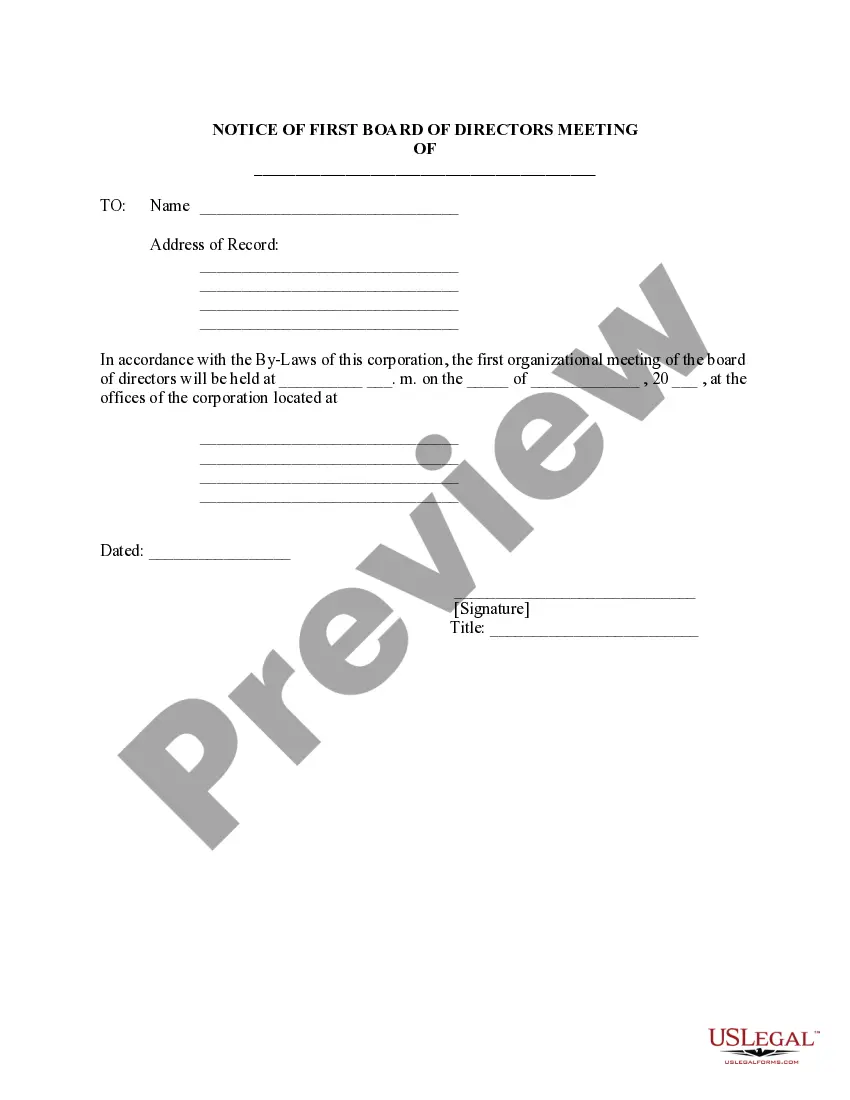


Get your form ready online
Our built-in tools help you complete, sign, share, and store your documents in one place.
Make edits, fill in missing information, and update formatting in US Legal Forms—just like you would in MS Word.
Download a copy, print it, send it by email, or mail it via USPS—whatever works best for your next step.
Sign and collect signatures with our SignNow integration. Send to multiple recipients, set reminders, and more. Go Premium to unlock E-Sign.
If this form requires notarization, complete it online through a secure video call—no need to meet a notary in person or wait for an appointment.
We protect your documents and personal data by following strict security and privacy standards.

Make edits, fill in missing information, and update formatting in US Legal Forms—just like you would in MS Word.

Download a copy, print it, send it by email, or mail it via USPS—whatever works best for your next step.

Sign and collect signatures with our SignNow integration. Send to multiple recipients, set reminders, and more. Go Premium to unlock E-Sign.

If this form requires notarization, complete it online through a secure video call—no need to meet a notary in person or wait for an appointment.

We protect your documents and personal data by following strict security and privacy standards.
Looking for another form?
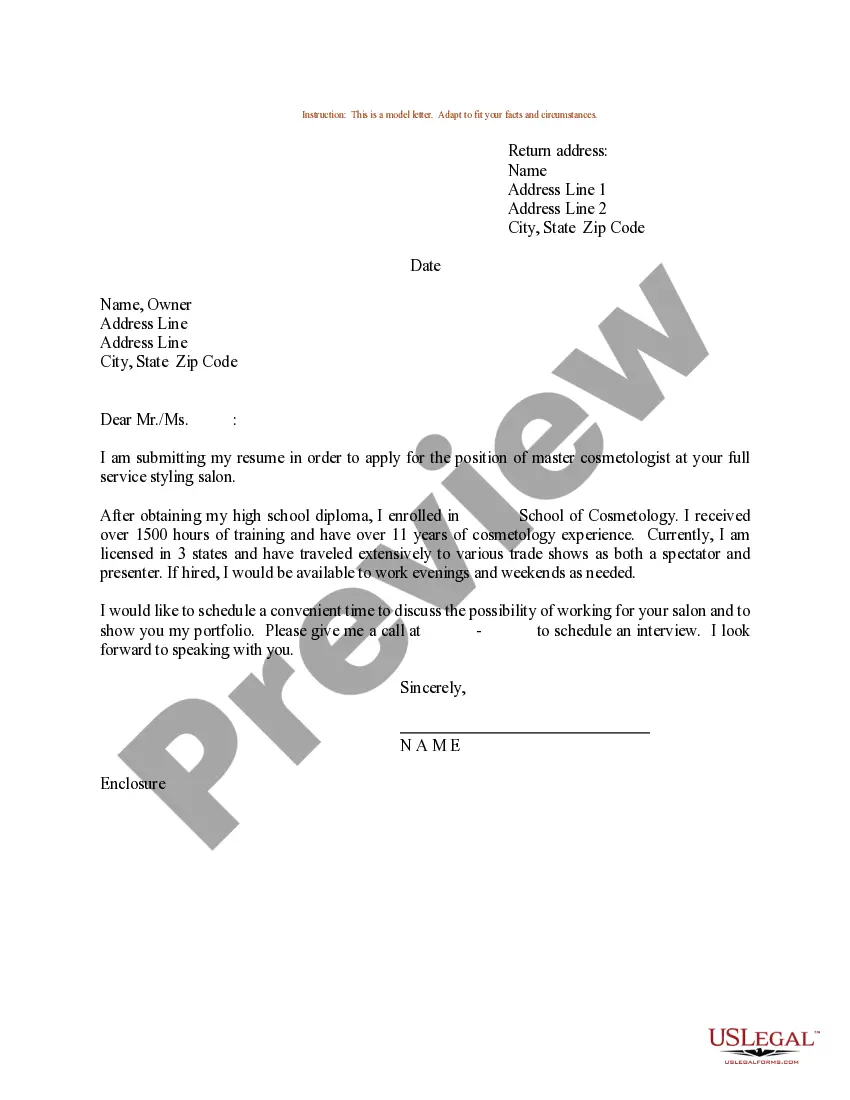
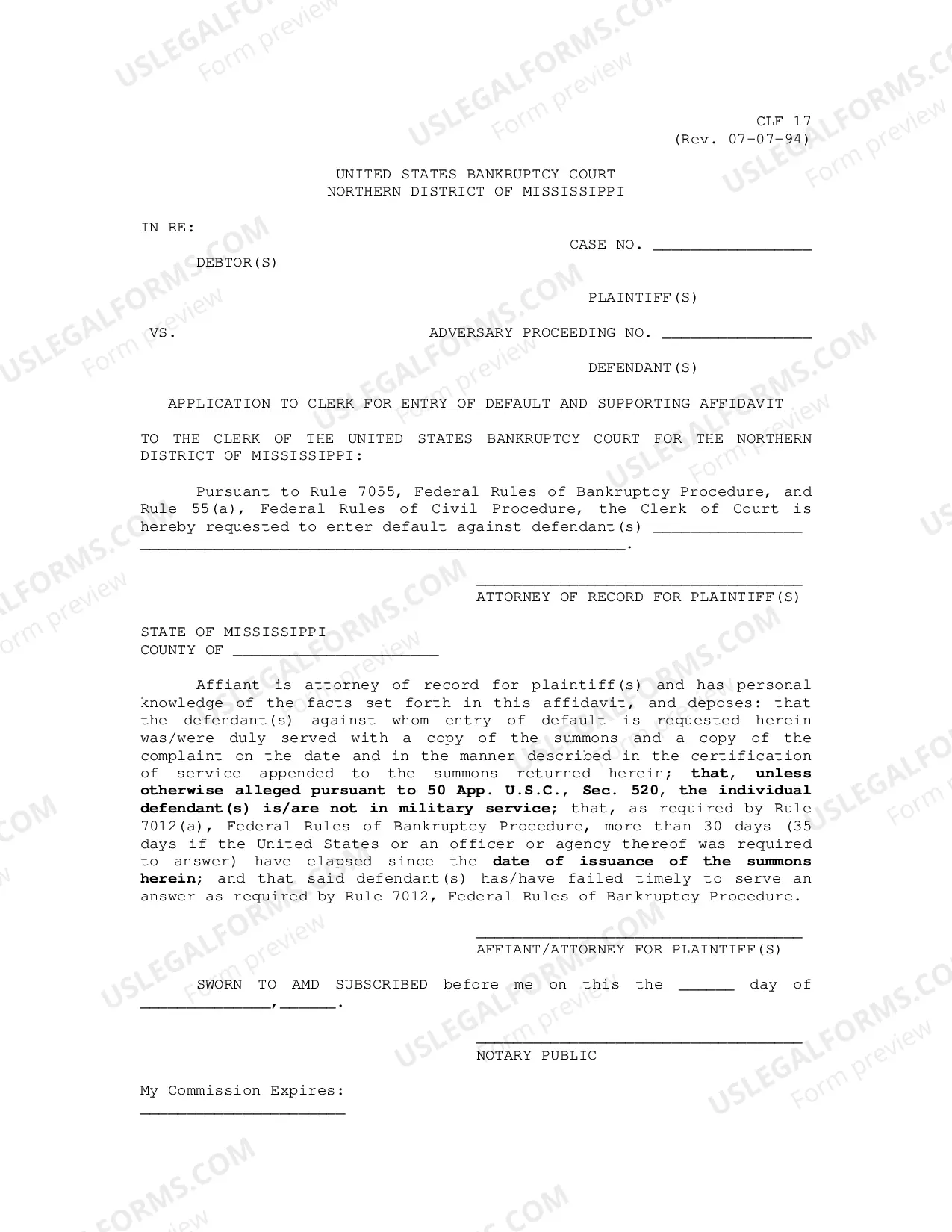
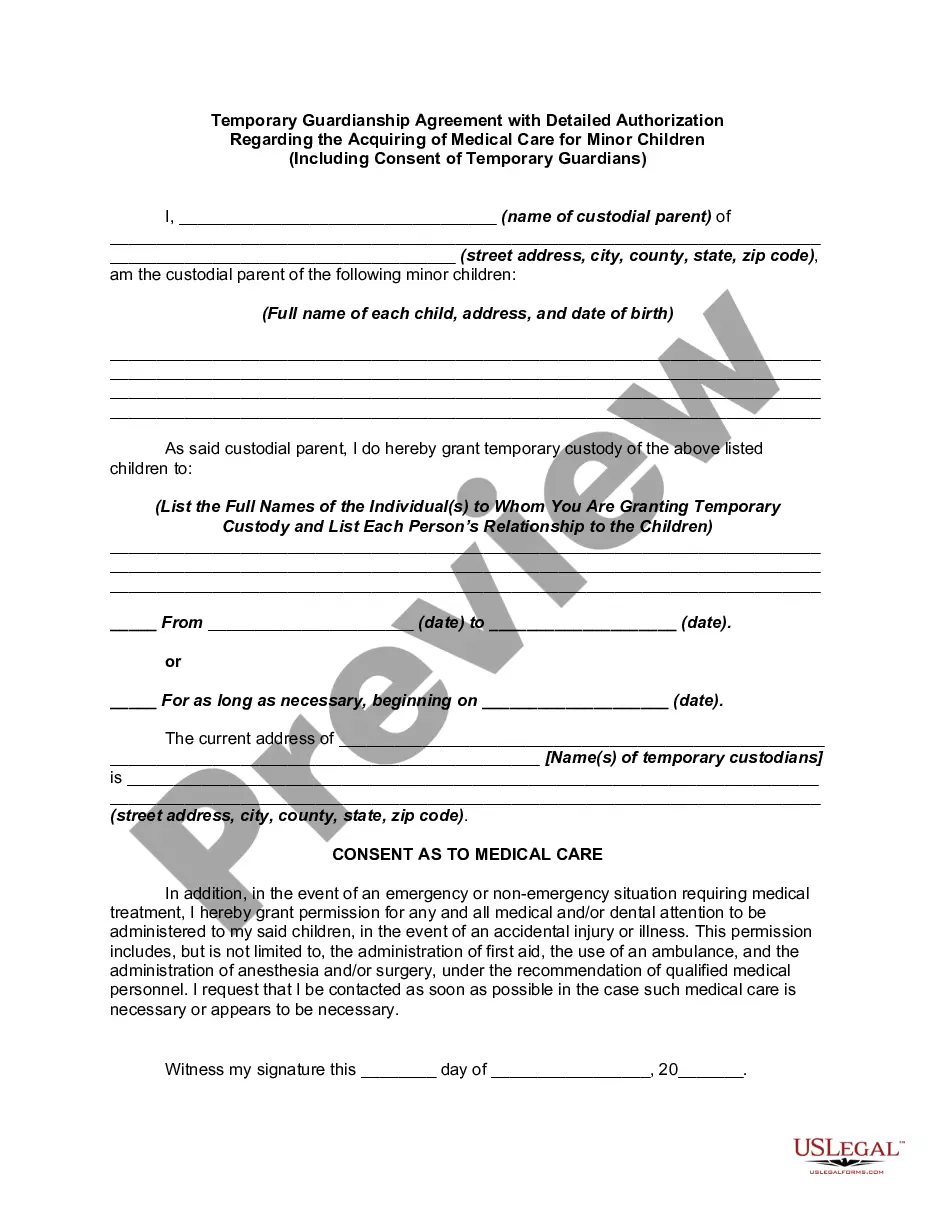

Form popularity
FAQ
Pass-Through Entity Annual Withholding Return A Pass-Through Entity (PTE) is generally an entity that passes its income or losses through to its owners instead of paying the related tax at the entity level. A PTE can be any of the following: Estates. Trusts. S corporations.
Mail your Form W2 along with Form M-3 to the following address: Massachusetts Department of Revenue, PO Box 7015, Boston, MA 02204.
To claim the PTE credit for individuals: Go to Input Return. Under State & Local, select Other Credits, then MA Schedule CMS. Scroll down to Section 4 - Refundable Credits Received from MA K-1s or via Credit Transfer.
All Pass-through Entities Nonresidents with income from Kentucky sources and part-year residents receiving income while a Kentucky resident or from Kentucky sources while a nonresident must file a Kentucky return.
Capital Gains Massachusetts taxes most long-term gains at 5% and taxes long-term gains from the sale or exchange of collectibles at 12% (subject to a 50% deduction). For tax years ending on or before December 31, 2022, short-term gains were taxed at and short-term gains at 12%.
RSUs are considered a form of compensation and are included in your taxable income when they vest. Because RSU income is considered supplemental, the withholding rate can vary between 22% and 37%. Usually, your employer will liquidate a percentage of the shares to cover the withholding requirement.
An excise tax isn't deductible if it's for a personal expense. You can deduct as a business expense excise taxes that are ordinary and necessary expenses of carrying on your trade or business.
How to fill out a W-4 Step 1: Enter your personal information. Fill in your name, address, Social Security number and tax filing status. Step 2: Account for multiple jobs. Step 3: Claim dependents, including children. Step 4: Refine your withholdings. Step 5: Sign and date your W-4.

