Corporation First Meeting With New Team In Fulton
Description
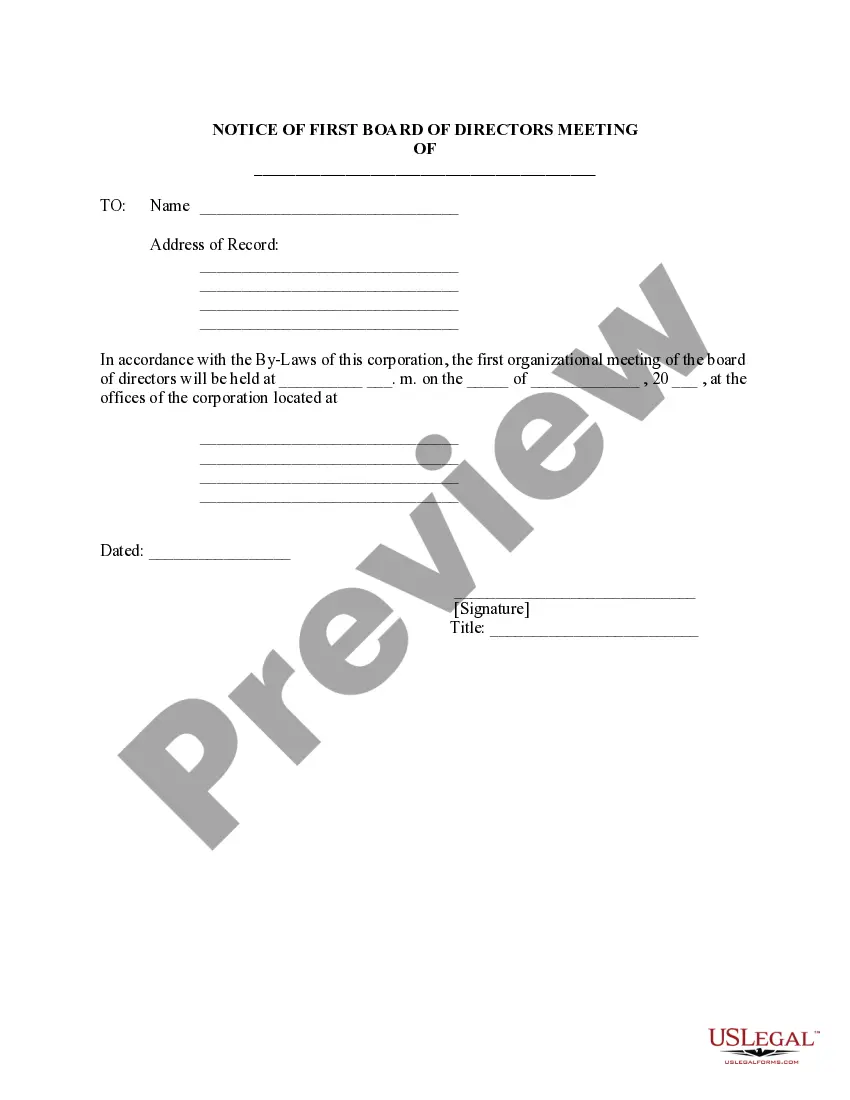


Get your form ready online
Our built-in tools help you complete, sign, share, and store your documents in one place.
Make edits, fill in missing information, and update formatting in US Legal Forms—just like you would in MS Word.
Download a copy, print it, send it by email, or mail it via USPS—whatever works best for your next step.
Sign and collect signatures with our SignNow integration. Send to multiple recipients, set reminders, and more. Go Premium to unlock E-Sign.
If this form requires notarization, complete it online through a secure video call—no need to meet a notary in person or wait for an appointment.
We protect your documents and personal data by following strict security and privacy standards.

Make edits, fill in missing information, and update formatting in US Legal Forms—just like you would in MS Word.

Download a copy, print it, send it by email, or mail it via USPS—whatever works best for your next step.

Sign and collect signatures with our SignNow integration. Send to multiple recipients, set reminders, and more. Go Premium to unlock E-Sign.

If this form requires notarization, complete it online through a secure video call—no need to meet a notary in person or wait for an appointment.

We protect your documents and personal data by following strict security and privacy standards.
Looking for another form?


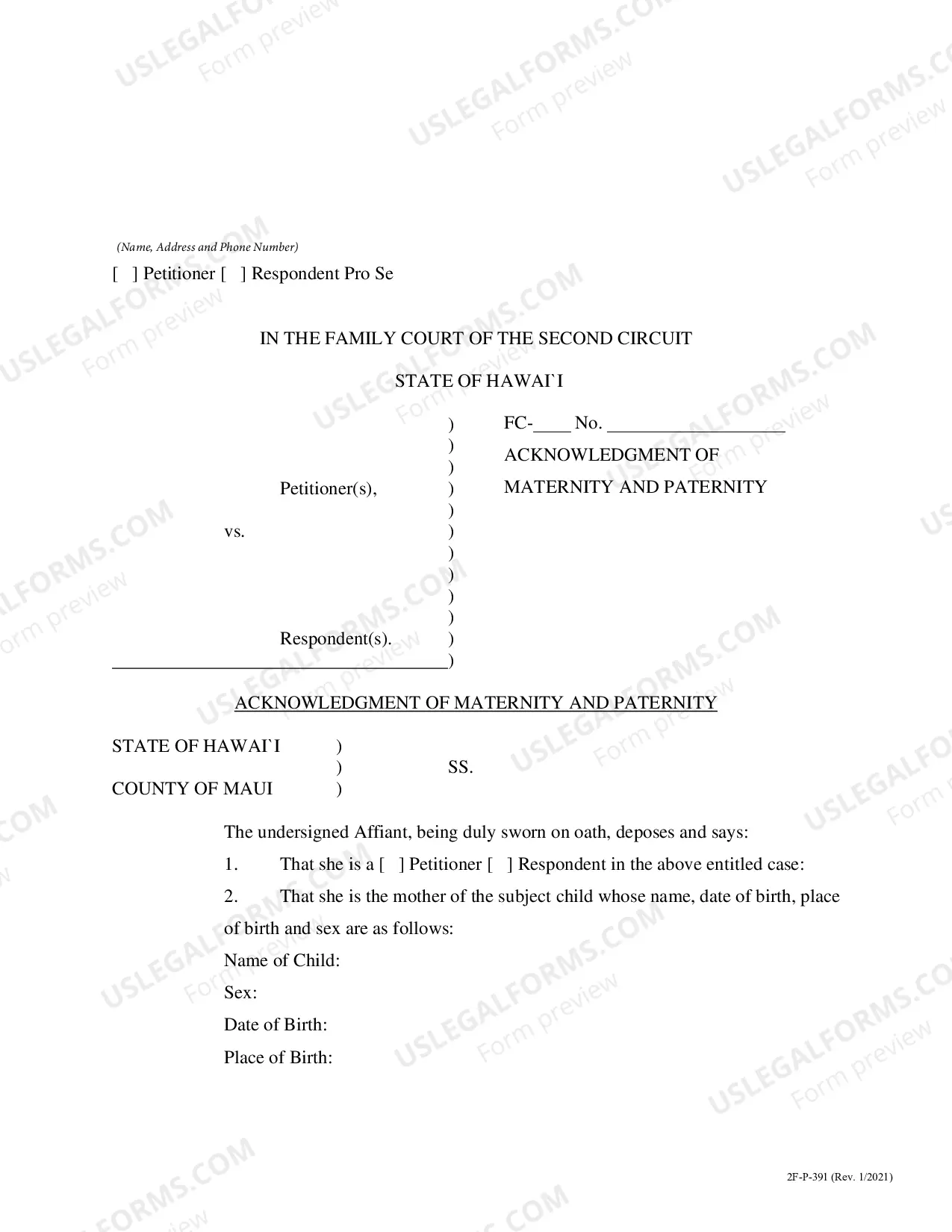
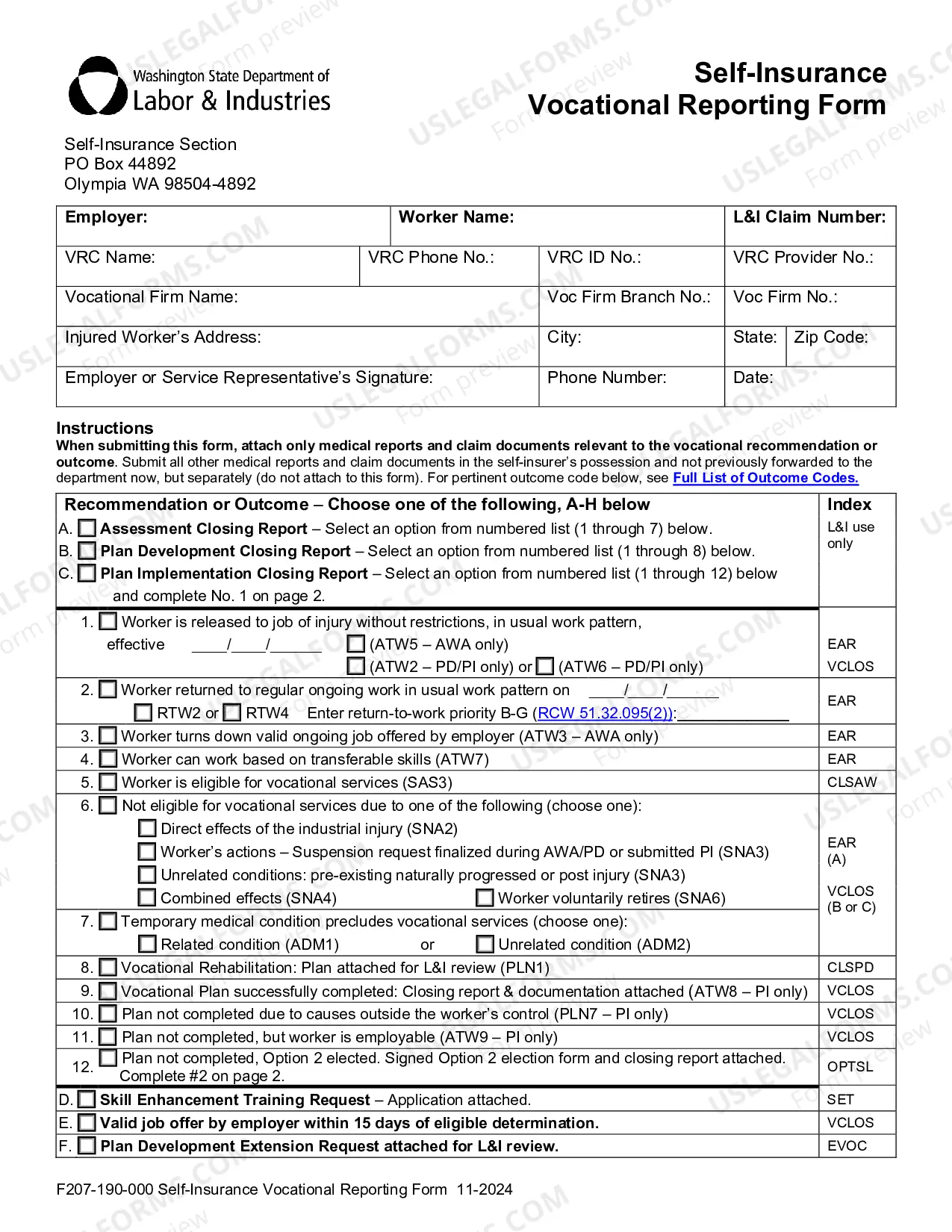




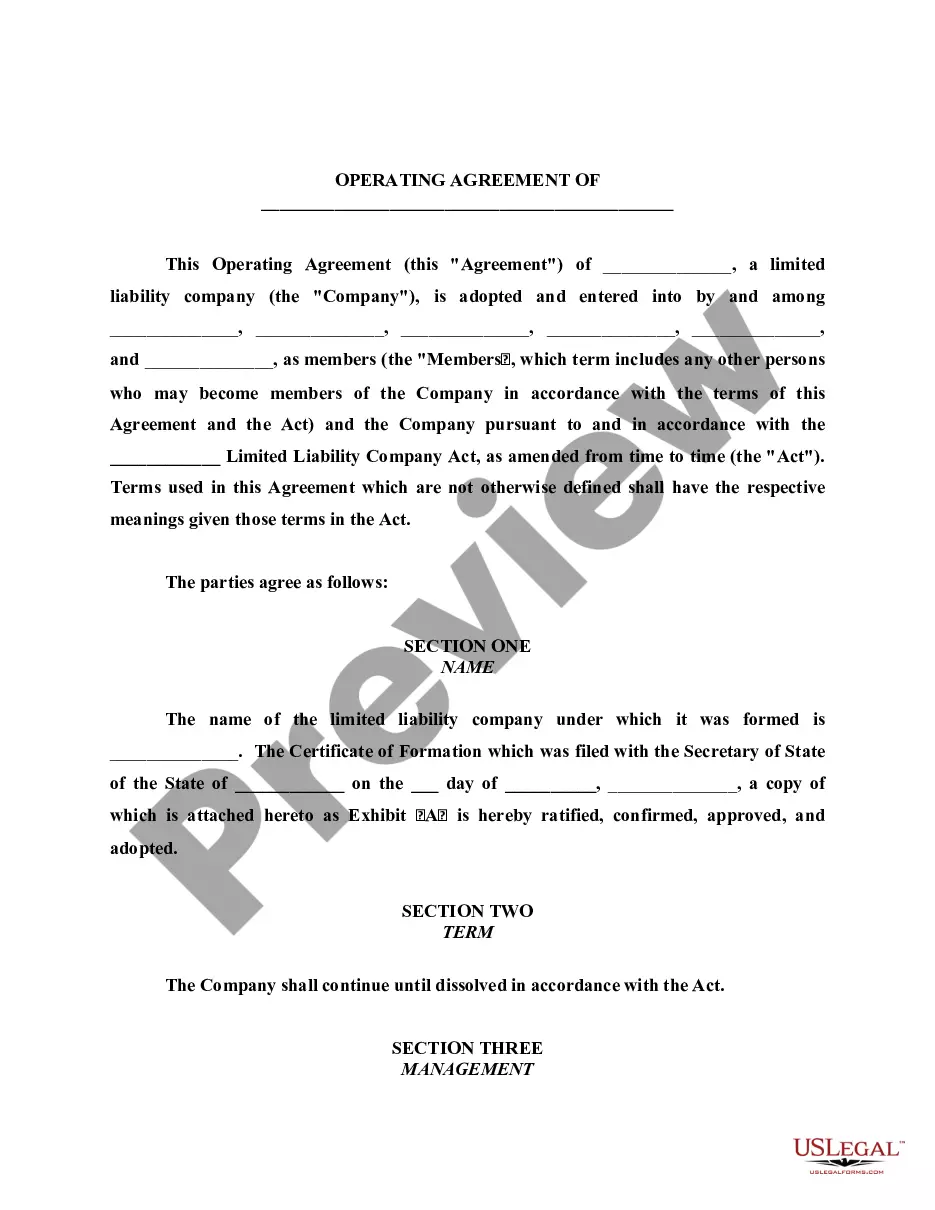
Form popularity
FAQ
Set the Agenda: Clearly outline the purpose of the meeting and what you hope to achieve. Introduce Yourself: Share your background, leadership style, and expectations. Encourage Introductions: Allow team members to introduce themselves, sharing their roles and experiences. Establish Ground Rules:
What to ask your Teammates What is your role on the team? How do you see our roles intersecting? How do you like to work? How can I collaborate effectively with you? What do I need to know to be successful on this team?
Ideally, you want your team to take away the following three messages: I'm glad to be here, and I respect the work that you've done. Please be assured that I'm not here to cause you stress or to make your lives more difficult. I'm here to put you first and enable you to do your jobs well.
Typically first meetings allow two people to get to know a little bit about each other, attach a face to a name and gain a bit of comfort.
How to Introduce a New Employee in a Team Meeting Introduce the new team member before the meeting. Book additional time for intros. Provide the new team member with context. Make yourself available for a follow-up call. Create alternate space for socializing.
During your first team meeting, begin by sharing your name, job title, and a brief overview of your background. Highlight a few key accomplishments or experiences that are relevant to your new role, and express your excitement about joining the team.
How to introduce yourself to a new team Send a positive message or email introducing yourself. Schedule a team meeting. Start with an icebreaker or by sharing a fun fact. Talk about your professional background and experience. Open the floor for questions from the team. Write an “about me” or “read me” page.
Welcome everyone. Thank you all for coming. It seems everyone is here, so let's get started. I think we are all set to start the meeting.
Include a greeting, such as "Hi!" or "Hello!" Explain your role, such as "I'm your new coworker on the graphics team and I'm excited to work with you." Ask them to join you for a virtual chat, such as "When you have time, I'd like to get to know you better."

